Optimizing Warehouse Efficiency: A Guide to Modern Storage and Retrieval Systems
For import managers, brand owners, and wholesalers, the core question is straightforward: how can you increase warehouse density, speed up order fulfillment, and reduce operational costs? Modern storage and retrieval systems (SRS/ASRS) provide a tangible answer by automating vertical space utilization and inventory management, directly impacting your bottom line. This guide explores practical solutions, focusing on integration, reliability, and supply chain efficiency.
The Hidden Costs of Inefficient Storage: Key Industry Pain Points
Traditional warehouse shelving and manual picking often lead to significant, recurring expenses for B2B buyers. These are not just operational hiccups but major barriers to scalability and profitability.
- Sky-High Labor Costs & Errors: Manual picking in sprawling warehouses demands large labor forces. Fatigue leads to mis-picks, incorrect shipments, and customer dissatisfaction, costing time and money to rectify.
- Wasted Vertical Space & Real Estate: Relying on standard shelving that only reaches 6-8 feet high ignores the potential of your building's cubic capacity. You're paying for airspace you don't use.
- Slow Order Fulfillment & Inventory Blind Spots: As SKU counts grow, finding items becomes a scavenger hunt. Cycle counts are inaccurate, leading to stockouts or dead stock, directly affecting sales and planning.
- Safety Risks & Throughput Bottlenecks: Manual operation of forklifts at height and congested aisles pose safety hazards and limit the speed at which goods can move in and out.
For sourcing agents and import managers, the challenge is finding a system provider who understands these pain points from a commercial and logistical perspective, not just an engineering one.
Strategic Solutions: How Automated Storage and Retrieval Systems Address Core Challenges
The evolution of storage and retrieval systems moves beyond simple shelving to become the central nervous system of a warehouse. The solution lies in integrated automation.
1. High-Density Automated Storage
Automated systems like unit-load ASRS and vertical lift modules (VLMs) utilize nearly 100% of available vertical space, from floor to ceiling. This can increase storage capacity by 60-85% within the same footprint, delaying or eliminating the need for costly warehouse expansion.
2. Goods-to-Person (GTP) Technology
Instead of workers walking miles per day, the system brings the inventory bin or pallet directly to a stationary ergonomic workstation. This reduces picker travel time by over 60%, dramatically increasing picks per hour and reducing labor fatigue.
3. Integrated Warehouse Management Software (WMS)
Modern SRS are governed by intelligent software that provides real-time, 99.9%+ accurate inventory tracking, manages FIFO/LIFO rules, and optimizes the placement of goods based on turnover rates, creating a truly "smart" warehouse.
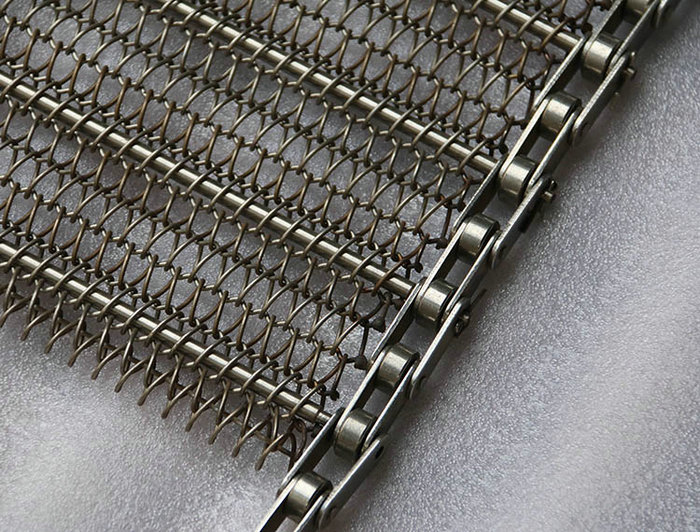
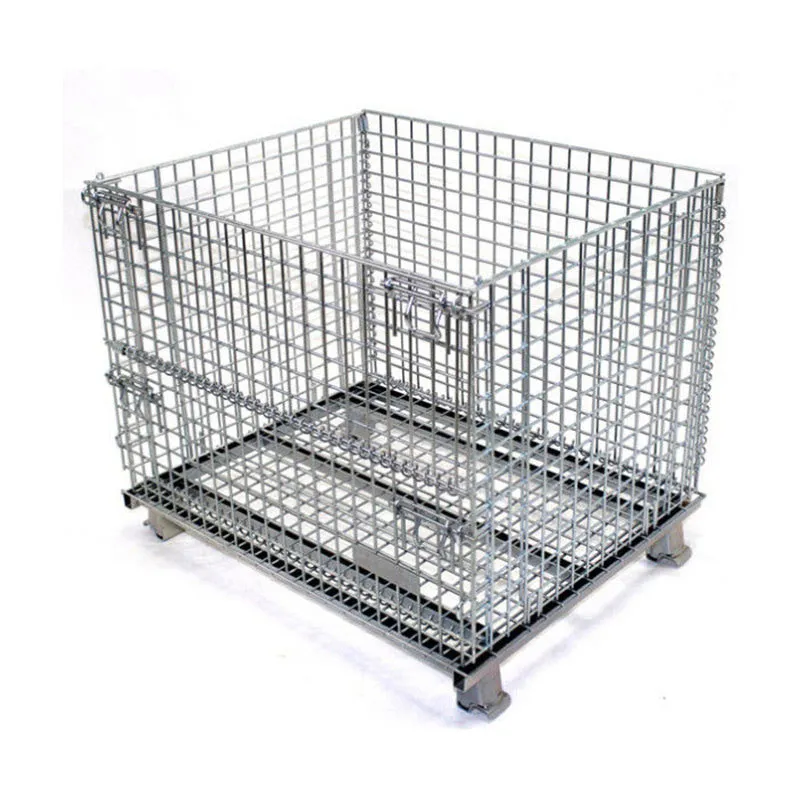
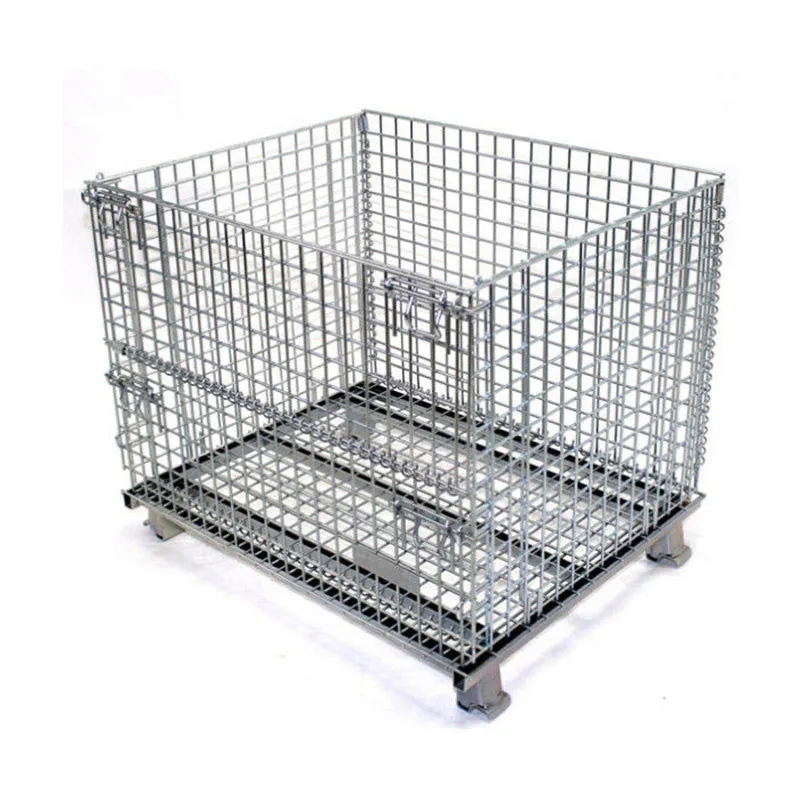
Integration Note: A critical, often overlooked component of these systems is the load-supporting structure and containers. Durable, custom-designed wire mesh panels, trays, and dividers are essential for product safety, system integrity, and efficient handling. Partnering with a manufacturer specializing in these components ensures a seamless fit.
Why Partner with a Specialist Manufacturer for Your SRS Components?
Selecting a supplier for your storage system infrastructure is as crucial as choosing the automation hardware. Here’s how a focused manufacturing partner adds value to your procurement chain.
Engineered for Performance & Safety
Components like wire mesh pallet racks, divider panels, and storage baskets must meet precise load-bearing and dimensional specifications. A manufacturer with deep material expertise ensures these parts are not just accessories but integral, reliable elements of your system. Common standards include ISO 9001 for quality management and adherence to relevant safety norms for materials.
OEM/ODM Design Flexibility
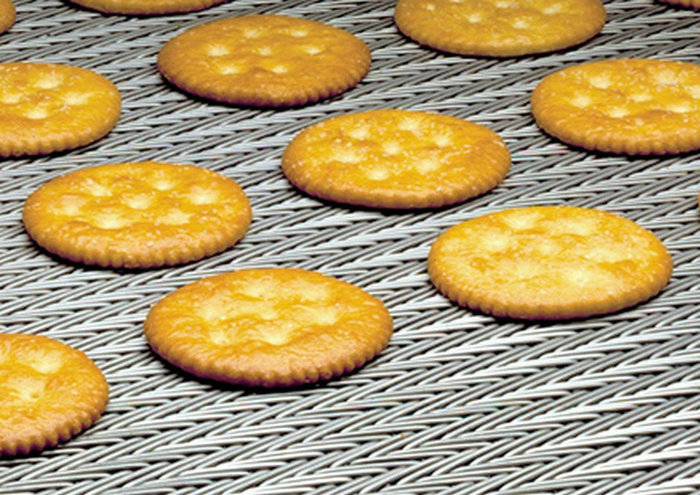
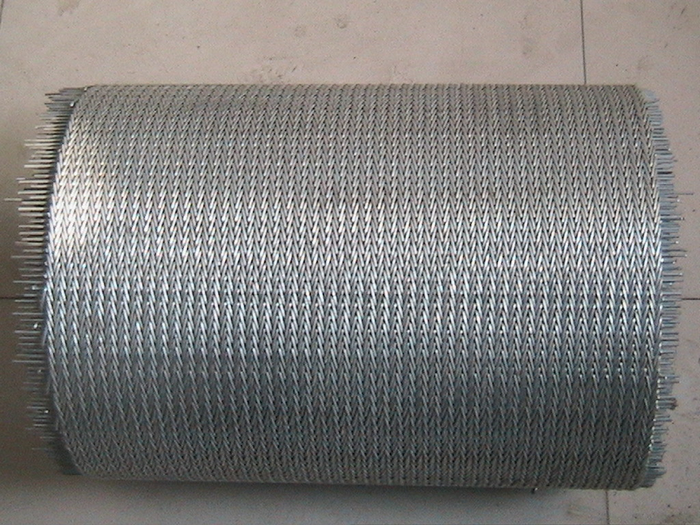
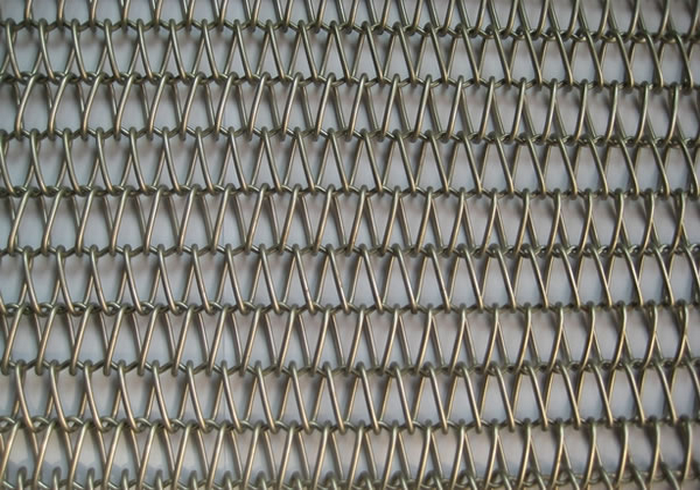
Off-the-shelf containers rarely fit unique product shapes or specialized automated retrieval arms. A partner offering full OEM/ODM support can engineer custom wire mesh solutions—from specific weave patterns for small parts to reinforced structures for heavy loads—ensuring optimal system performance for your specific application.
Supply Chain Reliability & Scalability
Leveraging China's supply chain for component manufacturing offers distinct advantages in cost-effectiveness and production scalability. A established factory can manage large-volume orders for major warehouse rollouts while maintaining consistent quality, supported by clear quality assurance protocols at every production stage.
| Consideration | Generic Supplier | Specialist Manufacturer (e.g., Jinzehong) |
|---|---|---|
| Custom Design for SRS | Limited or none | Full OEM/ODM capability |
| Material & Welding Expertise | May outsource | In-house, with 20+ years focus on wire mesh |
| Quality Control Consistency | Variable | Structured QA process from raw material to shipment |
| Scalability for Large Projects | Can be constrained | Powerful factory with 5000 m² facility supports bulk orders |
automated storage and retrieval bulk storage solutions bulk storage warehouse
Building Trust Through Capability and Proven Execution
For B2B buyers, trust is built on transparency, capability, and a track record of delivering on promises.
Corporate Profile & Operational Capacity
Jinzehong Wire Mesh Products Co., Ltd. operates from the heart of Anping, China's wire mesh hub. Established in 2000, the company's long-term focus on research, development, and production of wire mesh products translates into deep technical knowledge applicable to storage system components. Their 5000 m² facility is equipped to handle significant project volumes.
What International Buyers Value: Clear Commercial Terms
- MOQ (Minimum Order Quantity): Flexible and project-dependent. While standard items may have lower MOQs, custom OEM/ODM designs for storage and retrieval systems are typically quoted based on the project scope to ensure economic viability for both parties.
- Lead Time: A key advantage lies in high-speed delivery pipelines. Standard products can ship within 15-25 days. For custom projects, lead times are clearly defined during the quotation phase, factoring in design finalization, production, and quality checks.
- Customization & Compliance: Full support for custom specifications, including materials (e.g., stainless steel, galvanized wire), mesh size, weave type, and finishing. Products can be manufactured to align with international framework standards. It is the buyer's responsibility to confirm specific certification requirements (e.g., CE marking for machinery components) for their market.
- Logistics & After-Sales: Standard trading terms include FOB (Free On Board) or CIF (Cost, Insurance, and Freight), depending on customer preference. Professional export packaging is used to prevent transit damage. After-sales support includes detailed product documentation and responsive communication for any queries.
Disclaimer on Specifications & Data
All technical parameters, capacities, lead times, and MOQs mentioned are for reference within a commercial context. Final specifications, pricing, and delivery schedules are subject to technical review and will be formally confirmed in the order contract. Please consult directly with the supplier for your project's specific requirements.
Voices from the Field: Feedback from Industry Professionals
"We needed custom wire mesh trays that interfaced perfectly with our new automated retrieval machines in our Kentucky distribution center. The ODM design support was crucial. The trays arrived on schedule, and the quality of the welding and finish has held up with zero failures through six months of 24/5 operation. It made the integration phase much smoother."
– Michael R., Operations Director, Midwestern Logistics Firm, USA
"As a sourcing agent for several European retail brands, I'm tasked with finding reliable component suppliers. We've used Jinzehong for wire mesh dividers in garment storage systems. Their communication is clear, the quality is consistently up to spec, and they handle the compliance documentation well. They've become a go-to for mesh-based storage components."
– Elena V., Sourcing Agent, Benelux Region
"Our project involved a high-bay warehouse for automotive parts. The load-bearing requirements for the mesh shelving inserts were very specific. Their engineering team provided clear calculations and material recommendations. The order was large, but their factory delivered in batches as promised, keeping our construction timeline on track."
– David L., Import Manager, Automotive Aftermarket Supplier, Canada
Your Next Step: From Inquiry to Integrated Solution
Optimizing your warehouse with efficient storage and retrieval systems is a strategic investment. The right component supplier acts as a force multiplier, ensuring the physical infrastructure is as robust and fit-for-purpose as the automation technology itself.
If you are an import manager, brand owner, wholesaler, or sourcing agent evaluating storage system projects, engaging with a specialized manufacturer early in the design phase can prevent compatibility issues and cost overruns later.
Ready to Specify Precise Components for Your Storage System?
Discuss your project requirements, request a quotation for custom wire mesh panels, trays, or dividers, and leverage over two decades of manufacturing expertise.
Contact Jinzehong Wire Mesh Products Co., Ltd. Today:
Tel: +86 15383785666 | Email: ada@jinzehongwiremesh.com
Visit our Contact Page: www.jinzehongmesh.com/contactus.html
Provide your specifications, intended application, and required quantities for a detailed and responsive quote.
Frequently Asked Questions (FAQ)

About the Author: Alex Morgan
Alex is a logistics and warehouse optimization consultant with over 15 years of experience advising medium to large enterprises in North America and Europe on supply chain infrastructure. He focuses on the practical integration of automation technologies and the critical role of high-quality, custom-fitted components in ensuring system longevity and ROI. His writing is based on industry trends and real-world implementation challenges.
Company Info: Anping County Jinzehong Wire Mesh Products Co., Ltd. | Founded: 2000 | Facility: 5000 m² | Location: South Road, 500 meters North of Houzhangzhuang, Anping County, Hengshui City, Hebei Province, China.