Product Description
Product Specification
Material | Stainless steel Carbon steel etc. |
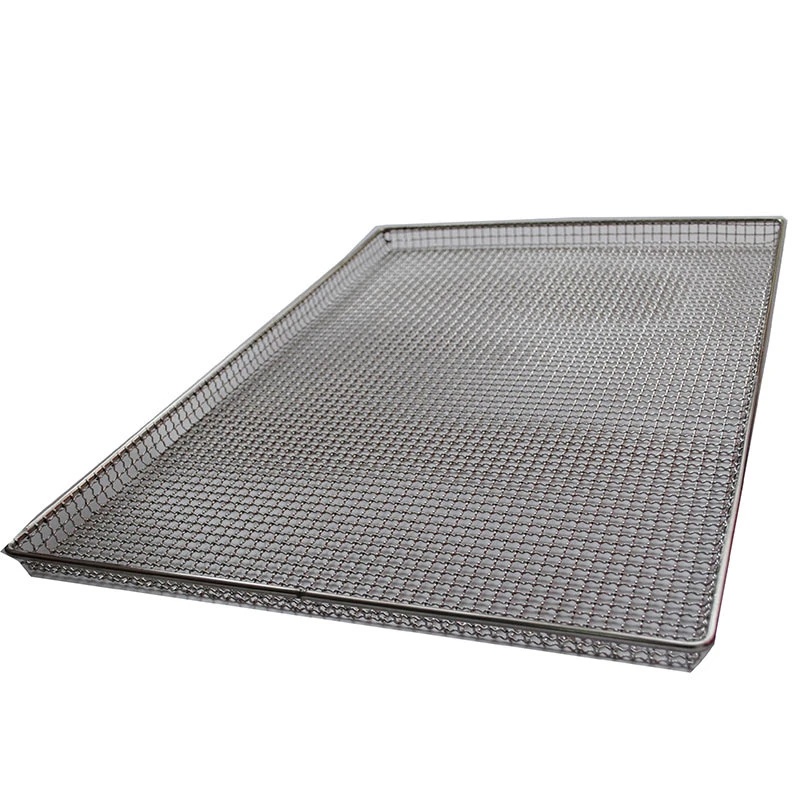
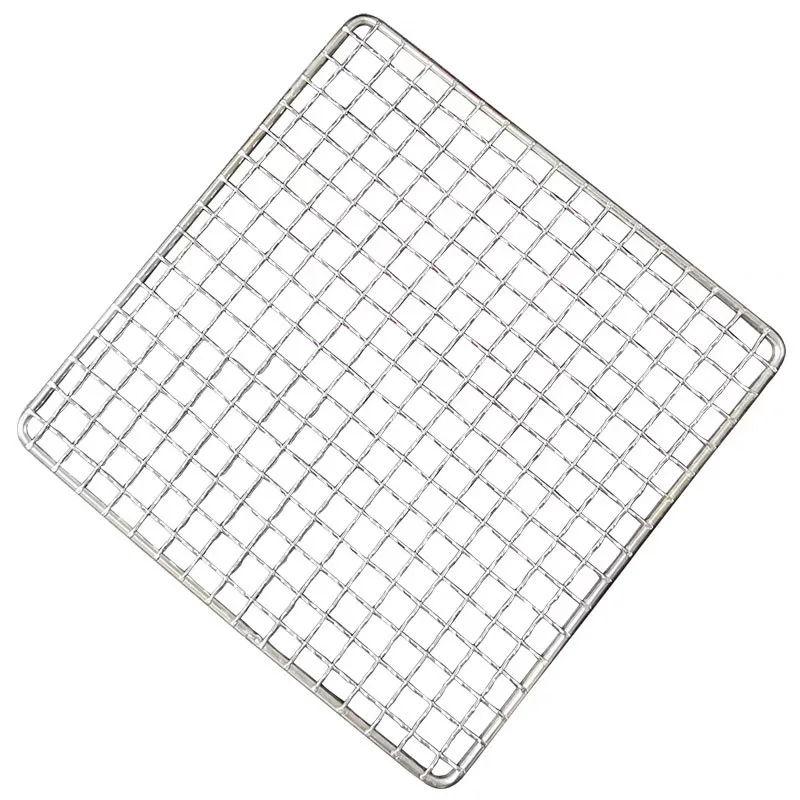
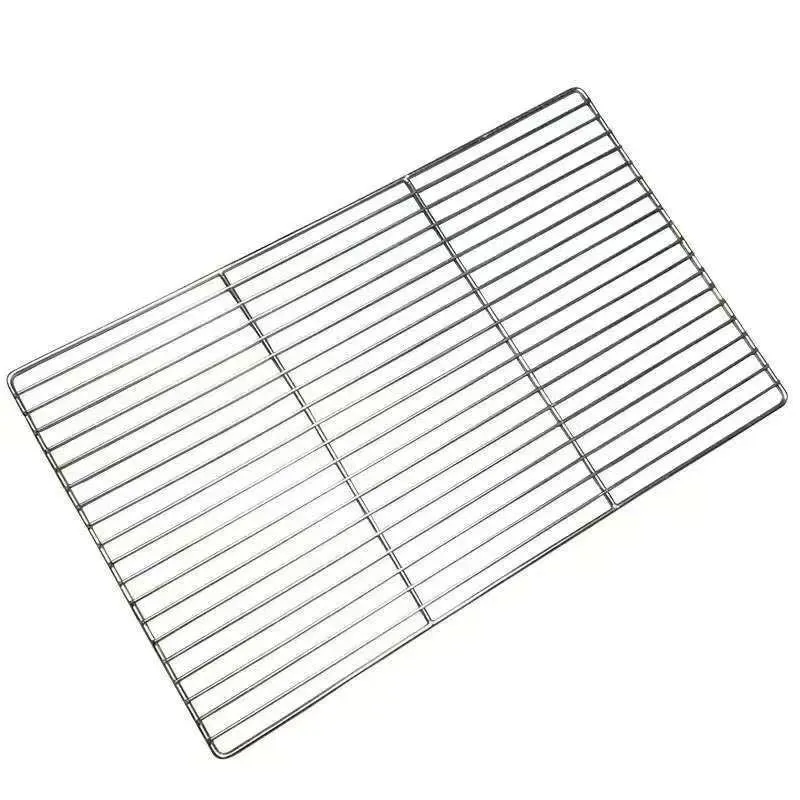
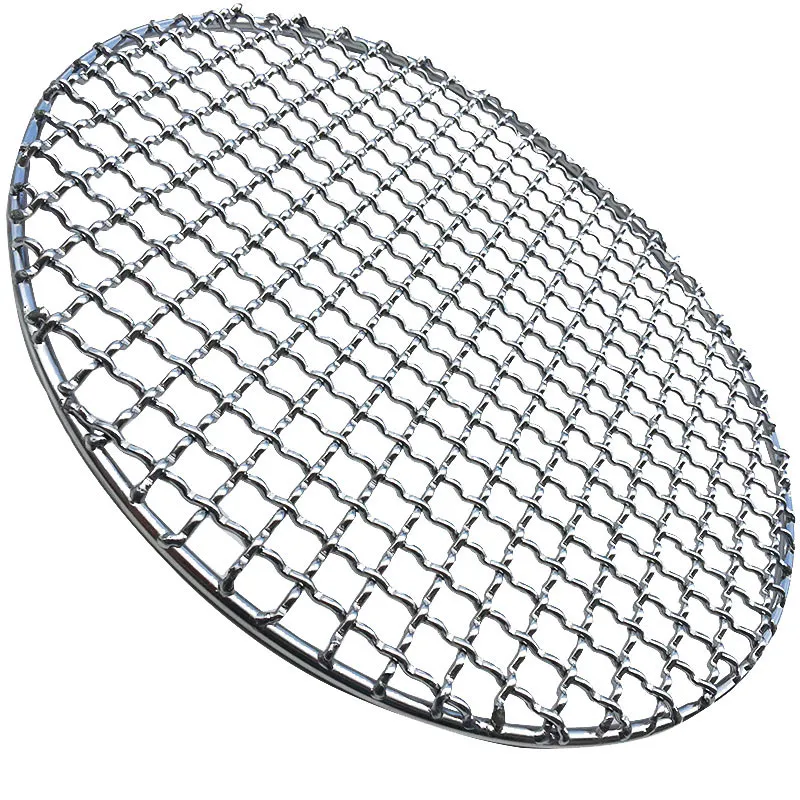
shape | Rectangular Round (customized) |
Wire diameter | 1-6MM |
Hole size | 5-20MM |
surface treatment | Electrolytic polishing, galvanizing, plastic spraying, etc. |
design details | Can add reinforcement handle bottom support |
Does it support customization? | Support customization |
Product Features
Product Application


Product package

Our stock
Choosing the right barbecue net starts with understanding the food being grilled, the heat source, and the conditions in which the product will be used. A suitable BBQ net should provide reliable food support, allow sufficient airflow, and fit securely on the grill. For importers and distributors, these factors also affect product positioning, customer satisfaction, and repeat orders.
Material is the first consideration. Stainless steel barbecue net is worth considering when corrosion resistance and repeated cleaning are priorities. Carbon steel may be suitable for cost-conscious applications, depending on its surface treatment and intended service life. Buyers should confirm the exact material grade and finish before placing an order, especially when the mesh will come into direct contact with food.
Mesh opening and wire diameter are equally important. Smaller openings can help support smaller ingredients, while larger openings provide more open space for airflow and heat exposure. Wire diameter influences rigidity and material consumption. The right combination depends on the size of the grill, the weight of the food, and the required durability.
Shape and dimensions should match the intended equipment. Round barbecue nets may suit circular grills, while rectangular designs can work with compatible portable or commercial grilling systems. Edge construction, handling requirements, and cleaning methods should also be considered.
Jinzehong supplies barbecue mesh options in different materials, shapes, and specifications. By sharing the intended application, required dimensions, preferred material, and target order quantity, buyers can discuss a configuration that fits their product requirements more closely.
Material selection can influence the service life, maintenance requirements, appearance, and total cost of a barbecue net. For wholesale buyers, comparing stainless steel and carbon steel is more useful than evaluating products by price alone. Each material has different characteristics, and the right choice depends on how the mesh will be used.
Stainless steel barbecue net is often preferred for reusable grilling products because of its corrosion resistance and suitability for repeated cleaning. Grade selection matters, however. Stainless steel 304 is a common option for general-purpose applications, while 316 may be considered for environments with greater exposure to chlorides. Neither grade should be selected without checking the actual operating conditions and applicable food-contact requirements.
Carbon steel BBQ net can offer a practical cost advantage for applications where purchase price is a key consideration. Its resistance to corrosion depends on the surface finish or protective treatment. Buyers should confirm whether the product is intended for repeated use or a specific single-use application, rather than assuming that all carbon steel mesh performs in the same way.
Wire diameter, mesh construction, and edge finishing also affect the final product. A well-selected material cannot compensate for an unsuitable opening size, poor fit, or inadequate structural design.
For OEM projects, Jinzehong can discuss barbecue mesh options using stainless steel and carbon steel, subject to the required specification. Before confirming a bulk order, buyers should identify the intended service life, cleaning method, heat exposure, and target market. These details help establish a more appropriate material specification and reduce the risk of choosing a mesh that does not meet actual operating needs.
Mesh opening and wire diameter are two essential specifications when sourcing barbecue net products. Although they may appear to be minor technical details, they influence food support, airflow, structural rigidity, and the amount of material required for manufacturing. Buyers who specify these parameters clearly can compare products more accurately and reduce the risk of receiving a mesh that does not fit their equipment.
Mesh opening determines the spacing between wires. A relatively small opening may be more suitable for smaller ingredients that could fall through a coarse grill surface. Larger openings provide more open area, but their suitability depends on the type and size of food being cooked. The opening should therefore be selected according to the intended application rather than chosen in isolation.
Wire diameter affects strength and stiffness. Thicker wire generally provides greater rigidity, although it can increase product weight and material cost. Thinner wire may help reduce weight, but its performance depends on the mesh structure, overall dimensions, and load requirements. The best specification balances these factors instead of maximizing any single parameter.
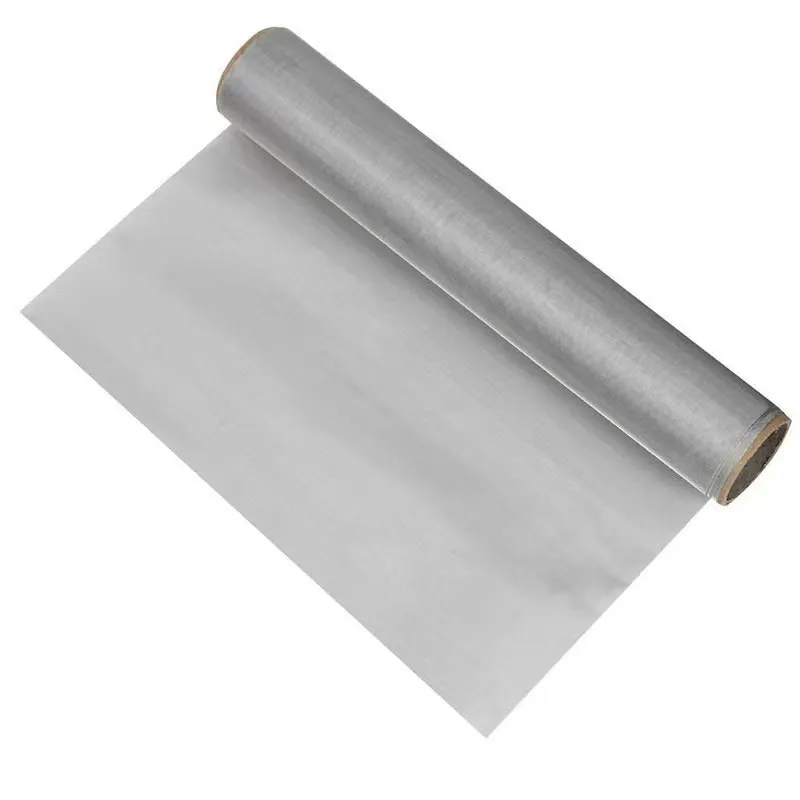
Mesh construction also matters. Woven barbecue wire mesh and welded mesh have different structural characteristics, so buyers should confirm the required construction before requesting quotations.
Jinzehong offers barbecue mesh options with different wire diameters and opening sizes, subject to product configuration. For a more accurate quotation, provide the finished dimensions, material grade, mesh opening, wire diameter, edge treatment, and expected application. For repeat orders, an approved sample or technical drawing can help maintain consistency between batches.
By defining these details in advance, importers and grill manufacturers can evaluate barbecue net products on measurable specifications rather than relying solely on appearance or price.
For wholesalers, importers, and barbecue equipment manufacturers, a standard grill net may not always match the dimensions or design of the finished product. A custom barbecue net provides greater flexibility when developing a private-label range, replacing an existing grill component, or assembling a complete outdoor cooking kit.
Customization can begin with the overall shape and dimensions. Round mesh may be required for circular grills, while rectangular mesh can suit compatible portable grills, commercial cooking equipment, or specific product designs. Buyers can also discuss wire diameter, mesh opening, material selection, and edge construction to achieve the required balance of rigidity, weight, and cost.
For OEM projects, fit is particularly important. The barbecue net should match the supporting frame or grill body without excessive movement or unsupported sections. If the mesh will be incorporated into an existing product, a technical drawing, reference sample, or complete dimensional specification can help clarify the design before production.
Bulk purchasing also requires attention to consistency. Buyers should establish agreed specifications, inspection criteria, packaging requirements, and acceptable tolerances before confirming repeat orders. These measures help reduce discrepancies between samples and production batches.
Jinzehong supports discussions about customized barbecue mesh for different purchasing requirements. Available options depend on the requested material, construction, dimensions, and production feasibility. Importers planning a new product range should also confirm the target market, estimated order quantity, labeling requirements, and any applicable food-contact regulations.
To request a quotation, provide the required shape and dimensions, material, wire diameter, mesh opening, order quantity, and packaging preference. Clear specifications allow Jinzehong to assess the project and discuss a suitable manufacturing solution for wholesale or OEM supply.
Reusable and disposable barbecue nets serve different purchasing needs. Choosing between them depends on the intended use, expected service life, cleaning requirements, material cost, and the type of grill they need to fit. For distributors and retailers, understanding these differences helps build a product range that serves distinct customer groups.
A reusable barbecue net is designed for repeated use when its material and construction are appropriate for the operating conditions. Stainless steel options are often considered for this purpose because of their corrosion resistance and ease of cleaning. Buyers should still evaluate the specific grade, wire thickness, edge finish, and maintenance requirements before deciding whether a product meets their durability expectations.
A disposable BBQ net focuses on convenience and reduced post-use cleaning. It may suit outdoor gatherings, camping trips, temporary cooking setups, or food-service operations where single-use products are preferred. Carbon steel wire mesh is one possible material, depending on the product design and applicable requirements. Buyers should confirm that the material, surface treatment, and construction are suitable for the intended food-contact application.
The purchasing priorities also differ. Reusable products may require closer attention to long-term durability and cleaning performance, while disposable products may place greater emphasis on unit cost, packaging, transport efficiency, and consistent dimensions.
Jinzehong offers barbecue mesh solutions for different applications, including reusable-style mesh options and separately specified disposable grill nets. These products should be evaluated according to their actual construction rather than treated as interchangeable.
For wholesale sourcing, define the intended use first, then compare material, mesh dimensions, expected service life, packaging, and order quantity. This approach helps buyers select a barbecue net that matches customer expectations and the commercial positioning of their product range.
A barbecue net can be used in a range of grilling environments, but different applications place different demands on the mesh. Understanding these requirements helps buyers select the appropriate material, dimensions, and construction for restaurants, outdoor cooking equipment, and consumer barbecue products.
Commercial kitchens and barbecue restaurants may require mesh that supports frequent use and routine cleaning. For these applications, buyers should consider corrosion resistance, structural stability, ease of maintenance, and compatibility with the existing grill. The mesh dimensions should match the cooking equipment, while the wire structure should suit the type and approximate weight of the food being prepared.
Camping and outdoor cooking often prioritize portability, convenient handling, and compatibility with compact grills. Lightweight barbecue mesh may be useful where transport and storage space are limited. However, buyers should confirm that the product is designed for the intended heat source and is stable when installed on the supporting equipment.
Retail BBQ products and grill manufacturers may need standardized dimensions for replacement components, private-label products, or complete barbecue kits. In these cases, consistency between batches and compatibility with the finished grill are particularly important. Packaging requirements may also influence the product dimensions and supply format.
Material selection should reflect the intended service conditions. Stainless steel can be considered for reusable products, while other wire materials may suit specific cost or application requirements. All materials and finishes must be evaluated for their intended use, including applicable food-contact requirements.
Jinzehong works with buyers to discuss barbecue mesh configurations for different applications. When requesting a quotation, specify the intended environment, grill dimensions, preferred material, mesh opening, wire diameter, and estimated order quantity. This information helps establish a more suitable product specification for commercial, outdoor, and wholesale requirements.
Barbecue Mesh Construction and Fittings

From wire thickness and mesh spacing to shape, size, and surface coating, you have full control over how your barbecue network is made. Choose between stainless steel, galvanized steel, or chrome plating depending on your grilling style and hygiene needs. We support OEM and private label options—just send us your drawings or ideas. Our team will work closely with you to finalize specifications and create the perfect mesh for your product line or retail brand. Whether you need embossed logos, branded packaging, or custom handles and hooks, we are here to turn your ideas into reality with speed and precision. Let’s make your BBQ tools as unique as your flavor.

We place safety and quality at the core of every barbecue mesh we produce. Using only certified food-grade materials such as 304 stainless steel and non-toxic coatings, our products comply with global safety regulations. Rigorous testing ensures resistance to high temperatures, corrosion, and deformation under repeated use. Each piece is polished for smooth edges to prevent injury and ensure safe handling during food preparation. Whether you're grilling vegetables, meat, or seafood, our meshes provide stable support and even heat exposure. You can count on us for mesh products that deliver both great grilling performance and peace of mind. With every order, you’ll receive durability, food safety, and expert craftsmanship in one trusted solution.
Hit enter to search or ESC to close