Understanding Silt Fabric: A Comprehensive Guide
What is Silt Fabric?
Silt fabric, also known as geotextile filter fabric or erosion control fabric, is a versatile material used in civil engineering, construction, and environmental protection projects. It's essentially a non-woven synthetic fabric made from polypropylene, designed to filter, retain, and prevent silt, sediment, and soil particles from escaping into water bodies.
Key Uses of Silt Fabric
- Streambank protection
- Construction site erosion control
- Waste containment and leachate control
- Sediment retention during stormwater management
- Reclamation projects
Why Choose Silt Fabric?
The choice of silt fabric over other materials is driven by its unique properties. It offers excellent tensile strength, durability, and flexibility, making it suitable for a wide range of applications. Plus, it's environmentally friendly and cost-effective, making it a smart choice for both professionals and eco-conscious clients.
Environmental Benefits
Silt fabric plays a crucial role in protecting water quality and maintaining ecosystem health. By trapping silt and sediment, it prevents them from entering rivers, lakes, and coastal areas, which can lead to water pollution and habitat destruction.
Product Specifications and Technical Table
| Product Specifications | Description |
|---|---|
| Material | High-density polypropylene |
| Weight (g/m²) | 250 - 1000 |
| Thickness (mm) | 0.8 - 4.0 |
| Width (m) | 5.0 - 10.0 |
| Color | Black, Green, or Customizable |
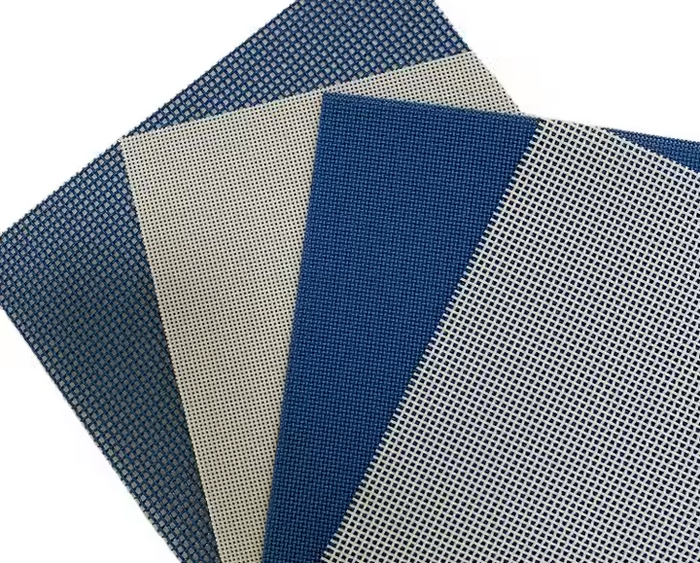
stainless mesh fabric fabric fence privacy fabric chain link fence
Application Process: A Step-by-Step Guide
Applying silt fabric is a straightforward process that ensures optimal performance and long-lasting results. Here's a step-by-step guide to help you get started:
Step 1: Site Preparation
Begin by preparing the site, ensuring it's clean and free of debris. This step is crucial for the silt fabric to adhere properly and function effectively.
Step 2: Lay the Fabric
Unroll the silt fabric along the designated area, ensuring it's tight and free of wrinkles. It's important to lay the fabric evenly and without gaps to achieve maximum sediment retention.

Step 3: Secure the Fabric
Secure the silt fabric using stainless steel staples or pins at regular intervals, ensuring it stays in place even during harsh weather conditions.
Step 4: Overlap Edges
Overlap the edges of the silt fabric to create a barrier against silt and sediment movement. The overlap should be at least 6 inches to ensure proper protection.
Step 5: Cover with Soil or Gravel
Once the silt fabric is securely in place, cover it with a layer of soil or gravel to protect it from damage and improve its aesthetic appeal.
Case Study: Successful Silt Fabric Installation
A recent project in a river restoration project in the Midwest showcased the effectiveness of silt fabric. The project aimed to reduce sedimentation in the river and improve water quality. After installing the silt fabric, water quality tests showed a significant decrease in silt and sediment levels, demonstrating the fabric's effectiveness in achieving its intended goals.
Conclusion
Silt fabric is a powerful tool in the fight against sedimentation and erosion. Its versatility, durability, and environmental benefits make it a smart choice for a wide range of applications. By following the steps outlined in this guide, you can ensure successful installation and enjoy the long-lasting protection it offers. At Jinzehong Wire Mesh Products Co., Ltd., we are committed to providing high-quality silt fabric solutions to meet your unique needs. Contact us today to learn more and get started on your next project!
Call to Action
Ready to incorporate silt fabric into your project? Contact Jinzehong Wire Mesh Products Co., Ltd. at +86 15383785666 or ada@jinzehongwiremesh.com. Our team is ready to assist you with all your silt fabric needs. Visit our contact page for more information.