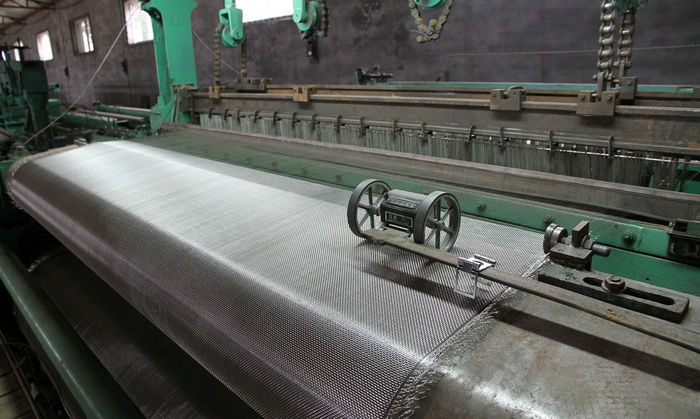
Geosynthetic Fabric: A Foundation for Sustainable Construction
Introduction to Geosynthetic Fabrics
Have you ever wondered what makes modern infrastructure projects both resilient and environmentally friendly? Well, geosynthetic fabrics might just be the unsung heroes of the construction industry. These innovative materials are not only changing the way we build but also making our planet greener one project at a time.
Understanding the Basics
Geosynthetic fabrics are synthetic materials used in civil engineering, earthworks, and other applications where the interaction of the material with soil or aggregate is a critical factor. They are designed to provide various functionalities, such as reinforcing, stabilizing, and separating.
Product Specifications and Technical Table
| Property | Unit | Value |
|---|---|---|
| Tensile Strength | N/m | 6000 |
| Elongation at Break | % | 15-20 |
| Thermal Stability | °C | -70 to +110 |
| UV Resistance | High | |
| Water Absorption | % | <0.1 |
Types of Geosynthetic Fabrics
The geosynthetic fabric market is diverse, offering various types to cater to different construction needs. Here are some common types:
- Geotextiles: Used for separation, filtration, and drainage. Think of them as the screeners of the construction world, separating different layers of soil or materials to ensure a smooth construction process.
- Geogrids: These are designed for reinforcement. Think of a geogrid as a sturdy net that adds tensile strength to soil and increases its load-bearing capacity.
- Geosynthetic Clay Liners (GCLs): Used in lining landfills, waste containment systems, and ponds to prevent environmental contamination. These are like a waterproof blanket that protects what's beneath and around it.
Real-World Examples
stainless mesh fabric fabric fence privacy fabric chain link fence
Imagine a highway being built. The soil beneath it needs to support heavy traffic loads over long periods. Here, geogrids come into play. They reinforce the soil, making the roadbed more durable and reducing the potential for future repairs.
Or consider a riverbank erosion issue. By using geotextiles, engineers can create a stable barrier that allows water to flow without eroding the bank, preserving the natural habitat and preventing costly damage to the surrounding area.
Environmental Benefits
The environmental benefits of geosynthetic fabrics are numerous. By reducing the need for excavation and providing better soil stability, they can lead to significant resource savings and less environmental disruption. They're also designed to be recyclable, ensuring a smaller environmental footprint over time.
How Geosynthetic Fabrics are Made
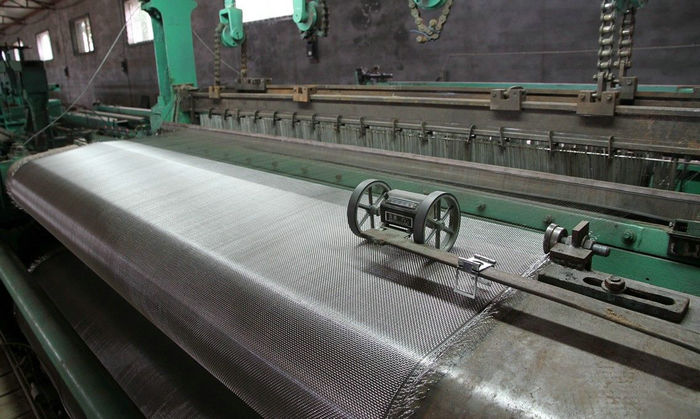
The process of creating geosynthetic fabrics is quite fascinating. It starts with the selection of the base material, usually high-density polyethylene (HDPE), which is then processed through various stages to form the desired fabric structure.
Conclusion
In a world where sustainable construction is becoming more critical than ever, geosynthetic fabrics are stepping up to the plate. By providing solutions that enhance performance, durability, and environmental sustainability, these materials are setting the stage for the construction of tomorrow.
If you're in the market for high-quality geosynthetic fabrics, look no further than Jinzehong Wire Mesh Products Co., Ltd. We are committed to delivering top-notch materials that will stand the test of time. Get in touch with us today and be part of the green construction movement.