Pond Filter Mesh: A Comprehensive Guide for B2B Buyers
For import managers, wholesalers, and brand owners sourcing filtration solutions, selecting the right pond filter mesh is a critical technical and commercial decision. This guide details key material properties, compliance standards, and sourcing strategies to ensure product longevity, system efficiency, and supply chain reliability for water management projects.
Industry Pain Points in Sourcing Filtration Media
B2B buyers often encounter significant challenges when procuring filtration mesh, which can impact project timelines, budgets, and end-user satisfaction.
- Inconsistent Material Quality: Variations in wire diameter, alloy composition, and weave consistency lead to premature clogging, tearing, or inefficient filtration, resulting in product returns and brand damage.
- Unverified Compliance & Durability: Mesh that fails to meet specific corrosion resistance (e.g., for saline or high-nutrient water) or lacks verifiable certifications can cause system failure and liability issues.
- Supply Chain Inefficiency: Unreliable lead times, poor communication, and inflexible minimum order quantities (MOQ) disrupt inventory planning and project schedules.
- Limited Customization Support: Off-the-shelf sizes and weaves often don't match specialized equipment or unique filtration stages, forcing engineering compromises.
Technical Solutions: Engineered Pond Filter Mesh
High-performance pond filter mesh is not a commodity but a precision-engineered component. The solution lies in precise specifications and controlled manufacturing.
Core Material & Weave Specifications
Performance is dictated by material science and fabrication technique. Key parameters include:
| Parameter | Common Options & Impact | Typical Application |
|---|---|---|
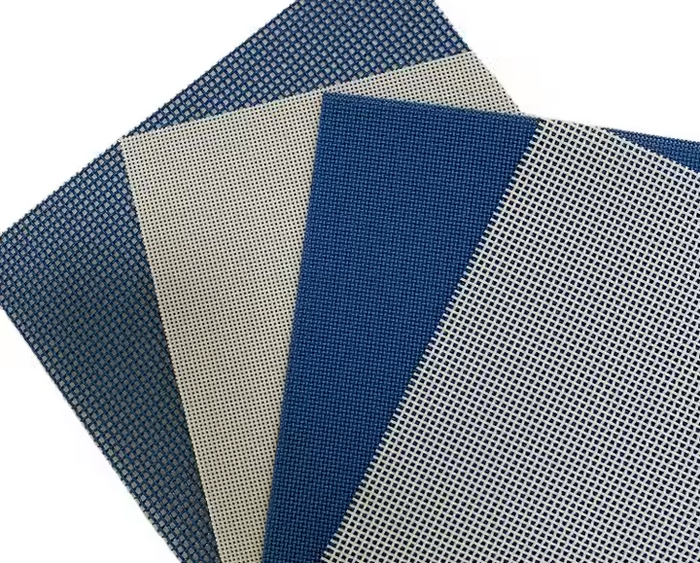
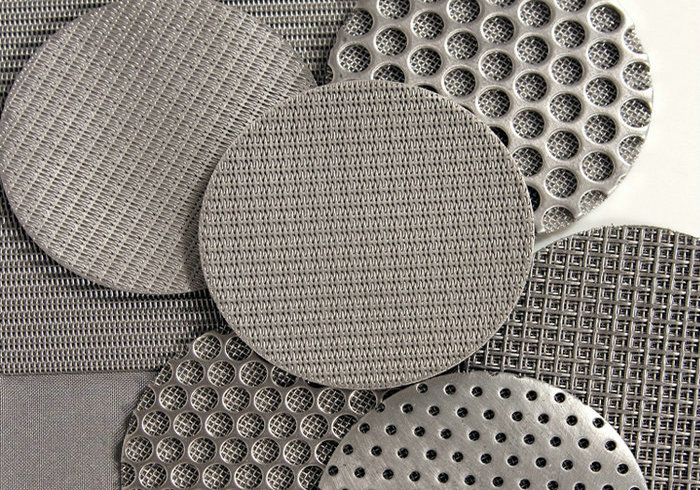
| Primary Material | Stainless Steel 304/316: Superior corrosion resistance. Polyester/Nylon: Cost-effective for pre-filters. Coated Welded Wire: Combines strength with coating for specific chemical resistance. | 316L SS for saltwater ponds; Polyester for intake screens; PVC-coated for decorative water features. |
| Mesh Count & Micron Rating | Measured in microns (µm) or mesh (openings per inch). Finer meshes (e.g., 100µm) trap algae; coarser meshes (e.g., 2000µm) handle debris. | Multi-stage filtration systems use progressively finer meshes. |
| Weave Type | Plain Weave: Standard stability. Twill Dutch Weave: High strength, fine filtration. Welded Mesh: Rigid structure for support screens. | Dutch weave for pressure filters; Welded mesh for mechanical drum filters. |
pond mesh wire mesh water filter filtration mesh for water treatment
Compliance & Certification for Market Access
Ensuring regulatory compliance is non-negotiable for successful import and resale. Key standards include:
- Material Safety: For meshes in contact with water in aquaculture or ornamental ponds, RoHS compliance ensures restrictions on hazardous substances. Suppliers should provide Material Certificates.
- Quality Management: A manufacturer certified to ISO 9001:2015 demonstrates consistent control over production processes, crucial for batch-to-batch uniformity.
- Industry-Specific Standards: While not always mandatory for the mesh itself, understanding end-use standards (e.g., for construction or specific equipment) is vital for positioning your product.
Disclaimer: Specific certification requirements vary by country and application. Always verify the necessary compliance for your target market. Product specifications are subject to change; please refer to the actual order confirmation.
Why Partner with a Specialized Manufacturer: The Jinzehong Model
Choosing a partner like Jinzehong Wire Mesh Products Co., Ltd. translates technical specifications into reliable, commercial-grade products. Founded in 2000 and based in Anping, China, their focus on wire mesh provides a distinct advantage for B2B buyers.
Integrated Supply Chain Advantages
- Vertical Manufacturing Control: Operating from a 5,000 m² facility allows direct oversight from raw material selection to finished mesh, ensuring quality consistency and cost efficiency.
- Engineering-Led OEM/ODM Support: Their team can adapt weaves, edge treatments (selvedge, hemmed), and dimensions to integrate seamlessly with your filter housing or branded product line.
- Scalable Capacity & Agile Logistics: With established material pipelines and production lines, they balance large-volume orders with flexible runs for testing or niche products, facilitating both FOB and CIF terms.
Commercial Terms for Strategic Sourcing
Clear terms are the foundation of a sustainable partnership. A professional supplier provides transparency:
- Minimum Order Quantity (MOQ): Typically negotiable based on material and complexity. Sample orders are encouraged for quality verification.
- Lead Time: Ranges from 15-30 days for standard items to longer for complex customizations. Factors include order volume, weave complexity, and finishing requirements.
- Packaging & Logistics: Export-standard packaging (wooden crates, pallets) is used to prevent transit damage. The supplier assists with documentation for smooth customs clearance.
- Quality Assurance Process: In-process checks and final inspection against agreed specifications (e.g., mesh count, tensile strength, material grade) are standard before shipment.
Trust Endorsement: Voices from the Industry
Real feedback from professionals highlights the practical value of a reliable supply partnership.
"We switched to Jinzehong for the stainless steel mesh in our commercial koi pond filters two years ago. The consistency in the 316L quality is what stands out. We've had zero corrosion-related failures since, which has drastically reduced our warranty claims. Their technical team also helped us adjust the weave pattern for better flow rates."
— Michael R., Procurement Director, Aquatic Systems Inc., Florida, USA
"As a sourcing agent for European garden product brands, I need suppliers who understand ODM requirements. Jinzehong successfully replicated a complex welded and powder-coated filter basket based on our client's drawings. The project management was communicative, and they met the critical path timeline."
— Sofia L., Sourcing Agent, Netherlands

"Our volume orders for municipal water feature maintenance require on-time delivery. This supplier's logistics coordination is reliable. The mesh is consistently packed well, and we have clear documentation for every shipment, simplifying our import process."
— David K., Import Manager, Landscape Supply Co., UK
Next Step: Request Your Technical Consultation & Quotation
Optimizing your pond filter mesh supply requires precise alignment of specifications, volume, and logistics.
Actionable Step: To obtain a formal quotation and discuss your specific OEM/ODM needs, prepare the following details for an efficient consultation:
- Target application (e.g., pre-filter, drum filter, decorative pond)
- Required material grade and micron/mesh size
- Sample, prototype, or annual volume estimates
- Target port of destination for shipping terms
Contact Jinzehong Wire Mesh for a direct discussion:
Email: ada@jinzehongwiremesh.com | Tel: +86 15383785666
Visit the Contact Page for More Information
About the Author

Alex Morgan is a water treatment and filtration systems consultant with over 15 years of experience in product development and global supply chain management for the aquaculture and ornamental water feature industries. He has collaborated with manufacturers and distributors worldwide to specify and source precision filtration components that meet both performance and regulatory standards.
FAQ: Sourcing Pond Filter Mesh
What is the typical lead time for a custom pond filter mesh order?
For custom specifications, standard lead times range from 20 to 35 days after final design and material confirmation. This includes production, quality checks, and preparation for shipment. Rush orders may be accommodated based on factory capacity.
Do you provide free samples for evaluation?
Yes, sample pieces of standard mesh products are typically available for quality and specification verification. For fully custom ODM designs, a sample fee may apply, which is often credited against a future bulk order.
How do I choose between stainless steel and synthetic mesh?
The choice depends on the application. Stainless steel (304/316) offers superior durability, chemical resistance, and is ideal for high-pressure or long-lifecycle systems. Synthetic meshes (polyester, nylon) are lightweight, cost-effective for replaceable pre-filters, and offer excellent fine-filtration options. Discuss your specific water chemistry and mechanical requirements with your supplier.
What certifications should I ask for from my mesh supplier?
At a minimum, request a Material Certificate (Mill Test Certificate) for metal alloys or polymer grades. A ISO 9001:2015 certificate from the manufacturer indicates a managed quality system. For specific markets, inquire about RoHS compliance documentation. Always verify that certifications are current and valid.
What are the standard packaging options for export?
Mesh rolls are typically wound on cardboard or plastic tubes and wrapped in plastic film. They are then packed in strong cartons or, for larger/heavy rolls, secured on wooden pallets and crated. Proper packaging is crucial to prevent deformation and corrosion during transit.
Company Info: Jinzehong Wire Mesh Products Co., Ltd. | Founded: 2000 | Location: South Road, 500 meters North of Houzhangzhuang, Anping County, Hengshui City, Hebei Province, China.
Disclaimer: All technical data, specifications, lead times, and commercial terms provided herein are for informational purposes and are subject to change. Final product specifications and terms will be confirmed in the official sales contract or order confirmation. It is the buyer's responsibility to ensure the product meets all applicable regulations in their target market.