Micron Mesh Filter: A Technical Guide for Industrial Sourcing & Procurement
For import managers, brand owners, and sourcing agents seeking reliable micron mesh filters, the core challenge often lies in balancing precise filtration specifications with consistent quality, cost-effectiveness, and dependable supply chain logistics. This guide details how precision-engineered wire mesh filters, backed by robust manufacturing and quality assurance protocols, address these critical B2B procurement needs across industries from pharmaceuticals to food processing.
Industry Pain Points in Precision Filtration Sourcing
Procurement professionals face several consistent challenges when sourcing micron-rated filter mesh:
- Inconsistent Quality & Performance: Variability in wire diameter, weave uniformity, and aperture size can lead to product failure, contamination risks, and costly production downtime.
- Unclear Technical Specifications: Lack of detailed data on mesh count, micron rating, material grade, and filtration efficiency makes accurate product matching difficult.
- Long Lead Times & Supply Chain Fragility: Unreliable delivery schedules disrupt inventory planning and production timelines.
- Limited Customization Support: Standard offerings may not fit unique application requirements for size, shape, or material compatibility.
- Compliance and Certification Gaps: Products lacking verifiable certifications (e.g., ISO, FDA, RoHS) create barriers for regulated markets.
The Precision Solution: Engineered Micron Mesh Filters
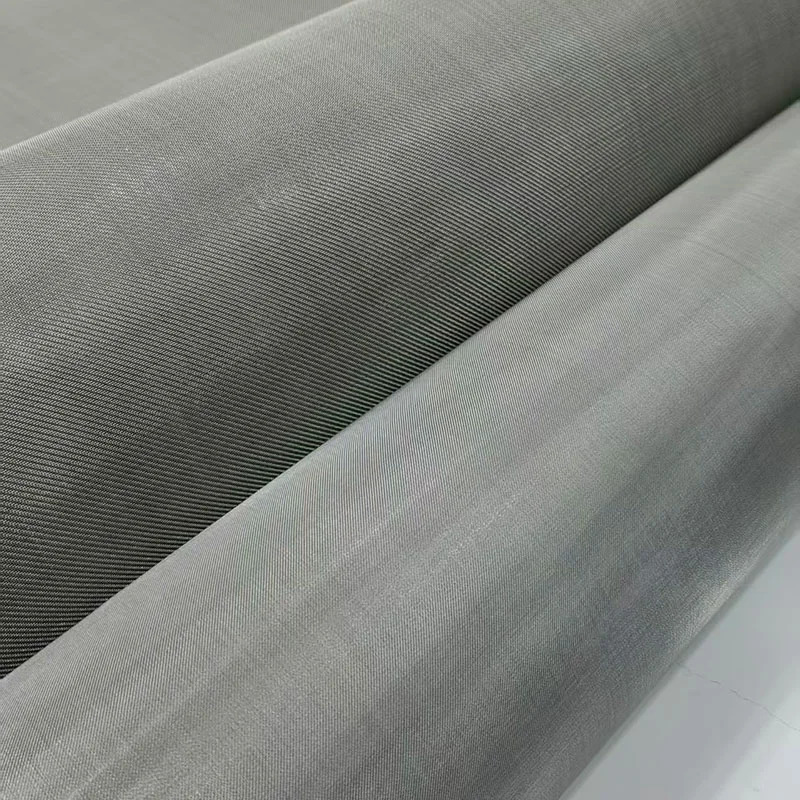
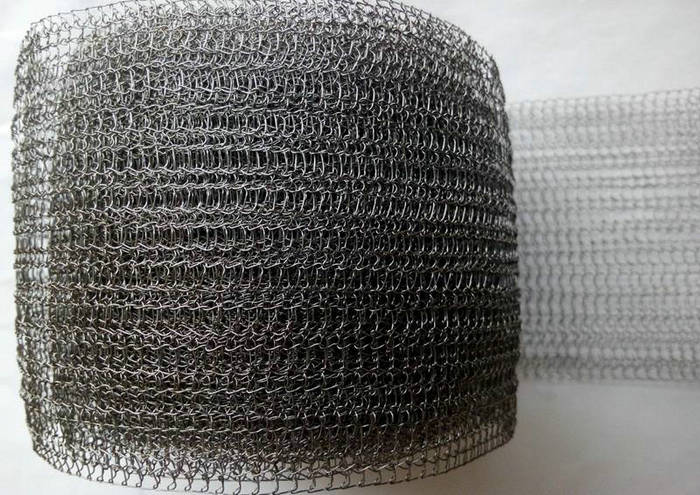
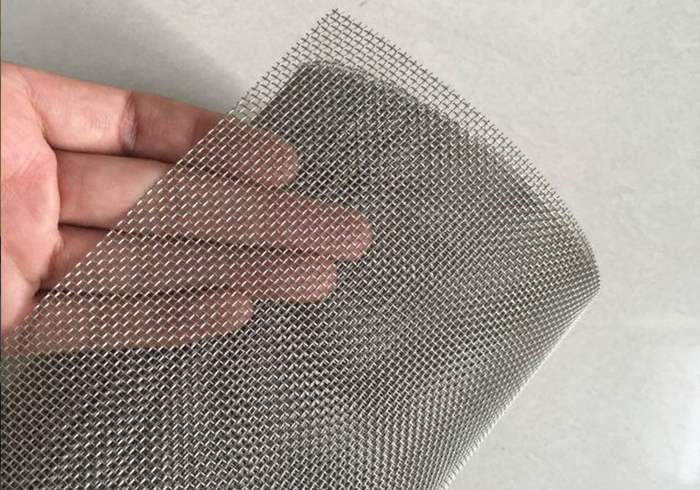
A micron mesh filter is a screen fabricated from wires woven to create precise, uniform openings. The filtration capability is defined by the nominal aperture size (in microns, µm) or the mesh count (openings per linear inch). These filters are critical for separation, sifting, straining, and sizing in countless industrial processes.
Core Technical Parameters & Materials
Understanding these specifications is key to selecting the right filter:
- Material: Most common is Stainless Steel 304 (AISI 304) for general corrosion resistance. Stainless Steel 316 is used for enhanced resistance to chlorides and acids. Other options include brass and nickel alloys.
- Mesh Count: Ranges from coarse (e.g., 5 mesh) to very fine (e.g., 500 mesh). Higher mesh count generally indicates smaller openings.
- Micron Rating (µm): The nominal size of openings. Critical for applications requiring absolute particle retention.
- Weave Type: Plain Weave (standard, most common), Twill Weave (for heavier wires and smoother surface), and Dutch Weave (for fine filtration with high strength).
- Wire Diameter: Affects strength, flow rate, and clogging resistance.
| Mesh Count | Nominal Micron Rating (µm)* | Wire Diameter (mm)* | Typical Application |
|---|---|---|---|
| 30 | 595 | 0.315 | Coarse screening, gravel |
| 100 | 149 | 0.102 | Powder sifting, irrigation |
| 200 | 74 | 0.061 | Fine powder, filtration |
| 325 | 44 | 0.036 | High-precision filtration |
| 400 | 37 | 0.025 | Pharmaceutical, specialty chemicals |
*The values in this table are for reference based on standard plain weave stainless steel wire cloth. Actual specifications may vary. Please refer to the technical data sheet provided with your order confirmation.
Why Source Micron Mesh Filters from Jinzehong Wire Mesh
Anping County Jinzehong Wire Mesh Products Co., Ltd. addresses the core pain points through integrated manufacturing and service capabilities.
Integrated Manufacturing & Quality Assurance
With a factory covering 5,000 m² in Anping, China, and expertise dating back to 2000, Jinzehong controls the production process from raw material sourcing to final inspection. This vertical integration ensures consistency.
- In-house Weaving & Calibration: Advanced looms and laser measurement systems maintain precise aperture tolerance.
- Material Verification: Raw material batches are checked for grade compliance (e.g., SS 304/316).
- Dimensional & Visual Inspection: Every batch undergoes checks for mesh count, wire diameter, and surface defects.
Comprehensive OEM/ODM Design Support
We provide more than just standard products. Our engineering team supports:
- Custom Specifications: Non-standard sizes, shapes (discs, cylinders, cones), and edge treatments (hemmed, welded frame).
- Material Selection Guidance: Advice on alloy selection for specific chemical or temperature environments.
- Prototype Development: Sample production for testing and validation before bulk orders.
Streamlined Logistics & Supply Chain Transparency
Understanding the need for predictability in global trade:
- Standard Lead Time: For common specifications, production lead time is typically 15-25 working days after order confirmation and deposit.
- MOQ Flexibility: Minimum Order Quantity is often negotiable, especially for OEM projects, starting from smaller trial quantities.
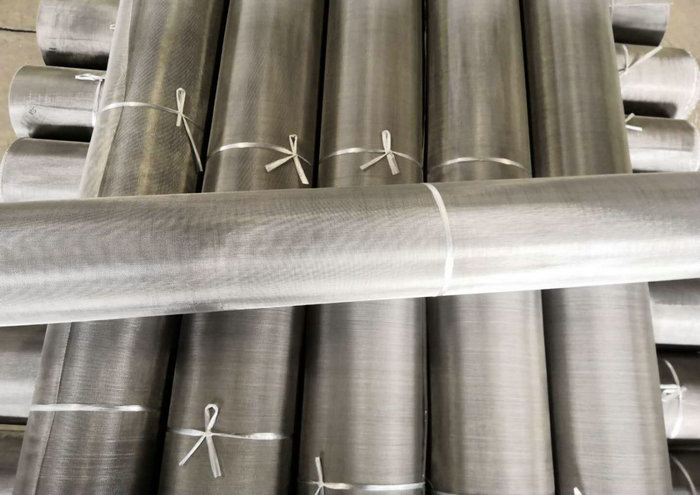
- Packaging: Standard export packaging includes plastic wrap, cardboard cores for rolls, and wooden crates for rigid filters to prevent damage.
- Shipping Terms: Standard FOB (Free On Board) from Chinese ports like Tianjin or Shanghai. CIF (Cost, Insurance, and Freight) to major destination ports can be arranged upon request.
Compliance & Certifications
Our production systems and products align with international standards, facilitating market access:
- ISO 9001:2015: Certified Quality Management System ensures process control.
- Material Compliance: Wire materials can be supplied with mill test certificates. Filters can be produced to meet RoHS directives and FDA guidelines for food contact applications (subject to specific alloy and finish).
- Traceability: Batch tracking is available for critical applications.
Trust & Endorsement: What Our Partners Say
Feedback from global procurement teams and engineers.
"We source 200-mesh stainless filters for our chemical processing units. Jinzehong's consistency in aperture size is what stands out. Their technical drawings are accurate, and the filters fit perfectly into our assemblies. The QA documentation provided with each shipment simplifies our incoming inspection."
filter mesh sizes wire mesh water filter 50 micron mesh
Michael R.
Procurement Manager, Industrial Equipment Manufacturer, USA
"As a brand owner in the specialty coffee equipment sector, we needed a custom-shaped, fine micron mesh screen for a new grinder. Jinzehong's ODM team worked closely with our engineers through 3 prototype iterations. The final product met all our performance specs, and their pricing allowed us to maintain our target margins."
Sarah L.
Product Development Lead, Gourmet Kitchenware Brand, Canada
"We act as a sourcing agent for several European automotive suppliers. Lead time reliability is non-negotiable. For the past two years, Jinzehong has been our go-to for precision wire mesh filters. Their communication on production status is proactive, and they've never missed a shipping deadline, which keeps our clients' JIT systems running."
David K.
Sourcing Director, Trading Agency, Germany
Clear Next Steps for Your Procurement Process
To move forward with evaluating Jinzehong as your micron mesh filter supplier, we recommend the following actionable steps:
- Define Your Specifications: Gather details on material, micron rating/mesh count, dimensions, thickness, and any special requirements (e.g., heat treatment, edge finish).
- Request a Detailed Quotation: Contact us with your specs to receive a formal quote including FOB/CIF pricing, lead time, and payment terms (typically T/T, 30% deposit, 70% before shipment).
- Request Samples: For standard items, sample rolls or pieces can be provided for your quality and performance testing.
- Engage in Technical Discussion: For custom/OEM projects, schedule a call or exchange emails with our engineering team to finalize drawings and prototypes.
Ready to Source Reliable Micron Mesh Filters?
Contact our sales and engineering team today for a competitive quotation and technical consultation.
Jinzehong Wire Mesh Products Co., Ltd.
Tel: +86 15383785666 | Email: ada@jinzehongwiremesh.com
Add: South Road, 500 meters North of Houzhangzhuang, Anping County, Hengshui City, Hebei Province, China
Visit Our Contact Page
Frequently Asked Questions (FAQ)
Q: How do I convert between mesh count and micron rating?
A: There is no universal, precise formula as it depends on wire diameter. A 100-mesh screen is approximately 149 microns, but this is nominal. Always consult a detailed mesh vs. micron conversion chart from your supplier and specify the micron rating as the critical parameter for filtration applications.
Q: What is the difference between "plain weave" and "Dutch weave" for micron filters?
A: Plain weave has wires that pass over and under each other alternately, creating square openings. Dutch weave uses a thicker warp wire and a thinner weft wire, woven tightly to create a tapered, wedge-shaped opening. Dutch weave offers higher strength and finer filtration for a given thickness but may have a lower flow rate.
Q: Can you provide filters with a certified absolute micron rating?
A: We produce filters to precise nominal micron ratings. For an absolute micron rating (guaranteeing no particle larger than the rating passes), specific bubble-point or particle challenge testing is required, often conducted by the end-user or a third-party lab on the finished filter element. We can supply the raw mesh with tight tolerance to facilitate this.
Q: What are the standard forms you supply micron mesh in?
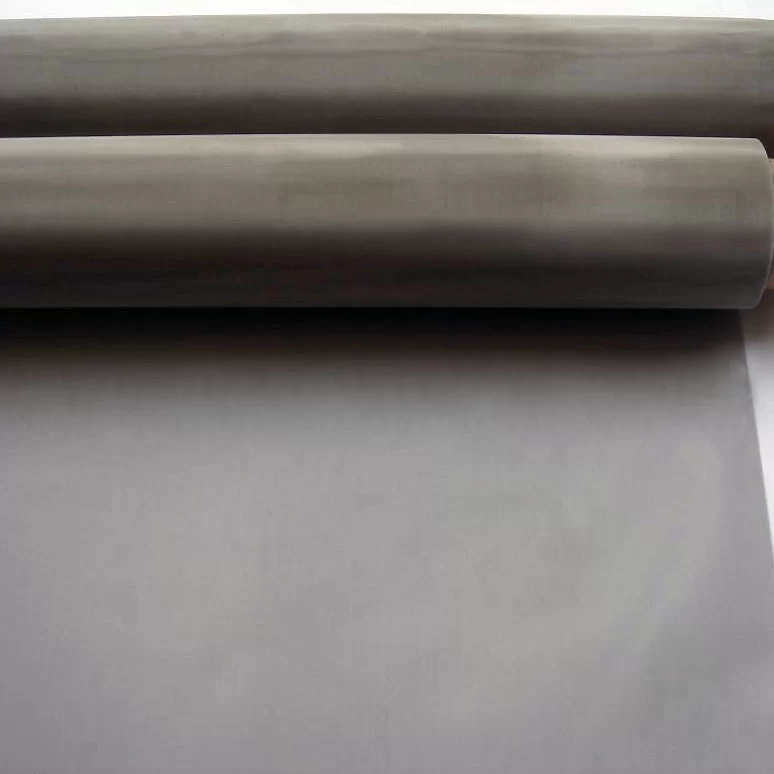
A: We typically supply in rolls (standard widths from 1m to 2m, lengths as required), flat sheets, or custom-fabricated parts (like discs, cylinders, or welded panels). The form depends on your application and subsequent manufacturing process.
Q: What information do I need to provide for an accurate quote?
A: Please provide: 1) Material Type (e.g., SS 304), 2) Mesh Count or Target Micron Rating, 3) Wire Diameter (if known), 4) Dimensions (Width x Length for rolls/sheets, or detailed drawing for parts), 5) Quantity, and 6) Any special requirements (e.g., heat treatment, edge finish, certification needs).
Author Bio: This guide was authored by Alex Carter, Senior Filtration Engineer with over 12 years of experience in precision wire mesh design and application at Jinzehong Wire Mesh. Alex specializes in translating complex client filtration requirements into manufacturable, high-performance mesh solutions.

Disclaimer: The technical data, specifications, and lead times provided in this article are for informational purposes. Final product specifications, pricing, MOQ, and delivery schedules are subject to change and will be confirmed in the official sales contract or proforma invoice. Always verify compliance requirements for your specific target market.