Precision Parts Cleaning for Medical Devices: A Critical Guide for OEMs & Sourcing Teams
For import managers, brand owners, and sourcing agents in the medical device sector, finding a reliable supplier for parts cleaning for medical devices is a critical yet challenging procurement task. This process goes beyond simple washing; it demands specialized equipment, stringent compliance, and consistent high-volume output. This guide addresses your core questions about specifications, certifications, lead times, and how a partner with deep manufacturing expertise can de-risk your supply chain while ensuring the cleanliness and sterility your end-products require.
Industry Pain Points in Sourcing Medical Device Cleaning Components
Procuring components for medical cleaning systems is fraught with specific challenges that can impact production timelines, product quality, and regulatory compliance.
- Inconsistent Material Quality: Sub-standard metals or plastics can corrode, shed particulates, or fail under repeated sterilization cycles (e.g., autoclaving, chemical baths), contaminating the cleaning process itself.
- Non-Compliant Manufacturing: Suppliers lacking ISO 13485 or familiarity with FDA 21 CFR Part 820 quality system requirements may produce parts that fail audits or cause regulatory delays.
- Poor Design for Cleanability: Components with hard-to-clean crevices, unsuitable surface finishes (Ra value), or inappropriate material grades (e.g., 316L vs. 304 stainless steel) become contamination hotspots.
- Unreliable Volume & Delivery: Fluctuating capacity and extended lead times from suppliers disrupt just-in-time manufacturing schedules for critical medical equipment.
- Limited Customization Support: Off-the-shelf parts often don't fit proprietary cleaning chamber designs, necessitating flexible OEM/ODM engineering support.
Engineered Solutions: Precision Components for Demanding Cleaning Applications
cleaning electronic circuit boards sterilization tray for surgical instruments stainless steel hand sanitizer dispenser
Effective parts cleaning systems—whether ultrasonic, spray-through, or immersion-based—rely on precision-engineered components. These are not commodity items but specialized parts that ensure process integrity.
Core Product Categories & Applications
| Component Type | Typical Material | Key Application in Cleaning Systems | Critical Parameters |
|---|---|---|---|
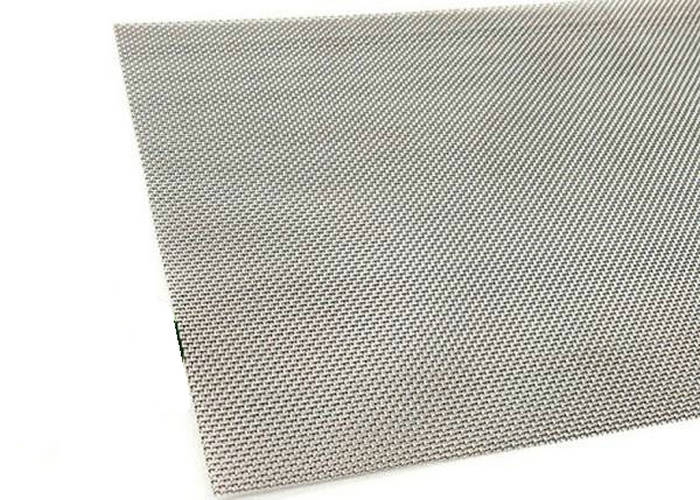
| Process Baskets & Trays | AISI 316L Stainless Steel | Holding surgical instruments, implants, or device components during ultrasonic or washer-disinfector cycles. | Mesh aperture size, wire diameter, open area %, passivation finish, load capacity. |
| Spray Nozzle Guards & Filters | 304 SS, Plastics (PPS, PEEK) | Protecting spray mechanisms from debris; filtering cleaning fluids in recirculating systems. | Filtration rating (µm), pressure drop, chemical compatibility, clean-in-place (CIP) capability. |
| Custom Fixtures & Racks | 316 SS, Anodized Aluminum | Securing specific, delicate parts to prevent damage and ensure full fluid contact during cleaning. | CAD-driven design, weld integrity, surface roughness (Ra < 0.8 µm). |
Note: All specifications are for reference. Final technical parameters are subject to project-specific validation and order confirmation.
Advantages of Partnering with a Specialized Manufacturing Facility
Jinzehong Wire Mesh Products Co., Ltd. leverages over two decades of precision metal fabrication to address the exacting needs of medical device cleaning. Here’s how this translates into tangible benefits for your procurement strategy.
Integrated Manufacturing & Quality Assurance
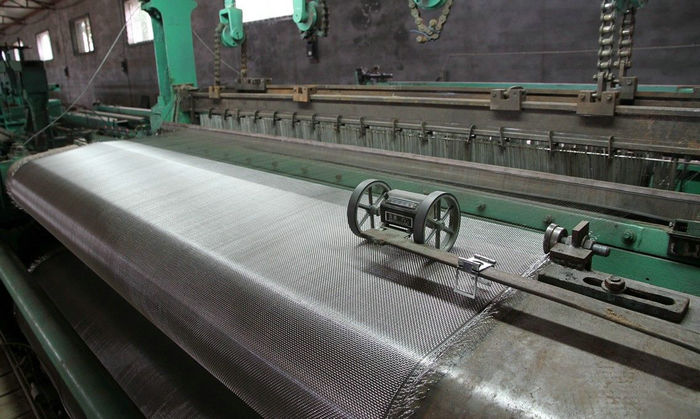
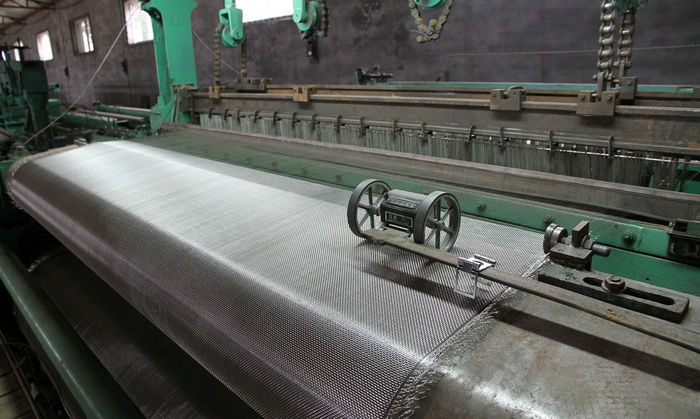
With a 5,000 m² facility established in 2000, operations—from wire drawing and weaving to welding, forming, and finishing—are controlled in-house. This vertical integration enables strict oversight at every stage, crucial for traceability and consistent quality in medical-grade components.
Compliance-First Production Environment
Production processes are designed to meet frameworks relevant to medical device manufacturing. While final assembly of cleaning machines may require specific FDA registrations, component production adheres to rigorous standards:
- Material Traceability: Mill test certificates (MTCs) for raw materials like 316L stainless steel are available.
- Controlled Finishing: Electropolishing and passivation processes meet ASTM A967 standards, enhancing corrosion resistance and cleanability.
- Quality System Orientation: Operations are structured to support customers requiring ISO 9001 and ISO 13485 compliance in their supply chain.
OEM/ODM Design & Engineering Support
The "one-size-fits-all" approach rarely works. Engineering teams can collaborate to:
- Adapt standard mesh baskets to your specific chamber dimensions.
- Design custom fixtures from your CAD drawings (DXF, DWG, STEP formats accepted).
- Recommend material and design alternatives to optimize cost or performance.
Supply Chain Reliability & Speed
Rooted in Anping's industrial ecosystem with direct access to raw materials, the factory is structured for responsive, high-volume production. Typical benchmarks include:
- MOQ: Flexible, often starting from prototype quantities for custom projects.
- Lead Time: Standard items: 15-25 days. Custom/OEM projects: 25-35 days, depending on complexity.
- Logistics: Expertise in preparing export-ready, palletized packaging (IPPC/ISPM 15 compliant for wood) and arranging FOB or CIF shipments.
Trust & Endorsement: Voices from the Industry
Long-term partnerships are built on proven performance. Here is feedback from professionals who have integrated these components into their supply chains.
"We source custom cleaning trays for our orthopedic instrument sets. The technical collaboration was seamless—they understood our need for a specific Ra surface finish to prevent bioburden adhesion. Their consistency across 10+ batch orders has been commendable, with no deviation in weld quality."
– Michael R., Procurement Director, Medical Device OEM (Texas, USA)
"As a sourcing agent for European clinic equipment suppliers, I need partners who grasp CE compliance nuances. Their documentation for material certifications is always in order, which simplifies our due diligence. The lead times are realistic and they've never missed a scheduled vessel departure."
– Sofia L., Sourcing Agent (Germany)
"We switched to them for replacement filter screens for our washer-disinfectors. The precision weaving ensures uniform flow rates, which is critical for the cleaning validation of our machines. The cost-quality ratio is competitive, and their after-sales support responsive."
– David K., Operations Manager, Equipment Service Company (UK)

Next Steps: Initiate a Technical Sourcing Discussion
Selecting a component supplier for medical device cleaning is a technical procurement decision. The next step is a detailed dialogue to align your specifications with manufacturing capabilities.
Ready to discuss your project? Provide your CAD files, target specifications, and required volumes for a formal quotation and manufacturability review.
Contact for a Technical Quote & DFM Feedback:
Brand: Jinzehong Wire Mesh Products Co., Ltd. | Founded: 2000
Contact: Ada | Tel: +86 15383785666 | Email: ada@jinzehongwiremesh.com
Address: South Road, 500m North of Houzhangzhuang, Anping County, Hengshui City, Hebei Province, China
Visit Contact Page: https://www.jinzehongmesh.com/contactus.html
Suggested Image Alt Text for Page Optimization
- medical-device-cleaning-basket-316l-stainless-steel
- custom-wire-mesh-tray-for-ultrasonic-cleaning
- spray-filter-component-washer-disinfector
- precision-fabrication-facility-medical-parts
- OEM-design-process-cleanign-system-components
FAQ: Sourcing Parts for Medical Device Cleaning Systems
Q1: What certifications are relevant for components used in medical device cleaning equipment?
A: While the final cleaning machine assembly requires specific certifications (like FDA 510(k) or CE MDD/MDR), component suppliers should provide Material Test Certificates (MTCs) for raw materials (e.g., 316L stainless steel) and operate under a ISO 9001 quality management system. Suppliers familiar with ISO 13485 standards are advantageous as they understand controlled documentation and traceability requirements for the medical industry.
Q2: Can you manufacture parts from our proprietary CAD drawings?
A: Yes. OEM/ODM support is a core service. You can submit drawings in common formats (DXF, DWG, STEP, IGES). Our engineering team will review them for manufacturability, suggest any optimizations for cost or performance, and provide a formal quotation and lead time.
Q3: What is the minimum order quantity (MOQ) for custom-designed parts?
A: MOQ is flexible, especially for new custom projects. We can often accommodate prototype or pilot-run quantities for testing and validation. For standard catalog items, MOQs are lower. Specific MOQ will be confirmed in the project quotation.
Q4: How do you ensure parts are clean and free of contaminants before shipment?
A: Prior to packaging, components undergo a final cleaning process (e.g., ultrasonic cleaning, degreasing) and are inspected. They are then packaged in clean, sealed poly bags or suitable materials to prevent corrosion and contamination during transit. Specific packaging protocols can be discussed per order requirements.
Q5: What are the standard payment and shipping terms?
A> Standard payment terms are T/T (Bank Transfer), with a common structure being 30% deposit and 70% before shipment. We support standard international trade terms like FOB (Free On Board) or CIF (Cost, Insurance & Freight) to major ports. All terms are detailed in the proforma invoice.
Disclaimer: All technical data, lead times, MOQs, and compliance information provided herein are for general reference. Final specifications, pricing, and terms are subject to the specific project requirements and will be formally confirmed in the sales contract or purchase order agreement.
About the Author:
 Martin Forester is a supply chain consultant with over 15 years of experience specializing in technical sourcing for the medical and precision engineering industries. He has worked extensively with OEMs in North America and Europe to audit and integrate manufacturing partners from the Asia-Pacific region, with a focus on quality management systems and value chain optimization.