Cleaning Electronic Circuit Boards: A Complete Guide for Manufacturers and Sourcing Professionals
For import managers, brand owners, and sourcing agents, finding a reliable method and supplier for cleaning electronic circuit boards is critical to maintaining product quality, ensuring compliance, and protecting brand reputation. This guide addresses the core technical and sourcing challenges, detailing how specialized tools and a strategic manufacturing partnership can solve production line issues, reduce failure rates, and streamline your supply chain from a trusted factory source.
Industry Pain Points in PCB Cleaning and Maintenance
Effective cleaning of electronic circuit boards is not a mere finishing step; it is a vital quality control process. Inadequate cleaning leads to several costly business problems:
- Field Failures and Returns: Residual flux, ionic contaminants, and dust can cause corrosion, electrochemical migration, and short circuits, leading to premature device failure and expensive warranty claims.
- Compliance and Safety Risks: Products entering markets like the USA, EU, and Australia must meet strict regulatory standards (e.g., IPC, IEC). Contaminants can cause devices to fail safety certifications like CE, FCC, and RoHS compliance tests.
- Inconsistent Results: Using non-specialized or low-quality cleaning tools (brushes, wipes, meshes) can leave behind fibers, cause electrostatic discharge (ESD) damage, or simply be ineffective on modern, dense PCB designs.
- Supply Chain Delays: Unreliable suppliers for cleaning consumables or equipment components can halt production lines, disrupting your high-speed delivery commitments to your own customers.
Precision Solutions: From Manual Benches to Automated Lines
The solution lies in a two-pronged approach: selecting the correct cleaning methodology and sourcing precision-engineered tools from a capable manufacturing partner. The process varies by application:
1. Manual Cleaning & Rework Stations
Ideal for low-volume, prototype, or rework scenarios. This method relies heavily on the quality of hand tools to prevent damage.
- Tools Required: ESD-safe brushes with precise filament density, lint-free wipes, specialized cleaning fluids, and magnification tools.
- Key Consideration: Brushes and applicators must be made from materials that do not shed, are chemically resistant, and are tailored to the board's component profile.
2. Automated In-Line Cleaning Systems
Used in medium to high-volume assembly. Consistency and reliability of the cleaning system's components are paramount.
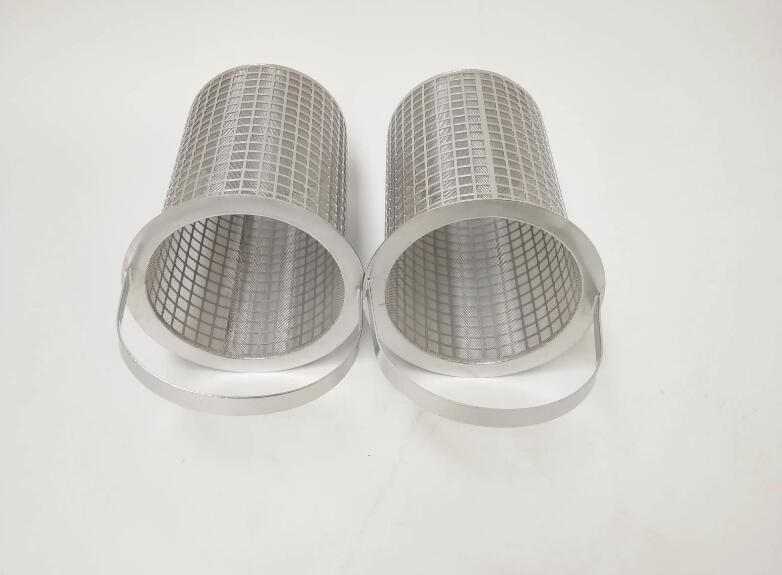
- Tools Required: Ultrasonic tanks with precisely woven mesh baskets, conveyorized spray systems with nozzle arrays, and drying modules.
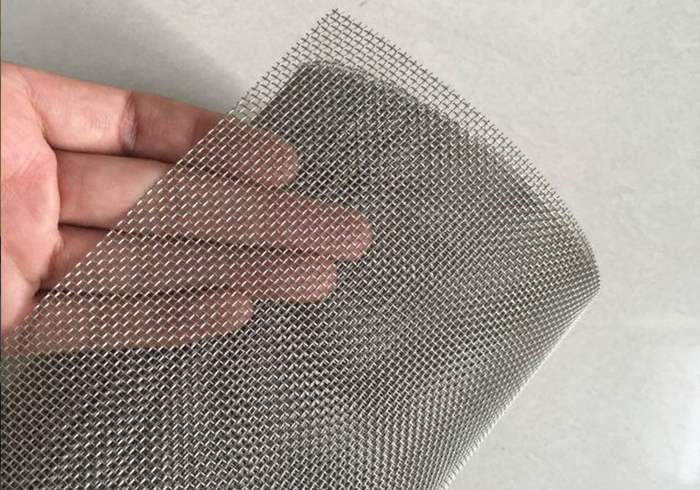
- Key Consideration: The internal components, such as mesh baskets and filters, must be constructed from high-grade, corrosion-resistant materials (e.g., stainless steel) to withstand harsh chemistries and prevent particulate contamination.
| Contaminant Type | Recommended Cleaning Method | Critical Tool/Component |
|---|---|---|
| Rosin/No-Clean Flux Residue | Solvent Spray or Ultrasonic | Chemical-resistant nozzles & mesh baskets |
| Dust & Particulate Matter | Compressed Air/Vacuum or Brush | ESD-safe, anti-static brushes |
| Finger Oils & Grease | Aqueous or Semi-aqueous Cleaner | Precision-woven application wipes |
Note: The optimal method depends on your specific PCB design, components, and production volume. Parameters and recommendations should be verified for your application.
Partnering with a Precision Manufacturing Factory
Whether you require OEM/ODM design for custom cleaning tool components or need a steady supply of high-quality, standard parts, partnering with a specialized factory is a strategic decision. Here’s how a capable partner adds value:
Engineering & Customization (OEM/ODM Support)
A factory with strong OEM/ODM design capabilities can work with your technical drawings to produce components that fit your exact machine specifications or manual process needs. This includes:
- Custom-sized and shaped mesh baskets for ultrasonic cleaners.
- Brushes with specific filament material (e.g., carbon-infused for ESD), length, and density.
- Precision-cut and welded wire forms for handling fixtures.
Quality Assurance and Consistent Supply
A robust Quality Assurance system is non-negotiable. It ensures every batch of tools meets the same high standard, preventing production line variability. Key indicators include:
- Material Traceability: Use of certified raw materials (e.g., 304/316 stainless steel, approved polymer filaments).
- Process Control: Consistent weaving, welding, and finishing techniques to prevent burrs, loose wires, or shedding that could contaminate PCBs.
- Compliance: Understanding of relevant material standards that impact end-product compliance (e.g., RoHS for material restrictions).
Leveraging China's Supply Chain for Efficiency
A factory deeply integrated into China's supply chain offers distinct advantages in cost stability and high-speed delivery. Direct access to raw material markets and logistics networks translates to:
- Competitive pricing without sacrificing material quality.
- Faster turnaround times for both prototypes and production runs.
- Greater flexibility to scale orders up or down based on your demand.
Trust and Verification: Our Factory Foundation
Trust in B2B procurement is built on transparency and proven capability. We invite you to evaluate our operational foundation.
Brand Name: Jinzehong Wire Mesh Products Co., Ltd.
Established: 2000
Location: Anping County, Hengshui City, Hebei Province, China (the renowned wire mesh manufacturing hub).
Facility: Covers an area of 5000 m², dedicated to the R&D, production, and sales of precision wire mesh and fabricated metal products.
Contact: Tel: +86 15383785666 | Email: ada@jinzehongwiremesh.com | Contact Page
Address: South Road, 500 meters North of Houzhangzhuang, Anping County, Hengshui City, Hebei Province, China.
Our long-term focus on precision manufacturing for industrial applications provides the expertise necessary to produce the reliable, consistent components required for effective cleaning of electronic circuit boards.
Procurement Details for Sourcing Professionals
To facilitate your sourcing evaluation and RFQ process, here are our standard commercial terms for custom component manufacturing. All details are subject to final order confirmation and technical review.
- MOQ (Minimum Order Quantity): Flexible, based on product complexity. MOQ can be discussed for prototype and trial orders.
- Lead Time: Typically 15-30 days for standard items after order confirmation and deposit. Custom OEM/ODM design projects may require additional time for sample development.
- Customization Capability: Full support for custom drawings, materials, sizes, and finishes. Sample approval process is standard.
- Packaging: Standard export carton packaging with anti-rust paper for metal products. Custom packaging per client instruction is available.
- Logistics: We handle FOB or CIF terms professionally, with experience shipping to major global ports.
- Payment Terms: Commonly T/T (30% deposit, 70% before shipment), negotiable based on order volume and relationship.
- After-sales: Comprehensive quality documentation provided. Support for claims related to manufacturing defects.
What Our Partners Say
"We source custom stainless steel mesh baskets for our PCB cleaning lines. Jinzehong's precision welding and consistent material quality have eliminated a source of particulate contamination we had with a previous supplier. Their technical understanding of our requirements is excellent."
- Michael T., Production Manager, an electronics assembler in Texas, USA.

"As a sourcing agent for several European brands, I need suppliers who are responsive and stick to specs. We've been ordering ESD-safe brushes and cleaning tool components from them for 3 years. The quality assurance is reliable, and they've never missed a delivery window, which is crucial for our JIT models."
- Sofia L., Sourcing Agent, specializing in industrial consumables, Germany.
"We needed a custom-designed fixture to hold oddly shaped circuit panels during an aqueous wash. Their engineering team worked from our sketches to produce a perfect, durable sample. The OEM/ODM support turned a problem into a solved process. Very professional partnership."
- David K., Founder & CEO, a contract manufacturing startup in California, USA.
Ready to Optimize Your PCB Cleaning Process?
Stop letting unreliable tools and components compromise your product quality. Partner with a factory built on precision and supply chain reliability.
Discuss your specific requirements for cleaning electronic circuit board tools, MOQ, lead time, and OEM/ODM project potential.

About the Author: Alex Morgan
Senior Manufacturing & Supply Chain Consultant
With over 12 years of experience advising North American and European electronics manufacturers on process optimization and offshore sourcing, Alex specializes in bridging technical requirements with reliable manufacturing execution in Asia. His focus is on helping companies build resilient, quality-focused supply chains for critical production components.
FAQs: Sourcing Tools for Cleaning Electronic Circuit Boards
Q1: What materials are best for PCB cleaning tools to avoid contamination?
parts cleaning for medical devices sound dampening boards sterilization tray for surgical instruments
The best materials depend on the cleaning method. For contact tools like brushes, ESD-safe polymers (e.g., carbon-filled) are critical. For containers and baskets in chemical or ultrasonic baths, high-grade stainless steel (304 or 316) with a smooth electropolish finish minimizes particulate generation and resists corrosion.
Q2: Can you manufacture components that match our existing machine specs?
Yes, providing OEM/ODM design and manufacturing services is a core part of our offering. We routinely work from technical drawings, CAD files, or even samples to produce custom wire mesh baskets, brushes, fixtures, and other components that integrate seamlessly with your existing cleaning equipment.
Q3: How do you ensure quality control for such precision components?
Our Quality Assurance process includes raw material certification, in-process inspections (e.g., mesh count verification, weld integrity checks), and final dimensional and visual inspection. We can provide material certifications and inspection reports upon request to support your own quality documentation.
Q4: What is the typical process from inquiry to delivery?
1. Inquiry & Technical Discussion. 2. Quotation with clear terms. 3. Sample Production & Approval (for custom items). 4. Order Confirmation & Deposit. 5. Production (with potential pre-shipment photos). 6. Final Inspection & Balance Payment. 7. Shipment & Documentation. Total lead time typically falls within 15-30 days for standard confirmed orders.
Disclaimer: The information contained in this article is for general informational and educational purposes regarding industrial processes. Product specifications, technical parameters, MOQ, lead times, and commercial terms are subject to change and must be confirmed with Jinzehong Wire Mesh Products Co., Ltd. prior to any procurement decision. The company is a manufacturer of precision wire mesh and fabricated metal components which may be used in the assembly of cleaning tools and systems.
© 2023 Jinzehong Wire Mesh Products Co., Ltd. All Rights Reserved.