Chain Link Fence Post Spacing: The Definitive Guide for a Strong, Lasting Installation
The correct chain link fence post spacing is the foundational decision that determines your fence's strength, longevity, and cost-effectiveness. Proper spacing ensures the fabric remains taut, gates function smoothly, and the entire structure withstands wind loads and physical pressure. This guide provides actionable, data-driven spacing guidelines for corner, line, end, and gate posts, integrating industry standards and practical considerations for commercial and industrial projects.
Industry Pain Points: The Cost of Incorrect Post Spacing
Incorrect post spacing is a primary cause of premature fence failure, leading to significant financial loss and safety risks for property managers and procurement professionals. Common challenges include:
- Sagging Fabric: Posts spaced too far apart cannot provide adequate support, causing the chain link mesh to sag and lose its security function.
- Gate Misalignment: Improperly spaced gate posts create undue stress on hinges and latches, leading to operational failure.
- Structural Collapse: Under-specified post spacing fails to handle wind loads or impact, risking a total collapse of fence sections.
- Cost Overtuns: Underestimating post quantity leads to last-minute purchase orders, higher freight costs, and project delays.
- Warranty Voidance: Installation that deviates from engineering specifications or manufacturer guidelines often voids product warranties.
Technical Specifications: Data-Driven Spacing Guidelines
The optimal spacing for chain link fence posts depends on three core variables: fence height, post type, and terminal post (corner/end/gate) requirements. The following guidelines align with common industry practices and standards like ASTM F567.
Standard Line Post Spacing
Line posts provide the primary support between terminal points. The maximum recommended spacing is typically 10 feet on center. However, a 10-foot spacing may require heavier-gauge posts for taller fences. A more conservative and robust standard is 8 to 10 feet.
| Fence Height | Recommended Line Post Spacing (On Center) | Minimum Post Gauge/Diameter* | Typical Application |
|---|---|---|---|
| 4 ft (1.2 m) | 10 ft (3.0 m) | 1.66" O.D., 14 Gauge | Residential, Light Commercial |
| 6 ft (1.8 m) | 8-10 ft (2.4-3.0 m) | 2" O.D., 11 Gauge | Commercial, Industrial Security |
| 8 ft (2.4 m) + | 8 ft (2.4 m) or less | 2.375" O.D., 9 Gauge | High-Security, Prison, Airport |
*Post specifications (gauge, diameter, steel type) must be confirmed with your supplier based on soil conditions and wind load calculations. Please refer to the actual order confirmation for final specifications.
Terminal Post Requirements: Corners, Ends, and Gates
Terminal posts (corners, ends, and gate posts) bear multidirectional tension. They must be stronger and set deeper than line posts.
- Spacing: Corner and end posts mark the boundaries of a straight run. Gate posts are a specialized type of end post. The spacing between a terminal post and the first line post should not exceed the standard line post spacing (e.g., 10 ft).
- Bracing: For fences over 5 feet high or in high-wind areas, corner and gate assemblies often require horizontal or diagonal bracing ("H-braces" or "Pull posts") to manage tension. The spacing between the two posts in an H-brace is typically 8 to 10 feet.
Beyond Spacing: Factors Influencing Post Specification
chain link fence spacing post chart steel fence post spacing welded wire fence post spacing
Spacing is one part of the equation. To ensure a reliable installation, these factors must be considered in your procurement plan:
1. Soil Conditions & Embedment Depth
A rule of thumb is to set posts in concrete at a depth equal to one-third of the above-ground height, plus 6 inches. For a 6-ft fence, the minimum embedment is 2 ft + 0.5 ft = 2.5 ft. In sandy or soft soil, deeper embedment and larger concrete footings are required.
2. Wind Load Considerations
Local building codes dictate specific wind load requirements. In coastal or high-wind regions, closer post spacing (7-8 ft), larger post diameters, and the use of wind clips (to secure fabric to the top rail) are standard mitigations.
3. Fabric Roll Length
Chain link fabric is manufactured in standard roll lengths (typically 50 ft or 100 ft). Efficient post spacing planning should minimize fabric waste. For a 100-ft run, using 10-ft spacing requires 11 line posts (including start and end), which utilizes the roll efficiently.
A Reliable Supply Partner: Jinzehong's Integrated Solution
Knowing the correct chain link fence post spacing is half the battle. Sourcing consistently high-quality, specification-matched components is the other. Jinzehong Wire Mesh Products Co., Ltd. provides a vertically integrated solution from raw material to finished product, ensuring every component in your spacing plan performs as intended.
Technical & Compliance Assurance
Our production follows rigorous quality control protocols. Materials can be certified to meet international standards such as ASTM, CE, ISO 9001. We provide mill test certificates and can support compliance documentation for specific project requirements.
Full OEM/ODM Design Support
Need non-standard post lengths, diameters, or powder-coat colors? Our engineering team collaborates on OEM/ODM designs. We adapt to your exact spacing and specification needs, whether it's a custom gauge for high-wind areas or a unique color match for brand consistency.
Logistics & Supply Chain Efficiency
With a 5,000 m² facility and over two decades of operation, we maintain raw material inventory for high-speed production. We expertly handle packaging (bundled, palletized, IPPC-marked for wood) and coordinate FOB/CIF shipments to major global ports, providing clear lead time forecasts.
Key Commercial Terms for Procurement Managers
- MOQ (Minimum Order Quantity): Flexible, starting from one 20-foot container. Mixed containers (posts, fabric, fittings) are welcome to optimize logistics cost.
- Lead Time: Standard products: 15-25 days after deposit confirmation. Custom OEM projects: 25-35 days, depending on design complexity.
- Customization: Full spectrum available: post height/diameter/gauge, galvanization type (hot-dip vs. electro), PVC coating color & thickness, and accessory design.
- Payment Terms: Standard terms include T/T (30% deposit, 70% against BL copy). L/C is also acceptable for established partners.
- Packaging & Warranty: Export-standard packaging to prevent rust and damage. We offer a standard warranty against manufacturing defects, with specific terms outlined in the commercial invoice.
Trust Endorsement: What Partners Are Saying
Our commitment to precision manufacturing and reliable supply is reflected in long-term partnerships with distributors and contractors globally.
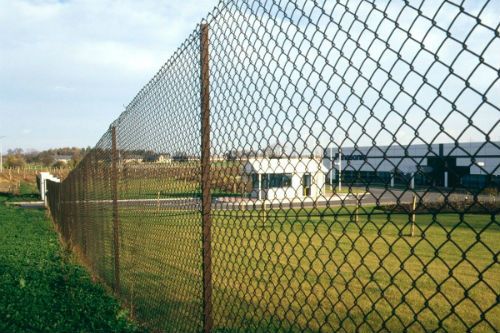
"We've been sourcing chain link components from Jinzehong for our fencing contracts across Texas for four years. Their technical data on post spacing and load ratings is accurate, which is crucial for our bids. The consistency in post straightness and galvanizing quality means our crews have fewer issues on site. They are a pragmatic partner, not just a vendor."
– Michael R., Procurement Director, Southwest Perimeter Solutions, USA
"As an importer in Florida, we need suppliers who understand both product and logistics. Jinzehong provided a complete package – correctly spaced posts on pallets, fitted with caps, bundled fabric, and all necessary tension bars and bands. Their documentation was flawless for customs. Their advice on post specification for our coastal wind zones saved us from a potential call-back job."
– Sofia L., Brand Owner & Importer, SecurePlus Fencing, USA
"We ordered a custom green PVC-coated system for a national park project. The ODM process was smooth. Jinzehong's engineers asked the right questions about post spacing and terminal post bracing for our terrain. The color match was perfect across all components, and the delivery was on schedule. It demonstrated a high level of project management capability."
– David K., Project Manager, Major Infrastructure Contractor, Canada
Your Clear Next Step: Request a Project-Specific Quote
Transform your chain link fence post spacing plan into a durable, cost-effective reality. Provide your project details, and our team will deliver a comprehensive quote with technical specifications, certified compliance data, and optimized logistics terms.
Jinzehong Wire Mesh Products Co., Ltd. | Est. 2000
Tel: +86 15383785666 | Email: ada@jinzehongwiremesh.com
Add: South Road, 500 meters North of Houzhangzhuang, Anping County, Hengshui City, Hebei Province, China

About the Author
Marcus Reynolds is a fencing systems consultant with over 15 years of experience in commercial and industrial perimeter security projects across North America. He specializes in translating architectural specifications into efficient global supply chain solutions and has collaborated with manufacturers and contractors to develop installation best practices. Marcus contributes technical insights to industry publications to promote durability and value in fence system procurement.
FAQ: Chain Link Fence Post Spacing
What is the maximum distance between chain link fence posts?
The general maximum is 10 feet for line posts. However, for fences over 6 feet tall, in high-wind areas, or with heavier-gauge fabric, reducing spacing to 8 feet is recommended for enhanced stability.
How far apart should corner posts be?
The two posts forming a corner are part of a braced assembly. The distance between them is typically 8 to 10 feet to create a strong "H-brace" or diagonal brace that absorbs tension from both fence runs.
Does post spacing affect the required post depth?
Indirectly, yes. While spacing primarily affects lateral support, the required embedment depth is a function of fence height and soil type. Regardless of spacing, a standard rule is to set posts in concrete at a depth of 1/3 the above-ground height plus 6 inches.
Can I use different spacing for different sections of the same fence?
Yes, but it requires careful planning. Spacing can be adjusted for topography (e.g., closer posts on a slope) or different wind exposures. The key is ensuring the fabric roll lengths are planned accordingly to minimize joins and waste.
How does post spacing relate to the cost of my project?
Closer spacing increases the number of posts, concrete, and labor, raising initial cost. However, it can reduce long-term maintenance and increase fence lifespan, offering better value for high-security or high-wind applications. An optimized design balances initial investment with performance requirements.
Disclaimer: The information provided in this article, including technical parameters, spacing guidelines, and commercial terms, is for general informational purposes. Specifications such as post gauge, embedding depth, and load ratings must be verified by a qualified engineer against local building codes and site-specific conditions. All product specifications, MOQ, lead times, and prices are subject to change. Please refer to the final order confirmation and technical datasheets provided by Jinzehong Wire Mesh Products Co., Ltd. for the definitive specifications governing any purchase.