Optimize Your Warehouse: The Ultimate Guide to Industrial Case Pickers
For Import Managers, Brand Owners, and Sourcing Agents seeking to streamline order fulfillment, a case picker is a pivotal material handling solution. This guide cuts through the complexity, offering a clear analysis of how a robust case picking system can directly address core warehouse pain points like labor costs, picking errors, and throughput bottlenecks, while detailing key technical and commercial considerations for global procurement.
The High Cost of Manual Case Picking: Identifying Core Industry Pain Points
In today's fast-paced logistics environment, relying on manual processes for picking full cases or heavy items creates significant operational drag. Common challenges faced by wholesalers and distributors include:
- Escalating Labor Costs & Scarcity: Finding and retaining labor for physically demanding picking work is increasingly difficult and expensive.
- Inconsistent Throughput Speeds: Manual picking rates fluctuate, creating bottlenecks during peak order periods and slowing overall warehouse velocity.
- Elevated Error Rates: Mis-picks and damaged goods during manual handling lead to costly returns, reprocessing, and customer dissatisfaction.
- Worker Fatigue & Safety Risks: Repetitive lifting of heavy cases contributes to workplace injuries, leading to absenteeism and compensation claims.
- Inefficient Use of Space: Manual systems often cannot safely utilize vertical space as effectively as automated solutions.
Engineered Solutions: How a Modern Case Picker Transforms Operations
A dedicated case picking machine or system is designed to automate the selection and movement of case-packed goods from storage to shipping. The solution directly counters the pain points above:
Core Functional Mechanism:
Typically integrated with Warehouse Management System (WMS) software, the system receives order data and directs the picking mechanism—which may be a robotic arm, automated guided vehicle (AGV) with a lifting attachment, or a semi-automatic pick-to-light cart—to the precise storage location. It then securely grasps, lifts, and transfers the case onto a conveyor or pallet, ensuring accurate and gentle handling.
Key Application Scenarios:
- Beverage & Food Distribution: Handling heavy cases of bottles, cans, and packaged goods.
- E-commerce Fulfillment Centers: Picking bulk quantities of single SKUs for large orders or replenishment.
- Pharmaceutical & Consumer Goods Warehousing: Ensuring accurate, traceable picking of case lots.
Evaluating Your Case Picker Supplier: Beyond the Machine
Choosing the right manufacturing partner is as critical as the technology. For B2B buyers, the following factors form the cornerstone of a reliable supply decision.
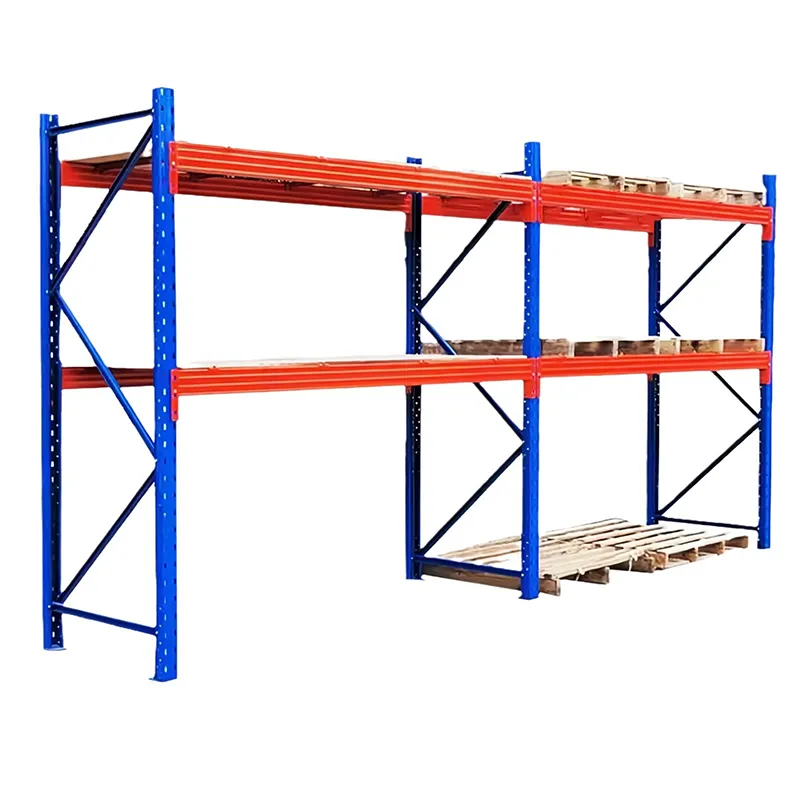
warehouse voice picking systems pick and pack shelving warehouse racking movers
Technical Parameters & Compliance Assurance
A trustworthy manufacturer provides clear, verifiable specifications. Key parameters to request include:
| Parameter | Typical Specification Range | Importance for Buyers |
|---|---|---|
| Max Load Capacity | 25 kg - 50 kg (55 lbs - 110 lbs)* | Determines the weight of cases it can handle safely. |
| Picking Speed | Up to 600+ cases per hour* | Directly impacts warehouse throughput and ROI. |
| Reach / Working Height | Customizable, often up to 10m+* | Defines the storage racking levels it can access. |
| Positioning Accuracy | ±1 mm to ±5 mm* | Critical for precise grasping and minimizing product damage. |
| Power Requirements | 380V/50Hz or 480V/60Hz | Must match your facility's electrical infrastructure. |
*Specifications are model-dependent. Please refer to the actual technical datasheet and order confirmation for precise figures.
Compliance & Certifications: Reputable suppliers design equipment to meet international standards. Look for declarations or certifications related to machinery safety (e.g., CE marking for the EU), quality management systems (ISO 9001), and electrical safety (e.g., UL standards for North America, though often certified locally post-import). Always verify the scope of certifications with the supplier.
Commercial Terms: MOQ, Lead Time & Customization
Clear commercial terms are essential for planning. A professional supplier like Jinzehong Wire Mesh Products Co., Ltd. provides transparency:
- Minimum Order Quantity (MOQ): For standard case picker models, MOQs can start from 1 unit for evaluation, with more favorable terms for volume orders. For fully customized OEM/ODM systems, MOQ is project-dependent and should be discussed based on design complexity.
- Production Lead Time: For standard configurations, typical lead times range from 30 to 60 days after final design approval and deposit. Complex custom projects may require 90+ days. A reliable factory will provide a detailed project timeline.
- OEM/ODM Design Support: Deep customization capability is a key advantage of sourcing from an established Chinese factory. This includes adapting the gripper mechanism for different case sizes/materials, integrating specific control software, and branding. The process involves CAD drawings, prototyping, and rigorous testing before full production.
Logistics, Packaging & After-Sales Framework
Understanding the complete supply chain process mitigates risk:
- Packaging: Heavy-duty, waterproof wooden crates reinforced with steel straps are standard for ocean freight to prevent transit damage.
- Shipping Terms: Standard Incoterms like FOB Shanghai or CIF Los Angeles are commonly offered. The supplier should assist with export documentation.
- After-Sales Service: A comprehensive package includes detailed installation manuals, remote video support for commissioning, online operator training, and a standard 12-month warranty on parts (excluding consumables). Availability of technical documentation in English is crucial.
Why Source from a Specialized Factory? The Jinzehong Advantage
With over two decades of industrial manufacturing expertise since its founding in 2000, Anping County Jinzehong Wire Mesh Products Co., Ltd. brings a focused advantage to producing structural and component parts for material handling systems, including case pickers.
- Integrated Manufacturing: Operating from a 5,000 m² facility in Anping, China's wire mesh hub, allows for in-house control over key component production, contributing to consistent quality and high-speed delivery schedules.
- Engineering-First Mindset: The focus on R&D enables practical OEM/ODM design collaboration. Engineers work directly with clients to adapt systems for specific case weights, dimensions, and facility layouts.
- Supply Chain Resilience: Being embedded in the world's leading industrial supply chain provides access to a vast network of qualified sub-suppliers for motors, controls, and sensors, ensuring component availability and cost efficiency.
- Scalable Capacity: The company's setup supports orders from single pilot machines to large-volume purchases for regional distribution networks.
Voices from the Field: User Reviews
"We integrated a custom case picking arm from Jinzehong into our Midwest beverage warehouse. The accuracy and reduction in palletizing time met our projected ROI. Their technical team was responsive during the integration phase." – Mark T., Operations Director, USA
"As a sourcing agent for European retailers, I need reliable partners. The case picker components sourced from Jinzehong have shown consistent durability over 18 months of 24/5 operation. Their documentation made CE compliance processes smoother." – Sophie L., Procurement Agent, Germany
"Our fulfillment center in Canada needed a solution for heavy bulk boxes. The semi-automatic pick cart system we co-designed has cut manual handling by 70% and reduced errors significantly. The project was delivered on the agreed timeline." – David K., Brand Owner & Importer, Canada
Your Next Step: From Inquiry to Operational Efficiency
Optimizing your case picking operation is a strategic investment. To move forward with a tailored proposal:
- Prepare Your Specifications: Gather data on your typical case dimensions, weight, storage layout, and desired picking rate.
- Request a Detailed Quotation: Contact the supplier with your specs to receive a comprehensive quote covering unit price, MOQ, lead time, payment terms (e.g., 30% T/T deposit, 70% before shipment), and shipping options.
- Engage in Technical Dialogue: Discuss customization needs, required certifications, and after-sales support in detail.
- Consider a Factory Audit or Sample: For large orders, a virtual or in-person factory tour can provide valuable insight into production and quality assurance processes.
Ready to Streamline Your Warehouse Picking?
Request a no-obligation consultation and a project-specific quotation. Share your warehouse challenges, and let's explore a case picker solution designed for your throughput and budget goals.
Contact: Jinzehong Wire Mesh Products Co., Ltd. | Tel: +86 15383785666 | Email: ada@jinzehongwiremesh.com
Visit our Contact Page for more details.
Frequently Asked Questions (FAQ) on Case Picker Procurement
Q1: What is the typical minimum order quantity (MOQ) for a custom case picking system?
A: MOQs are flexible. For testing a standard model, it can be as low as 1 unit. For fully customized OEM/ODM projects, the MOQ is determined by the engineering and setup costs involved, which the factory will outline in the project proposal.
Q2: Can your case picker be integrated with my existing Warehouse Management System (WMS)?
A: Professional manufacturers design systems with integration in mind. They typically provide standard API protocols or communication interfaces (like Ethernet/IP) to facilitate data exchange with most major WMS platforms. Detailed technical discussions are required during the design phase.
Q3: What certifications do your machines carry for export to North America or Europe?
A: Machinery is often designed to meet core international safety standards. Key certifications may include CE (for the EU, demonstrating compliance with the Machinery Directive) and an ISO 9001 quality management certificate for the factory. For specific electrical standards like UL in the USA, components may be UL-listed, with final system certification sometimes handled by a local partner upon installation. Always request and verify the latest certification documents.
Q4: What is the standard warranty and after-sales support structure?
A: A standard offering is a 12-month warranty covering defects in materials and workmanship, starting from the date of delivery. Support typically includes remote troubleshooting via video call, provision of spare parts lists, and access to technical manuals. On-site installation and training can be arranged, usually at an additional cost.
Q5: How do you handle packaging and shipping for such large equipment?
A: Equipment is securely packed in export-grade, custom-sized wooden crates designed to withstand ocean freight. Shipping terms (e.g., FOB, CIF) are agreed upon in the sales contract. The supplier handles export customs clearance and provides all necessary shipping documents.

About the Author: Liam Chen
Liam Chen is a senior logistics automation consultant with over 15 years of experience in designing and implementing material handling solutions for warehouses across North America and Europe. He has partnered with global manufacturers to integrate automated picking systems, focusing on ROI analysis and seamless operational integration. His insights bridge the gap between engineering specifications and real-world warehouse management needs.