Unveiling the Power of ASTM D4767: A Game-Changer in Wire Mesh Testing
Understanding the Background
As a wire mesh enthusiast, I've always been fascinated by the intricacies and applications of this versatile material. When it comes to ensuring the quality and performance of wire mesh products, one standard stands out: ASTM D4767. But what exactly is this standard, and why is it so crucial? Let's dive in and explore the world of ASTM D4767.
Introduction to ASTM D4767
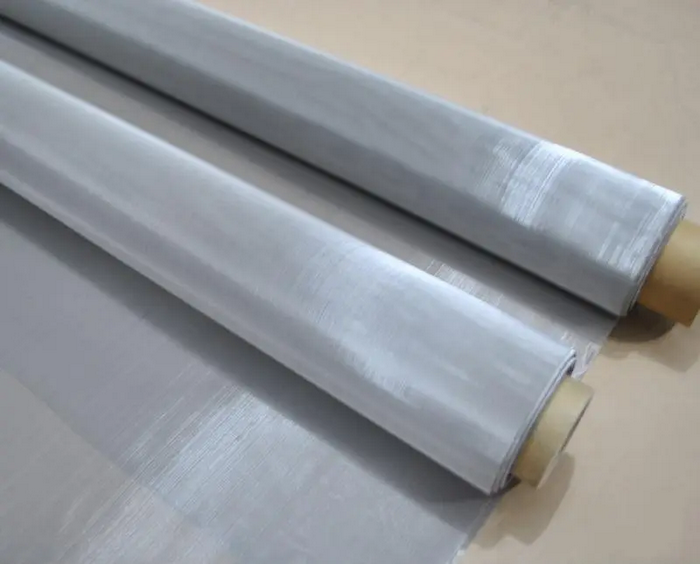
ASTM D4767 is a product specification for woven wire mesh. It is a globally recognized standard that outlines the requirements for the production and testing of woven wire mesh products. Developed by the American Society for Testing and Materials (ASTM), this standard ensures consistency, reliability, and quality in wire mesh products across various industries.
History of ASTM D4767
The first edition of ASTM D4767 was published in 1965. Since then, it has undergone several revisions to keep up with the evolving industry needs and advancements in wire mesh technology.
Key Components of ASTM D4767
Material Requirements
ASTM D4767 specifies the materials that can be used to produce woven wire mesh. These materials typically include low-carbon steel, stainless steel, and other alloys. The standard ensures that the chosen material meets certain strength and corrosion resistance requirements.
Mesh Size and Spacing
The mesh size and spacing are critical factors in determining the mesh's application. ASTM D4767 provides guidelines for the wire diameter, mesh size, and the spacing between wires, ensuring that the mesh meets the specific requirements of the intended application.
Physical Requirements
This section outlines the physical requirements for woven wire mesh, such as tensile strength, elongation, and yield strength. These requirements ensure that the mesh can withstand the forces it may encounter in its application.
Testing Methods
Tensile Testing
Tensile testing is a fundamental test performed on wire mesh to determine its strength and elasticity. ASTM D4767 provides specific guidelines for conducting tensile tests, ensuring consistent and accurate results.

Corrosion Resistance Testing
In certain applications, corrosion resistance is a crucial factor. ASTM D4767 outlines the methods for testing the corrosion resistance of woven wire mesh, helping to ensure its longevity in harsh environments.
Benefits of ASTM D4767
Implementing ASTM D4767 in the production and testing of wire mesh products offers numerous benefits:
- Improved quality and consistency
- Enhanced safety and reliability
- Increased customer satisfaction
- Global market access
Applications of ASTM D4767
ASTM D4767 is used in a wide range of industries, including:
- Construction and infrastructure
- Automotive and transportation
- Filtering and separation
- Agribusiness
- Food processing
Product Specifications and Technical Table
| Wire Diameter (mm) | Mesh Size (mm) | Tensile Strength (MPa) | Corrosion Resistance |
|---|---|---|---|
| 1.0 | 5x5 | 400 | Excellent |
| 1.5 | 6x6 | 500 | Good |
| 2.0 | 8x8 | 600 | Very Good |
astm c305 astm c 173 astm c1077
Conclusion
ASTM D4767 has revolutionized the wire mesh industry by setting a high standard for quality and performance. As a wire mesh enthusiast and professional, I am thrilled to see how this standard has helped improve the reliability and longevity of wire mesh products in various applications. By adhering to ASTM D4767, companies like Jinzehong Wire Mesh Products Co., Ltd. can continue to provide top-notch products that meet the needs of their customers worldwide. So, the next time you come across a wire mesh product, remember the power of ASTM D4767 behind it.
Call to Action: If you are interested in high-quality wire mesh products that meet the stringent standards of ASTM D4767, contact Jinzehong Wire Mesh Products Co., Ltd. today. Our experienced team is dedicated to providing the best products and services to our customers.