The Comprehensive Guide to ASTM D2171: Understanding Wire Mesh Properties
Introduction to Wire Mesh
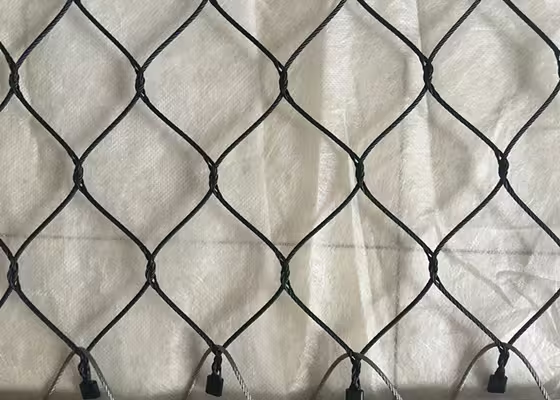
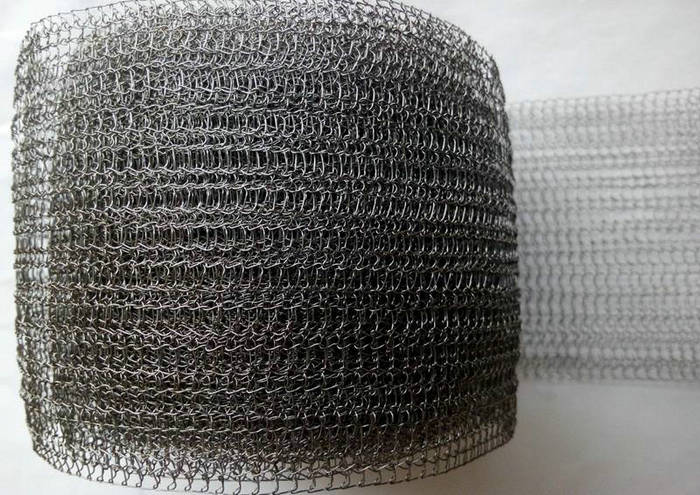
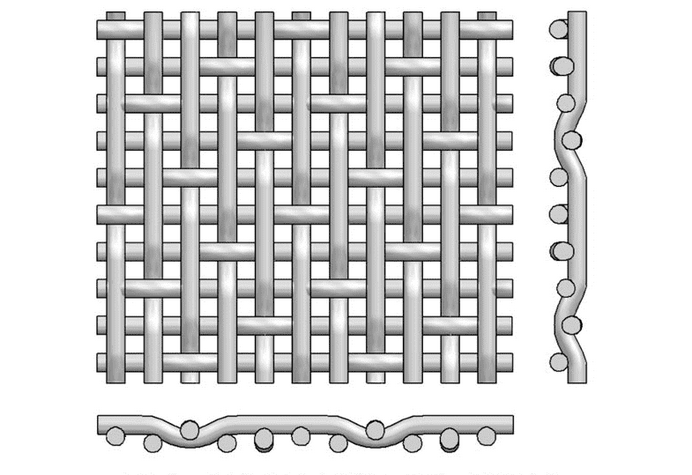
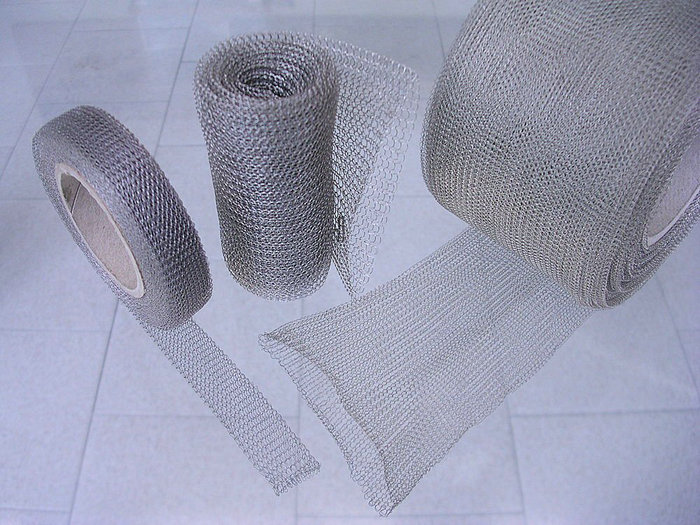
Wire mesh is a versatile material made from a variety of materials, including steel, aluminum, and plastic. It is commonly used in a wide range of applications due to its strength, durability, and corrosion resistance. From construction to agriculture, wire mesh plays a crucial role in countless industries. But how do we measure the quality and performance of wire mesh? That's where ASTM D2171 comes into play.
What is ASTM D2171?
ASTM D2171 is a standard test method developed by the American Society for Testing and Materials (ASTM). It specifies the procedures for determining the tensile strength of wire mesh. In simple terms, this test helps manufacturers and consumers understand the strength and integrity of wire mesh products. But why is tensile strength so important? Let's delve into it.
Why Tensile Strength Matters
Tensile strength refers to a material's ability to withstand stretching forces before breaking. For wire mesh, a higher tensile strength indicates greater durability and reliability. This is especially critical in high-stress environments where the mesh is exposed to harsh conditions. Imagine a wire mesh used in a chicken coop. It needs to withstand the weight and movement of the chickens, as well as the occasional bird attack. With ASTM D2171, we can ensure that the mesh is up to the task.
Product Specifications and Technical Table
| Property | Standard Value | Description |
|---|---|---|
| Wire Diameter | 0.6mm - 4.0mm | Depicts the size of the individual wires that make up the mesh. |
| Mesh Opening Size | 0.1mm - 200mm | Represents the size of the gaps between wires in the mesh. |
| Tensile Strength (MPa) | ≥300 | Indicates the maximum amount of force the wire can withstand before breaking. |
| Corrosion Resistance | ≥8 hours | Assesses the mesh's ability to resist corrosion in a salt spray environment. |
ASTM D2171 Testing Procedure
Understanding the testing process behind ASTM D2171 is crucial to evaluating wire mesh products accurately. Here's a step-by-step overview:

- Sample Preparation: Cut a representative sample from the wire mesh to be tested.
- Measurement of Wire Diameter: Use a caliper to measure the diameter of the wire accurately.
- Preparation for Testing: Mount the sample securely in a tensile testing machine.
- Conduct the Test: Apply a controlled amount of tension to the wire until it breaks.
- Record Results: Measure the force required to break the wire and calculate the tensile strength.
Application of ASTM D2171 in Wire Mesh Production
Manufacturers utilize ASTM D2171 to ensure the quality of their wire mesh products. By following this standard, they can produce reliable, high-quality wire mesh that meets the demands of various applications. For example, in the construction industry, wire mesh used in reinforced concrete needs to be strong enough to prevent cracking and crumbling over time.
Real-World Example
Consider a farm that uses wire mesh to create livestock pens. The wire mesh needs to withstand the weight and activity of the animals. By employing ASTM D2171, the farm can ensure that the mesh they choose is not only strong but also corrosion-resistant, guaranteeing that their investment lasts for years to come.
Conclusion
ASTM D2171 is a vital tool for evaluating the tensile strength of wire mesh products. By adhering to this standard, manufacturers and consumers alike can trust in the quality and durability of wire mesh. Whether it's for construction, agriculture, or any other application, understanding the properties of wire mesh is crucial. So next time you need to purchase wire mesh, remember to look for products that have been tested to the ASTM D2171 standard. Your investment will thank you.
Subtle Call-to-Action
For high-quality wire mesh products that meet or exceed ASTM D2171 standards, contact Jinzehong Wire Mesh Products Co., Ltd. at jinzehongwiremesh.com. Trust us to deliver the strength and durability your project demands.