The Future of Welding: Unveiling the Advantages of Robotic Welding
Introduction to Robotic Welding
As the world of manufacturing continues to evolve, robotic welding has emerged as a game-changer. This technology isn't just about robots replacing human workers; it's about enhancing efficiency, precision, and safety in the welding process.
What is Robotic Welding?
Robotic welding involves the use of robotic arms or systems to perform welding tasks. These robots are programmed to follow precise paths, ensuring consistency and quality in every weld. Let's dive deeper into the advantages that come with this innovative technique.
Increased Productivity
One of the most significant advantages of robotic welding is the dramatic increase in productivity. Robots can work 24/7 without breaks, tirelessly producing high-quality welds. This means faster production cycles and quicker delivery times for manufacturers.
Enhanced Precision
Robotic welding ensures unparalleled precision. With robotic arms capable of executing intricate movements with pinpoint accuracy, the quality of the welds is consistently high, reducing defects and rework.
Advantages of Robotic Welding: A Detailed Look
1. Consistency and Reliability
Robots follow programmed instructions, eliminating the variability that comes with human error. This reliability is crucial in high-volume manufacturing where consistency is key to customer satisfaction.
2. Safety
Robotic welding improves workplace safety by reducing the risk of injuries to human workers. Robots can handle hazardous materials and perform high-risk welding tasks without the need for human intervention.
3. Reduced Costs
While the initial investment in robotic welding systems can be substantial, the long-term cost savings are significant. Robots can perform repetitive tasks more efficiently than humans, leading to reduced labor costs and improved overall efficiency.
4. Enhanced Quality
The precision and consistency of robotic welding result in higher-quality products. This not only reduces the need for rework but also increases customer satisfaction and loyalty.
5. Versatility
Robotic welding systems are highly versatile and can be adapted to various welding applications. This flexibility allows manufacturers to use the same system for different products and processes.
Case Study: Jinzehong Wire Mesh Products Co., Ltd.
Let's take a look at how Jinzehong Wire Mesh Products Co., Ltd., a leading wire mesh manufacturer, has leveraged robotic welding to enhance their operations.
Product Specifications
| Model | Welding Speed | Max Load Capacity | Repeatability |
|---|---|---|---|
| JZ-RW-500 | 100 mm/s | 50 kg | ±0.05 mm |
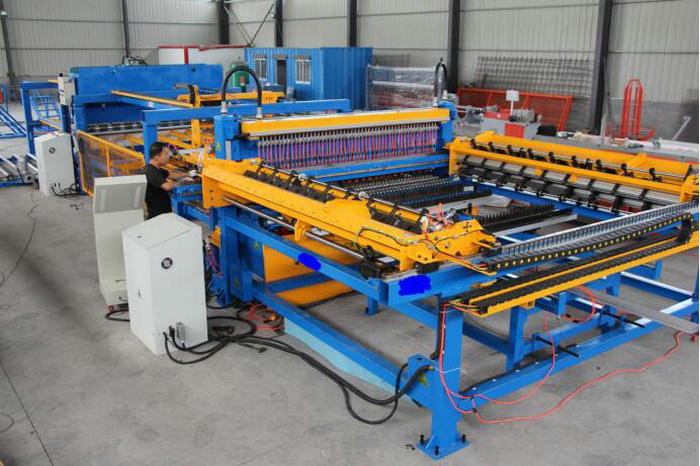
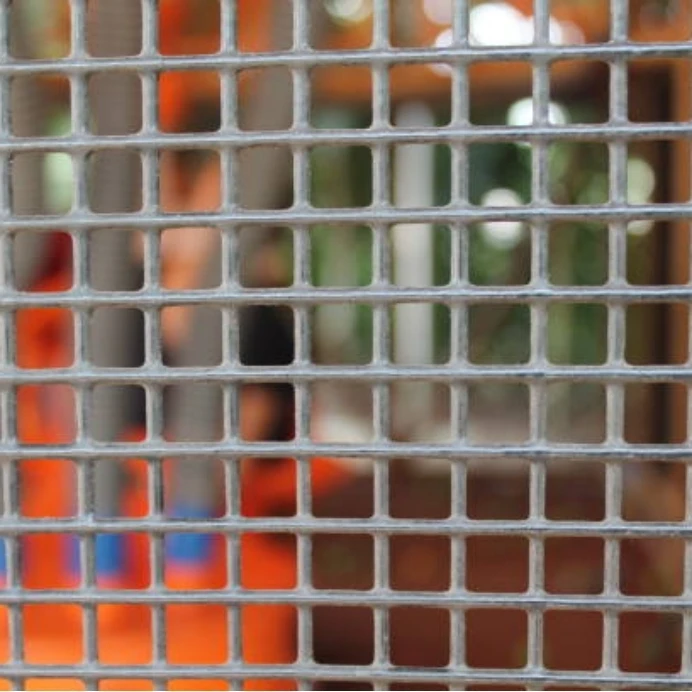
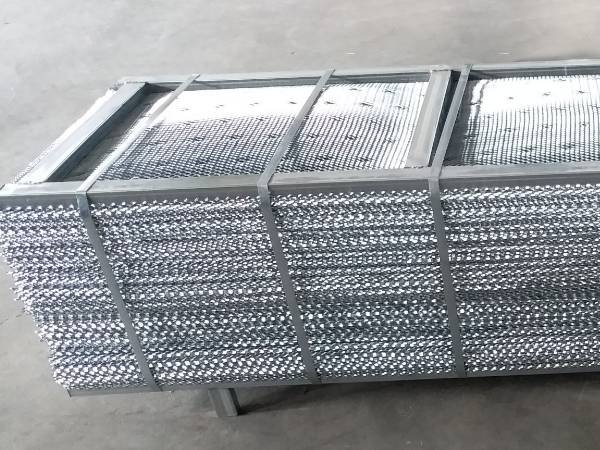
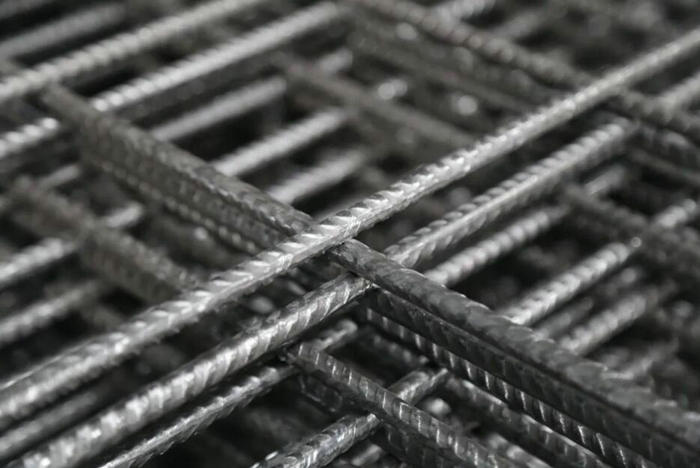
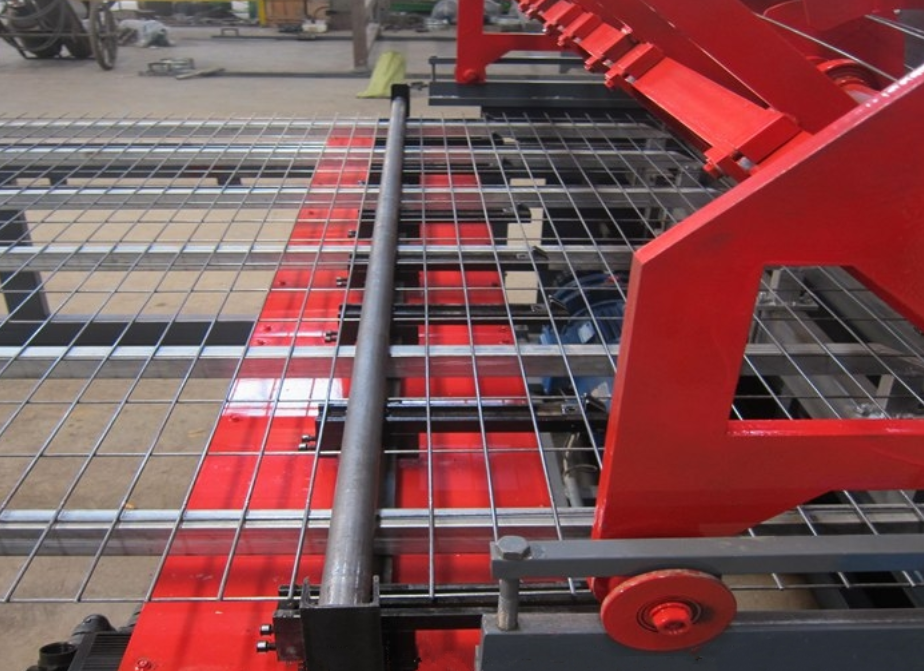
welding locks Manufacturing welding roll of wire
Jinzehong's JZ-RW-500 robotic welding system has been instrumental in improving the company's production capacity and product quality. With its high-speed, precise welding capabilities, Jinzehong has been able to meet the increasing demands of the market while maintaining the highest standards of quality.
Conclusion
Robotic welding is a powerful tool that has revolutionized the manufacturing industry. Its advantages, including increased productivity, enhanced precision, safety, cost reduction, and versatility, make it an indispensable technology for modern manufacturers. By embracing robotic welding, companies like Jinzehong Wire Mesh Products Co., Ltd. can stay ahead in the competitive landscape.
Call to Action
Are you ready to take your manufacturing operations to the next level? Contact Jinzehong Wire Mesh Products Co., Ltd. today to learn how our robotic welding solutions can benefit your business. Email us at ada@jinzehongwiremesh.com or call +86 15383785666.