Wire Mesh Gauge Chart: The Ultimate B2B Buyer's Guide for Sourcing & Specification
Understanding a wire mesh gauge chart is critical for making cost-effective, specification-accurate purchasing decisions. This guide decodes gauge standards (AWG, SWG, BWG), translates them into practical wire diameter and opening sizes, and explains how partnering with a knowledgeable manufacturer like Jinzehong can streamline your procurement, ensure quality compliance, and protect your projects from costly specification errors.
The Core Challenge: Navigating Inconsistent Gauge Standards in Global Sourcing
For import managers, brand owners, and sourcing agents, specifying wire mesh involves a fundamental yet often confusing variable: wire gauge. The primary pain point isn't a lack of information, but an overload of conflicting standards. Relying on an incorrect gauge chart can lead to:
- Material & Performance Failures: Mesh that is too thin for its intended load (filtration, security, reinforcement).
- Logistical & Cost Nightmares: Receiving non-conforming shipments that halt production lines or fail QC checks.
- Communication Breakdowns: Vague RFQs like "18-gauge mesh" resulting in quotes for completely different products based on the supplier's default standard.
This ambiguity directly impacts your bottom line through delays, rejects, and compromised product integrity. The solution lies in moving from a simple number to a complete technical specification.
From Gauge Number to Complete Spec: Your Specification Blueprint
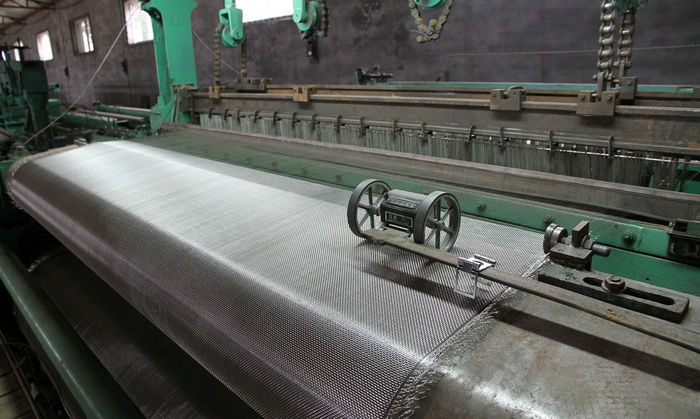
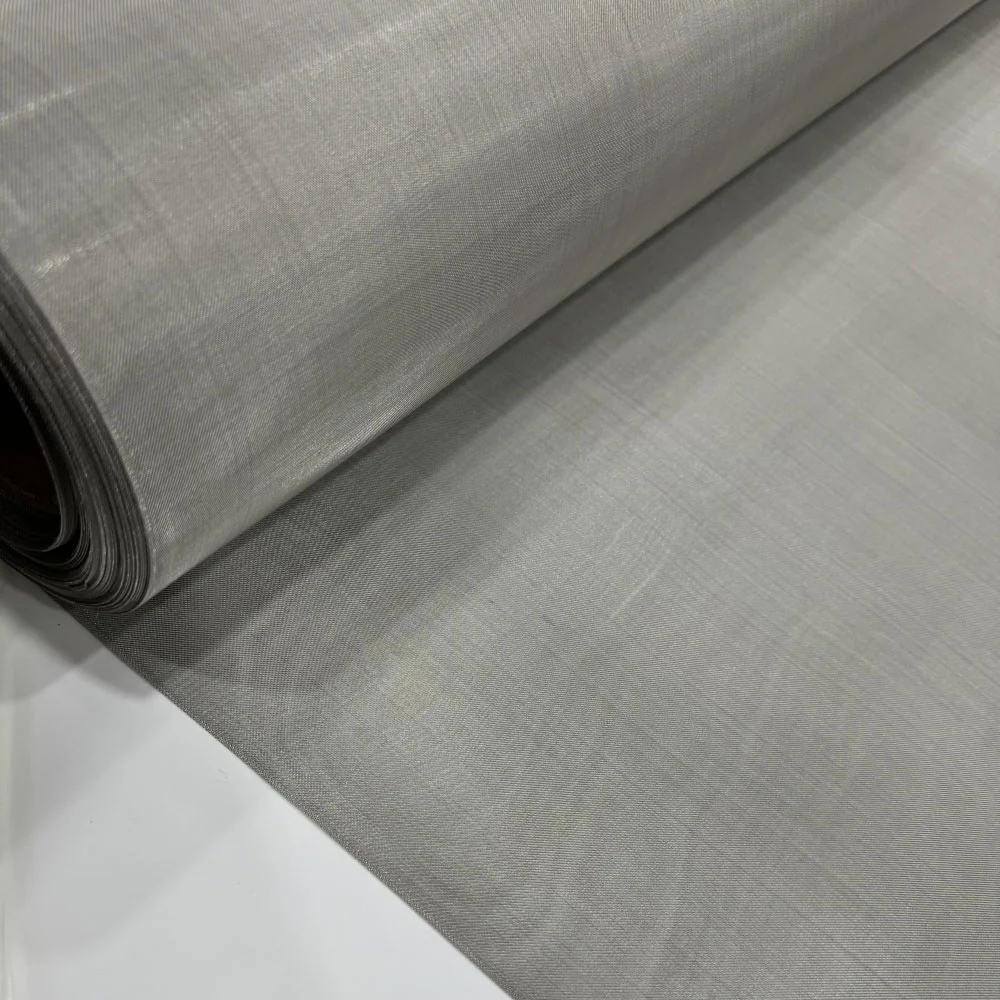
wire mesh wire mesh chemistry fine mesh wire
A professional wire mesh gauge chart is your translation tool. It converts a gauge number into a precise wire diameter (in inches or millimeters), which is the first step. The complete specification for any wire mesh must include four elements:
- Wire Diameter: The thickness of the individual wire.
- Mesh Count: The number of openings per linear inch (or centimeter).
- Opening/Aperture Size: The clear space between wires.
- Material & Weave Type: (e.g., 304 Stainless Steel, Plain Weave).
For example, "18 gauge" is meaningless alone. But "18 AWG (0.0403") diameter, 20x20 mesh count, 304 Stainless Steel, Plain Weave" is a precise, actionable, and globally understandable specification that eliminates guesswork.
Wire Gauge Comparison Table: AWG vs. SWG vs. BWG
The table below provides a clear comparison of the most common gauge standards. Note: Always confirm the exact diameter with your supplier based on material and tolerance.
| Gauge Number | AWG (American Wire Gauge) Diameter (inch/mm) | SWG (British Standard Wire Gauge) Diameter (inch/mm) | BWG (Birmingham Wire Gauge) Diameter (inch/mm) | Typical Application Context |
|---|---|---|---|---|
| 10 | 0.1019" / 2.588 mm | 0.1280" / 3.251 mm | 0.1340" / 3.404 mm | Heavy-duty fencing, industrial grating |
| 18 | 0.0403" / 1.024 mm | 0.0480" / 1.219 mm | 0.0490" / 1.245 mm | Insect screens, filter media, machine guards |
| 24 | 0.0201" / 0.511 mm | 0.0220" / 0.559 mm | 0.0220" / 0.559 mm | Precise filtration, laboratory sieves |
| 30 | 0.0100" / 0.254 mm | 0.0124" / 0.315 mm | 0.0120" / 0.305 mm | Fine particle sieving, specialized printing mesh |
Disclaimer: The values above are for reference. The exact wire diameter for your order will be confirmed in the final specification sheet and may vary slightly based on material and manufacturing tolerances.
Beyond the Chart: Jinzehong's Manufacturing & Service Advantages
An accurate gauge chart ensures you know what to ask for. Partnering with the right factory ensures you get exactly what you specified. Founded in 2000 and operating from a 5,000 m² facility in Anping, Jinzehong Wire Mesh Products Co., Ltd. translates specifications into reliable products through integrated capabilities.
Technical Precision & Quality Assurance
Our production is guided by a commitment to measurable quality. We utilize ISO 9001:2015 aligned quality management systems. For specific applications, we can provide materials with relevant compliance, such as RoHS for electronics or AISI 304/316 stainless steel grades suitable for food contact or architectural use. Dimensional tolerance is strictly controlled, with standard wire diameter tolerances typically within ±0.005mm for fine meshes, subject to material and gauge.
OEM/ODM Design & Customization Support
We operate as an extension of your technical team. Whether you need a standard mesh referenced from a wire mesh gauge chart or a completely custom weave, aperture, or edge treatment (selvedge, hemmed), our engineering team provides OEM/ODM support. We can work from samples, sketches, or performance requirements to develop a prototype for your approval.
Supply Chain Efficiency & Transparent Terms
Leveraging China's integrated supply chain in Anping County, we ensure stable raw material sourcing and high-speed delivery. Our standard lead time for container orders is 15-25 days after sample/design confirmation and deposit. MOQ is flexible, starting at 500 m² for common items, with lower volumes negotiable for new partnerships or specialized materials.
- Packaging: Standard export packaging includes plastic inner wrap and reinforced wooden pallets/crates to prevent corrosion and damage during ocean freight.
- Logistics: We handle all export formalities and support FOB, CIF, or EXW terms based on your preference.
- After-Sales: Provision of Material Test Reports (MTRs), compliance documentation, and dedicated support for any post-delivery inquiries.
Trust Endorsement: Insights from Our Global Partners
Here is direct feedback from professionals who have sourced wire mesh using our technical guidance and services.
"As an importer for construction supplies, gauge confusion between US and UK specs caused us a major delay last year. Working with Jinzehong, their team didn't just send a chart; they asked for our end-use and regional standards first. The mesh for our balcony infill panels arrived exactly to ASTM specs. Their proactive communication on tolerances was a game-changer."
– Michael R., Import Manager, North America
"We needed a custom filter mesh for a new industrial equipment line. Their ODM team helped us transition from a basic gauge idea to a fully specified material (diameter, alloy, weave) that met our flow rate and pressure drop requirements. The prototype sample was spot-on, and full production delivery was two days ahead of schedule."
– Sarah L., Product Development Lead, EU
"Reliability is key for my wholesale business. Ordering '18 gauge' from some catalogs is a lottery. With Jinzehong, I specify '18 AWG' and that's what I get, consistently. Their quality control documentation makes reselling to my own customers much smoother. The value for the consistent quality is very competitive."
– David K., Wholesaler, Australia
Ready to Specify with Confidence?
Don't let gauge confusion compromise your project timeline or budget. Leverage our 20+ years of technical expertise in wire mesh manufacturing.
Next Step: Download our detailed, printable Wire Mesh Gauge & Specification Guide or contact our technical sales team directly for a no-obligation quote and specification review.
Request Your Custom Quote & Tech Guide Email: ada@jinzehongwiremesh.com
Tel: +86 15383785666 | Anping County Jinzehong Wire Mesh Products Co., Ltd. | ISO-Aligned Quality | OEM/ODM Welcome
Frequently Asked Questions (FAQ)
Author Bio: This guide was authored by Alex Morgan, Senior Technical Sales Manager at Jinzehong with over 12 years of experience in international wire mesh specification and application engineering. Alex specializes in helping B2B buyers navigate technical standards to optimize their supply chain for quality and cost.

Image Alt Text Suggestions for This Page:
- wire-mesh-gauge-chart-comparison-table
- stainless-steel-wire-mesh-samples-closeup
- industrial-wire-mesh-rolls-factory-floor
- wire-diameter-measurement-micrometer-tool
- custom-woven-wire-mesh-filter-application