Maximizing Security and Aesthetics: The Ultimate Guide to Wire Fence Installation
Understanding the Importance of Wire Fencing
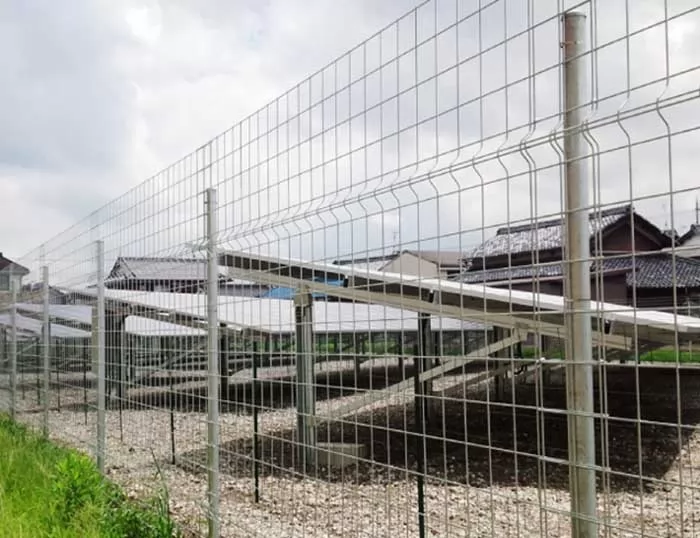
Wire fencing is more than just a boundary; it's a statement of security and style. Whether you're securing a residential property, a commercial space, or a farm, choosing the right wire fence and installing it correctly can make all the difference.
Choosing the Right Wire Fence for Your Needs
At Jinzehong Wire Mesh Products Co., Ltd., we understand that not all wire fences are created equal. Here's how to choose the perfect one for your needs:
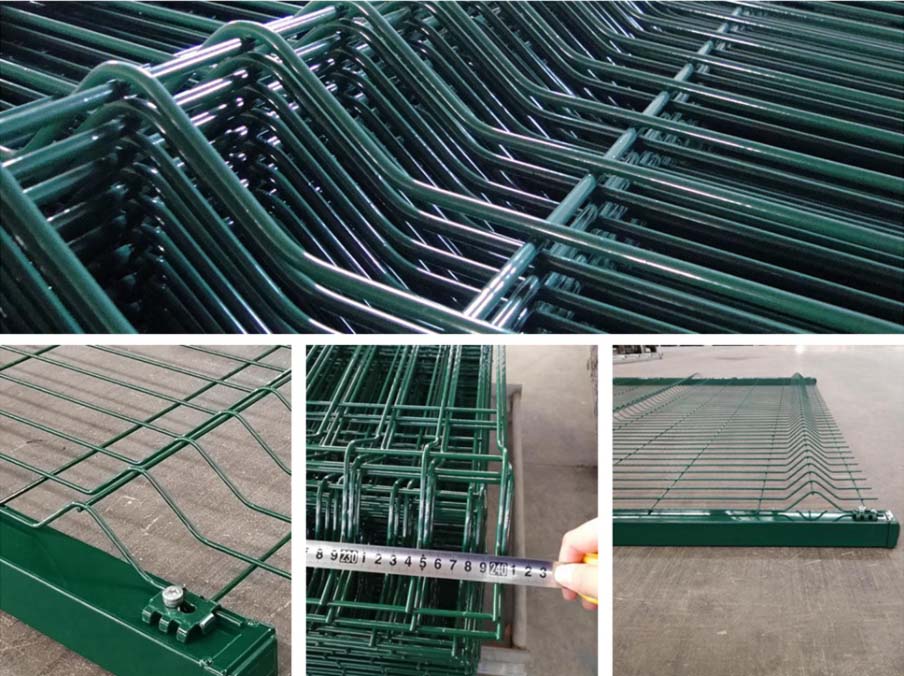
- Material: Galvanized steel is durable and corrosion-resistant, making it ideal for outdoor use.
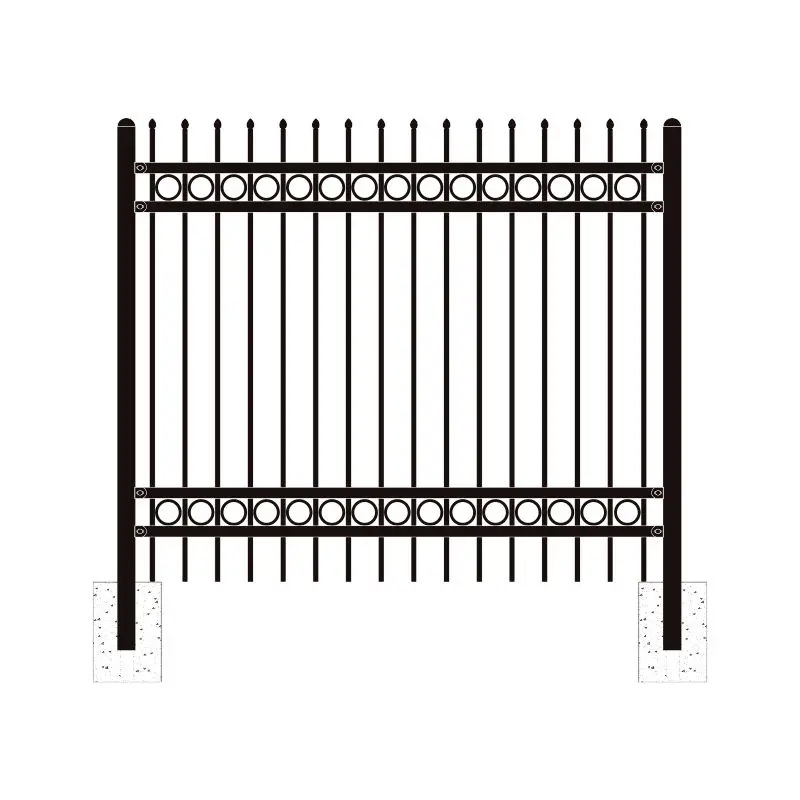
- Design: Consider the look you want to achieve—whether it's a traditional 6-foot fence or a more modern, decorative design.
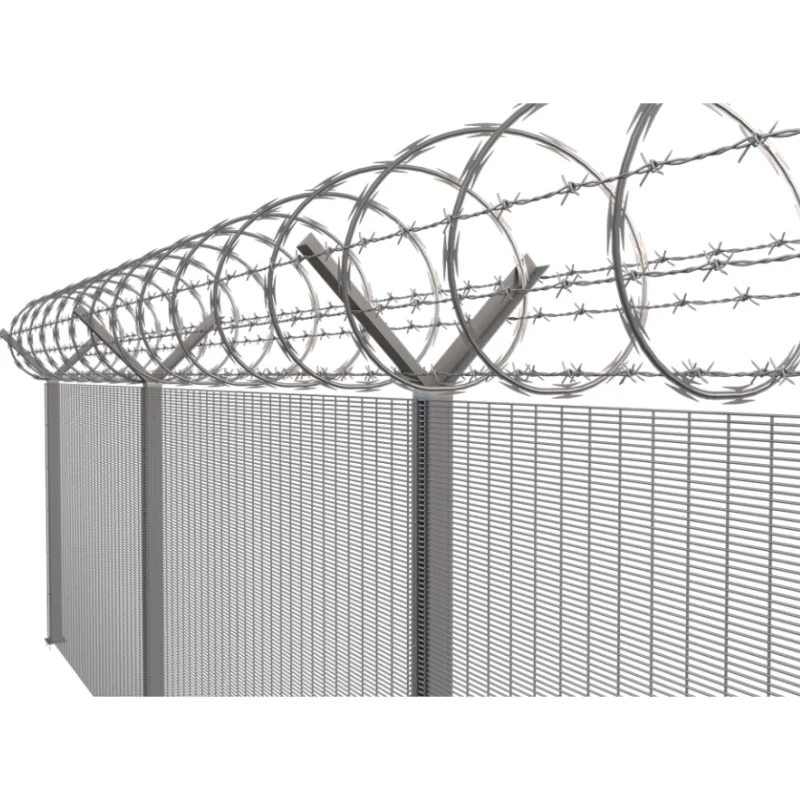
- Height: The height of your fence will depend on the level of security you need. Higher fences provide better privacy and security.
Product Specifications and Technical Table
| Product Model | Height (ft) | Width (in) | Material |
|---|---|---|---|
| JH-GS-6 | 6 | 4 | Galvanized Steel |
| JH-GS-8 | 8 | 4 | Galvanized Steel |
| JH-GS-10 | 10 | 4 | Galvanized Steel |
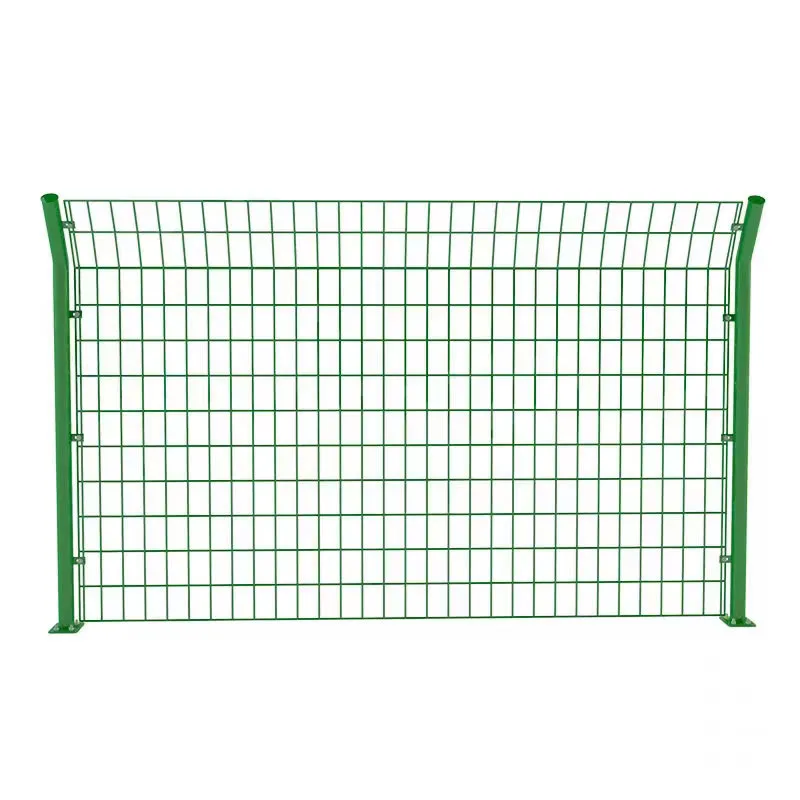
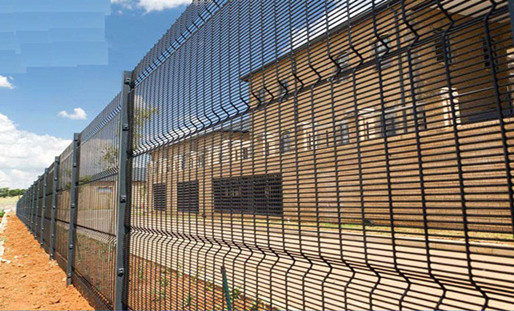
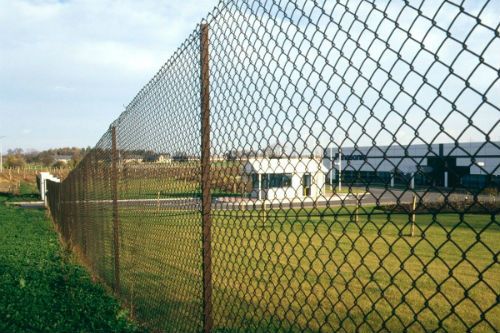
black aluminum fence installation installation of a chain link fence residential aluminum fence installation
Step-by-Step Guide to Wire Fence Installation
Step 1: Planning Your Fence
Before you start, it's crucial to plan your fence. Measure the perimeter you want to fence and decide where the gates will be located.
Step 2: Preparing the Ground
Clear the area of any vegetation or debris. Make sure the ground is level and compacted to provide a stable foundation for your fence posts.
Step 3: Installing the Posts
Start by digging post holes. The depth should be at least twice the height of the post. Insert the posts into the holes and backfill with concrete, ensuring they are plumb and level.
Step 4: Attaching the Rails
Once the posts are set, attach the top and bottom rails. These provide additional support for the fence panels and help maintain the fence's integrity.
Step 5: Installing the Panels
Attach the fence panels to the rails using the provided hardware. Make sure the panels are tight and level.
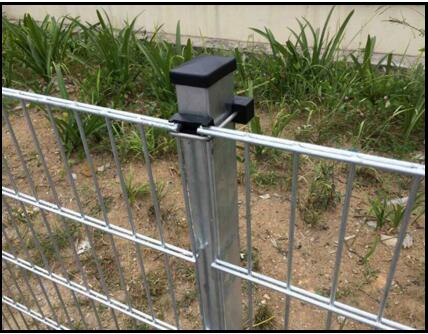
Step 6: Finishing Touches
Clean up any excess concrete and hardware. Trim any overhanging branches or vegetation to prevent future damage to the fence.
Common Mistakes to Avoid
Installing a wire fence can be a rewarding DIY project, but it's important to avoid common mistakes:
- Not Planning Properly: Measure twice and cut once to avoid unnecessary work.
- Not Preparing the Ground: A stable foundation is crucial for a long-lasting fence.
- Not Using the Right Hardware: Use high-quality hardware to ensure your fence stays secure.
Benefits of Professional Installation
While DIY installation can be satisfying, hiring professionals can offer several benefits:
- Expertise: Professionals have the experience and knowledge to handle any challenges that may arise.
- Time Efficiency: Professionals can complete the job faster and more efficiently.
- Quality Assurance: Professional installation ensures your fence is installed correctly and securely.
Conclusion
Installing a wire fence can enhance the security and aesthetic appeal of your property. By following these steps and avoiding common mistakes, you can enjoy a fence that stands the test of time. Whether you choose to DIY or hire professionals, remember that quality products and proper installation are key to a successful fence project.
For high-quality wire mesh products and expert advice, trust Jinzehong Wire Mesh Products Co., Ltd. Contact us today to learn more about our products and services.
For more information, please visit our contact page.
Call us at +86 15383785666 or email ada@jinzehongwiremesh.com.