The Art of Warehouse Slotting: Optimizing Space, Streamlining Operations
Introduction to Warehouse Slotting
Warehouse slotting isn't just about organizing your inventory—it's a strategic art form that can revolutionize your supply chain. As an essential part of warehouse management, it ensures your products are readily accessible, reducing handling times and increasing efficiency. In this article, we'll dive deep into the world of warehouse slotting, exploring its significance, best practices, and the tools that can help you get it right.
Understanding Warehouse Slotting
Imagine your warehouse as a well-oiled machine, and slotting is the grease that keeps it running smoothly. It's the process of strategically placing items in your warehouse based on their size, frequency of use, and accessibility needs. The goal is to minimize travel distances for picking, packing, and shipping operations.
Why is Warehouse Slotting Important?
-
Increased Efficiency: With well-placed items, your team spends less time searching and more time working.
-
Reduced Costs: Fewer pick errors and shorter handling times mean lower operational expenses.
-
Better Space Utilization: Maximize your storage space without compromising on accessibility.
-
Improved Customer Satisfaction: Quicker order processing leads to happier customers.
Key Factors in Effective Warehouse Slotting
1. Item Characteristics
Every item in your warehouse has unique attributes. Consider factors like weight, size, volume, and shelf-life when deciding where to place them.
2. Order Processing Patterns
Analyze your order data to understand which items are frequently picked together or in large quantities. This can help in grouping items strategically.
3. Workflow Design
Optimize your workflow by considering the sequence of operations. For instance, items that are often picked together should be placed near each other to minimize movement.
Advanced Slotting Techniques
1. ABC Analysis
This technique categorizes items into A, B, and C based on their value. A-items are high-value, B-items are medium-value, and C-items are low-value. This helps in prioritizing placement and management.
2. Dynamic Slotting
Unlike static slotting, dynamic slotting allows for adjustments in real-time. This is particularly useful in environments where demand fluctuates frequently.
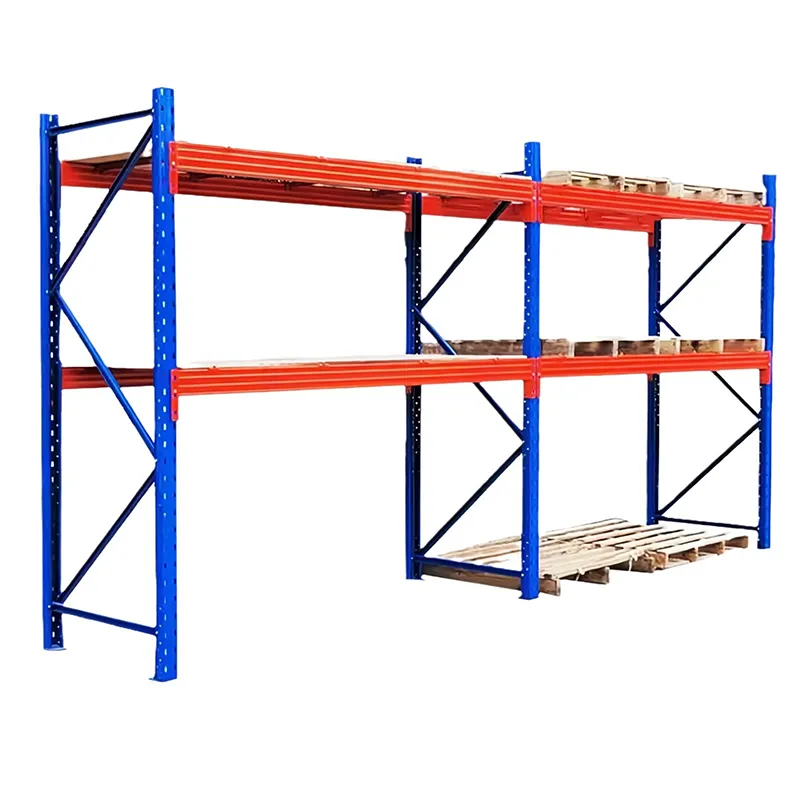
3. Pallet Flow Racks
These racks allow items to flow down the aisle, ensuring the most frequently used items are always at the front. Perfect for high-turnover products.
Case Study: Jinzehong Wire Mesh Products Co., Ltd.
At Jinzehong Wire Mesh Products Co., Ltd., we've leveraged advanced slotting techniques to streamline our operations. By analyzing our inventory data, we've been able to reduce pick times by 30% and increase storage capacity by 20%.
Product Specifications and Technical Table
| Feature | Description |
|---|---|
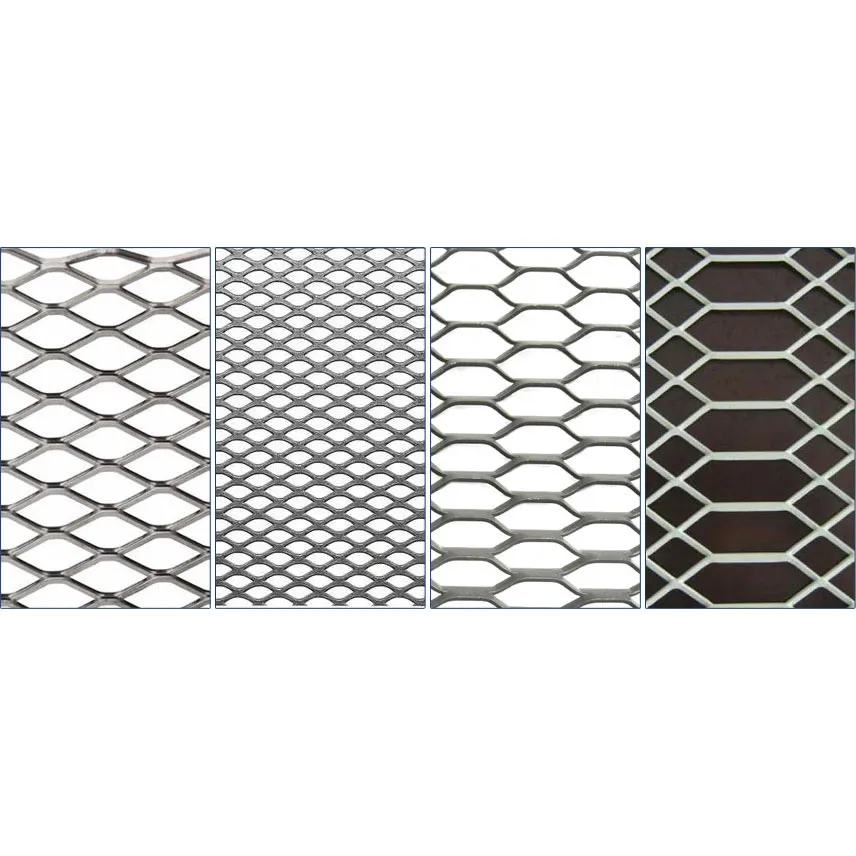
| Material | High-quality steel wire |
| Mesh Size | Available in various sizes (1mm to 20mm) |
| Finish | Galvanized, hot-dipped, or black |
| Applications | Construction, filtration, and agricultural industries |
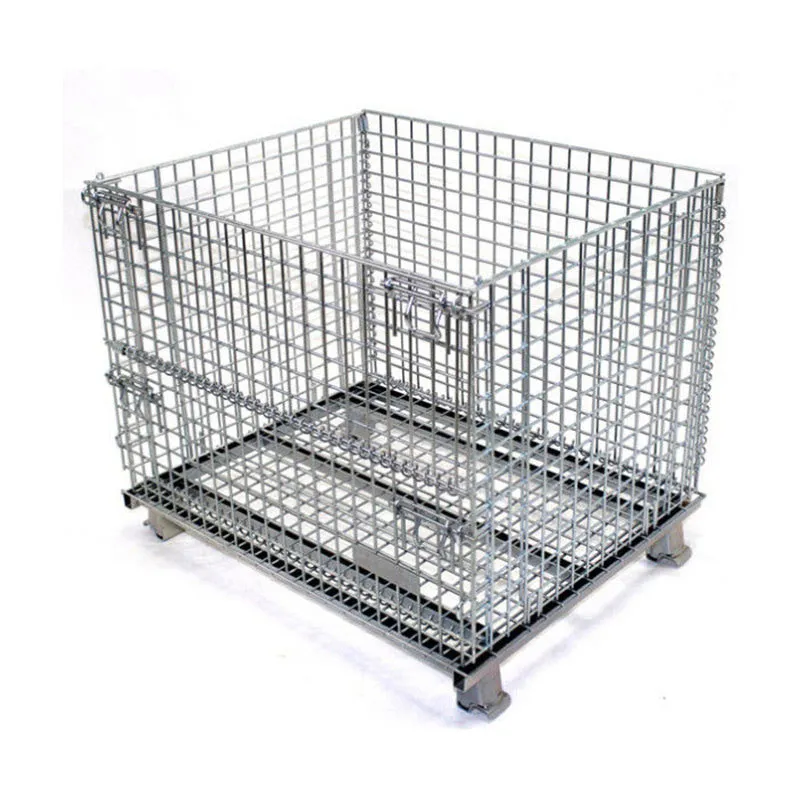
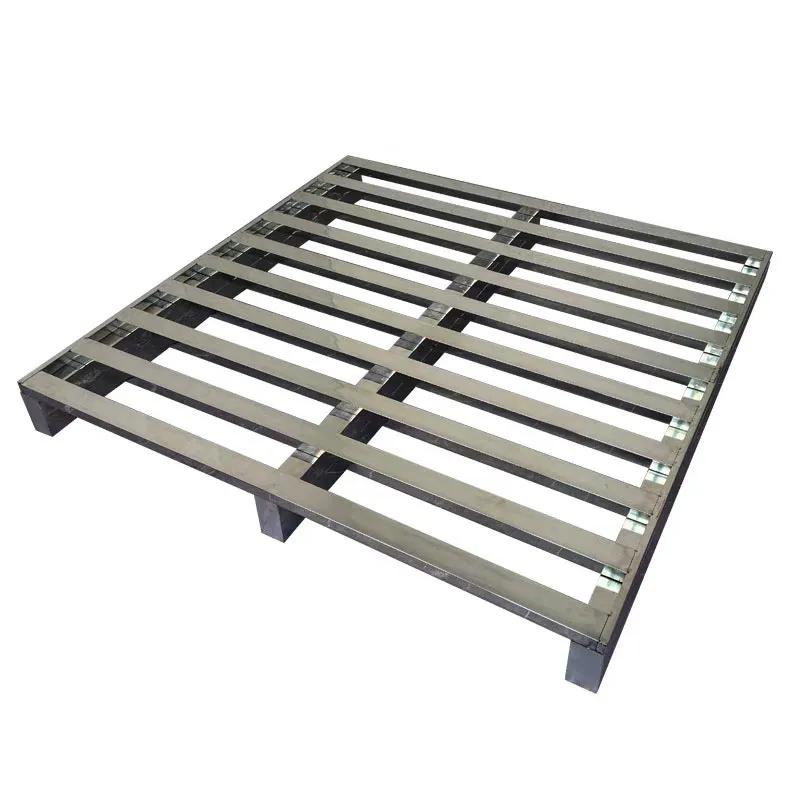
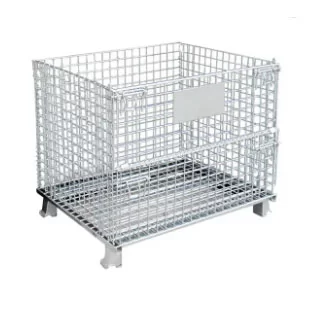
warehouse storage anchor warehouse warehouse bulk
Conclusion
Warehouse slotting might seem like a daunting task, but with the right strategies and tools, it can transform your operations. At Jinzehong Wire Mesh Products Co., Ltd., we understand the importance of a well-organized warehouse. By implementing efficient slotting techniques, we've not only improved our own operations but also delivered enhanced value to our customers. So, why not take the first step towards a more efficient warehouse? Contact us today to learn how we can help you optimize your storage space and streamline your operations.
Contact Us: www.jinzehongmesh.com/contactus.html
Jinzehong Wire Mesh Products Co., Ltd.
Anping County, Hengshui City, Hebei Province, China
Tel: +86 15383785666
Email: ada@jinzehongwiremesh.com