Understanding the Versatility of Vinyl Fences: A Comprehensive Guide
Introduction to Vinyl Fences
Have you ever wondered what sets vinyl fences apart from traditional wood or metal options? As a long-time enthusiast of outdoor aesthetics and functionality, I've had the pleasure of exploring the many benefits of vinyl fences. In this article, we'll delve into the world of vinyl fences, exploring their history, benefits, and how they can enhance your property.
History of Vinyl Fencing
While the concept of fences dates back centuries, vinyl fencing as we know it today is a relatively modern invention. Introduced in the 1950s, vinyl fencing has rapidly gained popularity due to its durability and aesthetic appeal. Let's take a quick look at the evolution of vinyl fencing.
Early Years
In the 1950s, the first vinyl fences were made from polyvinyl chloride (PVC), a material that had been used for piping and windows. These early fences were not as versatile or durable as today's options, but they laid the foundation for future advancements.
Modern Advancements
Over the years, advancements in technology have allowed for the creation of more durable and customizable vinyl fences. Today, vinyl fencing is available in a wide range of styles, colors, and textures, making it an excellent choice for any property.
Benefits of Vinyl Fencing
As someone who has installed vinyl fencing on several properties, I can confidently say that there are numerous benefits to choosing this material over traditional options. Let's explore some of the key advantages:
Durability
One of the most significant benefits of vinyl fencing is its durability. Unlike wood, which can rot and warp over time, or metal, which can rust and corrode, vinyl is incredibly resilient. It can withstand harsh weather conditions, including extreme heat, cold, rain, and snow, without losing its shape or color.
Low Maintenance
Another advantage of vinyl fencing is its low maintenance requirements. Unlike wood, which needs to be stained or painted regularly, or metal, which requires rust-proofing, vinyl fencing only needs an occasional wash with soap and water. This makes it a convenient choice for busy homeowners who want to spend less time on maintenance and more time enjoying their outdoor space.
Aesthetic Appeal
With a wide range of styles, colors, and textures, vinyl fencing offers an incredible level of customization. Whether you prefer a classic white picket fence or a sleek, modern vinyl panel, you can find a style that complements your property's architecture and personal taste.
Environmental Benefits
As someone who is passionate about sustainability, I appreciate the environmental benefits of vinyl fencing. It is made from recyclable materials, and it doesn't require the same level of energy to produce as wood or metal fencing. Additionally, vinyl fencing doesn't contribute to deforestation or air pollution.
Product Specifications and Technical Table
At Jinzehong Wire Mesh Products Co., Ltd., we take pride in offering high-quality vinyl fencing solutions. Below is a technical table outlining the specifications of our premium vinyl fence products:
| Product Name | Thickness | Width | Length | Color Options |
|---|---|---|---|---|
| Classic Vinyl Picket Fence | 1.2mm | 1.5m | 6m | White, Black, Brown, Green |
| Modern Vinyl Privacy Fence | 1.5mm | 1.8m | 6m | White, Black, Gray, Beige |
steel fences aluminum fences fences modern
Installation Process
Installing a vinyl fence is a straightforward process that can be completed by most homeowners. Here's a step-by-step guide to help you get started:

Step 1: Plan Your Design
Before you begin, take the time to plan your fence design. Consider the height, style, and placement of your fence to ensure it complements your property.
Step 2: Prepare the Ground
Clear the area where your fence will be installed, removing any debris or vegetation. Level the ground and mark the fence posts' locations.
Step 3: Install the Posts
Use a post hole digger to create holes for your fence posts. Ensure that the holes are deep enough to accommodate the posts' concrete footing.
Step 4: Set the Posts
Insert the posts into the holes and pour concrete into the bottom. Wait for the concrete to set before moving on to the next step.
Step 5: Attach the Rails
Once the posts are set, attach the fence rails to the posts using galvanized screws.
Step 6: Attach the Panels
Finally, attach the vinyl fence panels to the rails. Be sure to secure them tightly to ensure stability.
Conclusion
As someone who has witnessed the transformation of properties through the installation of vinyl fencing, I highly recommend this material for anyone looking to enhance their outdoor space. With its durability, low maintenance, and aesthetic appeal, vinyl fencing is a smart and stylish choice. Contact Jinzehong Wire Mesh Products Co., Ltd. today to learn more about our premium vinyl fence products and to schedule a consultation.
For more information, please visit:
Jinzehong Wire Mesh Products Co., Ltd.
Phone: +86 15383785666
Email: ada@jinzehongwiremesh.com
Address: South Road, 500 meters North of Houzhangzhuang, Anping County, Hengshui City, Hebei Province, China
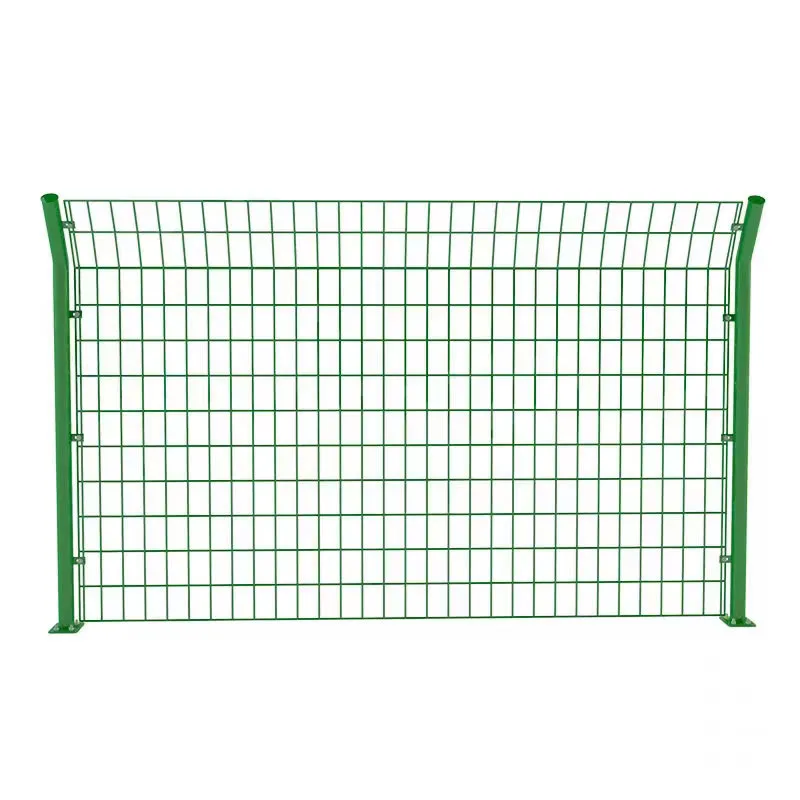
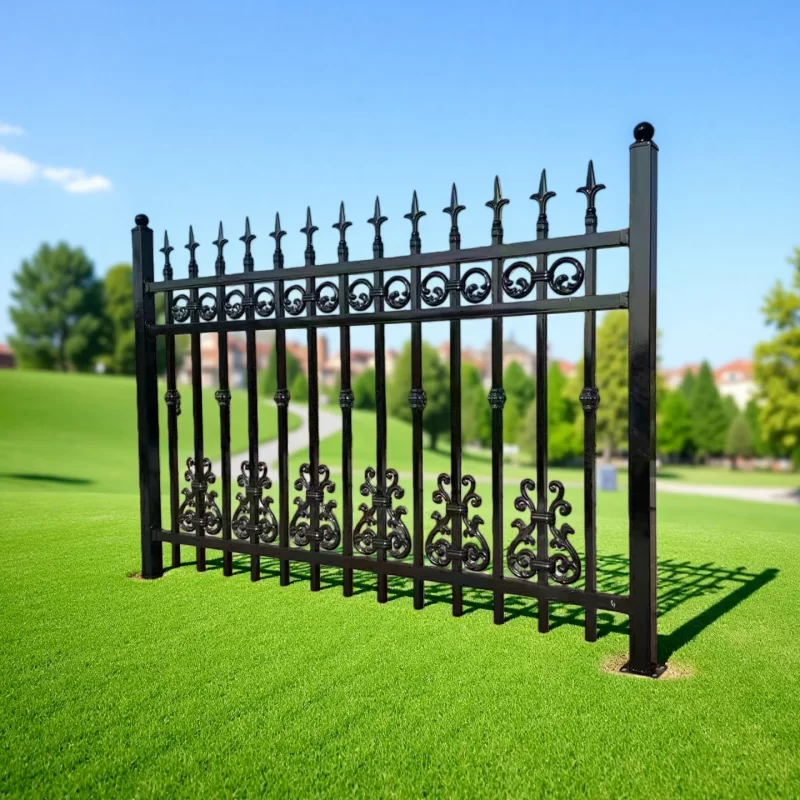
 - Durable Fencing Solutions.jpg "Vinyl Fenceing")