The Ultimate Guide to Styrofoam Acoustic Insulation: What You Need to Know
Introduction to Styrofoam Acoustic Insulation
As a homeowner or building contractor, you've likely heard about the benefits of acoustic insulation. But what about styrofoam? In this article, we'll dive into the world of styrofoam acoustic insulation, exploring its properties, uses, and advantages over traditional insulation materials.
Understanding Styrofoam Acoustic Insulation
Styrofoam, also known as extruded polystyrene (XPS), is a versatile and efficient material used for acoustic insulation. It's made from small, closed-cell foam beads that trap air, providing excellent thermal and acoustic properties.
What Makes Styrofoam Acoustic Insulation Unique?
- High R-value: Styrofoam has a high R-value, meaning it provides excellent thermal resistance and energy efficiency.
- Water-resistant: It's moisture-resistant, making it ideal for use in damp or wet environments.
- Long-lasting: With proper installation, styrofoam can last for decades, offering a long-term solution for acoustic insulation.
Product Specifications and Technical Table
| Property | Value |
|---|---|
| Thermal Conductivity (W/m·K) | 0.033 – 0.042 |
| Bulk Density (kg/m³) | 15 – 50 |
| Water Absorption (by volume) | 0.01 – 0.05 |
| Compressive Strength (kPa) | 100 – 300 |
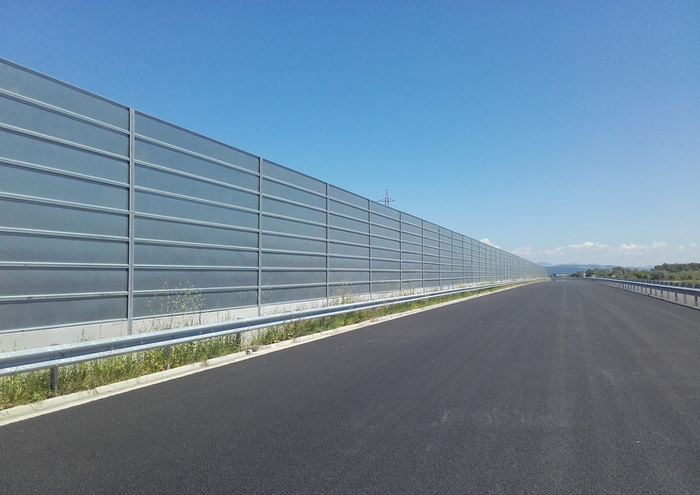
sound insulation system acoustic fencing sound insulation clips
Applications of Styrofoam Acoustic Insulation
Styrofoam acoustic insulation is suitable for a wide range of applications, including:
Residential Buildings
- Attics and walls
- Underfloor insulation
- Roofing applications
Commercial Buildings
- Office buildings
- Shopping centers
- Public transportation
Industrial Applications
- Equipment enclosures
- Insulation for pipes and vessels
- Acoustic barriers
Advantages of Styrofoam Acoustic Insulation
Compared to traditional insulation materials, styrofoam offers several advantages:
Energy Efficiency
Styrofoam's high R-value helps reduce energy consumption, leading to lower utility bills and a smaller carbon footprint.
Comfort and Health
By reducing noise levels, styrofoam creates a more comfortable living and working environment. It also prevents the growth of mold and mildew, contributing to better indoor air quality.
Cost-Effective
Styrofoam is a cost-effective solution for acoustic insulation, offering a competitive price point without compromising on quality.

Installation Tips
Proper installation is key to maximizing the performance of styrofoam acoustic insulation. Here are some tips to keep in mind:
Prepare the Surface
Ensure the surface is clean, dry, and free of dust and debris before installing the insulation.
Seal All Joints and Cracks
Use a high-quality sealant to seal all joints and cracks to prevent air and moisture infiltration.
Use Adhesive or Mechanical Fasteners
Choose the appropriate adhesive or mechanical fasteners for your specific application and follow the manufacturer's instructions.
Conclusion
Styrofoam acoustic insulation is a versatile, efficient, and cost-effective solution for reducing noise and improving energy efficiency in buildings. By understanding its properties, applications, and installation tips, you can make informed decisions when selecting and installing this innovative material.
For more information on styrofoam acoustic insulation, contact Jinzehong Wire Mesh Products Co., Ltd. at https://www.jinzehongmesh.com/contactus.html or call us at +86 15383785666.