Unlocking the Strength: An In-Depth Look at Stiffness Testing Equipment
Introduction to Stiffness Testing Equipment
Hey there, fellow engineers and quality assurance enthusiasts! Have you ever found yourself scratching your head over how to accurately measure the stiffness of a material or structure? Well, you're in luck because we're diving into the fascinating world of stiffness testing equipment. Let's get to it!
What is Stiffness Testing?
So, what exactly is stiffness? Stiffness is a measure of how much force is required to deform a material or structure. In simpler terms, it's all about how 'rigid' or 'flexible' something is. And that's where stiffness testing comes into play. It helps us understand how materials will behave under different forces, ensuring the structural integrity and safety of products in various industries.
Why is Stiffness Testing Important?
Stiffness testing is crucial for numerous industries, including automotive, aerospace, construction, and even consumer goods. By understanding the stiffness of materials, engineers can design safer, more durable, and more efficient products. For example, in the automotive industry, stiffness testing helps ensure that vehicles can withstand harsh conditions and provide a comfortable ride.
Product Specifications: Jinzehong Stiffness Testing Equipment
| Feature | Description |
|---|---|
| Maximum Load Capacity | Up to 50kN |
| Accuracy | ±0.5% |
| Resolution | 0.1N |
| Speed Range | 0.001-500mm/min |
| Control System | PC-based control system for easy operation |
seismic equipment shear testing machine stainless steel medical equipment
How Stiffness Testing Equipment Works
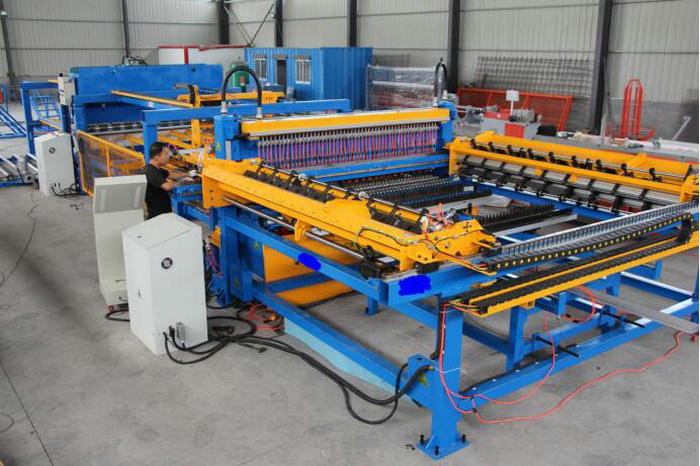
Stiffness testing equipment typically consists of a load cell, a frame, a crosshead, and a controller. The load cell measures the force applied to the material, while the frame holds everything together. The crosshead moves at a controlled speed, applying force to the material. As the force increases, the material deforms, and the controller records the data.
Step-by-Step Stiffness Testing Process
- Secure the material to be tested in the machine.
- Calibrate the equipment.
- Set the desired force and speed.
- Apply the force to the material and record the data.
- Analyze the results and make conclusions.
Benefits of Using Stiffness Testing Equipment
There are numerous benefits to using stiffness testing equipment. For one, it helps identify material defects early in the production process, saving both time and money. Additionally, it provides valuable insights into the performance of materials under various conditions, ensuring the quality and safety of your products.

Real-World Applications of Stiffness Testing
Stiffness testing is used in various real-world applications. For instance, it helps determine the optimal material and design for car suspension systems, ensuring a smooth and comfortable ride. It also plays a crucial role in the construction industry, helping engineers design safe and structurally sound buildings and bridges.
Case Study: Automotive Industry
In the automotive industry, stiffness testing equipment is used to ensure the comfort and safety of passengers. For example, by testing the stiffness of car seats, engineers can optimize their design for better support and comfort. This, in turn, enhances the overall driving experience and reduces the risk of injury in the event of an accident.
Conclusion
So, there you have it—a comprehensive guide to stiffness testing equipment. From understanding the basics to the practical applications, we've covered it all. As you can see, stiffness testing is an essential tool for engineers and quality assurance professionals. If you're looking for a reliable and high-quality stiffness testing solution, check out Jinzehong Wire Mesh Products Co., Ltd. Their products are sure to meet your needs.
Don't forget to visit their website at https://www.jinzehongmesh.com/contactus.html for more information or to get in touch with their team.