Master the Steel Types Chart: Reduce Material Costs by Up to 25%
A definitive guide for purchasing managers and engineers to select the right steel grade, optimize specifications, and avoid costly over-engineering. Streamline your procurement and boost project ROI.
Get Your Free Custom Steel Specification SheetContents
Are You Overpaying for Steel? The Real Cost of Selection Errors
Selecting the wrong steel type from the steel types chart isn't just a technical error—it's a direct hit to your bottom line. Purchasing managers and engineers face relentless pressure to balance performance with budget.
- Costly Over-Specification: Using AISI 304 stainless (18-8) when AISI 430 or even a coated carbon steel would perform perfectly, inflating material costs by 40-60%.
- Project Delays & Downtime: Confusion between ASTM, EN, and JIS standards leads to wrong material delivery, halting production lines.
- Supplier Inconsistency: Vague requests for "mild steel" result in inconsistent tensile strength and yield points across batches, compromising product quality.
- Hidden Logistics & Tariff Costs: Not understanding the exact HS code for your steel grade can lead to unexpected customs duties and clearance delays.
- Wasted Engineering Hours: Teams spend weeks cross-referencing complex steel grade charts and material data sheets instead of focusing on core design.
The solution isn't a bigger budget—it's precise knowledge and strategic sourcing. The right steel material chart is your roadmap to savings.
Steel Types Chart Explained: Your Decision-Making Framework
A steel classification chart organizes alloys by composition, properties, and numbering systems. Here’s a breakdown of the four primary categories essential for industrial procurement.
1. Carbon Steels (Non-Alloy)
Make up ~90% of global steel production. Defined by carbon content, which directly correlates to strength and hardness.
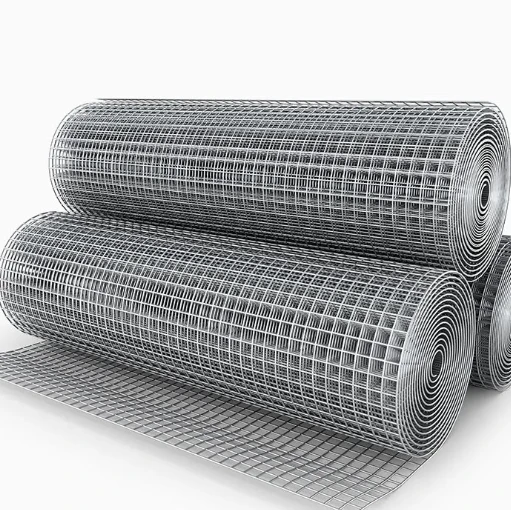
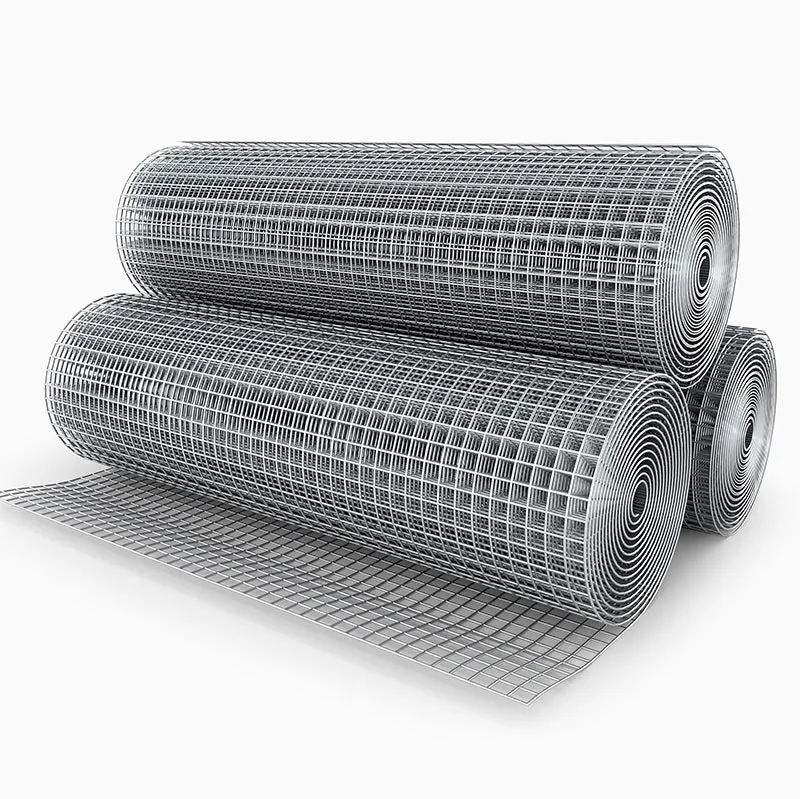
- Low Carbon (Mild Steel): C ≤ 0.25%. Excellent weldability/formability. Used in wire mesh, panels, automotive bodies. (ASTM A36, AISI 1018).
- Medium Carbon: C 0.25%-0.60%. Balanced strength/ductility. For shafts, gears, rails. (AISI 1040, 1045).
- High Carbon: C 0.60%-1.0%. Very hard, wear-resistant. For springs, cutting tools, blades.
2. Alloy Steels
Carbon steel + intentional elements (Cr, Ni, Mo, V) to enhance mechanical properties like hardenability and corrosion resistance.
- High-Strength Low-Alloy (HSLA): Small alloy additions for superior strength-to-weight ratio. Common in construction and transportation.
- Examples: AISI 4140 (Cr-Mo steel), AISI 4340. Used in high-stress components like axles and presses.
3. Stainless Steels
Defined by minimum 10.5% Chromium for corrosion resistance. The stainless steel grades chart is critical for chemical, food, and marine applications.
- Austenitic (Series 200/300): Non-magnetic, excellent corrosion resistance. AISI 304 (18-8) is the universal grade; 316 adds Molybdenum for chloride resistance.
- Ferritic (Series 430): Magnetic, moderate corrosion resistance, cost-effective for non-critical applications.
- Martensitic (Series 410, 420): Magnetic, heat-treatable, high strength. Used for cutlery, valves.
4. Tool Steels
Designed for cutting, shaping, and stamping. High hardness, wear resistance, and thermal stability (e.g., AISI D2, M2).
Industrial Steel Grades Comparison Chart
Use this steel grades and properties chart for quick, at-a-glance comparison of common industrial steels.
| Grade (Standard) | Type | Key Properties | Typical Yield Strength (MPa) | Relative Cost Index | Best For |
|---|---|---|---|---|---|
| AISI 1018 (ASTM A29) | Low Carbon Steel | Excellent weldability, good ductility | 310 | 1.0 (Baseline) | Wire mesh, frames, fixtures |
| ASTM A36 | Structural Carbon Steel | General construction strength | 250 | 1.1 | Building structures, plates |
| AISI 304 (UNS S30400) | Austenitic Stainless | Corrosion resistance, hygiene | 215 | 3.5 - 4.0 | Food processing, architectural, chemical containers |
| AISI 316 (UNS S31600) | Mo-Bearing Stainless | Superior chloride resistance | 205 | 4.5 - 5.0 | Marine, pharmaceutical, coastal architecture |
| AISI 4140 | Chromium-Molybdenum Alloy | High strength, good toughness | 415 (Annealed) | 2.2 - 2.5 | Shafts, gears, tool holders |
| EN 1.4016 / AISI 430 | Ferritic Stainless | Moderate corrosion resistance, magnetic | 310 | 2.0 - 2.3 | Appliance trim, automotive exhausts (interior) |
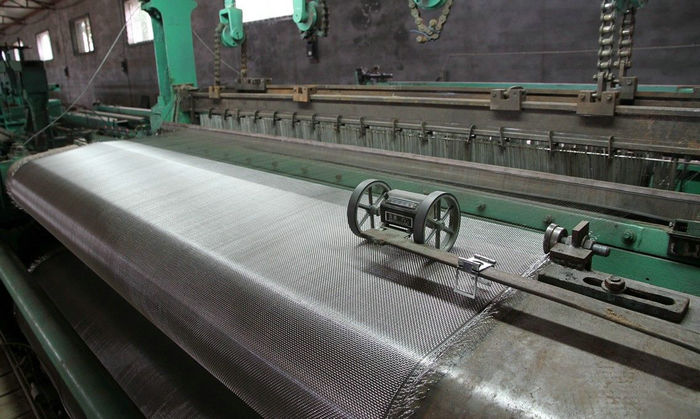
grades of stainless steel chart steel grids steel handling
Need a chart for a specific application? Our engineers can provide a customized steel specification chart in 4 hours.
From Chart to Purchase: Application-Based Selection
Match the steel grade chart to your project's real-world demands.
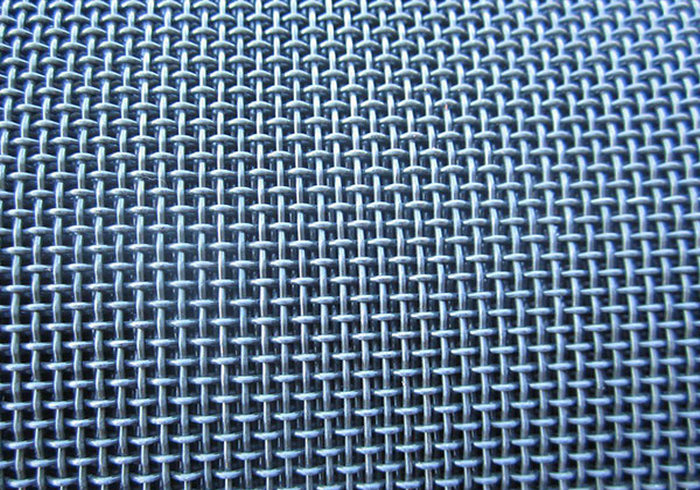
Wire Mesh & Filtration Products
Primary Challenge: Balancing tensile strength, weave precision, and corrosion resistance for lifespan.
- Standard Industrial Screens: Low Carbon Steel (AISI 1018) – Galvanized or PVC coated for cost-effective corrosion protection.
- Chemical Filtration: AISI 316 Stainless Steel – For harsh acids/alkalis. Verify Mo content ≥2.0%.
- Food & Pharma Grade Mesh: AISI 304 Stainless Steel, polished to a specific Ra (Roughness Average) for cleanability. Must comply with FDA CFR 21 for food contact.
- High-Temperature Applications: Consider Austenitic stainless (304H, 321) or Ferritic grades (430) based on exact temperature and atmosphere.
Jinzehong Pro Tip: For export to North America, specify ASTM/ASME standards (e.g., ASTM A480 for stainless sheet). For the EU, EN standards (EN 10088-2) are key. We provide dual-certification materials.
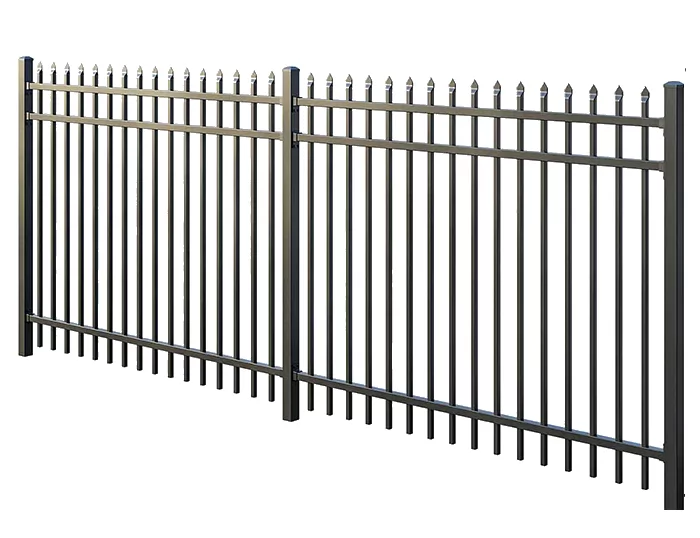
Structural & Architectural Metalwork
Primary Challenge: Meeting load-bearing codes while managing aesthetics and weathering.
- Indoor Structural Frames: ASTM A36 carbon steel – The industry workhorse for beams and columns.
- Outdoor/Coastal Architectural Cladding: AISI 316L (Low Carbon variant) to prevent weld decay. For less aggressive environments, powder-coated AISI 304 is a cost-saving alternative.
- Decorative Wire Rope & Balustrades: AISI 304 with a specified finish (e.g., #4 Brushed, Mirror).
Why Global Buyers Trust Jinzehong for Precision Steel Products
Beyond the steel types chart, successful procurement hinges on supplier capability. Here’s how we turn material knowledge into your competitive edge.