The Ultimate Guide to Steel Grating Dimensions: What You Need to Know
Introduction to Steel Grating
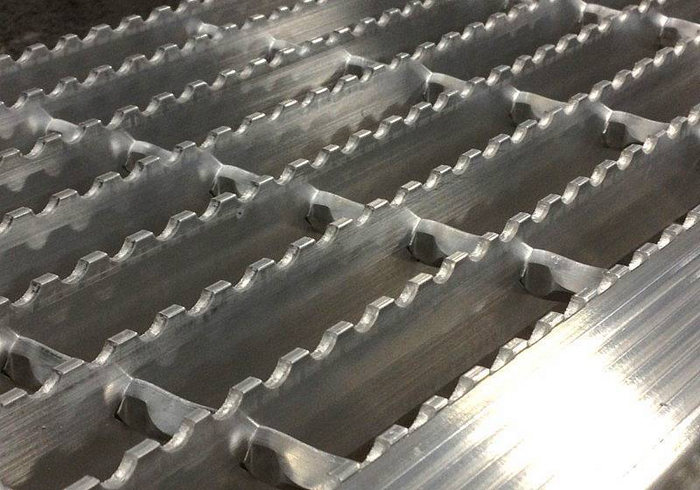
Steel grating is a versatile material used in a variety of industries, from construction to transportation. It's important to understand the dimensions of steel grating to ensure it meets your specific needs. In this article, we'll dive into the world of steel grating dimensions, exploring their importance and how to choose the right size for your project.
Understanding Steel Grating Dimensions
1. Span Width
The span width is the distance between the supports of the steel grating. This dimension is crucial for determining the structural integrity and load-bearing capacity of the grating. A wider span width allows for larger open areas, which can enhance the aesthetic appeal and reduce material costs.
2. Depth
The depth of the steel grating refers to the thickness of the material. It affects the strength and durability of the grating. Thicker gratings are more resistant to wear and tear, making them ideal for heavy-duty applications.
3. Bar Size
The bar size is the width of the steel bars used in the grating. Larger bar sizes provide greater strength and rigidity, while smaller bar sizes allow for more open space and reduced weight.
4. Pitch
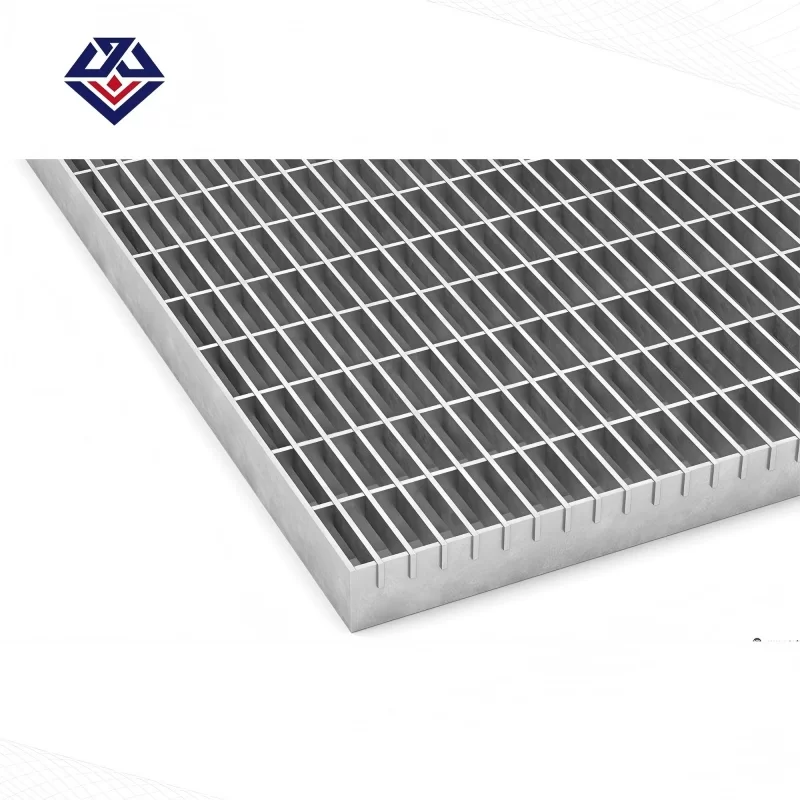
The pitch is the distance between the centers of adjacent bars in the grating. A smaller pitch increases the strength of the grating, but also reduces the open area. The pitch should be chosen based on the specific application and the desired balance between strength and openness.
Product Specifications and Technical Table
| Dimension | Value | Description |
|---|---|---|
| Span Width | 300mm - 1200mm | Standard span width range |
| Depth | 20mm - 50mm | Thickness of the grating material |
| Bar Size | 5mm - 10mm | Width of the steel bars |
| Pitch | 25mm - 100mm | Distance between bars |
bar grating dimensions 19w4 grating dimensions steel metal grating
Choosing the Right Steel Grating Dimensions
1. Consider the Application
When selecting steel grating dimensions, it's essential to consider the application. For heavy-duty industrial applications, choose a grating with a larger depth and bar size. For lighter-duty applications, a thinner grating with a smaller bar size may suffice.
2. Balance Strength and Openness
Striking a balance between strength and openness is key. A smaller pitch increases strength but reduces the open area, which can be important for aesthetic reasons or to reduce the weight of the grating.
3. Load-Bearing Capacity
Ensure that the steel grating you choose can support the intended load. This is particularly important in industrial settings where heavy machinery and equipment are present.
Case Study: Steel Grating in Construction
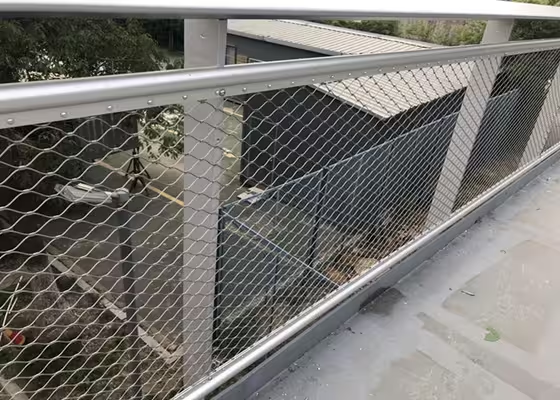
In a recent construction project, Jinzehong Wire Mesh Products Co., Ltd. was tasked with providing steel grating for a pedestrian bridge. After careful consideration of the application, the project team selected a grating with a span width of 1000mm, a depth of 30mm, a bar size of 8mm, and a pitch of 50mm. This choice provided the necessary strength for the bridge while maintaining an aesthetically pleasing design.
Conclusion
Understanding steel grating dimensions is crucial for selecting the right material for your project. By considering the application, balancing strength and openness, and ensuring the load-bearing capacity, you can make an informed decision that meets your needs. When in doubt, consult with a professional at Jinzehong Wire Mesh Products Co., Ltd. for expert advice.
At Jinzehong Wire Mesh Products Co., Ltd., we take pride in our commitment to quality and innovation. Contact us today at +86 15383785666 or email ada@jinzehongwiremesh.com to learn more about our steel grating products and how we can help with your next project.