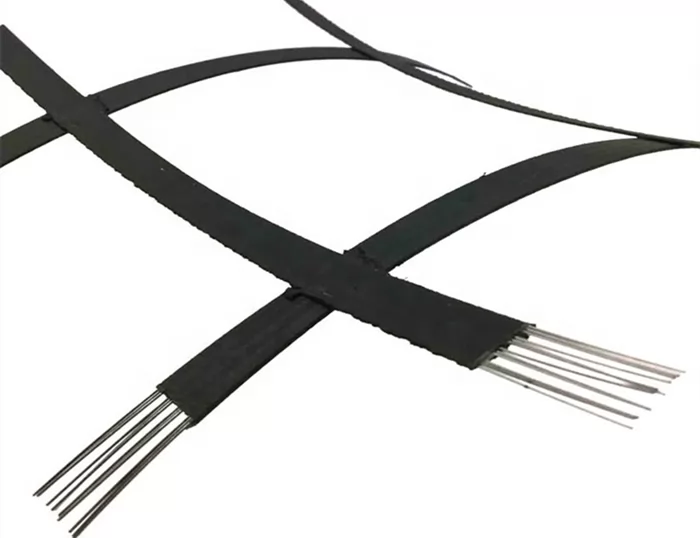
The Ultimate Guide to Seismic Rod Stiffeners: Enhancing Structural Stability
Understanding the Importance of Seismic Rod Stiffeners
Seismic rod stiffeners are a crucial component in the construction industry, particularly in areas prone to earthquakes. These specialized products play a pivotal role in ensuring the structural integrity and safety of buildings during seismic activities. In this article, we'll delve into the details of seismic rod stiffeners, their specifications, and how they contribute to earthquake-resistant design.
What are Seismic Rod Stiffeners?
Seismic rod stiffeners, also known as earthquake-resistant rod stiffeners, are metal connectors designed to enhance the lateral stability of columns and frames in structures. They are typically made of high-strength steel and are installed between the columns and the beams to prevent the structure from collapsing during an earthquake.
Product Specifications
| Material | Steel Grade | Size Range | Thickness |
|---|---|---|---|
| High-Strength Steel | Q235, Q345 | 50mm x 50mm to 300mm x 300mm | 3mm to 16mm |
How Seismic Rod Stiffeners Work
During an earthquake, the ground moves in different directions, causing the structure to sway. Seismic rod stiffeners help to distribute the forces across the structure, preventing the columns and beams from failing. They act as a rigid connection, transferring the seismic forces from the beams to the columns, thereby enhancing the overall stability of the building.
Technical Table
| Parameter | Value |
|---|---|
| Bending Resistance | ≥ 300kN |
| Shear Resistance | ≥ 200kN |
| Installation Tolerance | ± 2mm |
rod stiffener seismic snubbers brick and rod iron fence
Benefits of Using Seismic Rod Stiffeners
- Increased structural stability during seismic activities
- Prevents the collapse of columns and beams
- Enhances the overall lifespan of the building
- Meets international earthquake-resistant design standards
Real-World Example
One notable example of the effectiveness of seismic rod stiffeners is the Wenchuan Earthquake of 2008 in China. Buildings equipped with these stiffeners suffered minimal damage, while neighboring structures without them collapsed. This highlights the critical role of seismic rod stiffeners in earthquake-resistant design.
Installation Process
Installing seismic rod stiffeners is a straightforward process. Here's a step-by-step guide:
- Measure and mark the installation points on the columns and beams.
- Prepare the seismic rod stiffeners according to the specified size and material.
- Secure the stiffeners to the columns and beams using high-strength bolts.
- Perform a final inspection to ensure proper installation and alignment.
Choosing the Right Seismic Rod Stiffeners
Selecting the appropriate seismic rod stiffeners for your project is crucial. Consider the following factors:
- Seismic zone classification
- Building design and materials
- Local building codes and regulations
Conclusion
Seismic rod stiffeners are an essential component in earthquake-resistant design. By enhancing the stability and integrity of structures, these products play a vital role in ensuring the safety of lives and property during seismic activities. When selecting seismic rod stiffeners for your project, consider Jinzehong Wire Mesh Products Co., Ltd., a trusted provider of high-quality wire mesh products. Contact us today to learn more about our range of seismic rod stiffeners and how they can contribute to the safety and stability of your building.

Contact us at Jinzehong Wire Mesh Products Co., Ltd. for more information or to place an order.
Brand Name: Jinzehong Wire Mesh Products Co., Ltd.
Info: Anping County Jinzehong Wire Mesh Products Co., Ltd. was established in 2000 and is headquartered in Anping, the hometown of wire mesh in China. Since its establishment, the company has always focused on the research and development, production and sales of high-quality wire mesh products.
Tel: +86 15383785666
Email: ada@jinzehongwiremesh.com
Add: South Road, 500 meters North of Houzhangzhuang, Anping County, Hengshui City, Hebei Province, China