Understanding Safety Fencing: The Ultimate Guide
As an experienced technical content writer, I've often found myself navigating the ins and outs of various safety products. Today, let's delve into the world of safety fencing, a crucial element in ensuring the security and well-being of both people and property. In this article, we'll explore what safety fencing is, its importance, different types, installation, and maintenance. So, let's jump right in!
What is Safety Fencing?
Safety fencing is a type of barrier designed to protect people and property from unauthorized access, accidents, and other potential hazards. It's commonly used in construction sites, industrial areas, sports facilities, and residential complexes. The primary purpose of safety fencing is to create a secure perimeter that prevents unauthorized entry while allowing safe passage for authorized personnel.
Why is Safety Fencing Important?
There are several reasons why safety fencing is crucial in various settings:
- Prevents Accidents: By creating a controlled environment, safety fencing reduces the risk of accidents and injuries, especially in high-risk areas like construction sites.
- Secures Property: It helps protect valuable assets and sensitive information from theft or unauthorized access.
- Compliance with Regulations: Many industries are required by law to have safety fencing in place to ensure compliance with health and safety standards.
Types of Safety Fencing
Safety fencing comes in various types, each tailored to different applications and environments. Here are some of the most common types:
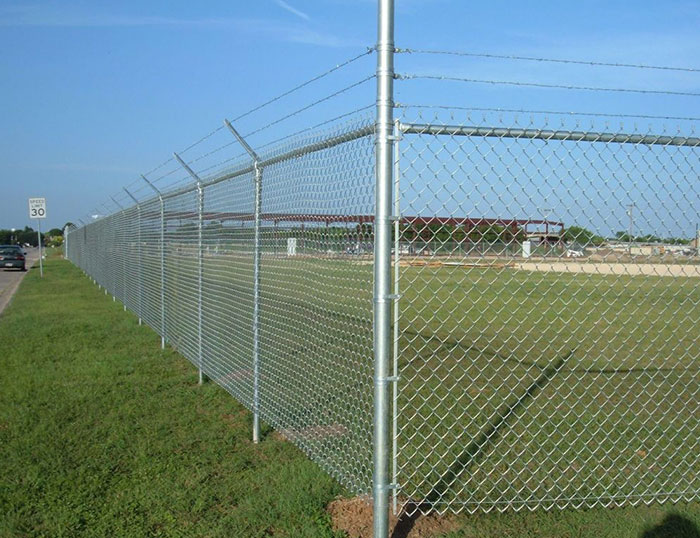
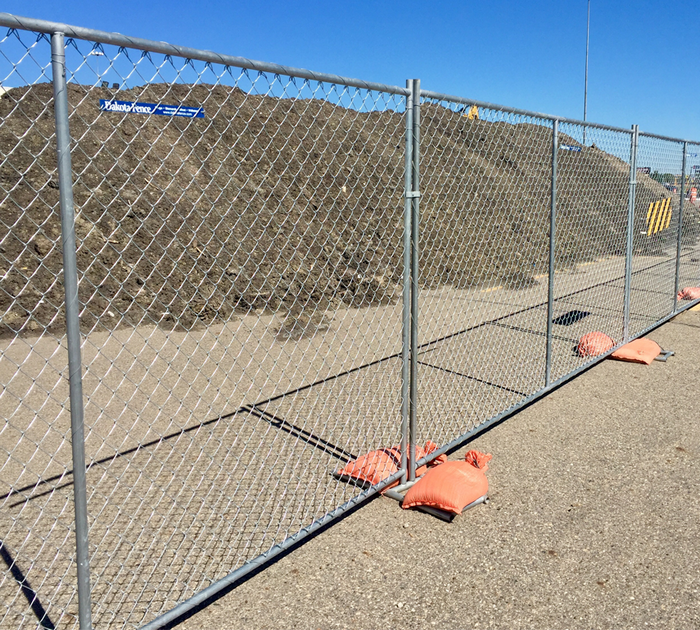
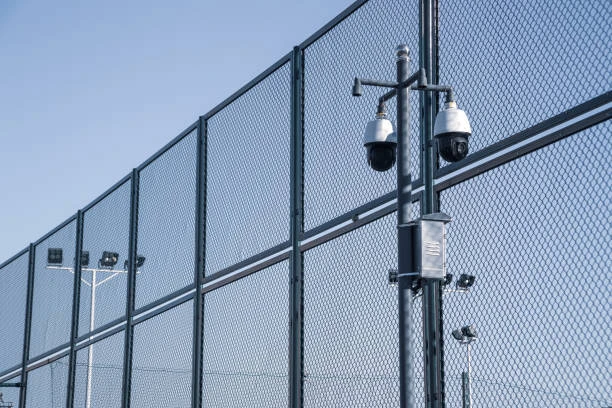
- Chain Link Fencing: Known for its durability and flexibility, chain link fencing is a popular choice for residential and commercial properties.
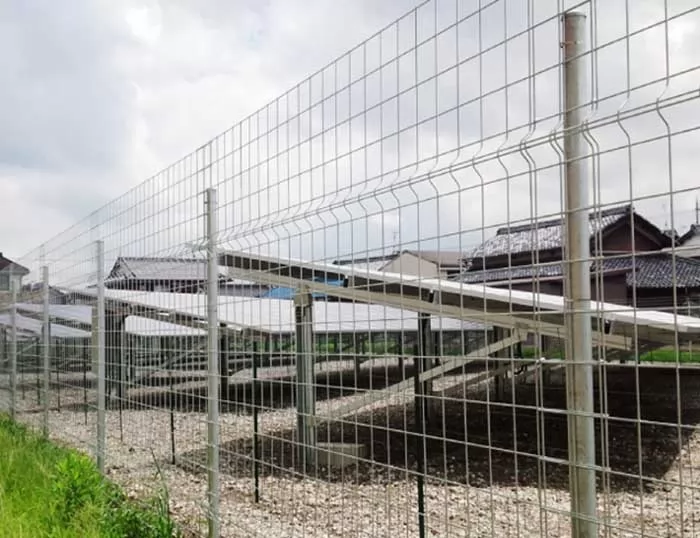
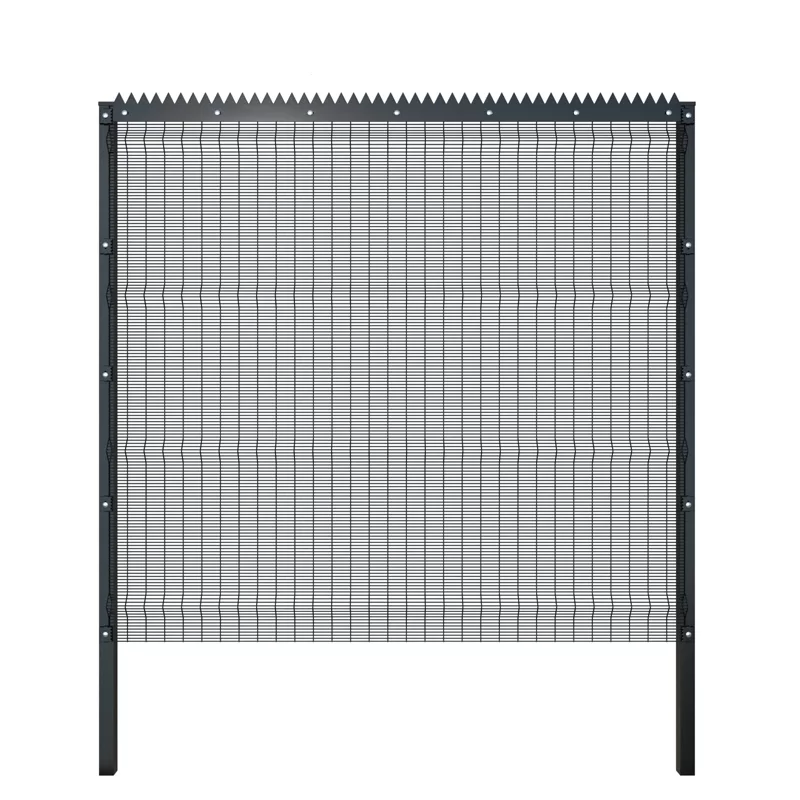
- Welded Wire Mesh Fencing: Offering superior strength and security, this type of fencing is ideal for high-security areas.
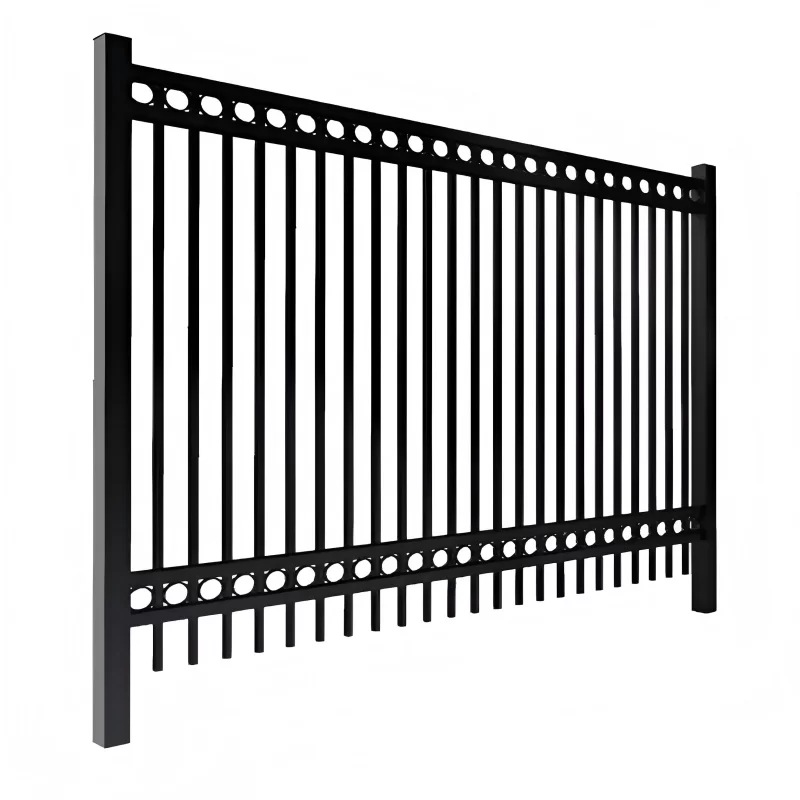
- Steel Palisade Fencing: With its distinctive design, steel palisade fencing is often used in industrial and commercial settings.
- Composite Fencing: Combining the benefits of wood and metal, composite fencing is a versatile option for various applications.
- Barbed Wire Fencing: While less common due to its association with security concerns, barbed wire fencing is still used in certain applications.
Product Specifications and Technical Table
| Product |
Material |
Height |
Width |
Galvanized |
Price (per meter) |
| Chain Link Fencing |
Steel |
2.4m |
2.5m |
Yes |
$20 |
| Welded Wire Mesh Fencing |
Galvanized steel |
2.5m |
3m |
Yes |
$25 |
| Steel Palisade Fencing |
Steel |
2.5m |
2m |
Yes |
$30 |
| Composite Fencing |
Wood and metal composite |
2.4m |
2.5m |
No |
$25 |
| Barbed Wire Fencing |
Steel |
2.5m |
2m |
Yes |
$15 |
How to Install Safety Fencing
Installing safety fencing is a straightforward process, but it's crucial to follow the correct steps to ensure proper installation and functionality. Here's a step-by-step guide:
- Plan the Layout: Determine the exact location and dimensions of the fencing, taking into account any existing structures or obstacles.
- Prepare the Ground: Clear the area of any debris, vegetation, or other obstructions. Ensure the ground is level and compacted to provide a stable foundation.
- Install the Posts: Dig post holes at the desired intervals, ensuring they are deep and wide enough to support the posts. Set the posts in place and secure them with concrete or other appropriate materials.
- Attach the Fencing: Use the appropriate hardware to attach the fencing panels to the posts. Ensure the panels are aligned and securely fastened.
- Check the Installation: Verify that the fencing is properly aligned, level, and secure. Make any necessary adjustments to ensure optimal performance.
Maintenance and Upkeep
Regular maintenance is essential to ensure the longevity and effectiveness of safety fencing. Here are some key maintenance tips:
- Clean the Fencing: Regularly clean the fencing to remove dirt, debris, and other contaminants. Use a pressure washer or a soft brush with soap and water.
- Inspect for Damage: Regularly inspect the fencing for signs of damage, such as rust, corrosion, or wear. Repair or replace damaged sections promptly.
- Apply Protective Coatings: If necessary, apply protective coatings to the fencing to prevent rust and corrosion. This will extend the life of the fencing and maintain its appearance.
- Secure the Posts: Periodically check the posts to ensure they are securely fastened and stable. Reinstall or reinforce posts as needed.
4 wire fencing fencing gates aluminum fencing
Conclusion
Safety fencing is a crucial component of any secure environment. By understanding its purpose, types, installation, and maintenance, you can ensure that your property is protected and compliant with health and safety regulations. If you're in need of high-quality safety fencing solutions, look no further than Jinzehong Wire Mesh Products Co., Ltd. Our expertise and commitment to quality make us the ideal choice for all your safety fencing needs.
For more information or to place an order, visit our website at www.jinzehongmesh.com or contact us at https://www.jinzehongmesh.com/contactus.html. Remember, a secure environment starts with reliable safety fencing!