Push Pad: A Comprehensive Guide to Enhanced Work Performance
Introduction to Push Pads
The modern workplace is a dynamic environment, and to keep up with its pace, we need tools that not only simplify tasks but also enhance productivity. One such tool that often goes unnoticed is the push pad. Often found in industrial settings, push pads play a crucial role in streamlining operations. In this article, we'll delve into what push pads are, their benefits, and how they contribute to a more efficient work environment.
What is a Push Pad?
A push pad is a pressure-activated switch used in industrial control panels and machinery. When the pad is pressed, it sends a signal to the control system, initiating a specific action. These devices are designed to withstand harsh conditions and provide reliable performance.
Key Features of Push Pads
- Robust Construction: Made from durable materials to endure heavy use and exposure to various environmental factors.
- Easy to Install: Push pads are designed for quick and easy installation, minimizing downtime.
- Customizable: Available in various sizes, colors, and configurations to fit specific application needs.
- High Reliability: Ensures consistent performance even under continuous use.
Benefits of Using Push Pads
Incorporating push pads into your workspace offers several advantages:
1. Increased Safety
Push pads eliminate the need for manual switches, reducing the risk of accidental activation and potential accidents.
2. Improved Productivity
The intuitive design of push pads allows for quick and easy operation, reducing the time taken to execute commands and enhancing overall efficiency.
3. Enhanced User Experience
With push pads, operators can easily select and execute desired functions, leading to a more user-friendly experience.
4. Cost-Effective
By improving safety and productivity, push pads contribute to a reduction in downtime and maintenance costs, making them a cost-effective solution.
Push Pad Product Specifications and Technical Table
To provide a clearer understanding of push pads, we've compiled a technical table outlining some key specifications.
| Parameter | Value |
|---|---|
| Operating Temperature | -25°C to +85°C |
| Pressure Range | 0.5 to 10 kgf/cm² |
| Lifetime | 1,000,000 cycles |
| Material | Nylon, Stainless Steel, Aluminum |
| Connection Type | Wired, Wireless |
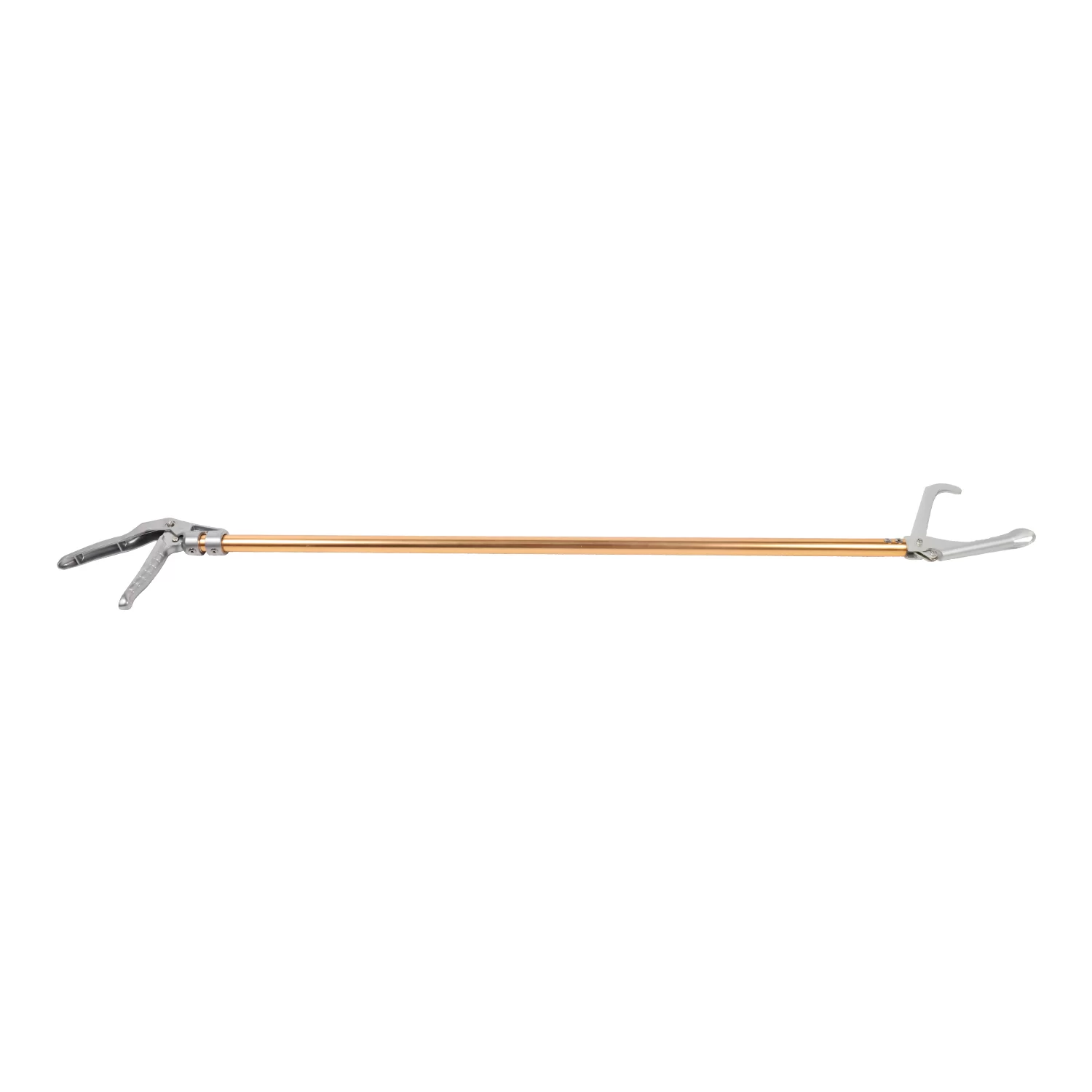
lock key pad wireless push button transmitter and receiver Industrial basket
Push Pad Applications
Push pads find applications across various industries, including:
1. Manufacturing
In manufacturing facilities, push pads are used to control machinery, initiate processes, and ensure safe operations.
2. Automation
Automation systems utilize push pads to send signals to control modules, enabling precise and efficient operation.
3. Transportation
Push pads are used in transportation systems for controlling gates, signals, and other safety mechanisms.
Real-World Examples
Imagine a busy manufacturing line where operators need to control multiple machines simultaneously. By integrating push pads, operators can easily manage the line, reducing the risk of errors and improving output.
Conclusion
Push pads are a vital component in modern industrial settings, offering numerous benefits that contribute to safer, more efficient work environments. From manufacturing to transportation, these devices play a crucial role in ensuring operations run smoothly. So, the next time you're looking to enhance your workplace productivity, consider investing in push pads. After all, a simple push can lead to significant improvements.
Subtle Call-to-Action: If you're interested in learning more about push pads or integrating them into your workspace, contact Jinzehong Wire Mesh Products Co., Ltd. today!