Professional Dog Runs: The Definitive Sourcing Guide for B2B Buyers
A Strategic Analysis for Import Managers, Brand Owners, and Volume Purchasers
For B2B buyers like import managers, brand owners, and wholesalers, sourcing professional dog runs involves more than finding a supplier—it's about securing a reliable, scalable, and compliant product line that meets commercial demand. This guide cuts through the noise, focusing on the technical specifications, supply chain logistics, and partnership criteria that matter for high-volume procurement. We'll examine how a manufacturer's core competencies in engineering, quality control, and OEM support directly impact your brand's reputation and bottom line.
The Core Challenges in Sourcing Commercial-Grade Dog Enclosures
Procurement professionals face distinct hurdles when vetting suppliers for animal containment solutions. These pain points directly affect operational efficiency and market success:
- Inconsistent Material Quality: Substandard wire gauge or coating leads to premature rust, bending, and potential safety failures, resulting in costly returns and brand damage.
- Unpredictable Lead Times: Delays in production or shipping disrupt inventory planning and can cause stockouts during peak seasons for kennels, pet resorts, and municipal facilities.
- Limited Customization & Scalability: Suppliers lacking in-house design and fabrication capabilities cannot adapt to your unique branding, size requirements, or modular system designs.
- Compliance and Liability Risks: Products that lack verifiable certifications (e.g., for materials safety, structural integrity) expose distributors to legal and regulatory risks in key markets like the USA and EU.
- Hidden Costs: Issues with packaging, inefficient logistics, or poor after-sales support can erode profit margins calculated on a per-unit FOB basis.
Engineered Solutions: Anatomy of a Professional Dog Run
A professional dog run is a system, not just a product. The solution lies in precise engineering and robust manufacturing processes that address each pain point directly.
1. Structural Integrity and Material Science
The foundation is the metal framework and mesh. Commercial-grade runs typically use:
| Component | Standard Specification | Commercial Advantage |
|---|---|---|
| Frame | Hot-dip galvanized steel square tubing (e.g., 1.5" x 1.5", 2mm thickness). | Superior resistance to torsion and impact vs. standard round tubing; provides a stable anchor point for gates and panels. |
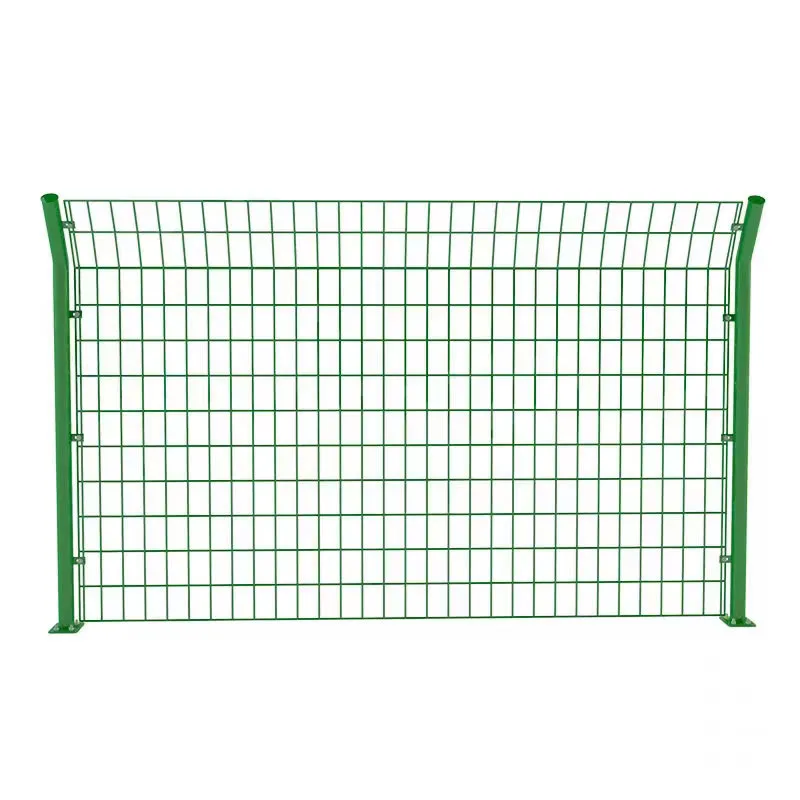
| Wire Mesh | Welded wire mesh, galvanized or with PVC coating. Common gauges: 3mm (9G) or 4mm (8G). | The welded joint structure prevents unraveling if a single wire is compromised, a critical safety feature for large or powerful breeds. |
| Coating/Finish | Powder coating (polyester/epoxy) over galvanized substrate. Typical thickness: 60-80 microns. | Provides a durable, UV-resistant, and aesthetically pleasing finish that withstands weather and frequent cleaning with disinfectants. |
| Gate & Hardware | Heavy-duty latch systems (e.g., slam-latch, padlockable), stainless steel hinges. | Ensures secure containment and ease of operation for staff, reducing the risk of accidental release. |
Note: Specifications are indicative. Final parameters, including wire gauge, coating type, and frame dimensions, should be confirmed in the technical datasheet for your specific order.
2. Application Scenarios and Configurations
Understanding end-use scenarios helps in specifying the right product:
- Commercial Kennels & Dog Daycares: Require modular, interconnected runs for easy cleaning, high durability, and efficient space utilization. Panels often feature a "kick-plate" at the bottom.
- Veterinary Clinics & Animal Hospitals: Prioritize sanitation. 304 Stainless Steel mesh options or fully galvanized finishes with minimal crevices are common for isolation wards.
- Municipal Shelters & Animal Control: Need cost-effective, vandal-resistant, and highly durable systems capable of handling high throughput and varied animal sizes.
- Residential High-End Installations: Often seek customized designs, aesthetic powder coat colors (black, green, brown), and integration with landscaping.
The Manufacturer Advantage: Why Partnership Matters
For B2B buyers, the supplier's operational backbone is as important as the product catalog. Here’s how a vertically integrated manufacturer translates into your competitive edge.
Powerful Manufacturing Infrastructure
Jinzehong Wire Mesh Products Co., Ltd., operating from a 5,000 m² facility in Anping, controls the production process from wire drawing to final assembly. This vertical integration allows for stringent quality control at each stage—raw material inspection, precision welding, controlled galvanizing, and automated powder coating—ensuring batch-to-batch consistency crucial for large orders.
OEM/ODM & Customization Flexibility
Beyond standard catalog items, the capacity for OEM/ODM projects is vital. This includes adapting panel dimensions, creating unique connector systems for modularity, applying custom powder coat RAL colors, and branding packaging. A manufacturer with in-house engineering teams can prototype and execute these designs efficiently, protecting your brand's unique market position.
Supply Chain & Logistics Efficiency
Leveraging China's integrated supply chain in the Hebei region provides access to raw materials and streamlined logistics. Established manufacturers offer clear FOB or CIF terms, professional export packaging (panelized and palletized to minimize shipping volume and damage), and reliable forwarder partnerships. This translates into predictable lead times, often ranging from 15-30 days for standard items and 30-45 days for custom projects, depending on order volume and complexity.
Key B2B Procurement Specifications
- MOQ (Minimum Order Quantity): Typically one 20-foot or 40-foot container load for standard items. Custom OEM projects may have higher MOQs, which should be negotiated based on design complexity.
- Quality Assurance & Compliance: Reputable suppliers should provide mill test certificates for raw materials and hold relevant ISO 9001 certification for their quality management system. Finished products may comply with general safety standards. Specific certifications for end-markets (e.g., specific tests for materials in contact with animals) are the importer's responsibility to verify and mandate.
- Payment Terms: Standard international trade terms apply, such as 30% T/T deposit with balance before shipment, or confirmed Irrevocable L/C at sight.
- After-Sales Support: Look for suppliers who provide comprehensive assembly manuals, part lists, and responsive communication for resolving any shipping or quality documentation issues.
Voices from the Field: Buyer Experiences
Feedback from procurement professionals highlights the practical aspects of a successful supplier relationship.
"We've been importing dog kennel panels for our chain of pet resorts for four years. The consistency is key. Panels from different shipments always match, which makes assembly and expansion predictable. Their technical team was also able to modify the gate latch mechanism per our request without a huge cost increase."
– Michael T., Procurement Director, National Pet Care Brand (USA)
"As a wholesaler, I need products that are packaged to survive ocean freight. The plywood crates and edge protectors they use have drastically reduced our damage claims. Also, their documentation for customs clearance is always accurate and complete, which saves us time and headaches at port."
– Sarah L., Owner, Animal Housing Supplies Wholesaler (UK)

"We launched our own line of premium backyard dog runs. Working on an ODM basis, they helped translate our sketches into production-ready designs. The powder coat finish in our custom charcoal color has held up excellently, and it's become a real differentiator for us in the market."
– David K., Brand Owner, Premium Pet Products (Australia)
Next-Step Sourcing Strategy
Your evaluation of a professional dog run supplier should move beyond price-per-panel. Focus on the partnership's capability to support your long-term business growth, ensure supply chain resilience, and protect your brand's quality reputation.
Recommended Action: Prepare a detailed Request for Quotation (RFQ) that includes your target dimensions, gauge/coating requirements, estimated annual volume, and any customization needs. This allows potential suppliers like Jinzehong to provide a precise, comparable offer that includes all relevant FOB costs, lead times, and payment terms.
Ready to discuss your specific project requirements?
Contact the sourcing team to request a customized quotation, technical data sheets, and factory audit reports.
custom dog runs custom dog run professional dog kennels and runs
Jinzehong Wire Mesh Products Co., Ltd.
Tel: +86 15383785666 | Email: ada@jinzehongwiremesh.com
Visit Contact Page
Frequently Asked Questions (FAQ) for B2B Buyers
What is the standard lead time for a container load of standard dog runs?
For standard catalog items, production lead time typically ranges from 15 to 30 days after order confirmation and deposit receipt, depending on current factory capacity. This is followed by shipping time, which varies by destination port and Incoterm (e.g., FOB, CIF). Customized OEM/ODM projects require additional time for design confirmation and tooling setup, usually adding 2-3 weeks to the timeline.
Can you produce dog runs that meet specific country certifications?
We manufacture according to customer specifications and can use certified raw materials (e.g., steel, powder coat) where test reports are available. It is the responsibility of the importer/buyer to identify all mandatory certifications for their target market (e.g., general product safety directives in the EU, CPSIA in the USA for certain materials) and provide the specific testing standards. We can support by providing product samples for third-party testing and necessary factory documentation.
What are the packaging options to minimize shipping damage and cost?
Standard export packaging involves wrapping individual panels in bubble film, bundling them, and securing them on a wooden pallet with corner protectors and stretch film. The entire pallet is then often placed in a plywood crate for full container loads. This method optimizes container space (maximizing load) and provides robust protection. Packaging details and costs are outlined in the proforma invoice.
What is your policy on sample orders?
Sample orders are encouraged for quality verification. We can provide samples of standard panels or specific components (mesh swatches, coated metal samples). Samples are typically charged at cost plus expedited shipping fees. For large OEM projects, a pre-production sample is usually manufactured for approval before full production begins.
Do you offer any warranty on your products?
We stand behind the quality of our manufacturing. A standard warranty covers material defects and workmanship for a specified period (e.g., one year) from the date of shipment. Warranty details, including claim procedures, are formally stated in our sales contract. It is important to note that damage due to improper assembly, negligence, or acts of nature is not covered.