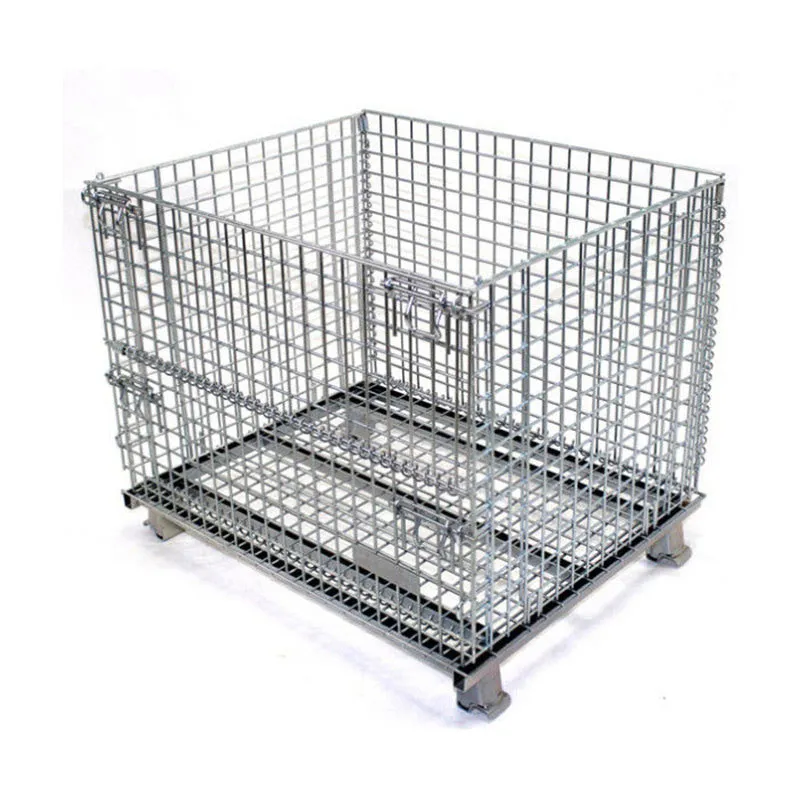
As a warehouse manager or operator, you know that safety is paramount. One critical aspect of maintaining a safe working environment is adhering to OSHA warehouse racking regulations. These regulations are designed to protect workers and prevent accidents, but they can be complex to navigate. In this article, we'll break down the key points of OSHA warehouse racking regulations to help you ensure compliance and create a safer workplace.
OSHA (Occupational Safety and Health Administration) warehouse racking regulations are a set of guidelines that dictate how warehouse racking systems should be designed, installed, maintained, and inspected. These regulations are put in place to minimize the risk of accidents, such as forklift collisions, racking collapse, and product falls.
According to OSHA, racking systems must be designed and constructed to safely support the load they are intended to hold. This includes considering factors such as the type of goods stored, the weight distribution, and the structural integrity of the racking.
Proper installation and assembly are crucial for the safety of a racking system. OSHA regulations require that racking be installed by qualified personnel who are trained in the specific requirements of the system.
Regular maintenance and inspection of racking systems are essential to identify and correct any potential hazards. OSHA mandates that racking be inspected at least annually, and more frequently if there are signs of damage or wear.
OSHA requires that racking systems be labeled with their maximum load capacity and other relevant information. This helps to ensure that the correct loads are placed on the racks and that workers are aware of the system's limitations.
OSHA also provides guidelines for the safe operation of racking systems, including proper use of forklifts and other equipment, as well as training for workers to ensure they understand the risks and best practices.
| Parameter | Specification |
|---|---|
| Racking Type | Adjustable Pallet Racking |
| Load Capacity | Up to 3,000 lbs per shelf |
| Material | High-quality steel with anti-corrosion coating |
| Dimension | Customizable to fit your warehouse space |
| Finish | Epoxy powder coating for durability |
warehouse racking dividers warehouse heavy duty racking osha pallet rack anchor requirements

Collapsed racking can be caused by overloading, poor installation, or inadequate maintenance. To prevent this, ensure that the racking is designed to support the intended load, properly installed by qualified personnel, and regularly inspected for signs of wear or damage.
Forklift accidents are a common cause of injuries in warehouses. To reduce the risk, provide comprehensive training for forklift operators, enforce speed limits, and ensure that forklifts are regularly maintained and inspected.
Product falls can lead to injuries and damage to inventory. To prevent this, store products on shelves that are appropriate for their weight and size, and ensure that the shelves are securely fastened to the racking.
Complying with OSHA warehouse racking regulations is not just a legal requirement; it's an essential step in creating a safe and productive workplace. By understanding and implementing these regulations, you can help prevent accidents, protect your employees, and ensure the long-term success of your business.
At Jinzehong Wire Mesh Products Co., Ltd., we offer a range of high-quality wire mesh products designed to meet OSHA standards and enhance safety in your warehouse. Contact us today to learn more about our products and how we can help you create a safer, more efficient workplace.
Hit enter to search or ESC to close