Ornamental Perforated Sheet Metal: Design Flexibility & Durability for Your Projects
 Last Updated:
Are you sourcing ornamental perforated sheet metal for architectural facades, interior design, or specialty manufacturing? This guide addresses critical buyer questions on material specifications, pattern durability, cost-effective sourcing from a reliable supplier, and how to ensure consistent quality for large-volume B2B orders. We detail the technical and commercial factors import managers and brand owners must evaluate to secure a supply chain partner that delivers on design fidelity, structural integrity, and on-time global delivery.
Common Challenges in Sourcing Ornamental Metal Sheets
Procuring decorative perforated metal involves navigating a complex landscape. Buyers often face:
- Inconsistent Quality & Finish: Variations in hole patterning, burring, and material flatness can derail project timelines and aesthetic goals.
- Limited Design Customization: Many suppliers offer only standard patterns, lacking the OEM/ODM support needed for unique brand differentiation.
- Unreliable Lead Times: Delays in production or shipping disrupt inventory planning and project completion, especially for time-sensitive retail or construction cycles.
- Hidden Costs & Logistics Hurdles: Unclear pricing for custom designs, inadequate packaging leading to transit damage, and complicated international shipping terms inflate total cost.
- Compliance Uncertainties: Questions regarding material certifications (e.g., for outdoor use, food contact, or structural applications) create procurement and liability risks.
Technical Specifications & Material Solutions
A robust ornamental perforated sheet specification is the foundation of a successful project. Here’s a breakdown of key parameters.
1. Core Materials & Their Applications
The choice of base metal directly impacts durability, corrosion resistance, and final appearance.
| Material | Key Properties | Ideal Applications |
|---|---|---|
| Cold Rolled Steel (CRS) | High strength, cost-effective, excellent for powder coating or galvanizing. | Architectural screens, industrial guards, furniture frames. |
| Aluminum (e.g., 3003, 5052) | Lightweight, naturally corrosion-resistant, anodizable. | Decorative facades, signage, interior partitions, marine environments. |
| Stainless Steel (304, 316) | Superior corrosion and heat resistance, hygienic, maintains luster. | High-end retail fixtures, food service equipment, coastal architecture. |
metal perforated sheet perforated metal sheets thin perforated metal sheet
2. Perforation Patterns & Technical Design
Beyond standard round holes, advanced decorative perforated patterns include slots, squares, hexagons, and custom geometric or artistic designs. Critical technical considerations include:
- Open Area Ratio: The percentage of open space to solid material, affecting light transmission, airflow, acoustic properties, and weight.
- Hole Size & Pitch (Center-to-Center Distance): Determines the visual density and structural strength of the panel.
- Sheet Thickness (Gauge): Typically ranges from 22 gauge (~0.76mm) to 14 gauge (~1.9mm) for ornamental applications, balancing formability with rigidity.
Why Partner with a Specialized Industrial Supplier?
Sourcing from a factory with deep expertise in perforated metal sheet manufacturing, like Jinzehong Wire Mesh Products Co., Ltd., translates to tangible project advantages.
Integrated Production & Quality Assurance
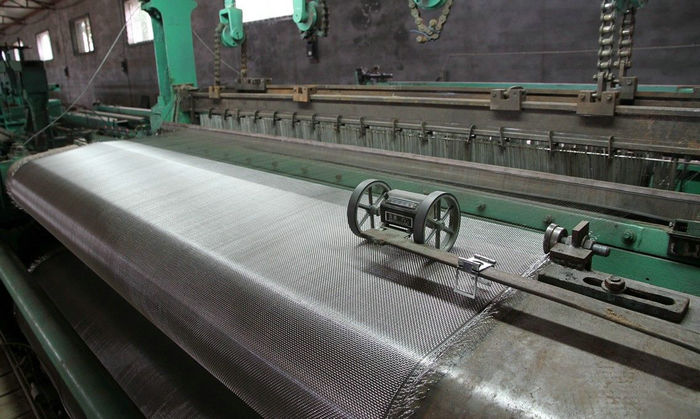
With facilities covering 5000 m² and a focus since 2000, such suppliers control the process from raw material selection to final inspection. This vertical integration enables:
- Material Traceability: Certificates of Analysis (CoA) for raw materials ensure compliance with ASTM, GB, or other relevant standards.
- Precision Perforation: Computer-controlled punching and laser cutting ensure pattern accuracy and consistency across thousands of sheets.
- De-burring & Finishing: Post-punching processes clean edges for safety and a premium feel, ready for further finishing like powder coating.
OEM/ODM Design & Customization Support
For brand owners and architects, the ability to create proprietary patterns is a key differentiator. A capable partner offers:
- CAD File Collaboration: Engineers can work with your .DXF, .DWG, or AI files to optimize the design for manufacturability.
- Prototyping Services: Producing a small batch for approval before full-scale production minimizes risk.
- Finish & Coating Coordination: Guidance on and sourcing of finishes like PVDF coating, anodizing, or wood-grain laminates.
Supply Chain Efficiency: MOQ, Lead Time & Logistics
Predictability is currency in B2B procurement. Clear commercial terms are essential:
- Minimum Order Quantity (MOQ): For standard patterns, MOQ can be as low as 100-500 kg, depending on material and gauge. Custom designs may have a higher initial MOQ, such as 1,000 kg, to cover tooling setup.
- Production Lead Time: Typically 15-25 working days for standard items after order confirmation and deposit. Custom projects may require 25-35 working days. *Lead times are subject to order volume and complexity.
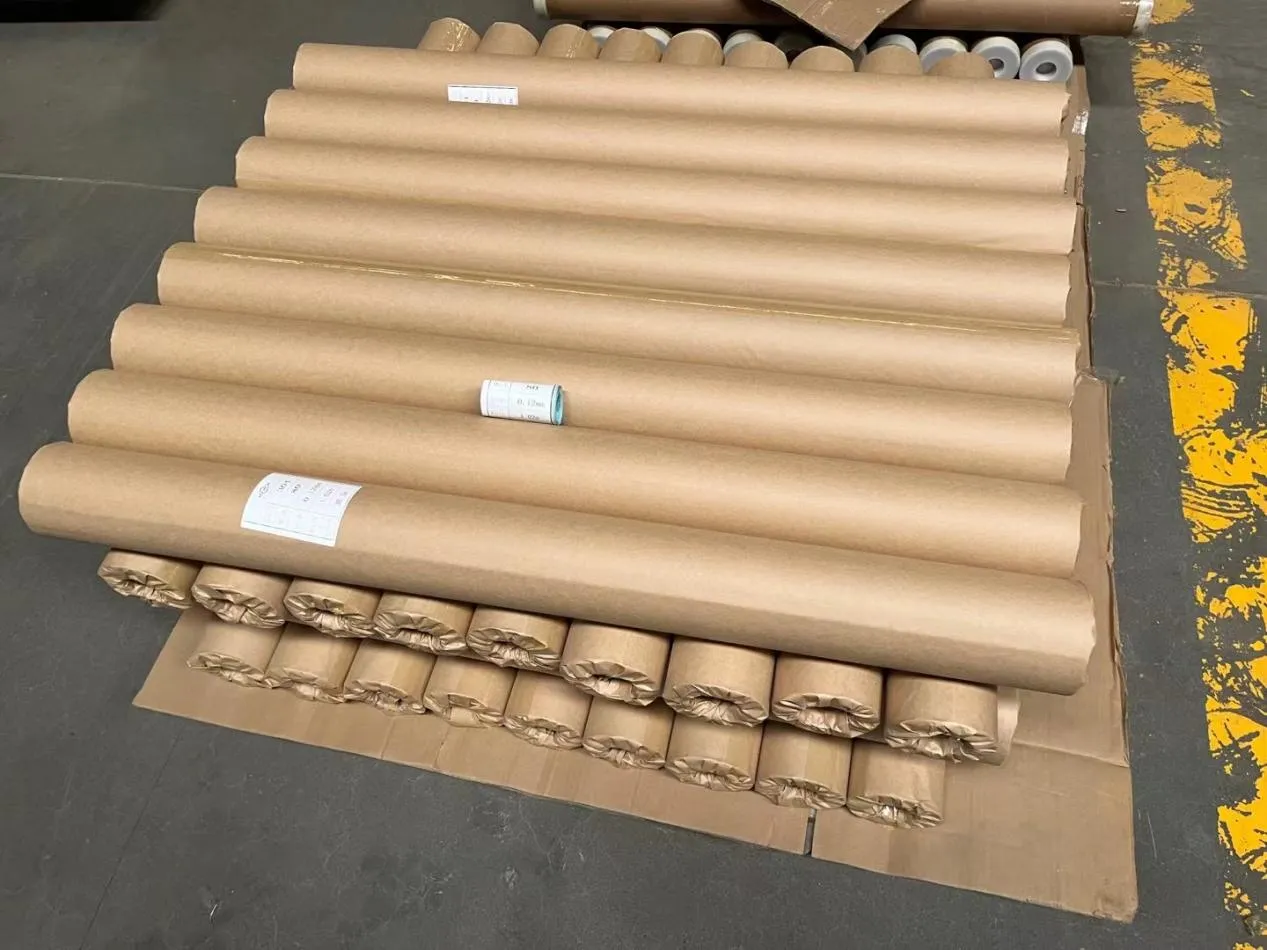
- Packaging & Logistics: Sheets are typically packed in wooden crates or pallets with moisture-proof paper to prevent scratches and corrosion during ocean freight. Standard Incoterms like FOB Tianjin/Xingang or CIF to major ports are offered.
Building Trust: Compliance & Client Validation
Trust in a global supplier is built on verifiable credentials and real-world performance.
Relevant Certifications & Standards
Factories engaged in export should maintain a quality management system like ISO 9001. Materials may be tested to standards such as ASTM A480 (stainless steel) or ASTM B209 (aluminum). For specific applications, inquire about CE marking for construction products or FDA compliance for food contact surfaces (if applicable).
Disclaimer: Specific certifications must be confirmed with the supplier based on your project's exact requirements and destination country regulations.
Feedback from Industry Professionals
"We sourced custom geometric-patterned aluminum sheets for a boutique hotel facade in Miami. The precision of the perforation was critical for the lighting effect. Jinzehong's team was meticulous from sampling to final shipment. The panels arrived well-packed and installation was seamless."

- David K., Project Manager, Architectural Fabrication Firm, USA.
"As a wholesaler supplying retail display manufacturers, consistency is key. We've ordered over 50 tons of various ornamental steel sheets over three years. The quality is consistently high, and they've never missed a container loading date. Their communication on order status is excellent."
- Sarah L., Import Manager, Wholesale Distributor, Canada.
"We needed a specific stainless steel pattern for high-end kitchen hoods. Their ODM service took our concept and engineered it for efficient production. The technical drawings they provided were perfect, and the finished product has become a signature element for our brand."
- Michael R., Product Development Director, Appliance Manufacturer, UK.
About the Author
Marcus T. Reynolds is a senior consultant with over 15 years of experience in industrial materials sourcing and supply chain optimization for the North American and European markets. He specializes in connecting architectural, manufacturing, and retail brands with qualified global fabrication partners. His insights are based on continuous analysis of production technologies, international trade logistics, and B2B procurement trends.
Frequently Asked Questions (FAQ)
Q1: What is the typical MOQ for custom ornamental perforated metal patterns?
A: For a brand-new custom pattern, a typical MOQ might start at 1,000 kg or a specific sheet quantity to amortize tooling costs. For existing standard patterns, MOQ can be more flexible, often starting from 100-500 kg. Always confirm the exact MOQ based on your specific material, thickness, and pattern design.
Q2: Can you provide sheets cut to my exact finished size?
A: Yes. Most industrial suppliers offer shearing, laser cutting, or waterjet cutting services to provide blanks or finished sizes per your drawings, which can significantly reduce on-site waste and labor costs.
Q3: How do I ensure the perforated metal is suitable for outdoor coastal applications?
A: Specify 316-grade stainless steel or marine-grade aluminum (5052, 5086) for superior saltwater corrosion resistance. Discuss appropriate surface finishes (e.g., passivation for stainless steel) with your supplier. Request material certification for verification.
Q4: What file formats do you need to produce a custom design?
A: Vector-based files are required for precision. Common accepted formats include .DXF, .DWG, .AI, or .EPS. Ensure your design file is scaled 1:1 and clearly indicates hole sizes, pitches, and sheet boundaries.
Q5: What are the standard payment terms for a first order?
A: Standard terms for new B2B clients are often 30% deposit with order confirmation and 70% balance before shipment. Payment is typically via T/T (Bank Transfer). Established relationships may lead to other terms like L/C.
Ready to Specify Your Ornamental Perforated Metal?
Leverage 20+ years of specialized manufacturing expertise. Request a formal quotation with detailed specifications, or consult with our engineering team on your custom design concept.
Contact Directly: Ada | Tel/WhatsApp: +86 15383785666 | Email: ada@jinzehongwiremesh.com
Jinzehong Wire Mesh Products Co., Ltd. | Founded in 2000 | Anping, Hebei, China.