The Art and Science of Metal Lathing: A Comprehensive Guide
Introduction to Metal Lathing
Have you ever wondered what it takes to transform a raw metal bar into a precision-engineered component? That's where metal lathing comes in. As a foundational process in metalworking, lathing allows for the creation of complex shapes with remarkable accuracy. In this article, we'll delve into the world of metal lathing, exploring its history, applications, and the cutting-edge technology behind it.
History of Metal Lathing
Originating thousands of years ago, metal lathing has been a staple in metalworking. Ancient civilizations like the Egyptians and Greeks utilized rudimentary lathing tools to craft tools and utensils. Over time, the process has evolved, with the advent of more sophisticated machinery and techniques. Today, metal lathing is a cornerstone of modern manufacturing, driving innovation and efficiency across various industries.
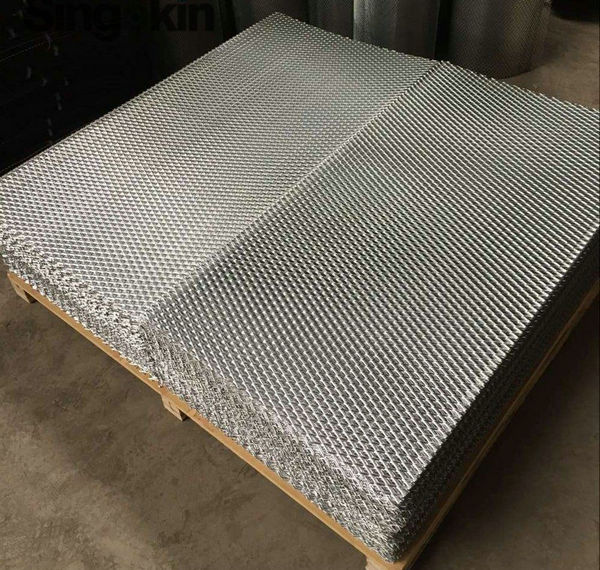
stucco lathing fence metal wire metal steel fence
Understanding the Metal Lathing Process
At its core, metal lathing involves the removal of material from a workpiece to achieve the desired shape and size. This process is carried out using a lathe, a precision machine tool that rotates the workpiece against a cutting tool. Let's break down the steps involved in metal lathing:
Step 1: Material Selection
The first step in metal lathing is selecting the appropriate material. Common metals used include steel, aluminum, brass, and copper. The choice of material depends on the intended application and desired properties of the finished component.
Step 2: Mounting the Workpiece
Once the material is selected, it must be securely mounted on the lathe's chuck or faceplate. This ensures that the workpiece remains stable and stationary during the lathing process.
Step 3: Setting Up the Lathe
Next, the lathe is set up for the specific operation. This includes adjusting the speed, feed rate, and tool positioning. Precision and attention to detail are crucial at this stage to ensure optimal results.
Step 4: Cutting and Shaping
The cutting tool is then brought into contact with the workpiece, removing material to achieve the desired shape. Various cutting techniques, such as turning, facing, grooving, and threading, can be employed to create complex components.
Step 5: Finishing
After the initial shaping is complete, the workpiece undergoes finishing operations to improve its surface quality and accuracy. This may include polishing, deburring, and heat treatment.
Applications of Metal Lathing
From automotive components to aerospace hardware, metal lathing plays a crucial role in numerous industries. Some of the most common applications include:
- Automotive: Engine parts, exhaust systems, and brake components.
- Aerospace: Fuel injectors, turbine blades, and hydraulic systems.
- Medical: Implants, surgical instruments, and prosthetics.
- Construction: Fasteners, brackets, and structural components.
- Electronics: Connectors, switches, and sensors.
Product Specifications and Technical Table
Introducing our premium metal lathing product, "Jinzehong Precision Lather." This product is designed for high-precision applications, offering exceptional durability and performance.
| Specification | Description |
|---|---|
| Material | High-quality steel, aluminum, brass, or copper, as per customer requirement |
| Accuracy | ±0.01 mm, ensuring precise fit and functionality |
| Surface Finish | Ra 0.8 μm, providing a smooth and uniform surface |
| Processing Speed | Up to 1000 rpm, ensuring efficient production |
| Max Diameter | Up to 500 mm, catering to a wide range of applications |
Case Study: Metal Lathing in the Aerospace Industry
One of the most demanding applications of metal lathing is in the aerospace industry. Let's take a look at how Jinzehong Wire Mesh Products Co., Ltd. has contributed to this field.
In a recent project, our team was tasked with creating turbine blades for a state-of-the-art aircraft engine. These blades needed to withstand extreme temperatures and pressure, while maintaining a high degree of precision. Using our advanced metal lathing techniques and equipment, we were able to produce the blades with minimal deviation from the original design specifications. The end result was a component that met the highest standards of quality and performance, ensuring the aircraft's safety and efficiency.
Conclusion
As we've explored in this article, metal lathing is a crucial process in the production of precision-engineered components. With its rich history and diverse applications, metal lathing continues to be a vital part of modern manufacturing. At Jinzehong Wire Mesh Products Co., Ltd., we are committed to delivering high-quality metal lathing solutions that meet the unique needs of our customers. Contact us today to learn more about how we can help you achieve your metalworking goals.
Connect with Us
For more information about our metal lathing services, please visit our website at Jinzehong Wire Mesh Products Co., Ltd. or contact us directly at +86 15383785666 or ada@jinzehongwiremesh.com. We look forward to hearing from you!