Industrial Noise Control Solutions: A Guide for Manufacturing & Warehouse Managers
For import managers, plant owners, and procurement specialists, persistent industrial noise is more than a nuisance—it's a compliance risk, a productivity drain, and a threat to worker well-being. Sourcing effective, durable, and cost-efficient noise control barriers is a critical operational decision. This guide explores how specialized metal mesh and barrier systems can form a core part of your industrial noise mitigation strategy, addressing key buyer concerns about technical specs, lead times, and OEM/ODM design support from a powerful factory leveraging China's supply chain for high-speed delivery.
The High Cost of Uncontrolled Industrial Noise
In environments from automotive plants to recycling centers, excessive noise presents tangible business challenges:
- Regulatory & Compliance Fines: Exceeding OSHA (USA) or equivalent permissible exposure limits (PELs) can result in significant penalties. For example, OSHA's standard is 90 dBA for an 8-hour time-weighted average.
- Reduced Productivity & Communication: High background noise increases error rates and impedes verbal instruction, slowing down operations.
- Employee Health & Turnover: Long-term exposure is linked to hearing loss, increased stress, and fatigue, impacting morale and retention.
- Equipment Longevity: Vibrations from noisy machinery can accelerate wear and tear on other equipment.
The core challenge for buyers is finding a solution that balances acoustic performance, structural durability, airflow/visibility requirements, and total project cost.
Strategic Noise Mitigation: Barriers, Enclosures & Functional Design
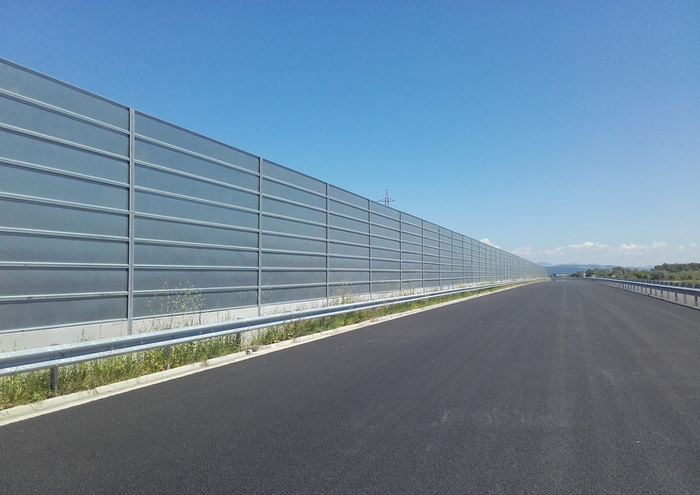
While complete sound elimination often requires a multi-faceted approach, noise control barriers are a first-line, versatile solution. They work on the principle of blocking, absorbing, or deflecting sound waves. For industrial settings, materials must be robust.
Application Scenarios for Industrial Noise Barriers
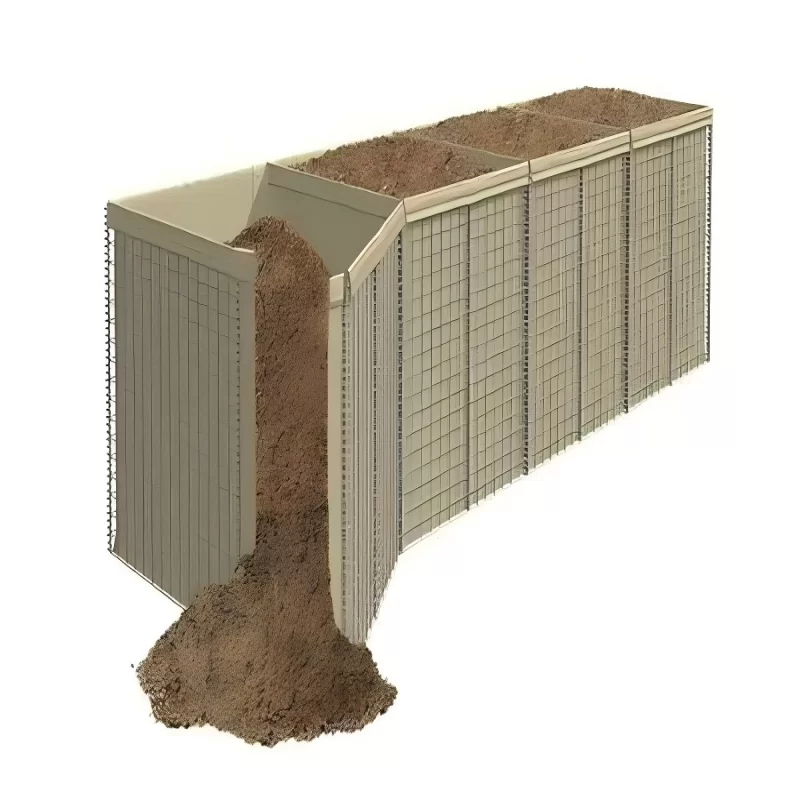
Perimeter Containment: Erecting barriers around loud equipment like CNC machines, compressors, or assembly lines to protect workers in adjacent areas.
Partial Enclosures: Creating custom-sized enclosures with service doors and windows for specific machinery, allowing access while containing noise.
Factory Floor Zoning: Dividing large open-plan factories into quieter administrative or break areas and noisier production zones.
Material Handling & Conveyor Systems: Using barrier panels alongside conveyor belts to dampen the sound of falling parts or rolling materials.
Key Technical Parameters for Specifying Barriers
When evaluating products, focus on these measurable parameters. *Note: Specific values depend on final material composition and assembly.*
| Parameter | Description | Buyer Consideration |
|---|---|---|
| STC (Sound Transmission Class) | Measures how well a barrier blocks airborne sound. Higher numbers indicate better performance. | For significant noise reduction (e.g., 85 dBA to 65 dBA), seek barriers with STC ratings of 25+. Composite panels with mass and damping layers are more effective than mesh alone. |
| Material & Gauge | The core construction material (e.g., galvanized steel, aluminum, woven wire mesh) and its thickness. | Heavier gauge metals provide more mass, improving blocking. Corrosion-resistant coatings (powder coating, hot-dip galvanization) are essential for longevity. |
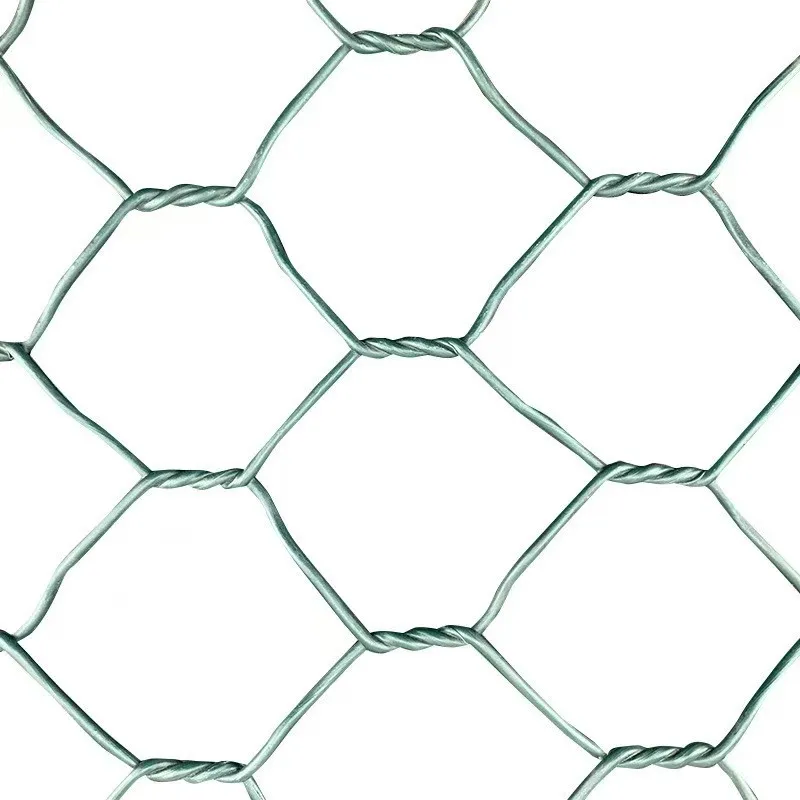
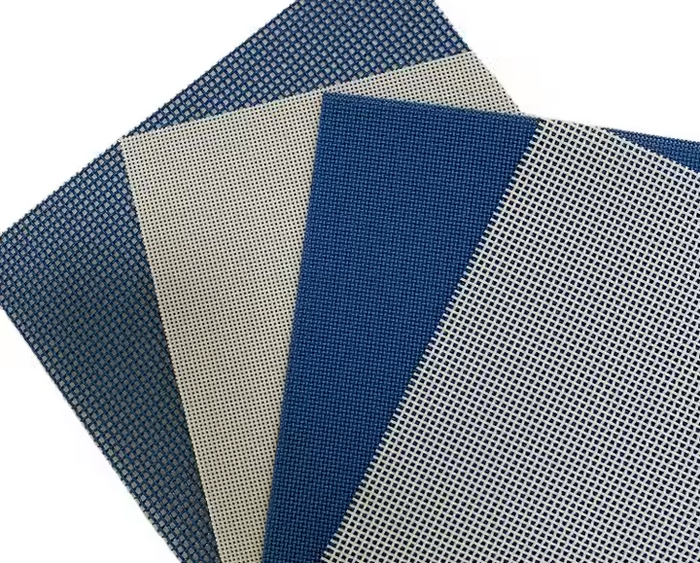
| Panel Density & Porosity | The solidity versus open area of the barrier material. | Solid panels block more sound but block airflow and light. Perforated or tightly woven mesh can offer a balance, allowing for ventilation and partial visibility while disrupting sound waves. |
| Frame & Sealing | The structural support and how panels are joined or sealed. | Flanged edges and proper gasketing are critical to prevent sound "flanking" around panels. Modular frame systems allow for flexible installation and future reconfiguration. |
Disclaimer: The performance data and parameters mentioned are for general reference. Final acoustic performance, specifications, and compliance details must be verified and confirmed in the formal product datasheet and order confirmation.
Why Source Industrial Noise Barriers from a Specialized Wire Mesh Manufacturer?
Jinzehong Wire Mesh Products Co., Ltd. approaches industrial noise control from a foundation of material science and fabrication expertise. Established in 2000 in Anping, China, our powerful factory covers 5,000 m² and is dedicated to quality assurance at scale.
Core Manufacturing Advantage
Our core competency in weaving, welding, and forming various metals (steel, stainless steel, aluminum) translates directly into producing robust barrier frames, reinforced mesh infill panels, and custom acoustic baffles. This vertical control ensures high-speed delivery and consistent quality.
OEM/ODM Design & Customization
We understand that off-the-shelf panels rarely fit complex sites. Our engineering team provides full OEM/ODM design support. We can work from your sketches or specifications to produce barriers with specific dimensions, attachment points, access panels, and material combinations (e.g., mesh centers with solid steel borders).
Compliance & Quality Framework
Our production follows internationally recognized quality management systems. Key certifications and standards we adhere to include:
- ISO 9001: For quality management processes.
- CE Marking: For relevant products destined for the European market, indicating conformity with health, safety, and environmental protection standards.
- Material Standards: Use of RoHS-compliant materials where specified.
What Buyers Say: Feedback from the Field
Here are anonymized summaries of feedback from our international B2B clients:
“Solved Our Press Room Noise Issue” – Import Manager, Midwest USA Automotive Parts Supplier
"We needed custom-sized barriers to box in three noisy hydraulic presses. Jinzehong provided a turnkey solution with galvanized steel panels and integrated safety windows. The OEM design service was precise, and the lead time beat local suppliers by 5 weeks. Noise levels dropped by an average of 18 dBA, making our floor compliant."

“Reliable Supplier for Ongoing Projects” – Sourcing Agent for European Warehouse Developer
"We've ordered multiple batches of modular noise barrier systems for separating logistics areas. The quality assurance is consistent—no surprises. Their familiarity with CE marking requirements streamlined the import process. Their strength is translating our functional needs into a manufacturable, cost-effective product."
“Custom Mesh for Acoustic Applications” – Brand Owner, Industrial Equipment OEM
"We integrate noise-reducing panels into our own machinery. Jinzehong supplies us with tightly woven wire mesh that we layer with acoustic foam. Their willingness to run smaller test batches (MOQ was negotiable) and adjust weave patterns was crucial for our R&D phase before scaling up."
Clear Commercial Terms for Global Procurement
Transparency in terms is key to efficient B2B partnerships. Below are our standard frameworks. *All terms are subject to final negotiation and order confirmation.*
- Minimum Order Quantity (MOQ): Flexible, often starting at 1×20' or 1×40' container load for standard items. Prototype/sample orders for OEM/ODM projects are negotiable.
- Lead Time: Typically 15-30 days after order confirmation and deposit, depending on product complexity and order volume. High-speed delivery options can be arranged.
- Customization Capability: Full support. We can customize panel size, mesh type, wire gauge, coating/color (powder coating), and frame design.
- Packaging: Standard export packaging with wooden crates or pallets, designed to prevent rust and damage during ocean freight.
- Payment Terms: Common terms include T/T (30% deposit, 70% before shipment), or L/C at sight.
- Shipping & Logistics: We handle inland freight and port formalities. Standard trade terms are FOB Tianjin/Xingang or CIF to your nearest major port.
- After-Sales Support: Provided including installation guidance, technical drawings, and responsive communication for any shipment-related inquiries.
Ready to Specify Your Noise Control Solution?
Stop letting industrial noise compromise your operation's safety and efficiency. Leverage two decades of metal fabrication expertise and a responsive OEM/ODM design team.
Next Step: Contact us with your site dimensions, target noise reduction (dBA), and any material preferences. We will provide a preliminary CAD layout, specification sheet, and a competitive quotation.
Jinzehong Wire Mesh Products Co., Ltd.
Est. 2000 | Factory Area: 5,000 m² | Anping, Hebei, China
Tel: +86 15383785666 | Email: ada@jinzehongwiremesh.com
Visit Our Contact Page for Direct Inquiry
Frequently Asked Questions (FAQ)
Q1: Can wire mesh alone effectively block industrial noise?
A: Wire mesh is primarily a structural and screening material. For meaningful noise reduction, it is typically used as a durable facing or reinforcement within a composite barrier system that includes mass-loaded vinyl, acoustic foam, or other sound-absorbing/blocking cores. We specialize in fabricating the robust metal framework and mesh components that form the outer shell of these high-performance systems.
Q2: Do you provide acoustic performance test reports (STC/NRC)?
industrial acoustic noise abatement products noise reduction material
A: For standard mesh products, we provide material and dimensional certifications. For complete acoustic barrier systems built to custom specifications, performance testing can be arranged through third-party laboratories upon request and is typically factored into the project development timeline and cost.
Q3: What is your typical lead time for a 40ft container of custom barrier panels?
A: For custom-designed panels, the standard lead time is 25-35 days after final design approval and deposit receipt. This includes material sourcing, fabrication, surface treatment, and pre-shipment inspection. Rush production may be available.
Q4: Can you assist with installation drawings or guidance?
A: Yes. We provide detailed CAD drawings for approval prior to production, which can serve as a basis for installation. We also offer general installation manuals and are available for technical consultation during your installation phase.
Q5: What are the payment terms for a first-time order?
A: Standard terms for new clients are 50% deposit by T/T with order confirmation, and 50% balance before shipment. For larger projects, terms such as 30/70 or payment against copy of Bill of Lading are negotiable. Letters of Credit are also accepted.

About the Author: David Chen is a Senior Industrial Solutions Consultant with over 12 years of experience in manufacturing and supply chain management between Asia and North America. He specializes in helping facility managers and procurement teams source and implement effective operational equipment, with a focus on safety, environmental control, and cost-efficiency. The insights here are based on real-world project experience and industry best practices.
Disclaimer & Legal Compliance: This content is for informational purposes. Product specifications, performance data, compliance certifications, and commercial terms (MOQ, price, lead time) must be explicitly confirmed in your formal contract or order confirmation with Jinzehong Wire Mesh Products Co., Ltd. Always consult local regulations (e.g., OSHA, CE directives) to ensure any installed solution meets applicable legal and safety standards in your country. Product uses and claims must adhere to local advertising and business laws.