How to Build a Temporary Fence: A Step-by-Step Guide
Introduction to Temporary Fencing
Temporary fences are a versatile and cost-effective solution for a variety of uses, from construction sites to community events. Whether you need to secure an area for safety, privacy, or aesthetics, building a temporary fence can be a straightforward process. In this guide, we’ll explore the key steps to build a temporary fence that stands up to the task.
Understanding Temporary Fencing Materials
The choice of materials for your temporary fence will depend on the duration, purpose, and conditions of your project. Common materials include:
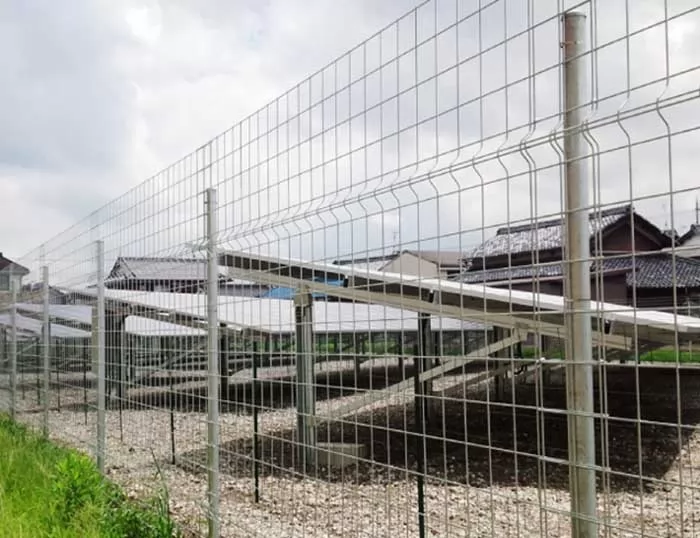
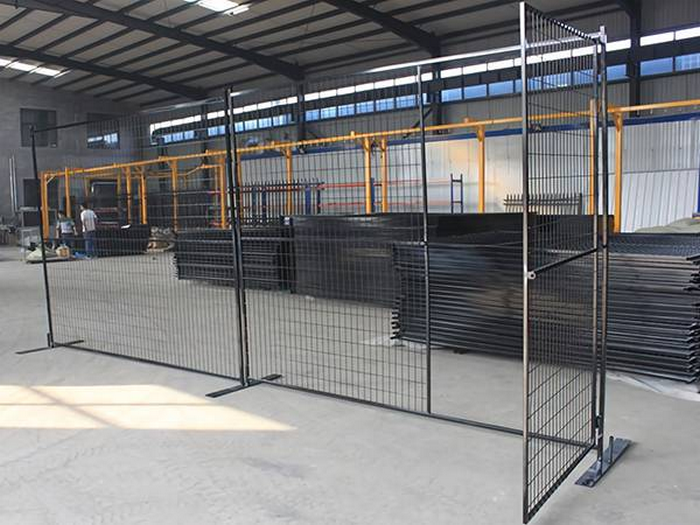
- Brown Welded Wire Mesh: Known for its durability and ease of installation.
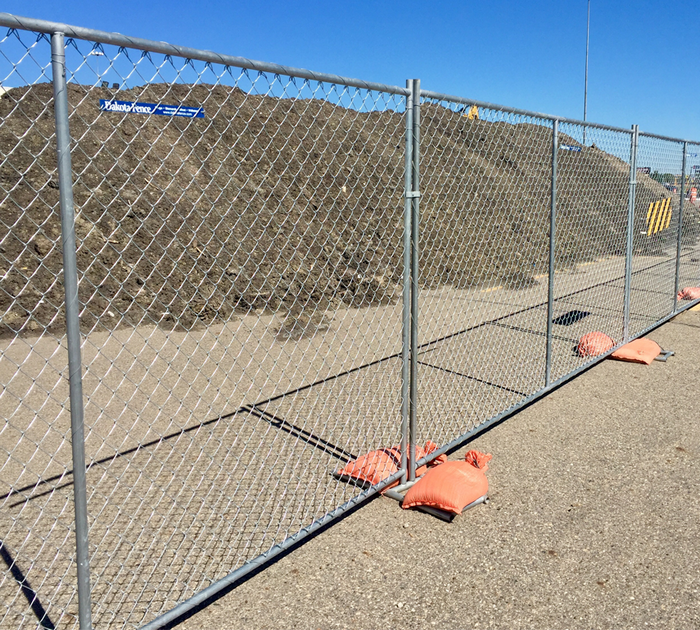
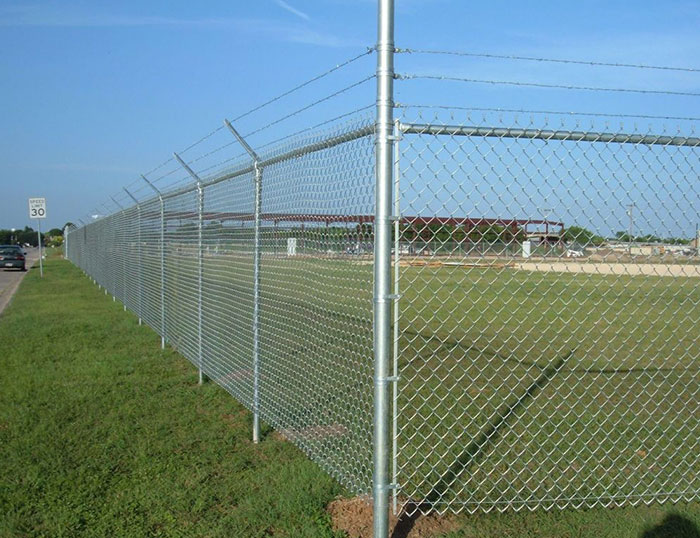
- Chain Link Fencing: A popular choice for its flexibility and visibility.
- Plastic Fencing: Ideal for temporary, aesthetic applications.
Product Specifications: Brown Welded Wire Mesh
| Product | Brown Welded Wire Mesh |
|---|---|
| Size | 3 ft. x 6 ft. |
| Material | Galvanized steel wire |
| Mesh Type | 6 in. x 6 in. |
| Surface Treatment | Brown coating |
how to build a cyclone fence how to build a chain link fence with gate how to inspect racking
Step 1: Choose the Right Location
Begin by selecting the perfect spot for your temporary fence. Consider factors like accessibility, visibility, and proximity to utilities or structures that may affect installation.
Step 2: Measure and Plan
Accurate measurement is crucial. Use a measuring tape to determine the perimeter of the area you want to fence. Plan the layout, including where gates will be installed.
Step 3: Prepare the Ground
Clear the area of any debris or obstacles. For uneven ground, you may need to level the surface to ensure the fence posts are stable.
Step 4: Install the Posts
4.1 Marking Post Positions
Place stakes at each corner of the fence, and mark the center of the fence line. This will help in aligning the posts.
4.2 Digging Post Holes
Use a post hole digger to create holes at each stake. The depth of the holes should be approximately one-third of the post height.
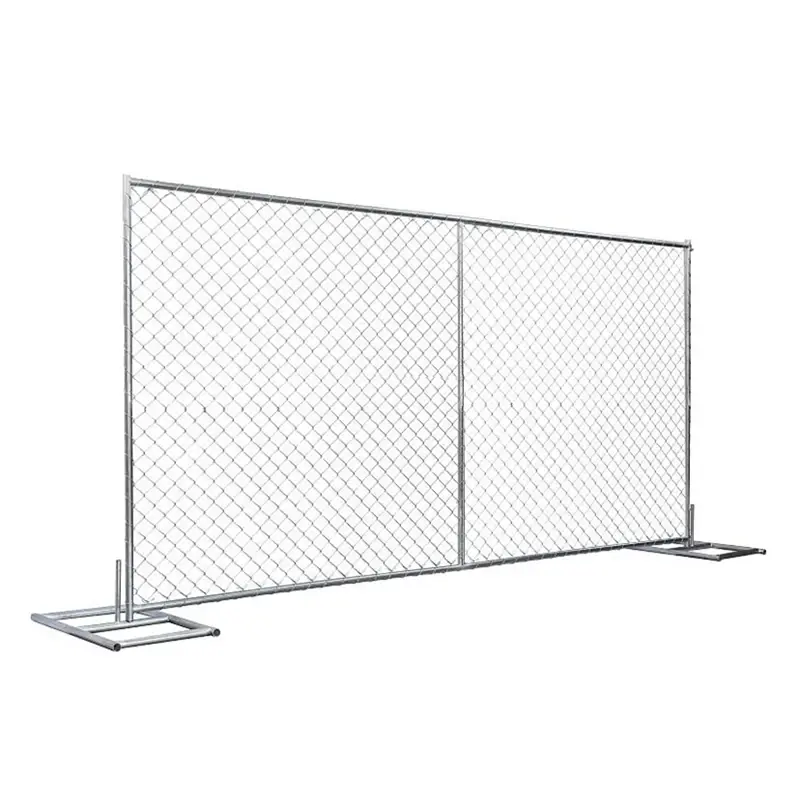
4.3 Setting the Posts
Insert the posts into the holes and make sure they are plumb. Use a level to check their alignment.
Step 5: Connect the Panels
Attach the fence panels to the posts using the appropriate hardware. Ensure the panels are tight and securely fastened.
Step 6: Install Gates
Gates should be installed last to avoid damaging them. Measure and cut the fence panels to fit the gate openings. Secure the gates using hinges and latches.
Step 7: Final Checks
Before you consider your project complete, do a final check to ensure the fence is securely installed and properly aligned. Adjust as necessary.
Step 8: Maintain Your Temporary Fence
Regular maintenance will extend the life of your temporary fence. Clean the fence as needed and check for any signs of wear or damage.
Conclusion
Building a temporary fence can be a rewarding project that adds security and privacy to your property. By following these steps and choosing the right materials, you can create a fence that meets your needs and stands up to the elements. Remember to consult with experts like Jinzehong Wire Mesh Products Co., Ltd. for high-quality materials and expert advice.
Call-to-Action: Ready to build your own temporary fence? Contact Jinzehong Wire Mesh Products Co., Ltd. today for top-notch materials and personalized solutions.