The Ultimate Guide to Grout Flow Tables: Understanding and Implementing for Optimal Performance
Introduction to Grout Flow Tables
As a professional in the construction industry, you've likely come across the term "grout flow table." But what exactly is it, and why is it crucial for the quality of your work? In this article, we'll delve into the details of grout flow tables, their significance, and how they can enhance the performance of your projects.
What is a Grout Flow Table?
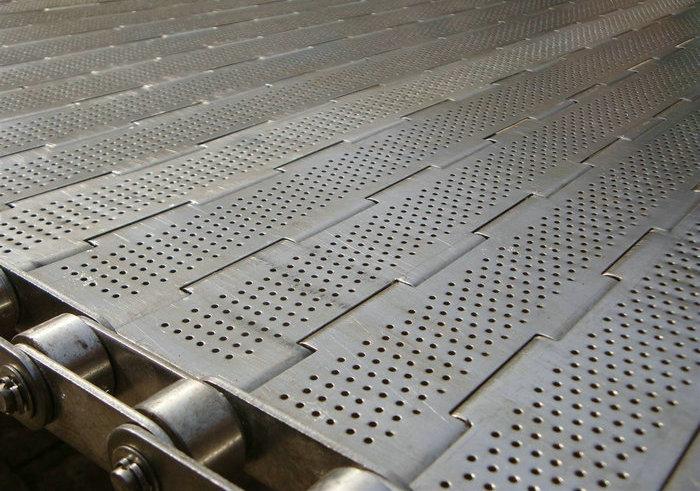
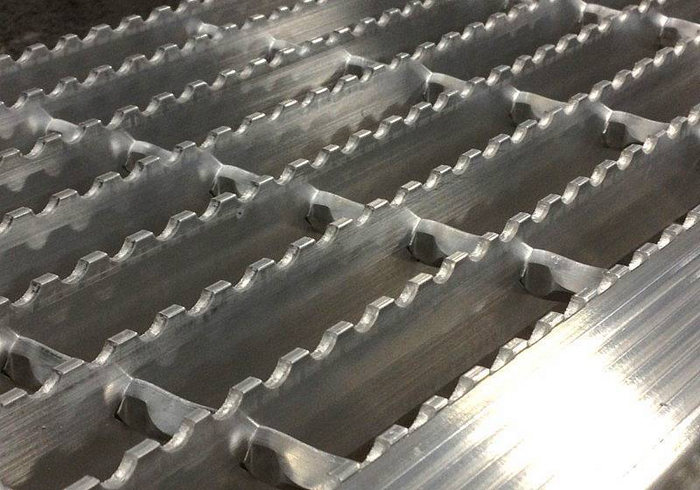
A grout flow table is a device used to measure the consistency and flowability of grout. It's an essential tool for ensuring that the grout used in concrete structures is of the highest quality. The table consists of a flat surface with a series of lines etched into it, which helps to determine the flow rate of the grout.
Grout Flow Table Specifications
| Parameter | Value |
|---|---|
| Table Size | 1500mm x 1500mm |
| Grout Flow Lines | 10 lines with 50mm spacing |
| Maximum Grout Volume | 30 liters |
astm mesh size table mortar flow pallet flow rack
Why is a Grout Flow Table Important?
Using a grout flow table is not just about adhering to industry standards; it's about achieving a high-quality finish that stands the test of time. Here are a few reasons why this tool is indispensable:
- Quality Control: Ensures that the grout used meets the required specifications for consistency and flowability.
- Enhanced Durability: High-quality grout leads to a longer-lasting finish, reducing maintenance costs.
- Professionalism: Demonstrates your commitment to excellence in construction projects.
How to Use a Grout Flow Table
Using a grout flow table is a straightforward process. Here's a step-by-step guide:
- Prepare the grout according to the manufacturer's instructions.
- Place the grout flow table on a flat and stable surface.
- Fill the table with the prepared grout, ensuring it reaches the 50mm line.
- Allow the grout to settle for a few minutes.
- Observe the flow of the grout as it spreads across the table. The grout should flow smoothly and evenly without segregation.
Understanding the Grout Flow Lines
The lines on the grout flow table are etched at specific intervals. Each line represents a different flow rate. By observing which line the grout reaches, you can determine the consistency of the grout and make adjustments if necessary.
Common Challenges and Solutions
Like any tool, the grout flow table can present challenges. Here are some common issues and how to address them:
- Too Fast Flow: Adjust the consistency of the grout by adding more water or using a different mix ratio.
- Too Slow Flow: Add more cement or a cementitious material to increase the viscosity of the grout.
- Segregation: Ensure the grout is well-mixed and free from air bubbles before using it.
Real-World Examples
Let's take a look at a real-world example of how a grout flow table can make a difference. In a recent project, a construction team encountered issues with the grout used in a bridge. By utilizing a grout flow table, they were able to identify the problem and make the necessary adjustments, resulting in a high-quality finish that met all specifications.
Conclusion
In conclusion, the grout flow table is an invaluable tool for any construction professional. By understanding its importance and how to use it effectively, you can ensure the quality and durability of your projects. So, the next time you're working on a concrete structure, don't forget to give this tool a try!
Call to Action
Are you ready to take your construction projects to the next level? Contact Jinzehong Wire Mesh Products Co., Ltd. today to learn more about our high-quality grout flow tables and other construction tools.
For more information, please visit our website at Jinzehong Wire Mesh Products Co., Ltd. or contact us at https://www.jinzehongmesh.com/contactus.html. Our team is here to help you achieve excellence in your construction projects.