Industrial Grating for Walkways: A Buyer's Guide to Durable & Compliant Solutions
For import managers, brand owners, and sourcing agents, selecting the right grating for walkways involves balancing safety compliance, project budgets, and long-term durability. This guide details how to source heavy-duty walkway grating that meets international standards like CE and ISO, offers OEM/ODM flexibility, and leverages efficient China supply chains for reliable, high-speed delivery to your job site.
Common Pain Points When Sourcing Walkway Grating
Procurement professionals face consistent challenges when sourcing grating systems for industrial platforms, catwalks, and safety walkways:
- Uncertain Quality & Compliance: Vague or missing certification data (CE, load ratings) leading to rejected shipments or safety failures on-site.
- Inflexible Supply & High MOQs: Suppliers unable to accommodate custom sizes, finishes, or low-volume trial orders, locking you into unsuitable inventory.
- Project-Delaying Lead Times: Unreliable production schedules causing costly construction delays.
- Hidden Costs: Unexpected charges for tooling, special packaging, or complex logistics eroding projected margins.
- Poor Technical Support: Lack of engineering input for load specification, anti-slip requirements, or corrosion resistance, increasing project risk.
Engineered Solutions: Technical Specifications & Material Selection
Effective walkway grating is defined by precise engineering. Below are key parameters and material options to specify with your supplier.
| Parameter | Standard Options | Key Considerations for Buyers |
|---|---|---|
| Material Type | Mild Steel (Q235), Stainless Steel (304, 316), Aluminum Alloy | Choose based on environment: carbon steel for general industry with coating, stainless for corrosive (chemical, marine) or food-grade (FDA-compliant areas) settings, aluminum for lightweight needs. |
| Load Bearing Class | Light Duty (1-2 kN/m²), Medium Duty (3-4 kN/m²), Heavy Duty (5+ kN/m²) | Must comply with local building codes (e.g., IBC in USA). Provide expected live/dead load and span to supplier for calculation. *Always refer to final engineering drawings for confirmed specifications. |
| Surface Treatment | Hot-Dip Galvanizing (HDG), Powder Coating, Painted, Bare Mill | HDG offers longest corrosion protection for steel. Powder coating allows for RAL color matching for brand/safety color coding. |
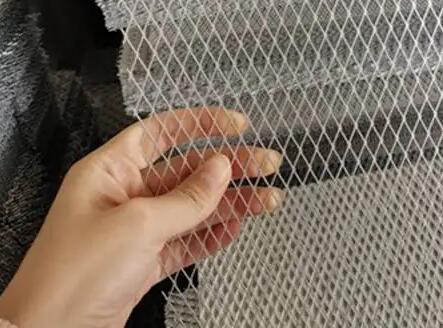
| Mesh/Style | Welded Grating, Press-Locked Grating, Expanded Metal Grating | Welded offers high strength for heavy loads. Press-locked provides a smooth, snag-free surface. Expanded metal is economical for covers and less critical walkways. |
Core Applications & Matching the Right Grating
- Oil & Gas Platforms: Heavy-duty galvanized steel grating with high slip resistance (serrated surface option) for safety in harsh, corrosive environments.
- Wastewater Treatment Plants: 304 or 316 stainless steel grating for maximum corrosion resistance against chemicals and moisture.
- Commercial Building Stair Treads: Powder-coated aluminum or steel grating, customized to architect specifications for aesthetics and load.
- Factory Mezzanine & Catwalks: Cost-effective, hot-dip galvanized welded grating, customized to odd floor plan shapes with precise cut-outs.
Why Partner with a Specialized Manufacturer Like Jinzehong
Navigating the above specifications requires a supplier with integrated engineering and manufacturing capability. Here’s how a direct factory partnership addresses core procurement needs.
Integrated Quality Assurance & Compliance
Jinzehong Wire Mesh Products Co., Ltd., operating since 2000 from a 5000 m² facility in Anping, maintains a vertically controlled production process. This allows for traceability from raw material (certified mill test reports available) to finished product. Quality checks are staged throughout welding, galvanizing, and finishing. While specific product certifications should be confirmed per order, such factories are typically equipped to produce to CE, ISO 9001 quality management standards, and can advise on meeting RoHS and other regional compliance needs.
OEM/ODM Design & Customization Flexibility
For brand owners and wholesalers, proprietary designs are key. The factory supports full OEM/ODM services:
- Custom Sizing & Shapes: Non-standard panel sizes, stair treads, circular platforms, or cut-outs for pipes/columns.
- Branding Integration: Custom embossing, laser-cut logos, or specific powder coat colors (RAL matching).
- Technical Collaboration: Engineering teams can review client CAD drawings or create them based on load and span requirements.
Supply Chain Efficiency: MOQ, Lead Time & Logistics
Transparent terms are critical for project planning:
- MOQ (Minimum Order Quantity): Flexible, often starting from a single 20-foot container load for standard items. Lower MOQs may be possible for custom ODM projects, subject to discussion.
- Lead Time: Typically 15-25 days for standard catalog items after order confirmation and deposit. Complex customizations may require 30-35 days. *Final lead time is confirmed with the proforma invoice.
- Packaging & Logistics: Grating is bundled securely in steel-framed wooden crates or pallets for ocean freight (FOB/CIF terms available). Documentation (Packing List, Commercial Invoice, Bill of Lading, Certificate of Origin) is provided comprehensively.
Feedback from Global Partners
Here is unsolicited feedback from professionals who have sourced walkway grating for international projects:
"We needed 316 stainless grating for a coastal water treatment upgrade in Florida. The technical drawings they provided for review were precise, and the CE documentation was in order. Shipping was on schedule, which kept our contractor happy. No corrosion issues after 18 months."
— Michael R., Project Procurement Manager, US Infrastructure Firm
"As a sourcing agent for European distributors, I value suppliers who don't just say 'yes' to everything. Jinzehong's engineers questioned our initial load spec for a factory walkway and suggested a more cost-effective profile that still met the German safety standard. That saved the end-client money and built trust."
— Elena V., Sourcing Agent, Germany
"Our branding required a specific safety yellow powder coat on aluminum treads. They matched the RAL code perfectly and delivered the ODM run within the quoted 4 weeks. Packaging was excellent—zero damage. We've re-ordered twice for other projects."
— David L., Brand Owner, Industrial Safety Products, Australia
Ready to Specify Your Walkway Grating?
Move beyond generic quotes. Provide your project parameters and receive a detailed technical proposal, including load tables, compliance advice, and a transparent FOB/CIF price breakdown.
Or contact directly: ada@jinzehongwiremesh.com | Tel: +86 15383785666
Frequently Asked Questions (FAQ)
Q1: What is the standard panel size for welded steel walkway grating?
A: A common production-friendly size is 1000mm width x 6000mm length (approx. 3.3ft x 19.7ft). However, most industrial grating suppliers can customize panels to your required dimensions, subject to material constraints and optimal packing for shipping.
Q2: Can you provide grating with anti-slip surface treatment?
A: Yes. Several options enhance slip resistance: serrated bearing bars (teeth on one side), grit-coated surfaces (epoxy with abrasive grit), or patterned surfaces like diamond plate integrally attached. The choice depends on the environment (wet/oily) and required safety standard.
Q3: How do you ensure grating meets the load requirements for my local building code?
A: Reputable suppliers use engineering software to calculate deflection and load capacity based on your provided span, support type, and intended live/dead load. They can provide calculated load tables for your review. It is ultimately the buyer's responsibility to ensure the selected product meets local code; the supplier provides the technical data to make that determination.
Q4: What is the difference between FOB and CIF pricing?
A: FOB (Free On Board) means the price includes all costs until the goods are loaded onto the ship at the origin port. You, the buyer, arrange and pay for ocean freight and insurance. CIF (Cost, Insurance, and Freight) includes the cost of the goods, insurance, and freight to a destination port of your choice. For greater control and potentially lower cost on large volumes, many B2B buyers prefer FOB terms.
Q5: Do you supply installation hardware or clamping systems?
A: Grating is typically supplied as panels. However, common installation accessories like grating clips, bolts, or hold-down fasteners can be quoted as part of your package. Be sure to specify this requirement during the inquiry stage.

About the Author: Marcus Thorne
Marcus is a structural materials consultant with over 15 years of experience specializing in industrial safety flooring and architectural metalwork procurement for North American and European markets. He has collaborated with manufacturers, engineering firms, and global distributors to specify and source compliant grating solutions for projects ranging from power plants to public infrastructure. His writing focuses on translating technical specifications into actionable procurement intelligence.
Disclaimer: All technical data, lead times, and MOQs mentioned are for reference based on industry standards and typical practices. Final specifications, pricing, and terms are subject to the official quotation and order confirmation from Jinzehong Wire Mesh Products Co., Ltd. It is the buyer's responsibility to verify product suitability and compliance with local regulations and project requirements.