Unveiling the Gate Fork Latch: A Key Component for Secure Access Control
Introduction to Gate Fork Latches
As the gateway to restricted areas, gate fork latches play a crucial role in ensuring secure access control. These mechanical devices, often found in industrial, commercial, and residential settings, are designed to provide a reliable means of locking and unlocking gates. In this article, we'll dive into the world of gate fork latches, exploring their specifications, benefits, and real-world applications.
Understanding Gate Fork Latch Specifications
Before we delve deeper, let's take a look at the product specifications for the Jinzehong Gate Fork Latch. This high-quality latch is designed to meet the demands of various applications, offering durability and ease of use.
| Feature | Specification |
|---|---|
| Material | High-quality stainless steel |
| Color | Black, silver, or customized |
| Size | Available in various sizes to fit different gate widths |
| Mounting Type | Standard 3/8" x 16 thread |
| Operating Temperature | -20°C to 70°C |
| Warranty | 5 years |
post latch gate industrial gate latch door latch gate
How Gate Fork Latches Work
Gate fork latches are designed to be mounted on the edge of a gate. They consist of a lever arm and a locking mechanism that engages with the gate post. When the lever is lifted, the latch releases, allowing the gate to open. To secure the gate, the lever is pushed down, causing the locking mechanism to engage with the post, thereby preventing unauthorized access.

Key Components of a Gate Fork Latch
- Lever Arm: This is the part of the latch that you push down to lock the gate.
- Locking Mechanism: This is the part that engages with the gate post when the lever is pushed down.
- Gate Post: This is the part of the gate that the locking mechanism engages with.
Benefits of Gate Fork Latches
Gate fork latches offer several benefits, making them a popular choice for access control in various settings:
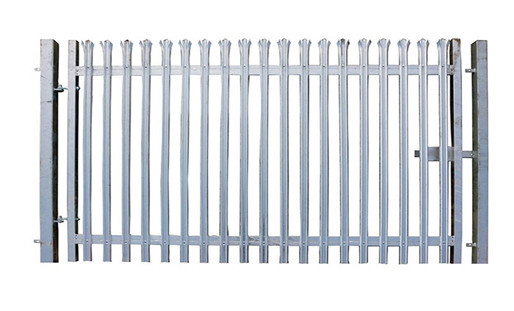
- Security: They provide a reliable means of locking and unlocking gates, preventing unauthorized access.
- Durability: Made from high-quality materials, these latches are designed to withstand harsh weather conditions and heavy use.
- Easy to Install: Most latches come with easy-to-follow installation instructions, making them a suitable DIY project for many.
- Customizable: They are available in various sizes and finishes, allowing for customization to fit different gate styles and needs.
Real-World Applications of Gate Fork Latches
Gate fork latches are used in a wide range of applications, including:
- Industrial Facilities: To secure restricted areas within industrial facilities.
- Residential Properties: To provide secure access control to garages, sheds, and other outbuildings.
- Commercial Buildings: To control access to parking garages, loading docks, and other restricted areas.
- Agricultural Settings: To secure animal pens, farm equipment storage areas, and other agricultural buildings.
Choosing the Right Gate Fork Latch
When selecting a gate fork latch, it's important to consider several factors to ensure that you choose the right one for your needs:
- Gate Width: Make sure the latch is compatible with the width of your gate.
- Material: Choose a material that is durable and suitable for your environment.
- Finishing: Select a finish that complements the style of your gate and setting.
- Installation: Consider the ease of installation and whether you need any additional hardware.
Conclusion
Gate fork latches are a vital component for secure access control in various settings. With their durable construction, ease of use, and customizable options, they are an excellent choice for anyone looking to enhance the security of their property. When selecting a gate fork latch, be sure to consider the specific needs of your application to ensure that you choose the right product. At Jinzehong Wire Mesh Products Co., Ltd., we offer a wide range of high-quality gate fork latches to meet your needs. Contact us today to learn more about our products and how we can help you secure your property.