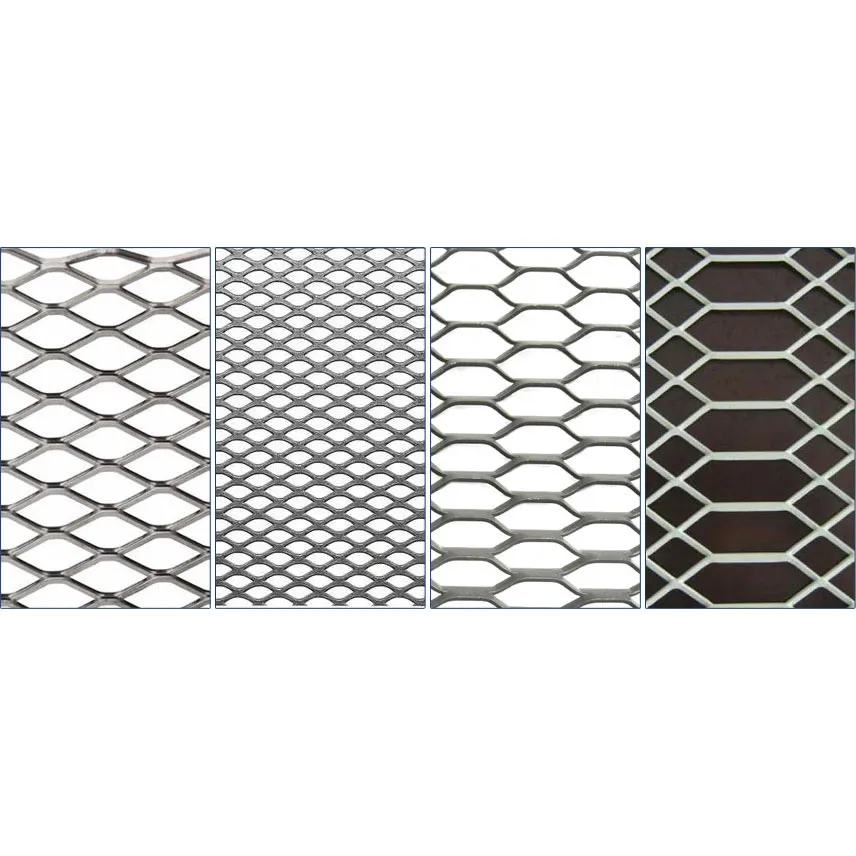
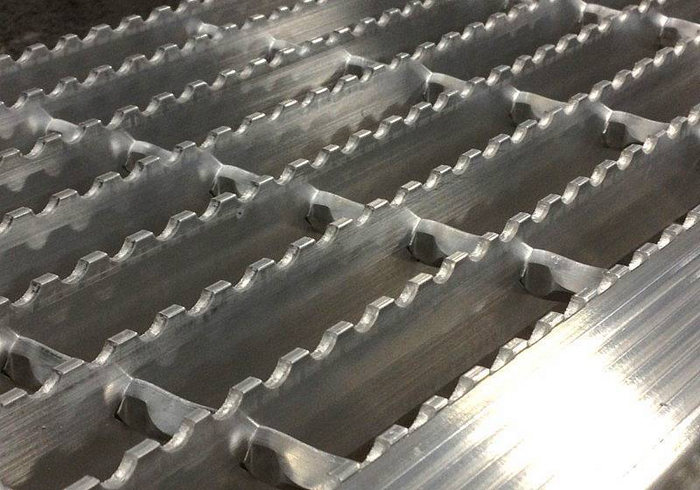
Fiberglass Grating: A Durable and Corrosion-Resistant Solution for Industrial Flooring
Are you an import manager, brand owner, or sourcing agent seeking a fiberglass grating solution that combines high strength, corrosion resistance, and long-term value? For B2B buyers, the core decision factors often revolve around material performance, compliance certifications, supply chain reliability, and total project cost. This guide provides a detailed, data-driven overview of FRP grating, addressing technical specifications, global standards, and key considerations for sourcing from a professional manufacturer with a robust supply chain.
Industry Pain Points in Selecting Industrial Flooring
Procurement professionals face significant challenges when specifying flooring for industrial environments. Traditional materials like steel grating are prone to rapid corrosion in chemical plants, wastewater treatment facilities, or coastal areas, leading to frequent replacement, safety hazards, and inflated lifecycle costs. Wood can rot and splinter, while concrete is heavy and can crack. The need for a material that is lightweight for easy installation, inherently non-conductive for electrical safety, and requires minimal maintenance is a constant pursuit for cost-conscious and safety-driven operations.
Fiberglass Grating: The Engineered Solution
Fiberglass reinforced plastic (FRP) grating is manufactured by combining glass fiber reinforcements with a thermosetting resin matrix. This process creates a composite material that delivers a superior set of properties ideal for harsh environments. It is not merely a "plastic" alternative but a high-performance engineered product designed to solve specific industrial problems.
Core Advantages and Technical Data
fiberglass grating systems fiberglass grating for sale fiberglass grate flooring
The value proposition of FRP grating is best understood through its measurable characteristics:
| Property | Performance Benefit | Typical Data/Application |
|---|---|---|
| Corrosion Resistance | Unaffected by a wide range of chemicals, salts, and moisture. | Ideal for chemical processing plants, marine platforms, water treatment facilities. Resists acids, alkalis, and organic solvents.* |
| High Strength-to-Weight Ratio | Easier to handle and install than steel, reducing labor costs. | Weighs approximately 1/4 that of steel grating. Load capacities are engineered for specific spans (e.g., 1" depth can handle concentrated loads of 250 lbs on a 24" span).* |
| Non-Conductive & Non-Sparking | Enhances safety in electrical environments and explosive atmospheres. | Essential for power generation facilities, fueling areas, and petrochemical plants. |
| Slip Resistance | Integrated grit surface or molded-in patterns provide traction. | Critical for walkways, platforms, and stairs in wet or oily conditions. |
| Low Maintenance & Long Life | Does not rust, rot, or require painting. | Lifecycle cost is often lower than coated metals. Typically cleaned with water and mild detergent. |
*Note: All technical data and performance specifications are for reference. Please refer to the official product data sheets and actual order confirmation for project-specific engineering requirements.
Why Source FRP Grating from a Specialized Manufacturer?
Partnering with an experienced factory like Jinzehong Wire Mesh Products Co., Ltd. provides distinct advantages in the B2B procurement process, directly addressing buyer concerns over quality, flexibility, and logistics.
Integrated Manufacturing & Quality Assurance
With a factory covering 5000 m² and focused operations since 2000, control over the production process—from raw material selection to molding and finishing—ensures consistency. A dedicated QC team typically performs checks on resin mix ratios, glass content, dimensional accuracy, and load-bearing tests. Many reputable manufacturers operate under an ISO 9001 quality management system framework, which provides a structured approach to meeting customer and regulatory requirements.
Full OEM/ODM Design & Customization Support
Beyond standard panel sizes (common: 1m x 4m, 1.22m x 3.66m / 4' x 12'), professional suppliers offer extensive customization:
- Panel Dimensions: Cut-to-size service to minimize on-site waste.
- Resin Types: Isophthalic, Vinyl Ester, or Phenolic for enhanced chemical or fire resistance.
- Mesh Size & Bar Thickness: Customized for specific load and drainage needs.
- Color: Integral pigmentation (grey, yellow, green) for aesthetic or safety coding.
- Fabrication: Pre-cutting of stairs, trenches, or cutouts for pipes and columns.
Compliance & Global Market Access
For buyers in the USA, Europe, Australia, and other regions, compliance is non-negotiable. Reputable Chinese manufacturers are familiar with international standards. Products can be manufactured to meet relevant specifications for:
- Structural Performance: ASTM E84 (Surface Burning Characteristics), Load & Deflection standards (e.g., NEMA FG 100).
- Material Safety: RoHS compliance for restricted substances.
- Industry-Specific: FDA-compliant resins for food and beverage areas, HACCP/GMP considerations.
Disclaimer: Certifications are project and product-specific. Buyers must verify the current, valid certification status for their exact product configuration and intended use with the supplier before ordering.
Streamlined Logistics: MOQ, Lead Time & Delivery
Efficient supply chain management is a key competitive edge. A typical profile for a established supplier includes:
- MOQ (Minimum Order Quantity): Often one 20-foot or 40-foot container load for standard items, with flexibility for mixed-container loads or trial orders for custom designs.
- Lead Time: For standard catalog items, production can often be completed within 10-15 working days after order confirmation. Custom projects may require 20-30 days for tooling and production.
- Packaging: Standard export packaging uses wooden crates or pallets with plastic wrapping to prevent damage during ocean freight.
- Shipping Terms: Standard Incoterms like FOB Shanghai/Tianjin or CIF to major destination ports are commonly offered.
Trust Endorsement: Insights from Global Buyers
Hearing from peers provides practical validation. Here are comments reflecting common experiences of international clients who have sourced industrial grating:
"We needed custom-sized FRP grating panels for a refinery walkway retrofit in Texas. The technical drawings were executed precisely, and the vinyl ester resin specified held up perfectly against the chemical splash. The lead time was met exactly, which kept our project timeline intact." – Project Procurement Manager, Industrial Contractor, USA
"As a wholesaler supplying to marine and water treatment sectors in the UK, consistent quality is everything. We've been working with our supplier for 5+ years. Their QC reports are thorough, and we've had zero issues with compliance documentation for our customers." – Director, Building Materials Wholesaler, United Kingdom

"The ODM support for a branded safety grating line was crucial for our business. The factory helped develop a unique embossed pattern for maximum slip resistance. Their ability to handle both small batch runs for new products and large volume orders is a key partnership advantage." – Brand Owner, Safety Products, Australia
Your Clear Next Step: Request a Project-Specific Quotation
Evaluating fiberglass grating for your project requires specific data. To move forward efficiently, prepare the following information for your supplier inquiry:
- Intended application and environment (e.g., chemical exposure, load requirements).
- Required dimensions (panel size, thickness, mesh size).
- Quantity (square meters or square feet).
- Any required certifications or performance standards.
- Destination port and preferred shipping terms.
Ready to Specify Your Grating Solution?
Contact Jinzehong Wire Mesh Products Co., Ltd. for a detailed quote, technical data sheets, and samples. Leverage two decades of manufacturing expertise and a responsive engineering team.
Tel: +86 15383785666 | Email: ada@jinzehongwiremesh.com
Visit Contact Page: www.jinzehongmesh.com/contactus.html
Frequently Asked Questions (FAQ) for Fiberglass Grating Buyers
Q1: What is the standard size of a fiberglass grating panel?
A: Common manufacturing sizes are 1.0 meter x 4.0 meters (approx. 3.28 ft x 13.12 ft) and 1.22 meters x 3.66 meters (4 ft x 12 ft). However, most factories offer a cut-to-size service to minimize on-site labor and waste.
Q2: How does the cost of FRP grating compare to steel grating over time?
A: While the initial purchase price of FRP may be higher, the total lifecycle cost is often lower. This is due to zero costs for anti-corrosion painting, no losses from rust degradation, reduced installation labor (lighter weight), and minimal maintenance. A cost-benefit analysis for corrosive environments typically favors FRP.
Q3: Can you supply fire-retardant fiberglass grating?
A: Yes. By using specific resin systems (like phenolic) or additives, FRP grating can be manufactured to meet various fire performance standards, such as having a Class 1 Fire Rating (ASTM E84) for low flame spread and smoke density. You must specify this requirement during the inquiry stage.
Q4: What is the standard packaging for ocean freight?
A: Panels are typically stacked, separated by protective material, and securely fastened onto wooden pallets or in wooden crates. They are then shrink-wrapped or strapped to form a stable, weather-protected bundle suitable for container loading.
Q5: Do you provide installation support or design drawings?
A: Professional suppliers provide detailed product drawings, load tables, and general installation guidelines. For complex layouts, they can often provide fabrication drawings showing panel layout and cutouts based on your site plans. On-site installation is usually handled by the buyer's local contractors.

About the Author: David Chen is a Senior Technical Consultant with over 12 years of experience in the composite materials industry, specializing in FRP structural design and industrial applications. He has worked with global clients across the water treatment, chemical, and energy sectors to specify and optimize fiberglass grating solutions for safety, durability, and cost-efficiency. The insights in this article are based on practical project experience and industry best practices.