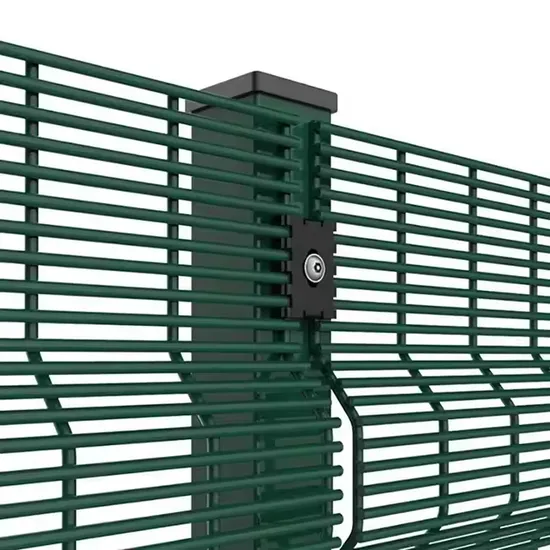
The Ultimate Guide to Fence Pole Spacing: What You Need to Know
Understanding the Importance of Fence Pole Spacing
When it comes to constructing a fence, one of the most crucial aspects to consider is the spacing between the fence poles. This seemingly simple detail can greatly impact the durability, aesthetics, and overall functionality of your fence. In this article, we'll delve into the world of fence pole spacing, exploring its significance, best practices, and the tools you'll need to get the job done right.
Why is Fence Pole Spacing Important?
Imagine walking through a fence that's too tightly packed or too loosely spaced. It's not just an inconvenience—it can also be a safety hazard. Proper fence pole spacing ensures that your fence stands strong against the elements and serves its intended purpose for years to come.
Factors to Consider When Determining Fence Pole Spacing
Several factors come into play when deciding on the optimal fence pole spacing for your project. Let's take a closer look at each one:
1. Type of Fence Material
Each type of fence material has its own requirements for pole spacing. For example, vinyl fences can typically have wider spacing than wood or metal fences. It's essential to consult the manufacturer's guidelines for the specific material you choose.
2. Purpose of the Fence
Are you building a privacy fence, a decorative fence, or a fence for security? The purpose of your fence will influence the spacing. A privacy fence, for instance, may require closer pole spacing to ensure complete privacy, while a decorative fence might benefit from a more open design.
3. Environmental Conditions
The climate and soil conditions in your area can also play a role in determining fence pole spacing. In regions with extreme weather, such as heavy snowfall or high winds, you may need to increase the spacing to ensure your fence remains intact.
4. Local Building Codes
Before you begin your fence project, it's crucial to check your local building codes. Some areas have specific requirements for fence pole spacing, which you must adhere to for legal compliance.
Standard Fence Pole Spacing Guidelines
While there's no one-size-fits-all answer for fence pole spacing, here are some general guidelines to follow:
1. Wood Fences
For wood fences, a spacing of 6 to 8 feet between fence poles is typically recommended. This allows for a strong, aesthetically pleasing design while still maintaining a reasonable cost.
2. Vinyl Fences
With vinyl fences, you can go a bit wider with your spacing, typically around 8 to 10 feet. This is due to the material's inherent flexibility and strength.
3. Metal Fences
For metal fences, a spacing of 8 to 10 feet is standard. Metal is durable and can withstand greater distances between poles, making it an excellent choice for high-security applications.

Product Specifications and Technical Table
| Product Name | Product Model | Material | Recommended Spacing |
|---|---|---|---|
| Jinzehong 6 ft. Wooden Fence | Model JH-WF-06 | Western Red Cedar | 6 ft. – 8 ft. |
| Jinzehong 8 ft. Vinyl Fence | Model JH-VF-08 | High-Density Polyethylene | 8 ft. – 10 ft. |
| Jinzehong 10 ft. Metal Fence | Model JH-MF-10 | Galvanized Steel | 8 ft. – 10 ft. |
Tools and Materials Needed for Fence Pole Spacing
Constructing a fence with proper pole spacing requires the right tools and materials. Here's a list to get you started:
- Fence posts
- Post hole digger
- Concrete mix or post anchors
- Level
- String line
- Fence panels or rails
- Saw
- Hammer
- Drill
Step-by-Step Guide to Installing Fence Poles with Proper Spacing
Step 1: Plan Your Fence Layout
Before you begin, sketch out your fence layout, including the dimensions and the desired fence pole spacing. This will help you visualize the final product and ensure everything fits as intended.
Step 2: Mark the Post Locations
Using your layout plan, mark the locations for each fence post. Be sure to account for the recommended spacing and any local building code requirements.
Step 3: Dig Post Holes
Use a post hole digger to create holes for your fence posts. The depth and width of the holes should be based on the manufacturer's recommendations and local soil conditions.
Step 4: Set the Posts
Lower the fence posts into the holes and level them using a post level. Once they're properly aligned, secure them in place with concrete mix or post anchors.
Step 5: Install the Fence Panels or Rails
Attach the fence panels or rails to the posts using brackets and screws. Be sure to maintain the recommended spacing between posts to ensure a strong, even fence.
Conclusion
Proper fence pole spacing is a crucial element in creating a durable, aesthetically pleasing fence. By following the guidelines and best practices outlined in this article, you can build a fence that stands the test of time and enhances the beauty of your property. Remember to consult with a professional if you're unsure about the best approach for your specific project. And for all your wire mesh needs, trust Jinzehong Wire Mesh Products Co., Ltd. We're here to help you create the perfect fence for your home or business.
Call to Action
Ready to install a fence that will stand the test of time? Contact Jinzehong Wire Mesh Products Co., Ltd. today for all your fence materials and expert advice. Our team is dedicated to helping you create a fence that you'll be proud of for years to come.