The Essential Components of a Conveyor System
Understanding the Basics of Conveyor Systems
Conveyor systems are the backbone of many modern manufacturing and distribution processes. They streamline operations, increase efficiency, and reduce labor costs. But what exactly makes up a conveyor system? Let's dive into the essential components that keep these systems running smoothly.
1. Drive Unit
The drive unit is the heart of the conveyor system. It provides the power to move the belt or chain. There are several types of drive units, including:
- Direct Drive: Offers a quieter, more efficient operation with no gearboxes.
- Chain Drive: Provides a higher power output and is suitable for heavy-duty applications.
- Belt Drive: The most common type, offering a balance between cost and performance.
Product Specifications: Direct Drive Unit
| Model | Power (kW) | Speed (m/min) | Max Load (kg/m) |
|---|---|---|---|
| JD-1000 | 1.5 | 10-30 | 1000 |
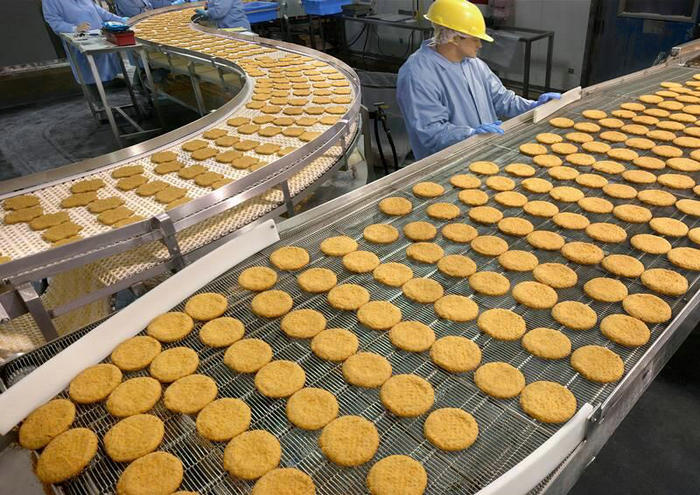
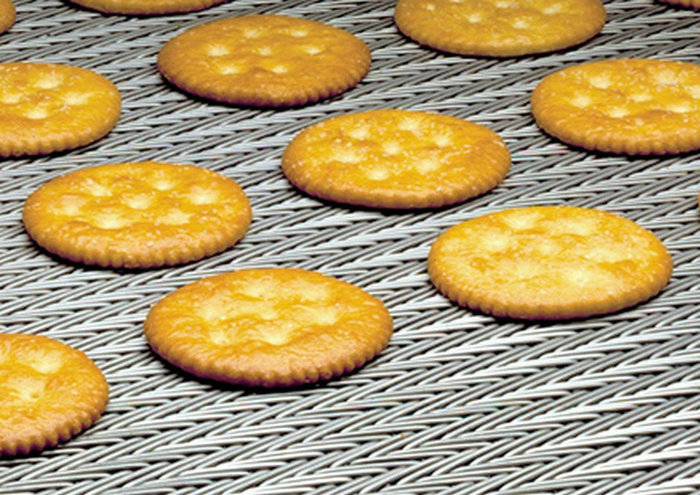
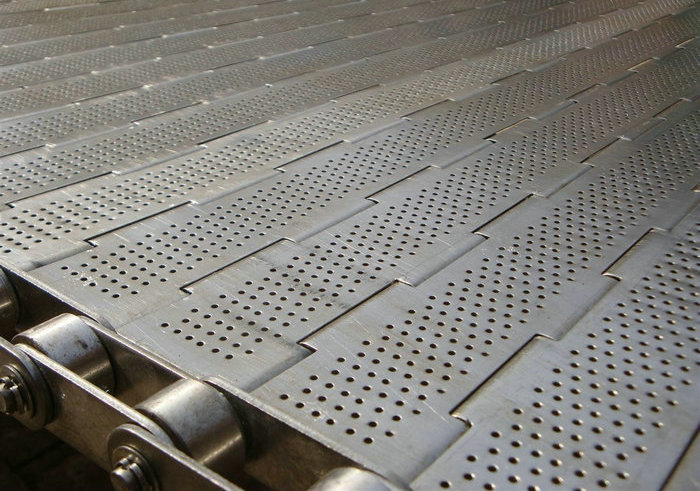
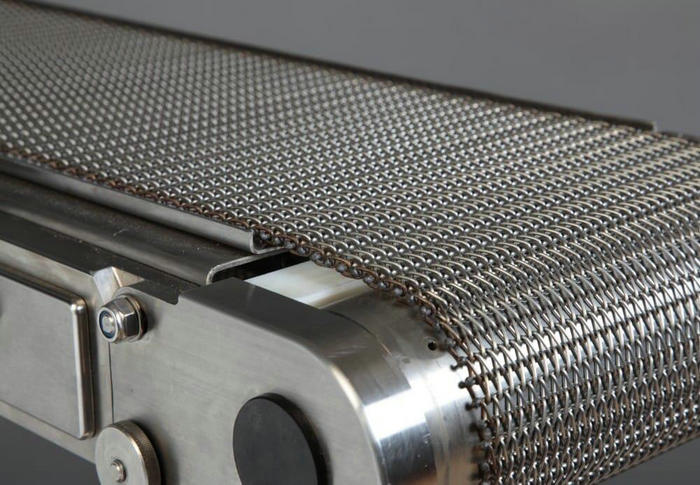
2. Belt or Chain
The belt or chain is the surface that carries the product through the conveyor system. Belts are typically made of rubber, PVC, or other materials, while chains are used in more rugged applications.
3. Idler Rollers
Idler rollers support the belt or chain and help guide it along the conveyor. They come in various sizes and materials, depending on the application.
Product Specifications: Idler Rollers
| Model | Outer Diameter (mm) | Inner Diameter (mm) | Length (mm) | Material |
|---|---|---|---|---|
| IR-150 | 150 | 100 | 300 | Stainless Steel |
conveyor system chainlink fence components pallet conveyor
4. Drive Pulley
The drive pulley is connected to the motor and transmits power to the belt or chain. It is crucial for maintaining the tension and speed of the conveyor.
5. Take-Up Unit
The take-up unit keeps the belt or chain taut and prevents it from sagging. It is particularly important in long conveyor systems.
6. Control Panel
The control panel allows operators to monitor and control the conveyor system. It typically includes buttons for start, stop, and speed control, as well as indicators for power and status.
7. Safety Features
Conveyor systems must have safety features to prevent accidents and injuries. These may include emergency stop buttons, guards, and sensors.
Real-World Example
At Jinzehong Wire Mesh Products Co., Ltd., we installed a conveyor system in a local electronics manufacturing plant. The system included a direct drive unit, a rubber belt, and a series of idler rollers. The control panel allowed the operators to easily adjust the speed and direction of the conveyor, ensuring a smooth and efficient operation.
Conclusion
Understanding the components of a conveyor system is crucial for selecting the right system for your application. By choosing the right components, you can ensure a reliable, efficient, and safe operation. At Jinzehong Wire Mesh Products Co., Ltd., we specialize in providing high-quality conveyor systems and components. Contact us today to learn more about how we can help streamline your operations.
For more information, please visit our website at https://www.jinzehongmesh.com or contact us at https://www.jinzehongmesh.com/contactus.html. Our team is ready to assist you with all your conveyor system needs.