The Ultimate Guide to Collision Protection: What You Need to Know
Introduction to Collision Protection
Collision protection is a crucial aspect of safety in various industries, from automotive to construction. It's all about preventing damage and injury when an impact occurs. In this article, we'll dive into the world of collision protection, exploring its importance, different types, and the best practices for implementing it.
Understanding the Basics of Collision Protection
Collision protection is essentially the use of materials, structures, and devices to absorb, redirect, or dissipate the energy from a collision. This minimizes the risk of injury and damage to both people and property.
Why is Collision Protection Important?
Here are a few key reasons why collision protection is so important:
- Prevents Injury: By absorbing and dissipating energy, collision protection can significantly reduce the risk of injury in the event of a collision.
- Protects Property: Collision protection can prevent or minimize damage to vehicles, buildings, and other property.
- Compliance with Regulations: Many industries have regulations requiring the use of collision protection to ensure safety.
Types of Collision Protection
Collision protection comes in many forms, each designed to address specific types of collisions and environments. Let's take a look at some of the most common types:
Automotive Collision Protection
In the automotive industry, collision protection is primarily focused on preventing injury to passengers and pedestrians. This includes features like:
- Crashworthiness: The ability of a vehicle to withstand a collision without deforming excessively.
- Airbags: Devices that inflate rapidly to cushion passengers during a collision.
- Impact Absorbing Materials: Materials like steel, aluminum, and high-strength steel are used to absorb and dissipate energy.
Construction Collision Protection
In the construction industry, collision protection is essential for preventing accidents and injuries on construction sites. Common features include:
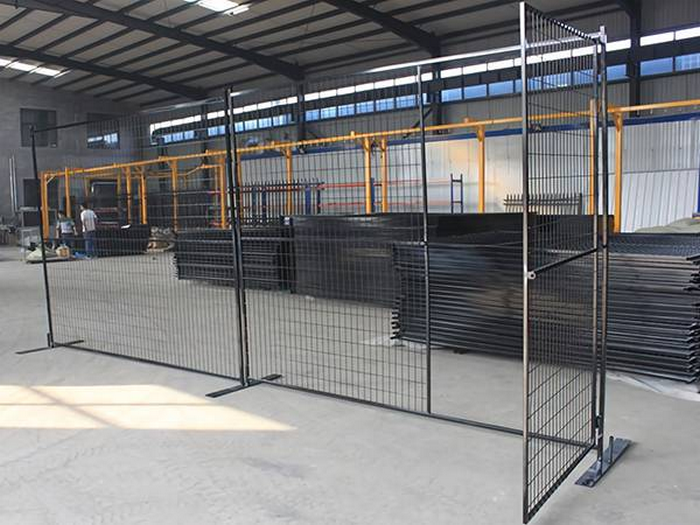
- Safety Barriers: Temporary or permanent barriers that prevent unauthorized access to hazardous areas.
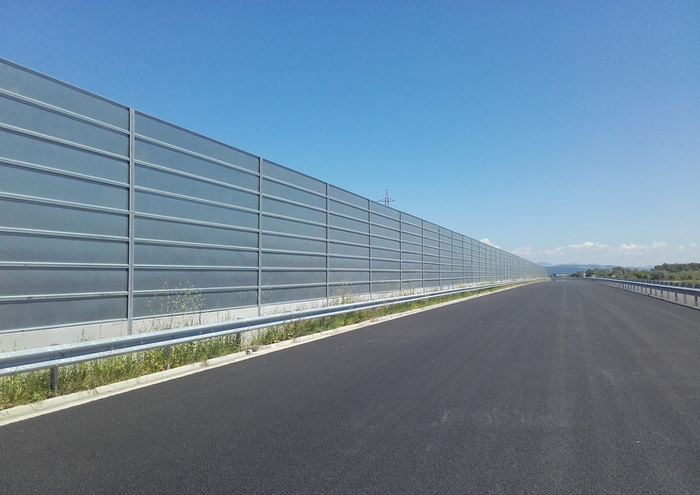
- Guardrails: Structures designed to prevent vehicles from veering off the road or into a dangerous area.
- Personal Protective Equipment (PPE): Such as helmets, safety glasses, and steel-toed boots to protect workers from potential collisions.
Industrial Collision Protection
In industrial settings, collision protection is crucial for protecting machinery and equipment from damage. Some common solutions include:
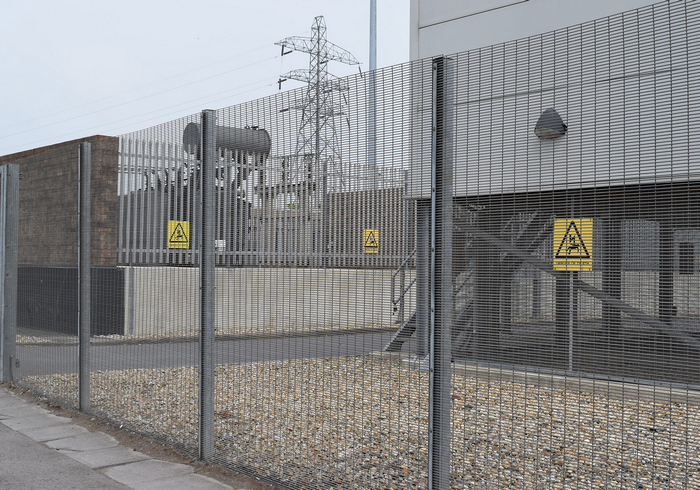
- Enclosures: Structures that surround machinery to prevent access and collisions.
- Collaborative Robots: Robots designed to work alongside humans without the risk of collision.
- Collision Detection Systems: Sensors that detect nearby objects and stop machinery to prevent collisions.
Best Practices for Collision Protection
Implementing effective collision protection requires careful planning and consideration of various factors. Here are some best practices to keep in mind:
Assess the Risk
Identify potential collision scenarios and assess the risks associated with each. This will help you determine the appropriate level of collision protection needed.

Choose the Right Materials
Select materials that are suitable for the specific application, considering factors like durability, weight, and cost.
Regular Maintenance and Inspections
Ensure that collision protection systems are regularly maintained and inspected to ensure they remain effective.
Training and Education
Train employees on the importance of collision protection and how to use it effectively.
Case Study: Jinzehong Wire Mesh Products Co., Ltd.
Jinzehong Wire Mesh Products Co., Ltd., a leading manufacturer of wire mesh products, has been at the forefront of collision protection technology. Their innovative products have been used in various industries, including automotive, construction, and industrial applications.
Product Specifications and Technical Table
| Product | Material | Thickness | Application |
|---|---|---|---|
| Wire Mesh Barrier | Galvanized Steel | 2.0mm | Construction and Roadway Safety |
| Automotive Crash Barrier | High-Strength Steel | 3.0mm | Automotive Industry |
| Industrial Mesh Enclosure | Aluminum | 1.5mm | Machine Protection |
forklift wall protection inlet protection bags green bird protection net
Conclusion
Collision protection is a vital aspect of safety in various industries. By understanding the basics, types, and best practices for collision protection, you can ensure the safety of your employees, property, and customers. Remember to assess the risk, choose the right materials, and regularly inspect and maintain your collision protection systems. For high-quality collision protection solutions, look no further than Jinzehong Wire Mesh Products Co., Ltd. Contact us today to learn more about how we can help you protect your business.
Call to Action: Are you looking to enhance the safety of your workplace? Contact Jinzehong Wire Mesh Products Co., Ltd. today to discuss your collision protection needs. Our team of experts is ready to help you find the perfect solution for your business.