Hey there, fellow fence enthusiasts! Are you looking to spruce up your property with a durable, versatile, and cost-effective fence? Chain link fencing is a popular choice for many, and today, we're diving deep into the world of chain link fencing cost. Whether you're a DIY enthusiast or a professional, understanding the factors that influence the price can help you make an informed decision. Let's unravel the mystery of chain link fencing cost, one link at a time!
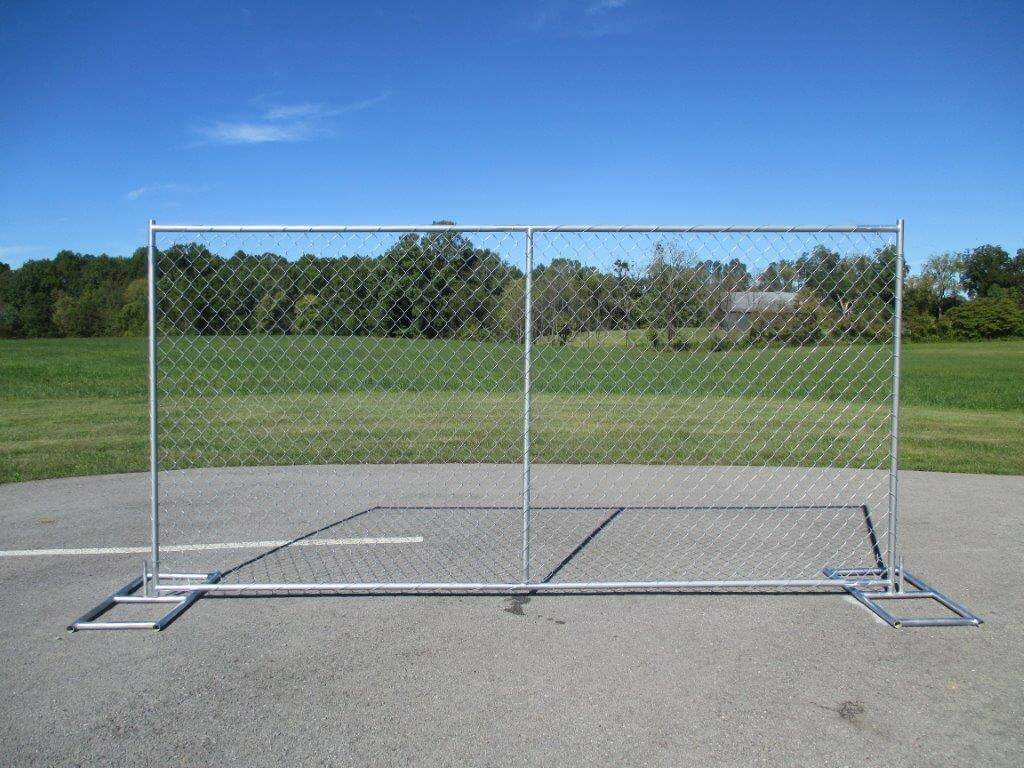
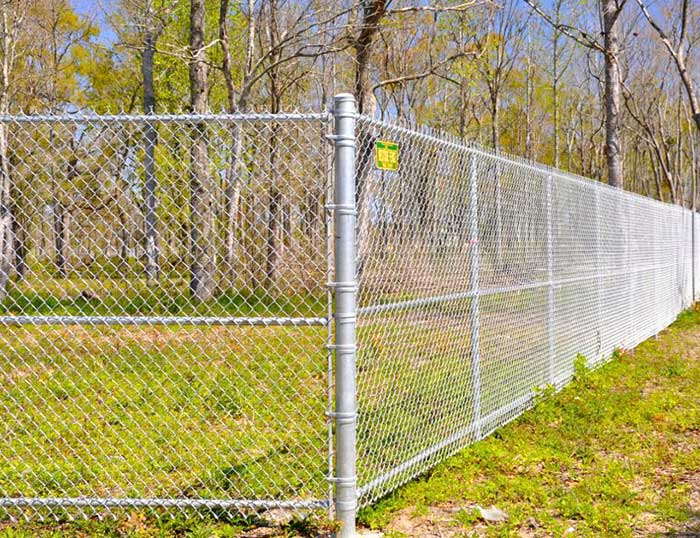
Chain link fencing, also known as diamond mesh or cyclone fencing, is a woven mesh made from metal wires. It's known for its strength, visibility, and affordability. This type of fencing is commonly used for residential, commercial, and industrial properties. Now, let's delve into the factors that determine the cost of this versatile fencing solution.
The quality of the metal wires used in chain link fencing is a crucial factor in determining its cost. The most common materials are galvanized steel, aluminum, and vinyl-coated steel. Each material has its own advantages and price points:
The wire gauge refers to the thickness of the metal wires used in the fencing. A lower gauge number indicates a thicker wire, which is stronger and more durable. Generally, wire gauges range from 9 to 14, with 9 being the thickest and strongest. Thicker wires mean higher costs, but they also offer increased longevity and security.
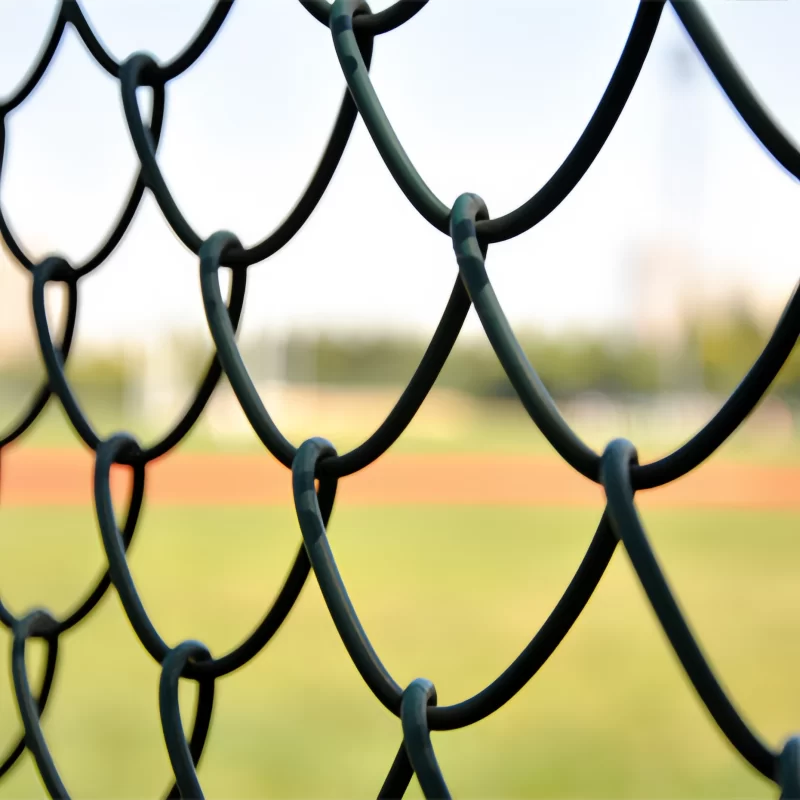
The mesh size is the measurement of the diamond pattern in the chain link fencing. A smaller mesh size provides better privacy and security but is more expensive. The standard mesh sizes range from 1/2 inch to 2 inches. Consider your specific needs and budget when choosing the mesh size.
| Material | Wire Gauge | Mesh Size | Cost per Foot |
|---|---|---|---|
| Galvanized Steel | 9 | 1/2 inch | $3.50 |
| Galvanized Steel | 9 | 1 inch | $4.00 |
| Galvanized Steel | 9 | 2 inch | $5.50 |
| Aluminum | 10 | 1/2 inch | $6.50 |
| Vinyl-Coated Steel | 9 | 1/2 inch | $8.00 |
deer fencing cost 8ft chain link fencing chain link fencing suppliers
While the material cost is a significant factor, don't forget to consider the installation costs. Installation expenses can vary depending on the complexity of the project, the size of the fencing, and the labor rates in your area. It's essential to get quotes from reputable fencing contractors to ensure you're getting a fair price.

Other factors that can influence the cost of chain link fencing include:
Now that you have a better understanding of the factors that influence chain link fencing cost, you're well-equipped to make an informed decision. Remember to consider your budget, property needs, and long-term investment when selecting the right fencing solution for your property. And if you're looking for high-quality chain link fencing products, look no further than Jinzehong Wire Mesh Products Co., Ltd.
At Jinzehong, we've been providing top-notch wire mesh products since 2000. Our products are renowned for their durability, quality, and affordability. Contact us today to learn more about our range of chain link fencing options and get a free quote!
Stay tuned for more informative articles on fencing and home improvement. Until next time, happy fencing!
Hit enter to search or ESC to close