The Ultimate Guide to Beam Mould Size: Everything You Need to Know
Understanding Beam Mould Size: The Basics
As a professional in the construction industry, you've likely encountered beam moulds. These essential components play a critical role in concrete construction, ensuring that beams maintain their shape and integrity. But what exactly is a beam mould size, and how does it impact your project? Let's dive in and explore the fascinating world of beam mould sizes.
What is a Beam Mould?
A beam mould is a type of formwork used to shape and support concrete until it reaches the desired strength. It's a bit like a mold, but for concrete beams. These molds are usually made of metal, wood, or plastic, and they come in various sizes to accommodate different beam dimensions.
Beam Mould Size: The Key Factor
Why Beam Mould Size Matters
Choosing the right beam mould size is crucial for several reasons:
- Structural Integrity: Incorrect sizing can lead to uneven or weak beams, compromising the structural integrity of your building.
- Construction Efficiency: The right size ensures that beams fit perfectly, saving time and labor costs.
- Quality Assurance: A precise fit guarantees a smooth, professional finish that meets industry standards.
Standard Beam Mould Sizes
Beam mould sizes vary depending on the region and specific application. However, here are some standard sizes you might encounter:
- 300mm x 200mm
- 400mm x 200mm
- 500mm x 200mm
- 600mm x 300mm
Choosing the Right Beam Mould Size for Your Project
Step 1: Determine Beam Dimensions
The first step is to measure the dimensions of the beam you want to construct. This includes the width, height, and depth.
Step 2: Check Local Regulations
Local building codes and regulations may dictate the minimum and maximum beam sizes allowed in your area. Ensure you're compliant with these standards.
Step 3: Select the Appropriate Mould Size
Based on the beam dimensions and local regulations, choose a beam mould size that fits the requirements. Don't forget to factor in any additional space for reinforcement or finishing.

Step 4: Consider Material Strength
Ensure that the selected beam mould is strong enough to support the weight of the concrete. A beam mould with insufficient strength can cause the concrete to crack or shift during curing.
Product Specifications and Technical Table
Product Name: Jinzehong Beam Mould
Our Jinzehong Beam Mould is designed to meet the highest standards of quality and durability. Here are the product specifications:
| Dimension | Size | Material | Weight |
|---|---|---|---|
| Width | 300mm, 400mm, 500mm, 600mm | High-grade steel | Varies by size |
| Height | Varies by size | High-grade steel | Varies by size |
| Depth | Varies by size | High-grade steel | Varies by size |
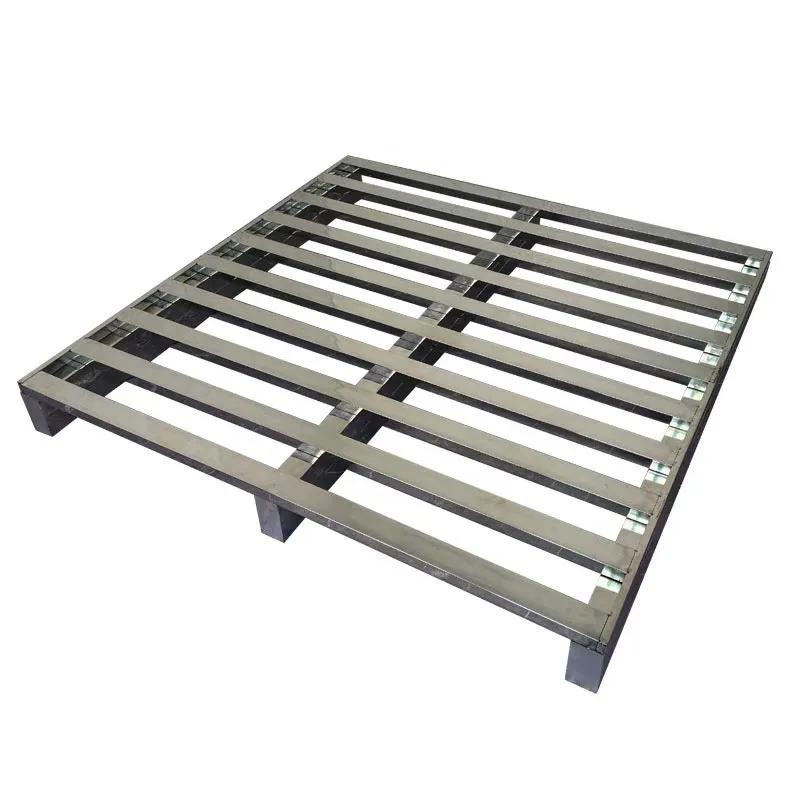
storage beam i beam hanger pallet rack beam
Real-World Examples
Let's say you're constructing a commercial building with reinforced concrete beams. You would need to consider the beam dimensions, local regulations, and material strength to determine the appropriate beam mould size. For a beam measuring 400mm x 300mm, our Jinzehong Beam Mould would be an ideal choice, thanks to its durability and precise fit.
Conclusion
In conclusion, beam mould size is a crucial factor in concrete construction. By understanding the basics, following these steps, and selecting the right mould, you can ensure a successful project. Remember, at Jinzehong Wire Mesh Products Co., Ltd., we're committed to providing high-quality beam moulds that meet your unique needs. Contact us today to learn more or place an order!
For more information, please visit our contact page or email us at ada@jinzehongwiremesh.com. Our team is ready to assist you with all your wire mesh and beam mould requirements.