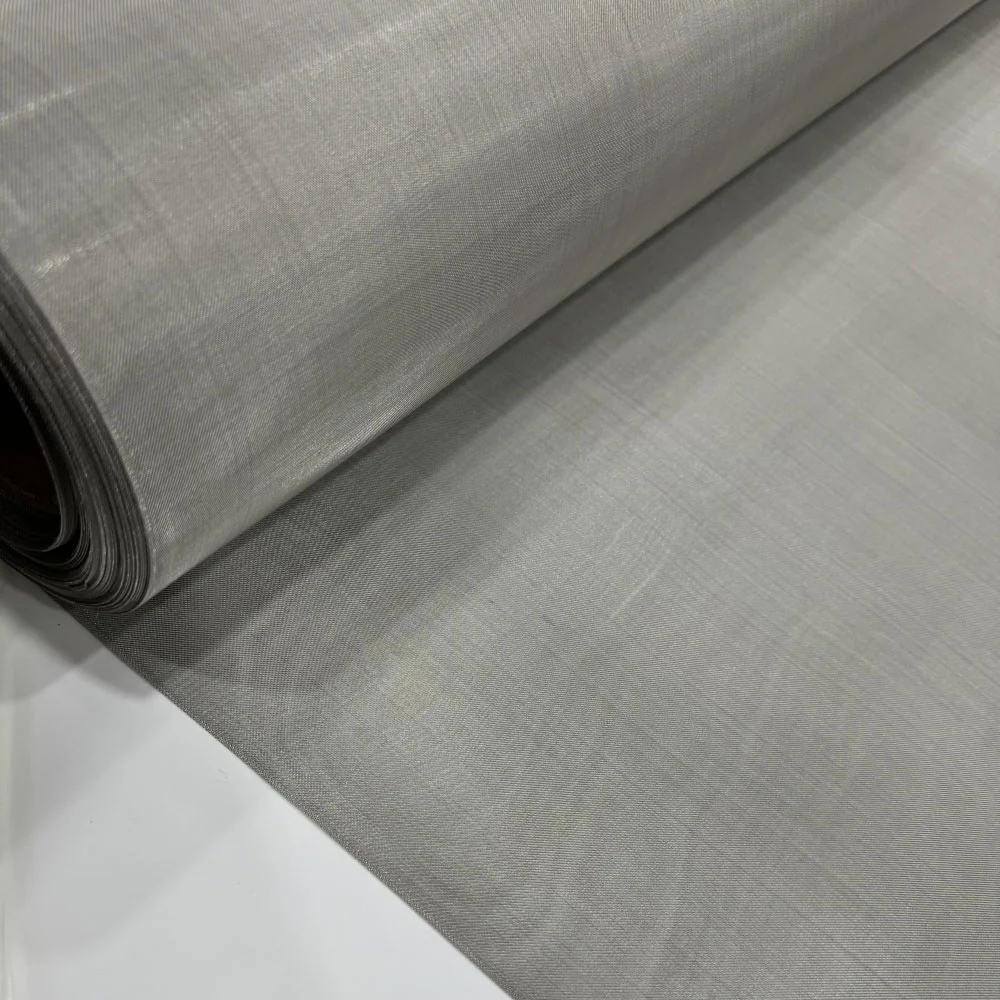
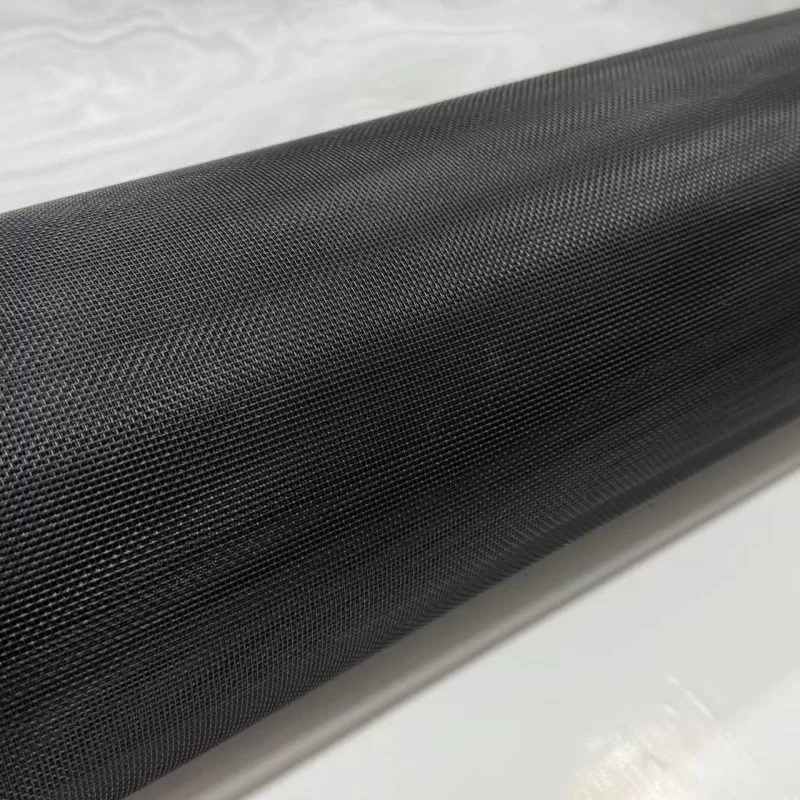
Aluminum Mesh Sheet: A Buyer's Guide for Sourcing Durable & Versatile Metal Solutions
For import managers, brand owners, and sourcing agents, finding a reliable aluminum mesh sheet supplier who balances quality, customization, and on-time delivery is a key challenge. This guide details technical specifications, compliance standards, and supply chain advantages to help you make an informed procurement decision for projects ranging from architectural facades to industrial filtration.
Common Sourcing Pain Points for Aluminum Wire Mesh
Global buyers often face several hurdles when sourcing metal mesh products internationally:
- Inconsistent Quality: Variations in alloy composition, weave consistency, and finish durability between shipments.
- Limited Customization: Suppliers unable or unwilling to support OEM/ODM requests for specific hole patterns, sizes, or treatments.
- Unpredictable Lead Times: Delays in production and logistics disrupting project timelines and inventory planning.
- Hidden Compliance Risks: Products lacking proper documentation for relevant regional standards (e.g., CE, RoHS).
- Communication Barriers: Difficulty in conveying precise technical requirements and obtaining timely support.
Technical Specifications & Material Advantages of Aluminum Mesh
Understanding the product's technical foundation is crucial for specifying the right material for your application. Our aluminum alloy mesh is primarily manufactured from grades like 1050, 1100, 3003, and 5052, chosen for their distinct properties.
Key Properties and Comparison
| Property | Advantage | Typical Application Impact |
|---|---|---|
| High Strength-to-Weight Ratio | Provides structural integrity while being lightweight. | Reduces load on support structures in architectural cladding or aerospace components. |
| Corrosion Resistance | Forms a protective oxide layer; enhanced with anodizing. | Ideal for marine environments, chemical filters, and outdoor decorative screens. |
| Excellent Thermal & Electrical Conductivity | Efficient heat dissipation and electrical shielding. | Used in heat sink panels, RFI/EMI shielding cabinets, and electronics vents. |
| Non-Magnetic & Non-Sparking | Safe for use in sensitive environments. | Critical for filtration in oil & gas, aerospace, and security screening equipment. |
Note: Specific mechanical properties and chemical composition vary by alloy grade. Please refer to the actual material test certificate for your order.
Weaving Patterns and Application-Specific Solutions
Selecting the correct weave pattern directly affects performance. We offer multiple types to suit diverse functional needs.
1. Plain Weave Aluminum Mesh
The most common and economical pattern, where each wire passes alternately over and under the intersecting wires. It provides good stability and a uniform appearance.
- Best For: Insect screens, general filtration, light partitioning, and decorative interior panels.
2. Twilled Dutch Weave Aluminum Mesh
Features a more complex weave with smaller "market" wires and larger "warp" wires, creating a dense, robust filter media with high strength and fine filtration capabilities.
- Best For: High-pressure liquid and gas filtration in petrochemical, pharmaceutical (GMP-compliant processes), and food & beverage industries.
3. Welded Aluminum Mesh Sheet
Wires are welded at each intersection, creating a rigid, fixed grid with high load-bearing capacity and a clean aesthetic.
- Best For: Machine guards, protective cages, shelving, and robust architectural infill panels.
Why Partner with a Specialist Manufacturer?
Jinzehong Wire Mesh Products Co., Ltd., founded in 2000 and based in Anping, China, addresses global buyer pain points through integrated capabilities.
Vertical Manufacturing Control
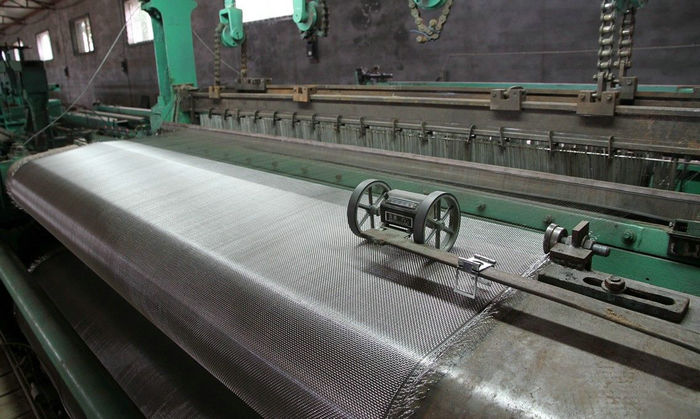
Our 5,000 m² facility houses in-house wire drawing, weaving, welding, and finishing lines. This control allows for stringent quality checks at each stage and flexibility for OEM/ODM aluminum mesh projects.
Quality & Compliance Framework
Production adheres to ISO 9001 principles. Materials and processes can be tailored to meet international standards such as RoHS, CE (for construction products), and specific FDA guidelines for food-contact applications upon request.
Supply Chain Efficiency
Strategic location within China's wire mesh cluster ensures access to raw materials and skilled labor. We optimize logistics for reliable lead times, offering standard FOB terms and support for CIF shipments.
Customer Feedback & Project Examples
Here is what some of our international partners say:
- "We sourced anodized aluminum mesh sheets for a series of luxury retail store facades in Miami. Jinzehong's team perfectly executed our custom hexagon pattern and color match. The quality was consistent across all 8 shipments, and their project management kept us updated weekly." – Michael R., Brand Owner (USA)
- "As a sourcing agent for industrial clients, I need suppliers who understand technical specs. Their engineers provided clear data on the micron retention of their Dutch weave mesh for a chemical filtration project. The documentation for RoHS compliance was complete, making customs clearance smooth." – Sarah L., Sourcing Agent (UK)
- "We required a small MOQ for a prototype machine guard. Many factories refused, but Jinzehong accommodated our request and delivered the welded aluminum mesh panels within 4 weeks. The precision of the weld points was excellent." – David K., Import Manager (Germany)
Clear Commercial Terms for B2B Procurement
We aim for transparency in our business terms to facilitate easy partnership.
- MOQ (Minimum Order Quantity): Flexible, starting from 100 m² for standard items. Lower volumes considered for prototype or sample orders.
- Lead Time: Typically 15-25 days for standard items after order confirmation and deposit. Custom OEM projects may require 30-45 days.
- Customization (OEM/ODM): Supported. We can customize wire diameter, mesh count (holes per inch), sheet size, finish (mill, anodized, powder-coated), and edge treatment.
- Packaging: Standard export packaging includes plastic wrap, cardboard corners, and wooden crates/pallets for sea freight to prevent damage.
- Payment Terms: Common terms include 30% T/T deposit, 70% balance before shipment. L/C is also acceptable for established partners.
- Sample Policy: Sample pieces are available. Freight cost is usually borne by the buyer.
Disclaimer: All terms (MOQ, lead time, pricing) are subject to change based on order specifics and market conditions. Please refer to the actual proforma invoice and order confirmation for final terms.
Ready to Specify Your Aluminum Mesh Solution?
Leverage over two decades of wire mesh expertise and integrated manufacturing. Whether you need a standard aluminum mesh roll or a fully customized architectural solution, our team is ready to support your project from technical consultation to delivery.
Jinzehong Wire Mesh Products Co., Ltd. | Tel: +86 15383785666 | Founded in 2000, Anping, China
Frequently Asked Questions (FAQ)
Q1: What are the main differences between aluminum mesh and stainless steel mesh?
A: The primary differences are weight, corrosion resistance mechanism, and cost. Aluminum mesh is lighter, naturally corrosion-resistant through its oxide layer (ideal for atmospheric conditions), and generally more cost-effective. Stainless steel offers higher tensile strength and is better for highly corrosive chemical environments or high-temperature applications. The choice depends on your project's specific mechanical, environmental, and budgetary requirements.
Q2: Can you produce aluminum mesh for food-grade or pharmaceutical applications?
aluminium mesh sheet stainless mesh sheet aluminium mesh screen
A: Yes. We can produce mesh from appropriate aluminum alloys and apply specific finishes that meet relevant guidelines. For such applications, it is critical to discuss your requirements in detail so we can advise on material suitability, suggest potential surface treatments (like specific anodizing), and provide necessary documentation. Compliance with standards like FDA CFR Title 21 or EU regulations for food contact materials is handled on a project-specific basis.
Q3: How do I determine the right mesh count (holes per inch) and wire diameter for my filter?
A: This is a technical decision based on the size of particles you need to filter and the required flow rate. A higher mesh count with thinner wires blocks smaller particles but may reduce flow and require more frequent cleaning. We provide technical consultation and can often send sample swatches for testing. Providing us with the target micron rating or the type of material being filtered is the best starting point.
Q4: What is your standard packaging for overseas shipping?
A: Standard export packaging is designed to prevent corrosion and physical damage during transit. Mesh sheets are typically separated by protective paper, wrapped in plastic, secured with cardboard edge protectors, and then packed into sturdy wooden crates or on pallets. For rolls, they are wound on a core, wrapped in heavy-duty plastic and/or hessian cloth, and crated. We follow IPPC ISPM 15 standards for wood packaging when required.

Authored by: Liam Chen
Technical Director with over 12 years in the engineered metal mesh industry. Liam specializes in material science applications for filtration, architecture, and industrial design, helping global clients translate project requirements into precise manufacturing specifications.