Air Vent Insect Mesh: A Professional Buyer's Guide to Quality, Compliance & Sourcing
If you are an import manager, brand owner, or wholesaler sourcing air vent insect mesh, your core questions likely revolve around finding a reliable supplier that balances consistent quality, compliance with international standards, competitive pricing, and supply chain stability. This guide directly addresses these procurement priorities by detailing the technical specifications, manufacturing capabilities, and supply chain advantages of a specialized supplier from China's wire mesh hub, helping you make an informed sourcing decision.
Common Industry Pain Points in Sourcing Ventilation Mesh
Procuring insect mesh for air vents, HVAC systems, or building envelopes presents specific challenges that can impact your business operations and product quality:
- Inconsistent Material Quality: Substandard aluminum, fiberglass, or stainless steel wire can lead to mesh that sags, corrodes quickly, or fails to provide a consistent barrier, resulting in product returns and brand damage.
- Poor Ventilation & Airflow Restriction: Mesh that is too dense can impede necessary airflow in vents and HVAC systems, reducing efficiency and potentially causing system strain.
- Non-Compliant Products: Mesh that hasn't been tested or certified for relevant standards (e.g., material safety, fire retardancy for specific applications) can create liability issues and block market entry.
- Unreliable Lead Times & Supply Chain Delays: Inconsistent production schedules and logistical bottlenecks from suppliers can disrupt your inventory and project timelines.
- Limited Customization Support: Suppliers lacking true OEM/ODM capabilities cannot adapt mesh count, hole shape, frame design, or color to match your specific product line or branding needs.
Engineered Solutions: The Anatomy of a High-Performance Insect Screen
A high-performance air vent mesh is more than just a screen; it's a precision-engineered component. Here’s what constitutes an effective solution:
1. Material Science & Selection
The choice of material dictates durability, corrosion resistance, and application suitability. Common options include:
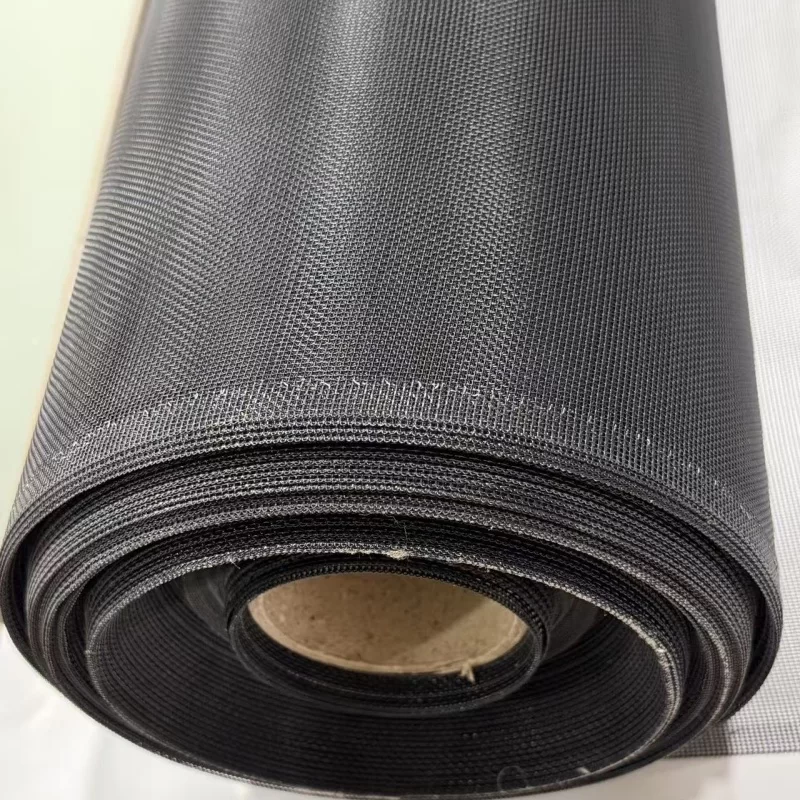
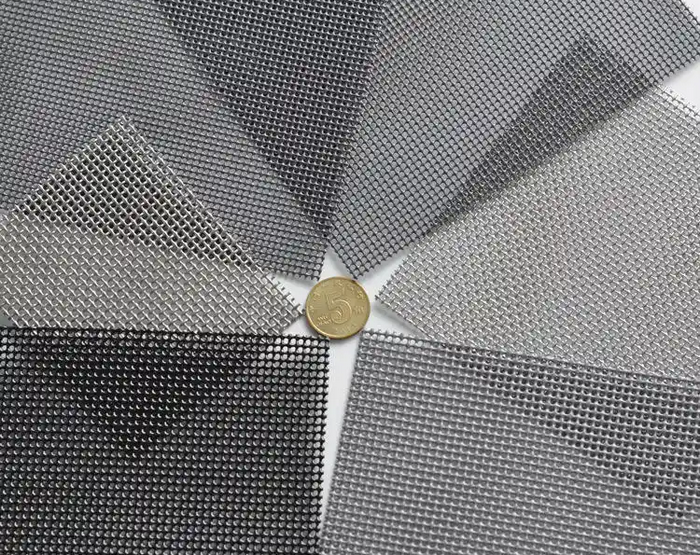
- Fiberglass Mesh: Coated with PVC, it offers excellent resistance to weathering, chemicals, and corrosion. It's lightweight, flexible, and typically cost-effective for standard ventilation covers.
- Aluminum Mesh: Known for its strength and rigidity. Anodized or painted aluminum provides enhanced corrosion resistance and can be color-matched (e.g., black, gray, bronze).
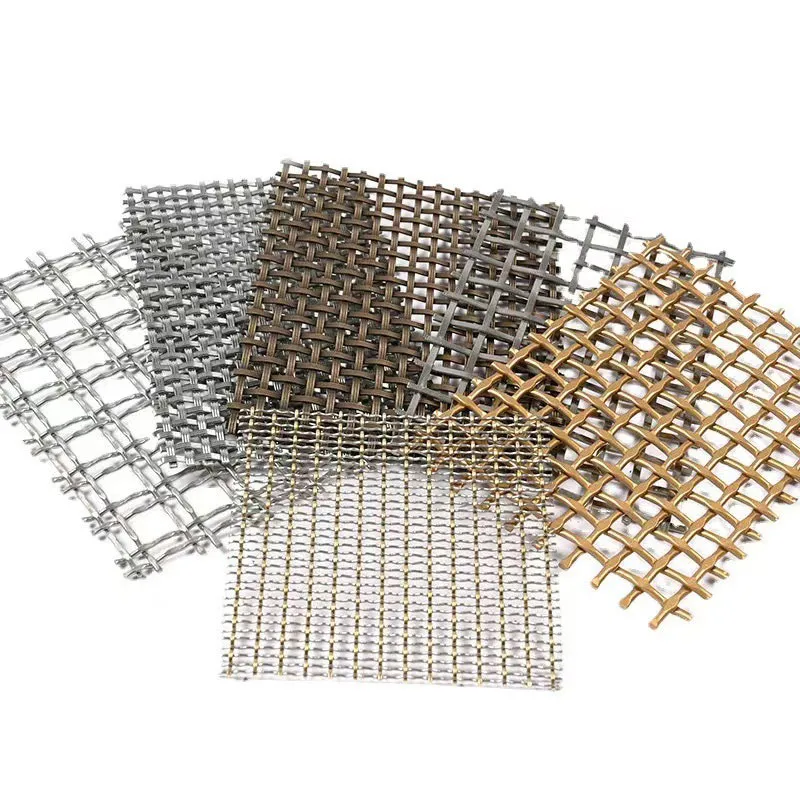
- Stainless Steel Mesh (e.g., SS 304, SS 316): The premium choice for extreme environments (coastal areas, industrial settings) due to superior rust and corrosion resistance. Offers maximum longevity.
2. Critical Technical Parameters
| Parameter | Typical Range / Options | Impact on Performance |
|---|---|---|
| Mesh Count | 14x14, 16x16, 18x18, 20x20 (per inch/square) | Higher count blocks smaller insects but may reduce airflow. Selection balances pest exclusion with ventilation needs. |
| Wire Diameter | 0.25mm - 0.5mm (fiberglass); 0.3mm - 0.8mm (aluminum) | Thicker wire increases strength and durability but adds minimal weight. |
| Opening Size (Aperture) | 1.2mm x 1.2mm to 0.8mm x 0.8mm (common) | Directly determines the size of insects barred entry (e.g., mosquitoes, gnats, flies). |
| Color & Coating | Standard: Black, Gray, Charcoal. Custom: RAL/Pantone matching. | UV-stabilized coatings prevent fading; colors can match building aesthetics or reduce visibility. |
| Frame & Mounting | Aluminum frame, plastic frame, magnetic strip, roll form. | Enables easy installation and replacement in various vent types (wall, window, HVAC). |
Note: All specifications are subject to customization. Please refer to the actual order confirmation for precise technical data.
3. Compliance & Certifications for Market Access
Reputable manufacturers adhere to international quality and safety management systems. Key certifications to look for include:
- ISO 9001:2015: Assures a standardized quality management system throughout production.
- CE Marking: Indicates conformity with health, safety, and environmental protection standards for products sold within the European Economic Area.
- Material-Specific Tests: Reports for UV resistance, tensile strength, and fire retardancy (where applicable) based on buyer requirements.
Why Source from a Specialized Manufacturer: Jinzehong's Value Proposition
Choosing a partner like Anping County Jinzehong Wire Mesh Products Co., Ltd. addresses the pain points through integrated capabilities. Founded in 2000 and based in Anping, China's wire mesh heartland, the company leverages deep industry expertise.
Core Manufacturing & Supply Chain Advantages
- Vertical Integration & Quality Control: With a facility covering 5000 m², Jinzehong controls key production stages from wire drawing and weaving to coating and cutting. This allows for rigorous in-process quality checks against standardized parameters.
- OEM/ODM Design Flexibility: Beyond standard sizes, the company supports custom air vent insect screen designs. This includes custom die-cutting for unique vent shapes, specific mesh counts, branded color matching, and proprietary packaging.
- High-Speed Delivery Capacity: Leveraging established logistics partnerships and efficient production planning, the company can facilitate reliable lead times. For standard items, production can often be expedited, subject to order volume and complexity.
- China's Supply Chain Efficiency: Proximity to raw material suppliers and a concentrated manufacturing ecosystem in Anping enable cost-competitive production without compromising on material grade options.
Practical Application Scenarios
Understanding use cases helps specify the right product:
- Residential & Commercial HVAC Vents: Fiberglass or aluminum mesh in standard frames, prioritizing airflow (e.g., 16x16 mesh) and dust filtration.
- Industrial Plant Ventilation: Stainless steel mesh for durability against corrosion from fumes or moisture in factories or warehouses.
- Solar Panel & Attic Vents: UV-resistant coated fiberglass to withstand prolonged sun exposure while preventing bird/rodent nesting.
- Custom Machinery & Enclosure Vents: Precisely die-cut aluminum meshes that fit specific equipment panels, ensuring cooling airflow while keeping out debris.
Building Trust: Capacity, Terms & Customer Validation
Clear Commercial Terms for B2B Buyers
Transparent terms facilitate smooth procurement:
- Minimum Order Quantity (MOQ): Flexible, often starting from 500-1000 square meters for standard items. Lower MOQs may be available for sample orders or testing.
- Lead Time: Typically 15-25 days for standard orders after confirmation of all details. Rush orders and larger volumes are negotiable.
- Customization Capability: Full support for custom size, mesh specification, color, and packaging. A technical consultation is recommended to finalize specs.
- Packaging & Logistics: Standard export packaging (rolled on tubes or flat-packed in cartons). Shipping terms (FOB, CIF, etc.) are negotiated based on destination.
- Payment Methods: Common international trade terms apply, such as T/T, L/C at sight.
- After-Sales Support: Includes product documentation, quality reports, and responsive communication for order-related inquiries.
Disclaimer: The above MOQ, lead time, and terms are indicative and for reference only. Please refer to the official quotation and order confirmation for specific, binding terms.
Voices from the Market: Customer Reviews
Mark T., Import Manager (Florida, USA): "We've been sourcing aluminum insect mesh for our patio vent covers from Jinzehong for three years. The consistency is key—every shipment matches the sample's quality and color. Their documentation is clear, which speeds up our customs clearance. A reliable partner in a sometimes unpredictable market."
Sophie L., Brand Owner (Home Improvement, UK): "We needed a custom-sized, charcoal gray mesh for our branded ventilation kits. Jinzehong's ODM team worked through several prototypes with us until we got the perfect fit and finish. Their communication was professional, and they met our tight launch deadline. The quality has resulted in zero customer complaints so far."
David K., Sourcing Agent (Australia): "I source various meshes for multiple clients. For ventilation insect screens, I recommend Jinzehong because they understand technical specs. They provided the right UV-stabilized fiberglass for a solar vent project, backed with test data. Their pricing is structured fairly for bulk orders, making my clients happy."
Clear Call to Action: Your Next Step
If you are evaluating suppliers for air vent insect mesh, the next logical step is to engage in a technical and commercial dialogue.
We recommend: Preparing your specific requirements (material preference, mesh count, dimensions, annual volume estimate) and requesting a formal quotation and material samples. This allows you to physically verify quality and commence any necessary compliance testing.
Contact the sourcing team at Jinzehong to discuss your project:
- Brand: Jinzehong Wire Mesh Products Co., Ltd.
- Contact: Ada (Sales Manager)
- Tel: +86 15383785666
- Email: ada@jinzehongwiremesh.com
- Website & Contact Page: https://www.jinzehongmesh.com/contactus.html

About the Author
James Mitchell is a ventilation solutions specialist with over 15 years of experience in the building materials and HVAC component industry. Having worked extensively with manufacturers and distributors across North America and Europe, he provides practical insights into product specification, quality benchmarks, and global supply chain dynamics for performance meshes and filters. His writing focuses on translating technical data into actionable procurement guidance for B2B buyers.
FAQ: Sourcing Air Vent Insect Mesh
Q1: What is the most durable material for insect mesh in coastal areas?
A1: For high-salinity, humid coastal environments, Stainless Steel 316 mesh is generally recommended due to its superior resistance to pitting and crevice corrosion compared to aluminum or standard stainless steel (304).
Q2: Can you supply insect mesh with a fire-retardant coating?
A2: Yes, specific fire-retardant (FR) treatments can be applied to fiberglass mesh substrates upon request. You would need to provide the specific fire rating standard you need to meet (e.g., BS 476, ASTM E84), and the manufacturer can advise on feasibility and testing.
Q3: What information do I need to provide for a custom OEM quote?
A3: To get an accurate quote, provide: 1) Technical Drawing/Sketch with dimensions, 2) Material Specification (e.g., aluminum alloy type, fiberglass yarn grade), 3) Mesh Count & Wire Diameter, 4) Color (RAL/Pantone code if exact), 5) Estimated Annual Quantity, and 6) Target Price Range.
Q4: How is the mesh packaged for sea freight to prevent damage?
A4: Standard export packaging involves rolling the mesh onto sturdy cardboard or plastic tubes, wrapping it in plastic film, and then placing it in reinforced cartons. For flat sheets, they are stacked with protective interleaving and packed in strong boxes. This method has proven effective for long-distance shipping.