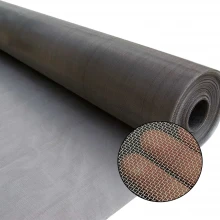
Revolutionizing Tile Floors: The Ultimate Guide to 5mm Rubber Acoustic Underlayment
Understanding the Basics
When it comes to tile flooring, the right foundation can make all the difference. That's where 5mm rubber acoustic underlayment comes into play. But what exactly is it, and why should you consider it for your next project?
What is 5mm Rubber Acoustic Underlayment?
5mm rubber acoustic underlayment is a specialized material designed to improve the soundproofing and comfort of your tile floors. It acts as a buffer between the subfloor and the tiles, absorbing sound and reducing vibrations that travel through the floor.
Product Specifications
| Specification | Details |
|---|---|
| Material | Rubber |
| Thickness | 5mm |
| Size | Standard roll size |
| Color | Black |
| Weight | Approx. 2 kg/m² |
| Application | Under tiles, vinyl, and laminate flooring |
underlayment sound ceiling tile sound barrier rubber flex connectors
Benefits of Using 5mm Rubber Acoustic Underlayment
- Soundproofing: Reduce noise transmission through floors, making your space quieter and more enjoyable.
- Comfort: Absorb vibrations and provide a softer, more comfortable walking surface.
- Waterproofing: Prevent moisture from damaging your subfloor and extending the life of your flooring.
- Easy Installation: Install directly over most subfloors without the need for additional preparation.
- Stain Resistance: Protect your subfloor from spills and stains.
How to Install 5mm Rubber Acoustic Underlayment
Step 1: Prepare the Subfloor
Ensure your subfloor is clean, dry, and level. Remove any debris, and if necessary, fill in any gaps or holes.
Step 2: Lay Out the Underlayment
Start in a corner of the room and unroll the underlayment. Overlap the edges by approximately 1/4 inch to ensure complete coverage.
Step 3: Cut to Fit
Use a utility knife to cut the underlayment to fit around walls, doorways, and other obstacles. Ensure the cuts are clean and straight.
Step 4: Secure the Underlayment
Attach the underlayment to the subfloor using a notched trowel to spread adhesive. Make sure the underlayment is firmly pressed into place, eliminating any air bubbles.

Step 5: Install the Tiles
Follow the manufacturer's instructions for installing your tiles over the underlayment. Ensure the tiles are evenly spaced and firmly pressed into place.
Real-World Example
I recently installed 5mm rubber acoustic underlayment in my kitchen. The difference was remarkable. Not only did it reduce the noise from my footsteps, but it also made the floor feel softer underfoot. Plus, it gave me peace of mind knowing that my subfloor was protected from potential moisture damage.
Choosing the Right 5mm Rubber Acoustic Underlayment
When selecting a 5mm rubber acoustic underlayment, it's important to consider factors such as thickness, material, and warranty. A higher-quality underlayment will provide better soundproofing and comfort, and may even offer additional benefits like waterproofing or anti-slip properties.
Conclusion
Investing in a 5mm rubber acoustic underlayment for your tile floors is a smart choice. It not only improves the comfort and soundproofing of your space but also adds value to your home. So why settle for a typical tile floor when you can have a quiet, comfortable, and stylish one? Give 5mm rubber acoustic underlayment a try, and experience the difference for yourself.
For more information on 5mm rubber acoustic underlayment and other high-quality wire mesh products, visit Jinzehong Wire Mesh Products Co., Ltd.. Our team is dedicated to helping you find the perfect solution for your flooring needs.