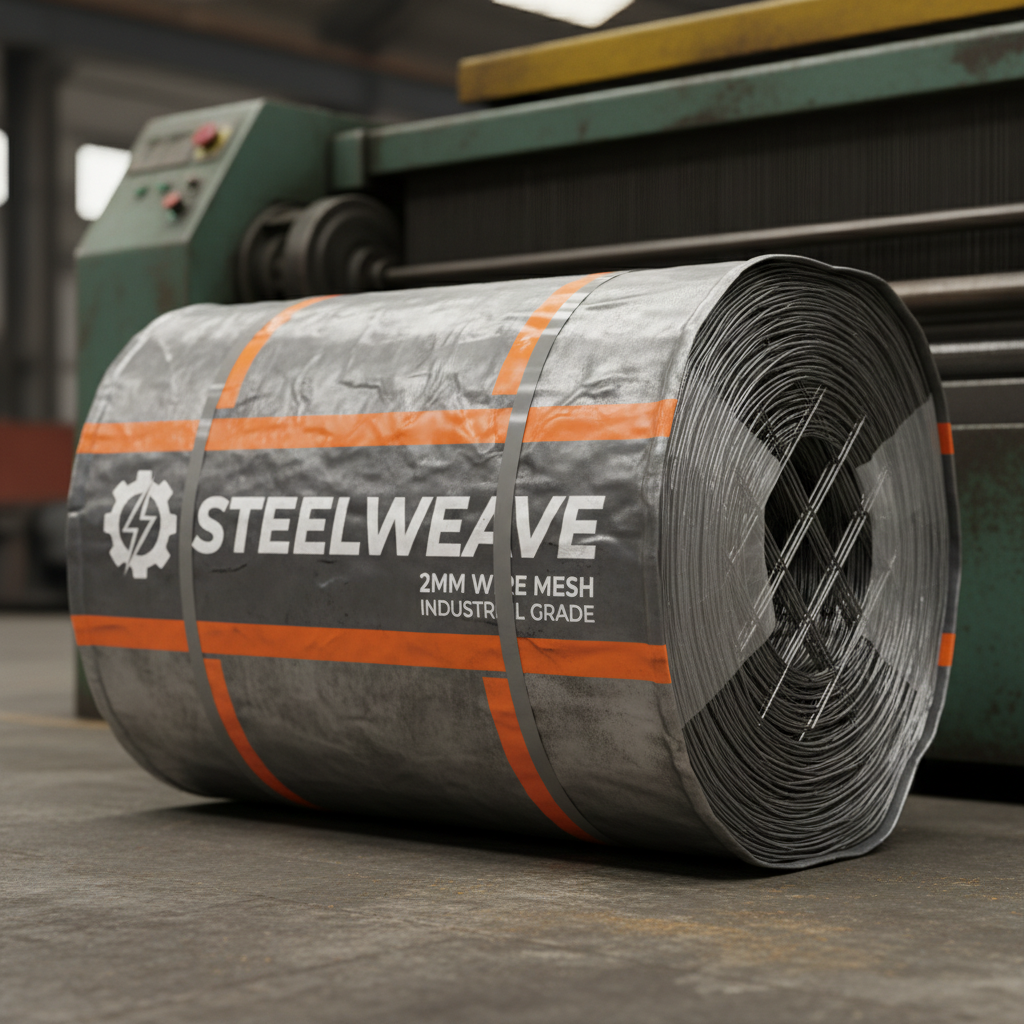
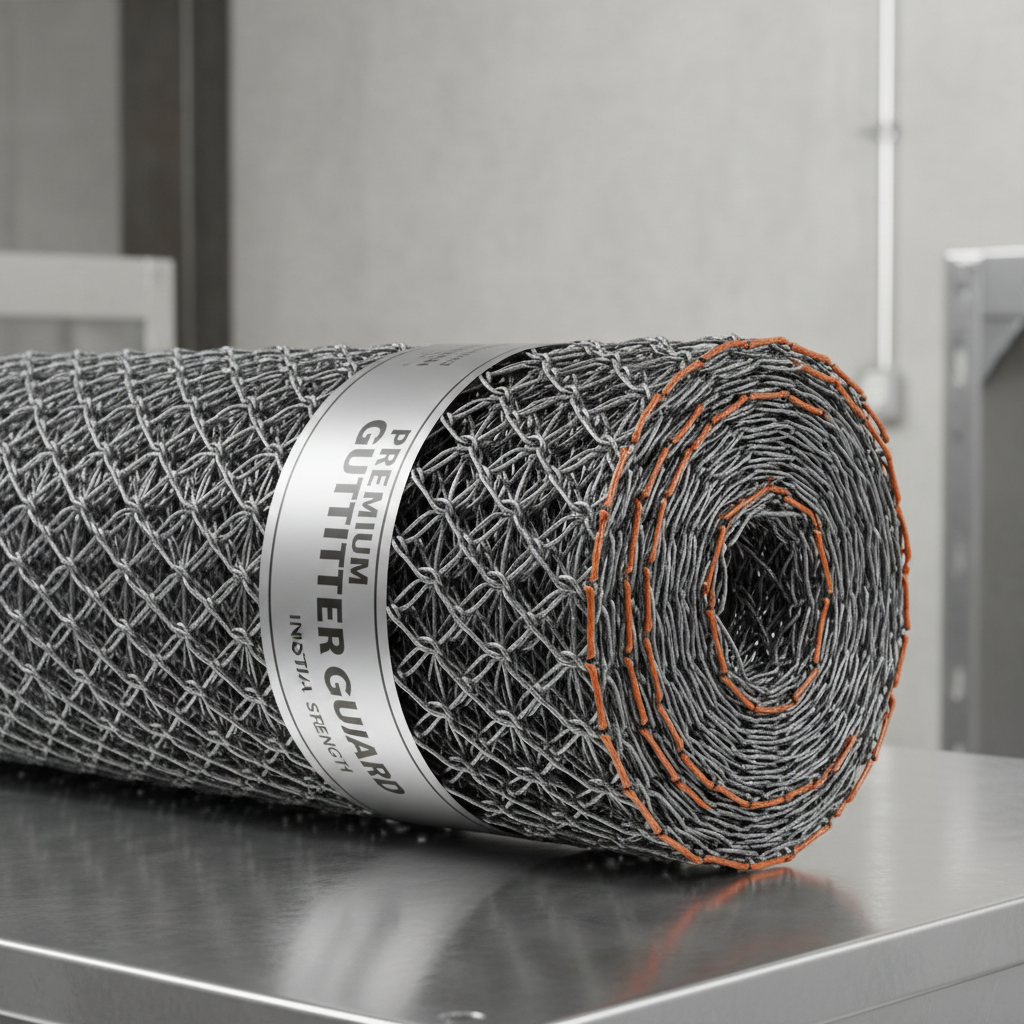
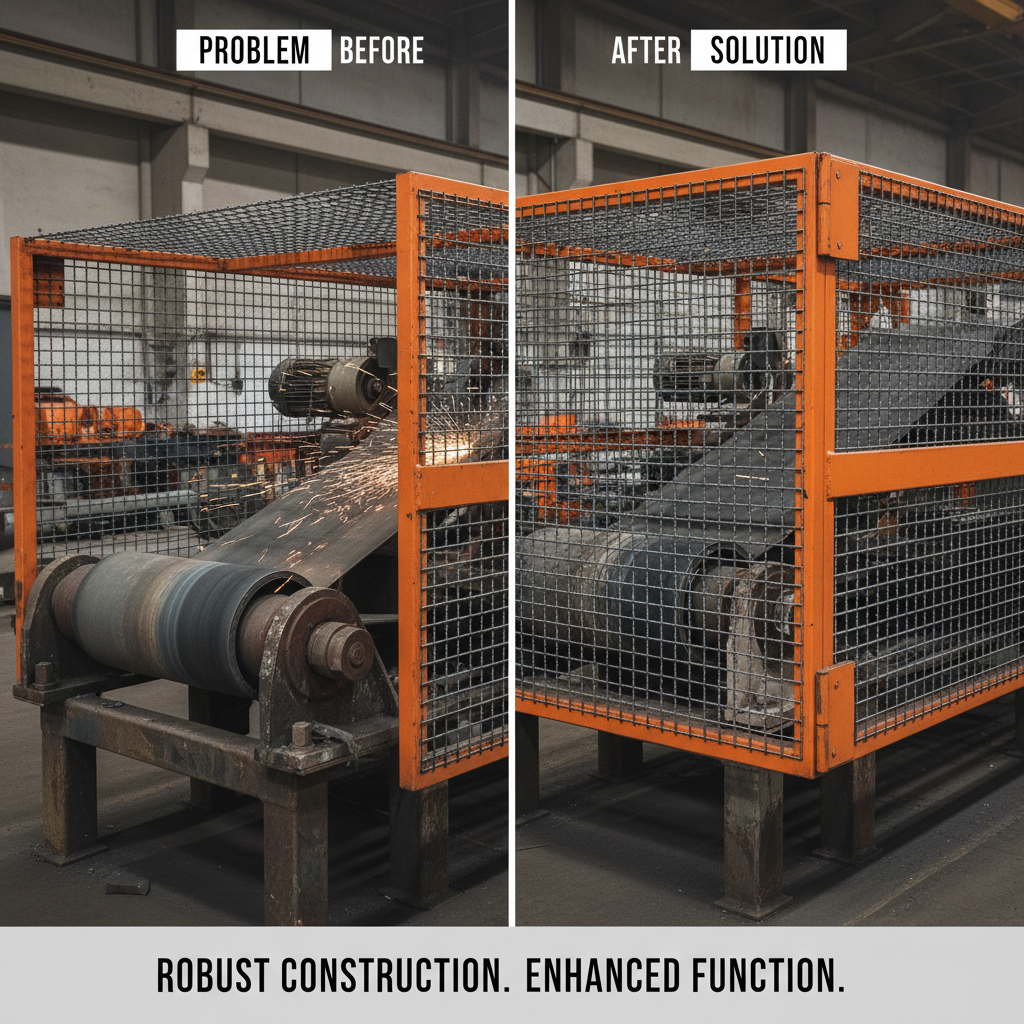
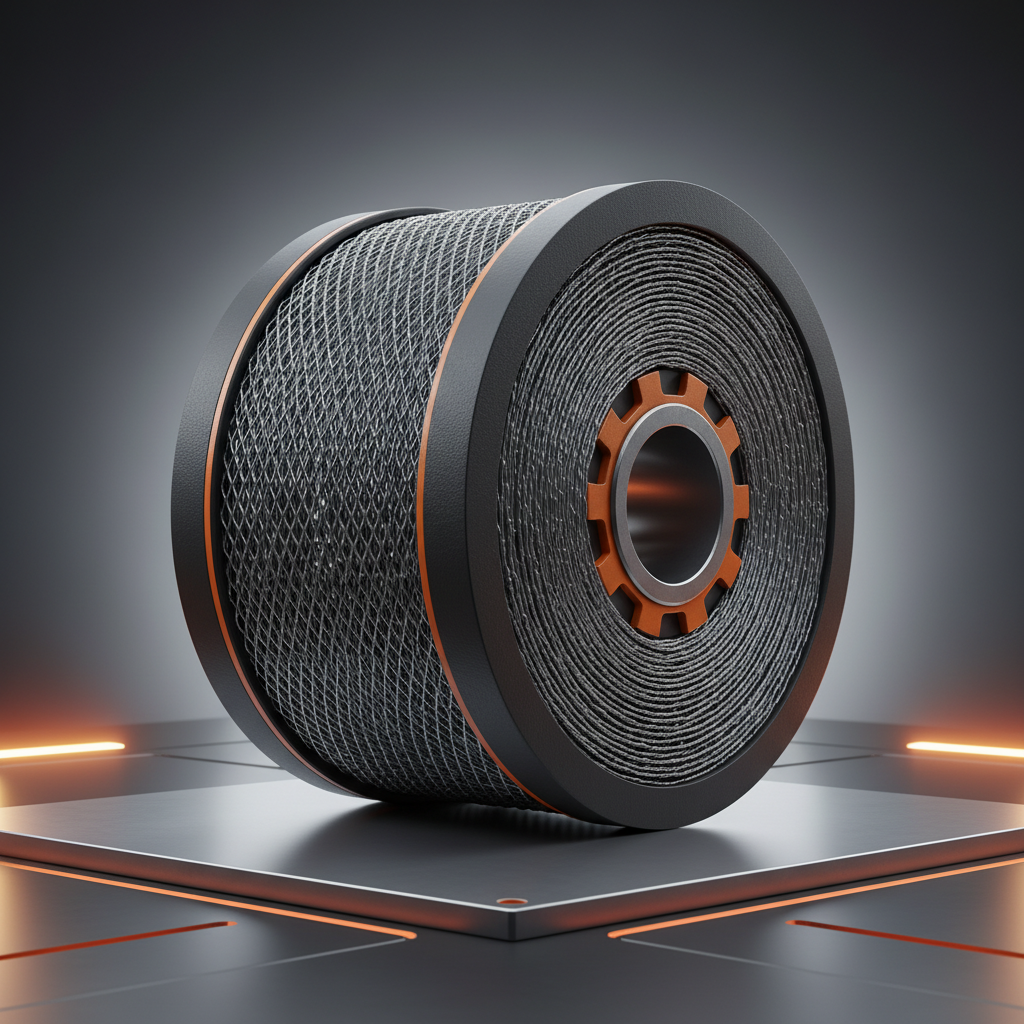
2mm wire mesh. It’s not glamorous, folks, but it's everywhere. I spend my days walking job sites, and you quickly realize how fundamental this stuff is. From reinforcing concrete in foundations to creating cages for stone facing, to even security fencing – it's the quiet backbone of so much construction. Understanding its properties, how it's made, and where it’s best applied isn’t just a technical detail, it impacts project timelines, budgets, and, frankly, safety. A good understanding of 2mm wire mesh can save you headaches down the line.
We're talking about a workhorse material here. It's not a flashy, new innovation, but a tried-and-true solution that’s constantly being refined. The demand for reliable, cost-effective materials in construction, infrastructure, and even agriculture is ever-increasing. Global urbanization and a focus on infrastructure development, particularly in emerging economies, are driving this need. According to reports from the World Bank, infrastructure spending is projected to reach trillions in the coming years, and wire mesh is a critical component.
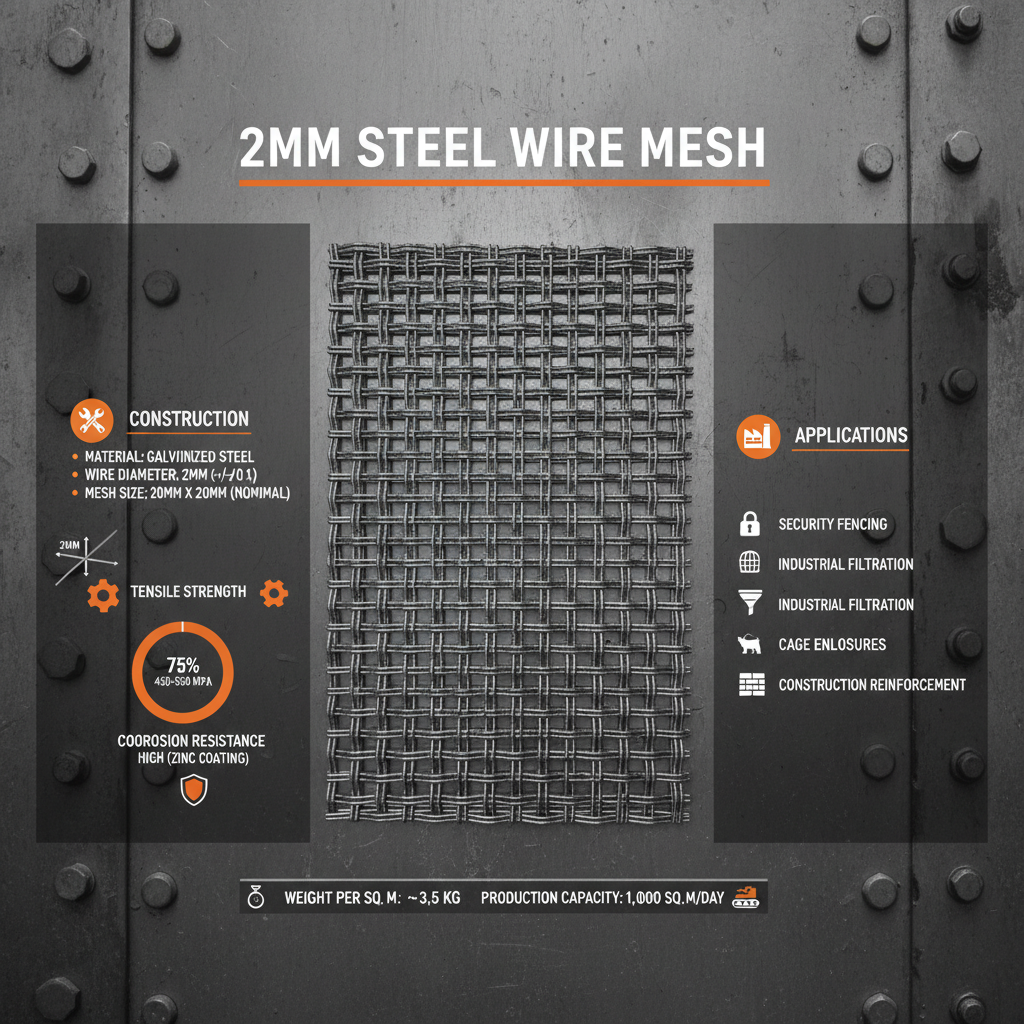
Simply put, 2mm wire mesh is a woven grid made from wires measuring 2 millimeters in diameter. It’s often made from steel, but you’ll also see it in stainless steel, galvanized steel, and other alloys depending on the application and corrosion resistance needed. It's a deceptively simple product that’s crucial for adding strength and stability to a wide range of structures, and it's a far cry from the days of hand-laid rebar – it's about efficiency, consistency, and scaling up to meet modern demands.
The Importance of 2mm Wire Mesh in Modern Construction
You’re not going to build anything lasting without a solid foundation, and 2mm wire mesh often plays a key role in that. It’s a fundamental reinforcement component. It's rarely the most expensive part of a project, but skimping on quality here can have serious repercussions. I've seen projects delayed – and budgets balloon – because of substandard mesh that didn't meet specifications or corroded prematurely.
Think about concrete, for instance. Concrete is strong in compression, but weak in tension. Wire mesh adds tensile strength, preventing cracking and increasing the overall load-bearing capacity. It’s the same principle in retaining walls, plastering, and even some types of landscaping. It’s all about distributing stress and creating a more durable final product.
Defining 2mm Wire Mesh: A Practical Overview
Okay, let’s get specific. 2mm refers to the diameter of the individual wires used in the mesh. This is a critical dimension because it directly impacts the mesh's strength and flexibility. The mesh itself is created by weaving these wires together, forming a grid pattern. The size of the openings in that grid (the “mesh size”) is another important factor, determined by the application. Smaller openings provide more reinforcement, while larger openings allow for better material flow.
You’ll encounter different weaving patterns too – plain weave, twill weave, and more complex variations. Each pattern offers slightly different properties. A plain weave is common and cost-effective, while a twill weave offers greater stability. Choosing the right weave depends on the specific stresses the mesh will need to withstand.
It's not just about the wire itself. The coatings are crucial. Galvanization adds a layer of zinc to protect against rust. PVC coating provides additional corrosion resistance, especially in harsh environments. Stainless steel, of course, is the gold standard for corrosion resistance, but it comes at a higher price point.
Key Characteristics of High-Quality 2mm Wire Mesh
When I’m on a site, I’m looking for consistency. A good 2mm wire mesh will have uniform wire diameter, consistent opening sizes, and a tight, even weave. Variations can indicate poor manufacturing quality and compromise the mesh's structural integrity. You don’t want surprises when you’re mid-pour.
Corrosion resistance is also paramount. Galvanization should be smooth and even, without any bare spots. For more aggressive environments – like coastal areas or industrial sites – stainless steel or a heavy-duty PVC coating are essential. And tensile strength, naturally. The mesh needs to be able to withstand the forces it will be subjected to without breaking or deforming.
Finally, ease of handling matters. A good mesh should be relatively easy to cut, bend, and tie without losing its shape. Brittle mesh is a nightmare to work with and a sign of poor quality. We’re looking for something that streamlines the construction process, not adds to the frustration.
Applications and Use Cases Across Industries
The versatility of 2mm wire mesh is what makes it so valuable. In construction, it’s used for concrete reinforcement, stucco netting, plastering, and even crack prevention in walls and floors. In agriculture, you’ll find it in poultry cages, animal enclosures, and crop protection netting.
Beyond that, there's industrial filtration, security fencing, and even decorative applications. I’ve seen it used in creating custom architectural features and even as a base for mosaics. It’s even used in specialized applications like mining and quarrying for screening and separation of materials.
2mm Wire Mesh Application Ratings (Based on Field Experience)
Advantages of Using 2mm Wire Mesh
It comes down to a few key things. Cost-effectiveness is a big one. It provides a significant strength boost without breaking the bank. It's also incredibly versatile – you can adapt it to a huge range of applications.
It's also relatively easy to install. Experienced crews can quickly and efficiently incorporate it into their workflows. And when done right, it significantly extends the lifespan of whatever you're building. That’s a win for everyone involved.
Future Trends and Innovations in Wire Mesh Technology
We’re seeing some interesting developments. Self-healing mesh coatings are being researched, which could dramatically reduce maintenance and extend the lifespan of structures. There's also a move toward more sustainable materials – using recycled steel and exploring bio-based alternatives.
Digital integration is also happening. Some manufacturers are incorporating RFID tags into the mesh to track its location and ensure quality control throughout the supply chain. And we're seeing advancements in automated mesh cutting and bending equipment, which will improve efficiency on job sites.
There is ongoing work around more precise and efficient weaving techniques. This leads to stronger, more consistent products with less waste. It's an evolution, not a revolution, but these advancements will definitely impact how we build in the future.
Addressing Challenges and Ensuring Optimal Performance
One common issue is improper installation. If the mesh isn't properly overlapped and secured, it won't provide the intended reinforcement. Training and proper supervision are crucial. Another challenge is corrosion, especially in harsh environments. Choosing the right coating is vital, and regular inspections are essential to identify and address any corrosion issues early on.
Sourcing from reliable suppliers is also key. You need to be confident that the mesh meets the required specifications. Don’t just chase the lowest price – quality matters. And finally, understanding the load-bearing requirements of the application is paramount. Over- or under-specifying the mesh can lead to structural failures.
The key is a holistic approach. From material selection to installation and ongoing maintenance, paying attention to detail is what separates a successful project from a headache.
Summary of Key Considerations for 2mm Wire Mesh Performance
| Application Type |
Required Strength (1-10) |
Corrosion Risk Level |
Recommended Mesh Coating |
| Concrete Slab Reinforcement |
8 |
Low |
Galvanized Steel |
| Coastal Retaining Wall |
9 |
High |
Stainless Steel |
| Poultry Enclosure |
6 |
Medium |
PVC Coated |
| Industrial Filtration System |
7 |
Medium |
Galvanized Steel |
| Plastering – Interior Walls |
5 |
Low |
Standard Steel |
| Agricultural Crop Protection |
4 |
Low |
PVC Coated |
FAQS
Galvanized steel uses a zinc coating for corrosion resistance, making it cost-effective for many applications. Stainless steel, however, offers superior long-term corrosion resistance due to its inherent alloy composition. Stainless is ideal for harsh environments (coastal areas, chemical exposure) but comes at a higher cost. Your environment dictates the best choice.
Calculating mesh quantity requires knowing the slab area and desired spacing. Consult engineering drawings for spacing specifications. Generally, you’ll overlap sheets by one full mesh width. Calculate the total area, add overlap allowance (5-10%), and then factor in waste. It's always best to over-estimate slightly.
Heavy-duty wire cutters or bolt cutters are the best tools. Avoid using abrasive saws as they can create frayed edges. Wear safety glasses and gloves. For larger projects, consider using a mesh cutting machine for faster and cleaner cuts. Always ensure a clean cut to avoid weakening the mesh.
The lifespan of galvanized mesh depends heavily on the environment. In relatively dry, indoor conditions, it can last decades. However, in coastal environments or areas with high salt exposure, corrosion can become noticeable within 5-10 years. Regular inspections and protective coatings can extend its life.
Yes, it can be, but it’s usually used in combination with other fencing elements for added security. 2mm mesh provides a basic barrier, but it's relatively easy to cut. For higher security, consider thicker gauge mesh, barbed wire, or security toppings. A well-supported framework is also critical.
Smaller mesh sizes generally offer greater strength, as there’s more wire material per unit area. This translates to better load distribution and increased resistance to deformation. Larger mesh sizes, while lighter, provide less reinforcement and are suitable for applications with lower stress requirements.
Conclusion
2mm wire mesh is far more than just a commodity product. It's a critical component in countless construction, agricultural, and industrial applications. Understanding its properties, selecting the right type, and ensuring proper installation are essential for achieving durable, safe, and cost-effective results. It’s the small details like these that make or break a project.
Looking ahead, innovations in materials, coatings, and manufacturing techniques will continue to improve the performance and sustainability of wire mesh. Staying informed about these advancements will be crucial for professionals in the field. For all your 2mm wire mesh needs, explore our range of high-quality products and expert advice. Visit our website: https://www.jinzehongmesh.com