Look, I’ve spent the last fifteen years getting my hands dirty on construction sites – from high-rises in Dubai to remote infrastructure projects in Africa. You quickly learn what truly matters: reliability, speed, and cost-effectiveness. And let me tell you, 4x8 wire mesh consistently delivers on all three. It's not just a material; it's a foundational element that keeps projects moving, budgets in check, and people safe. You can't cut corners when you're building something meant to last, and that's why I've become a staunch believer in its versatility.
We’re talking about a world where delays cost real money – sometimes hundreds of thousands of dollars a day. Supply chain disruptions are the norm, and finding materials that can be quickly deployed and integrated is a constant challenge. 4x8 wire mesh addresses this head-on. It arrives ready to use, requires minimal specialized tools for installation, and its standardized size simplifies logistics. This isn’t theoretical stuff; this is about keeping projects on schedule and preventing massive financial headaches.
And it's not just about big construction. From reinforcing concrete to creating animal enclosures, to even providing a stable base for temporary structures, the applications are incredibly diverse. I’ve seen it used in everything from securing erosion control measures after landslides to building temporary housing after natural disasters. It's a workhorse material, and that’s why I keep coming back to it.
The Practical Importance of 4x8 Wire Mesh
Honestly, you don't spend years in this industry without noticing patterns. 4x8 wire mesh consistently appears as a critical component in a surprisingly wide range of projects. It's the kind of material that quietly solves problems and prevents headaches. It isn't glamorous, but it's absolutely essential.
It’s the go-to for reinforcement, containment, and security. From supporting concrete structures to creating robust fencing, its consistent dimensions and reliable strength are invaluable. The availability of different gauges and mesh sizes makes it adaptable to various needs, making it a truly versatile solution on any job site.
Global Relevance and Industry Challenges
Look, construction is a global business, and the demand for reliable building materials is universal. The UN estimates that global construction output will reach $17.5 trillion by 2030, driving an enormous need for materials like 4x8 wire mesh. The ISO standards for steel wire mesh emphasize quality control and consistent performance, which are vital for large-scale projects.
But that growth comes with challenges. Supply chain bottlenecks, fluctuating material costs, and the need for sustainable building practices are all major concerns. We’re seeing increased pressure to find materials that are both cost-effective and environmentally responsible.
The biggest issue I see right now is consistent quality control. Too many suppliers are cutting corners, and that leads to structural issues down the line. That’s why choosing a reliable source, like 4x8 wire mesh, with a proven track record is critical.
Defining 4x8 Wire Mesh: A Construction Staple
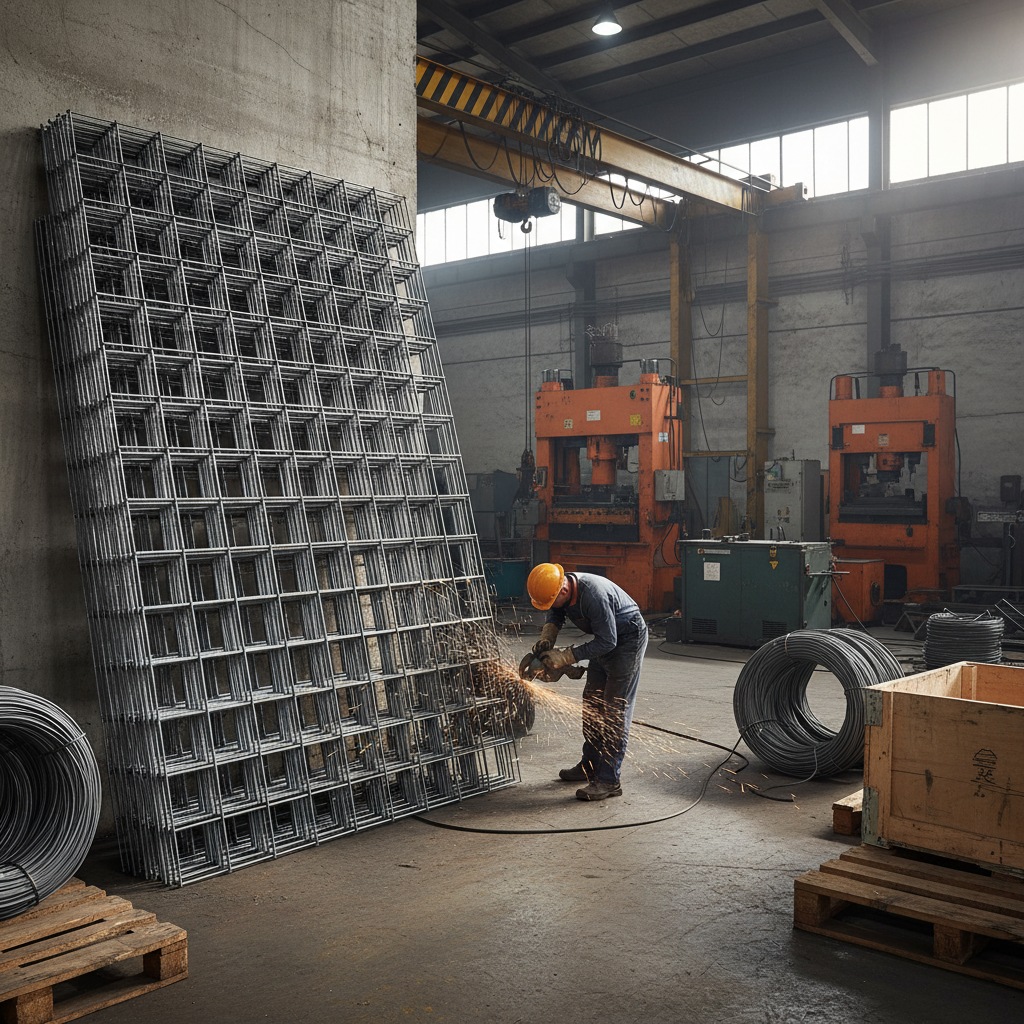
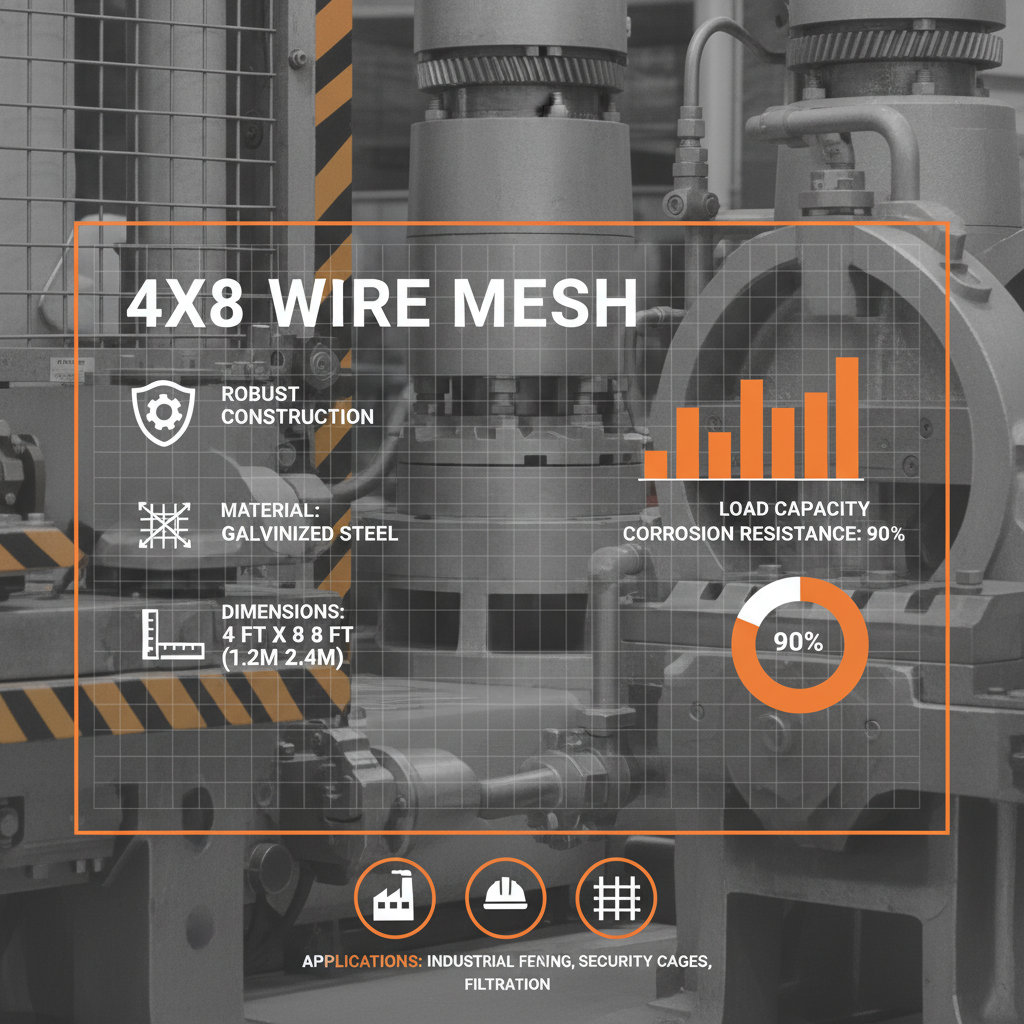
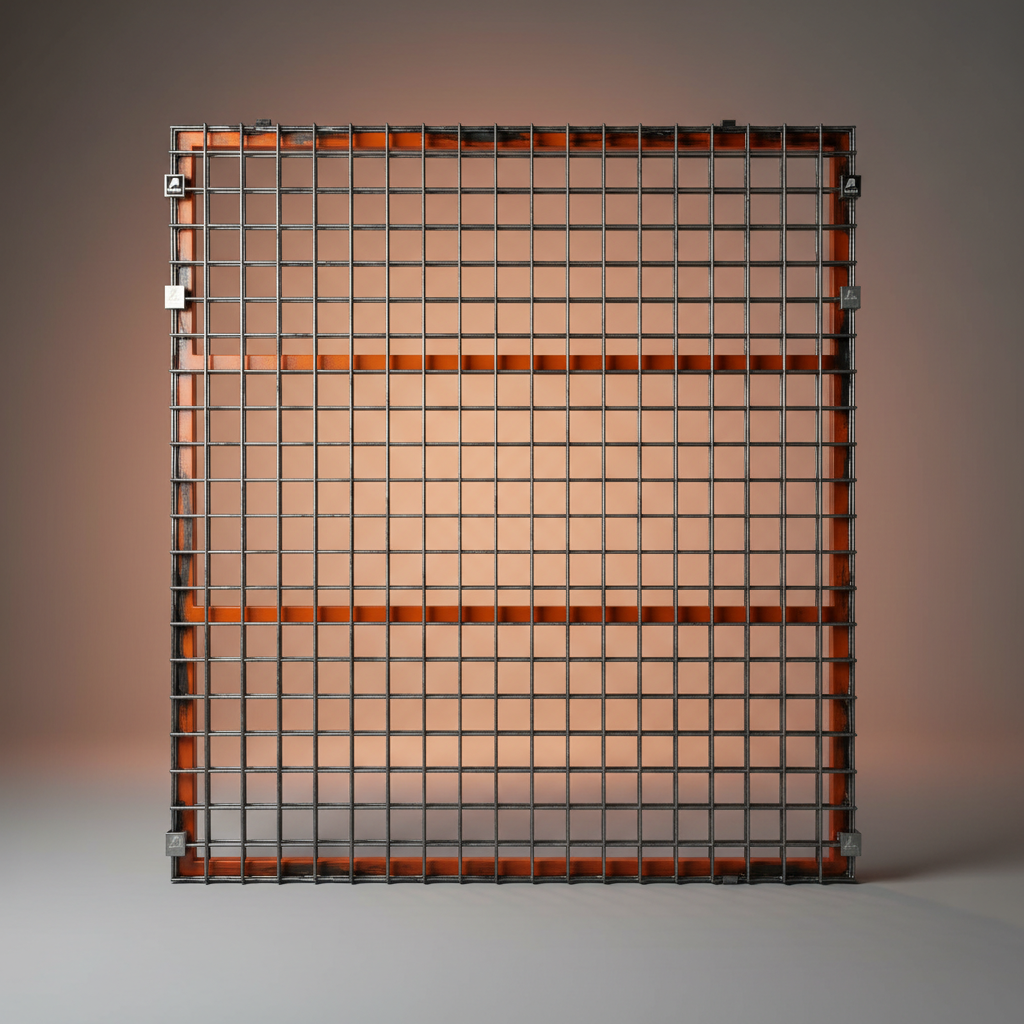
Simply put, 4x8 wire mesh is a woven grid of steel wires, typically measuring 4 feet in width and 8 feet in length. It’s fabricated by welding or weaving wires at regular intervals, creating a durable and versatile material. It’s the industry standard for a reason: its consistent size simplifies cutting, shaping, and installation.
It's a direct response to the need for standardized building components. Before consistent sizing, every piece had to be custom-fit, adding significant time and cost to projects. 4x8 wire mesh allows for efficient pre-fabrication and on-site installation, streamlining the construction process.
Its relevance extends far beyond construction. It's used in agriculture, security fencing, industrial filtering, and even artistic applications. The core principle remains the same: providing a strong, lightweight, and adaptable material for a multitude of purposes.
Key Factors: What Makes 4x8 Wire Mesh Stand Out
I've seen a lot of materials come and go, but 4x8 wire mesh consistently holds its own. First, its Durability is exceptional. It can withstand significant stress and resist corrosion, ensuring long-lasting performance. Second, Scalability is a huge plus – you can easily order the exact amount you need, minimizing waste.
Then there’s Cost Efficiency. Compared to other reinforcement materials like steel rebar, 4x8 wire mesh offers a significantly lower cost per square foot. Ease of Installation is another benefit – it can be easily cut and shaped with basic tools. And finally, Versatility – it can be used in countless applications. These aren’t just buzzwords; they translate directly into savings and efficiency on the job site.
4x8 Wire Mesh Performance Metrics
Real-World Applications: From Disaster Relief to Infrastructure
In post-disaster relief operations, 4x8 wire mesh is used for temporary shelters, debris containment, and erosion control. I’ve seen it deployed rapidly to create secure perimeters and stabilize damaged areas. It’s a critical component in getting aid to those who need it most.
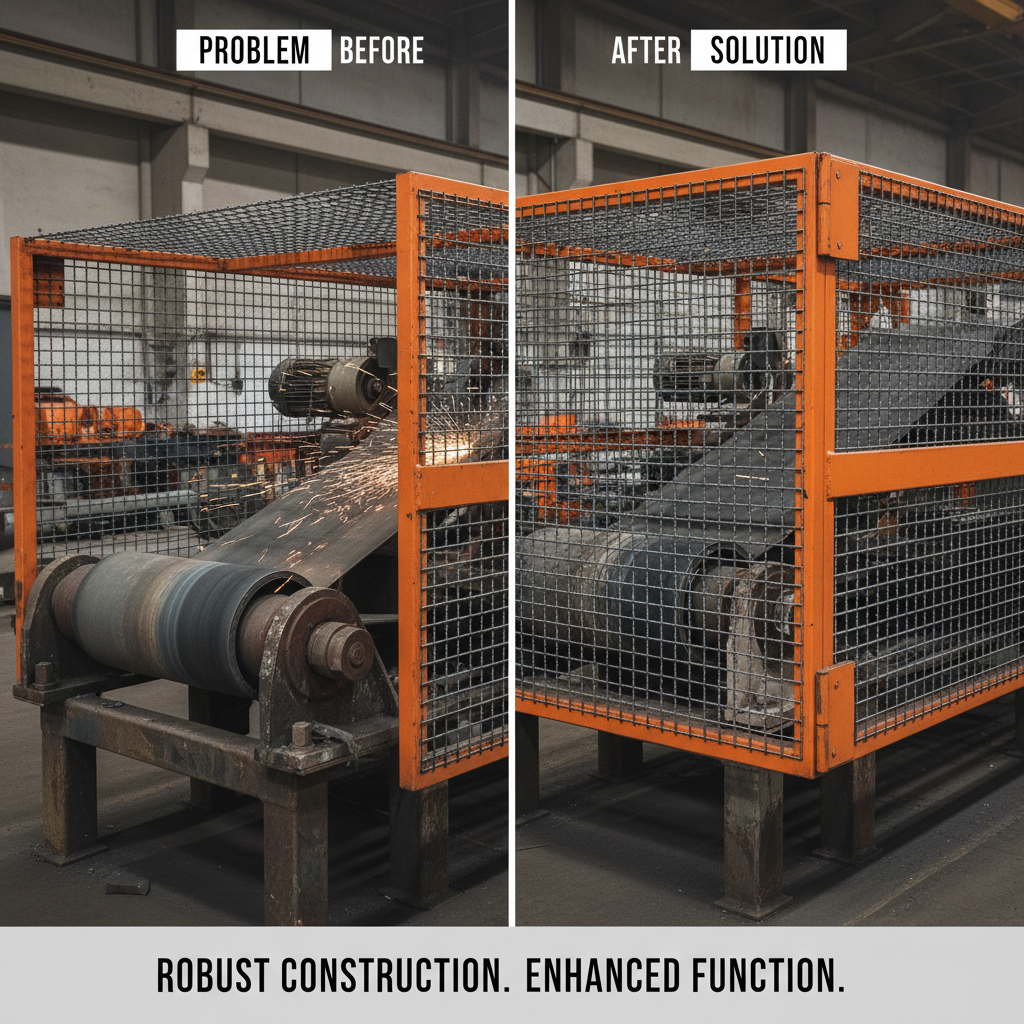
In remote industrial zones, it’s used for fencing, security cages, and reinforcing concrete foundations. The ease of transport and installation makes it ideal for locations with limited access and resources.
Tangible Benefits: Cost, Safety, and Long-Term Value
Look, bottom line matters. 4x8 wire mesh reduces overall project costs by minimizing material waste and streamlining installation. But it’s not just about money. It contributes to a safer work environment by providing robust containment and protection.
And the long-term value is undeniable. Structures reinforced with 4x8 wire mesh are more durable and require less maintenance, saving money and resources over the lifespan of the project. It's an investment in quality and peace of mind.
Future Trends and Innovation in Wire Mesh Technology
We're starting to see advancements in coating technologies that enhance corrosion resistance and extend the lifespan of 4x8 wire mesh. There’s also research into using recycled materials in its production, which aligns with the growing demand for sustainable building practices.
Digital fabrication techniques, like robotic welding, are increasing precision and efficiency in the manufacturing process. And I expect to see more integration with Building Information Modeling (BIM) software to optimize material usage and streamline project planning.
The move towards pre-fabricated construction elements is also driving demand for standardized components like 4x8 wire mesh, accelerating project timelines and reducing on-site labor costs.
Summary of Key Challenges and Solutions in 4x8 Wire Mesh Application
| Challenge |
Impact on Project |
Proposed Solution |
Implementation Cost (Scale 1-10) |
| Inconsistent Material Quality |
Compromised Structural Integrity |
Stringent Supplier Vetting and QC Protocols |
6 |
| Corrosion in Harsh Environments |
Reduced Lifespan and Increased Maintenance |
Utilize Corrosion-Resistant Coatings |
7 |
| Transportation and Handling Damage |
Material Waste and Project Delays |
Improved Packaging and Handling Procedures |
4 |
| Difficulty in Precise Cutting |
Increased Labor Costs and Material Waste |
Employing Laser Cutting Technology |
8 |
| Lack of Skilled Installers |
Incorrect Installation and Potential Failures |
Providing Comprehensive Training Programs |
5 |
| Rising Raw Material Costs |
Increased Project Budgets |
Negotiating Long-Term Contracts with Suppliers |
7 |
FAQS
The lifespan varies depending on environmental factors and coating quality, but properly installed and maintained structures reinforced with 4x8 wire mesh can easily last 50-75 years. Choosing the right gauge and coating is crucial for longevity, particularly in coastal or highly corrosive environments. Regular inspections and preventative maintenance will further extend the lifespan.
Generally, 4x8 wire mesh is more cost-effective than rebar, especially for projects requiring widespread reinforcement. While rebar offers higher tensile strength, wire mesh provides sufficient strength for many applications, particularly in non-structural elements like slabs and walls. The choice depends on the specific structural requirements of the project.
Yes, when properly designed and installed, 4x8 wire mesh can significantly enhance the seismic resistance of structures. It helps to distribute stress and prevent cracking during earthquakes. However, it's essential to consult with a structural engineer to ensure the mesh meets the specific seismic requirements of the region.
Common coatings include galvanized zinc, epoxy, and PVC. Galvanized zinc is a cost-effective option for moderate corrosion environments. Epoxy coatings provide superior protection in harsh conditions, and PVC coatings offer excellent resistance to chemicals and abrasion. The choice depends on the specific application and the level of corrosion exposure.
4x8 wire mesh is relatively easy to cut and shape with basic tools like wire cutters, bolt cutters, or even angle grinders. However, it's crucial to wear appropriate safety gear, including gloves and eye protection. For precise cuts, especially on thicker gauges, a metal-cutting saw may be necessary.
Steel is a highly recyclable material, and much of the 4x8 wire mesh produced contains recycled content. Using wire mesh can reduce the reliance on virgin materials and contribute to sustainable construction practices. Furthermore, its durability and long lifespan minimize the need for frequent replacements.
Conclusion
Ultimately, 4x8 wire mesh isn’t about fancy technology or groundbreaking innovation. It's about reliable, cost-effective solutions that stand the test of time. It’s a fundamental building block that contributes to stronger, safer, and more sustainable structures. It's a material I trust, and one I’ve come to rely on throughout my career.
Looking ahead, continued advancements in coating technology and manufacturing processes will only enhance its performance and versatility. Don't underestimate the power of a simple, well-engineered solution. If you’re looking for a dependable material that delivers on its promises, I highly recommend exploring the options available at www.jinzehongmesh.com. They understand the needs of those of us on the ground, and they deliver quality products you can count on.