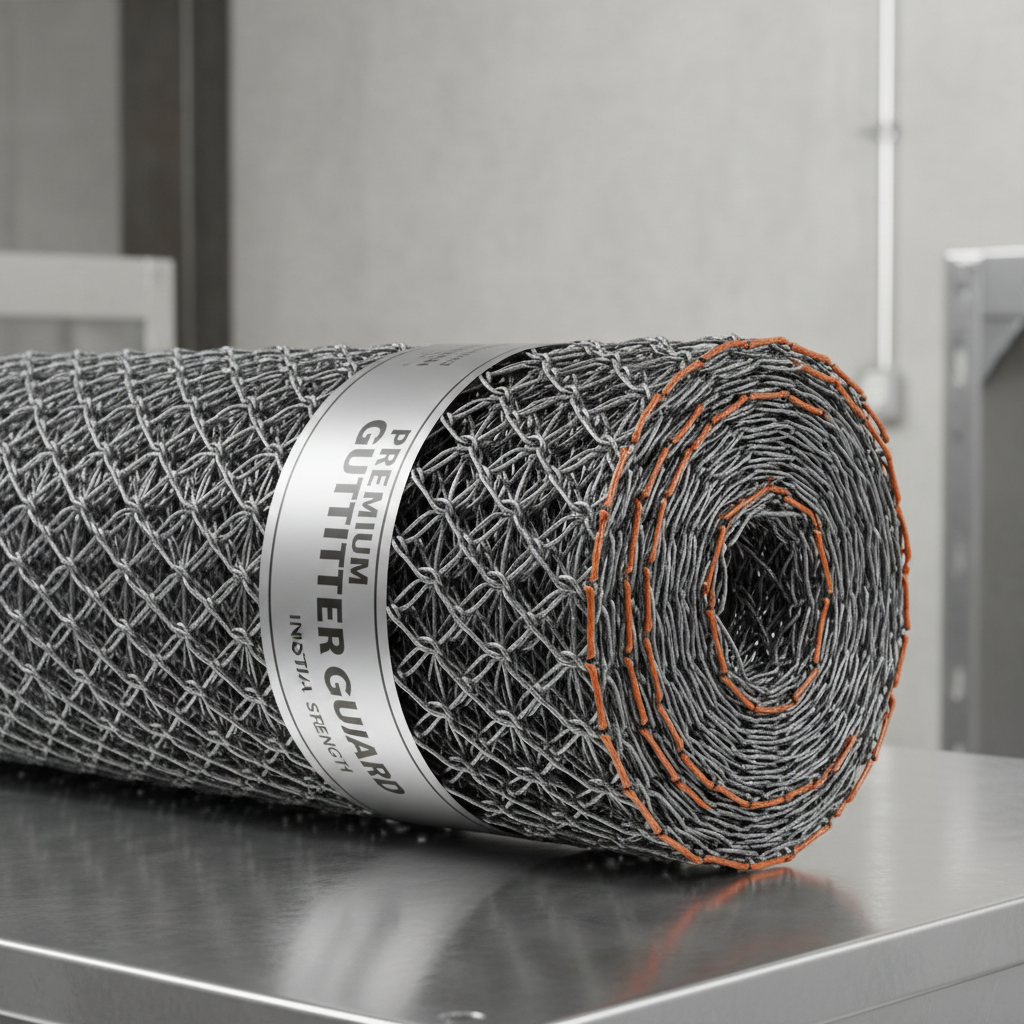
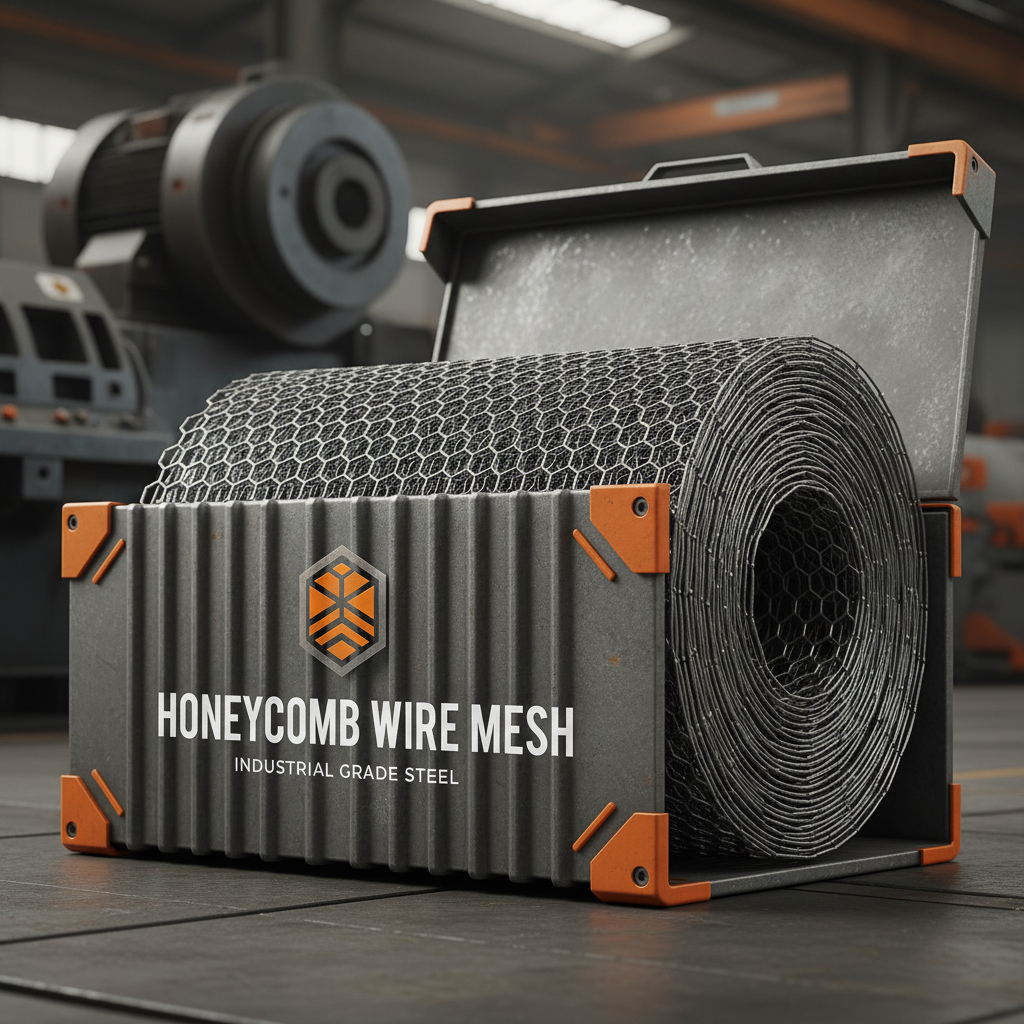
Metal mesh panels for cabinets are rapidly becoming a crucial component in a wide range of applications, from kitchen organization and appliance aesthetics to industrial storage and security solutions. Their versatility, durability, and cost-effectiveness have driven significant demand globally. Understanding the nuances of these panels – their materials, construction, and applications – is essential for designers, manufacturers, and end-users alike seeking optimized storage and display solutions.
The global market for wire mesh products, including those used in cabinet construction, is experiencing steady growth, fueled by increasing infrastructure development and a burgeoning consumer goods sector. According to industry reports, the demand for specialized mesh solutions, particularly in stainless steel and aluminum, is projected to rise significantly in the coming years. This growth isn't merely about volume; it's about the increasing need for innovative and customizable solutions within cabinet design.
Addressing the challenges of space optimization and aesthetic appeal, metal mesh panels offer a sophisticated alternative to traditional cabinet materials. They are lightweight yet strong, provide excellent ventilation, and can be easily integrated into various cabinet designs. This makes them an ideal choice for modern kitchens, retail displays, and secure storage systems across numerous industries.
The Core Functionality of metal mesh panels for cabinets
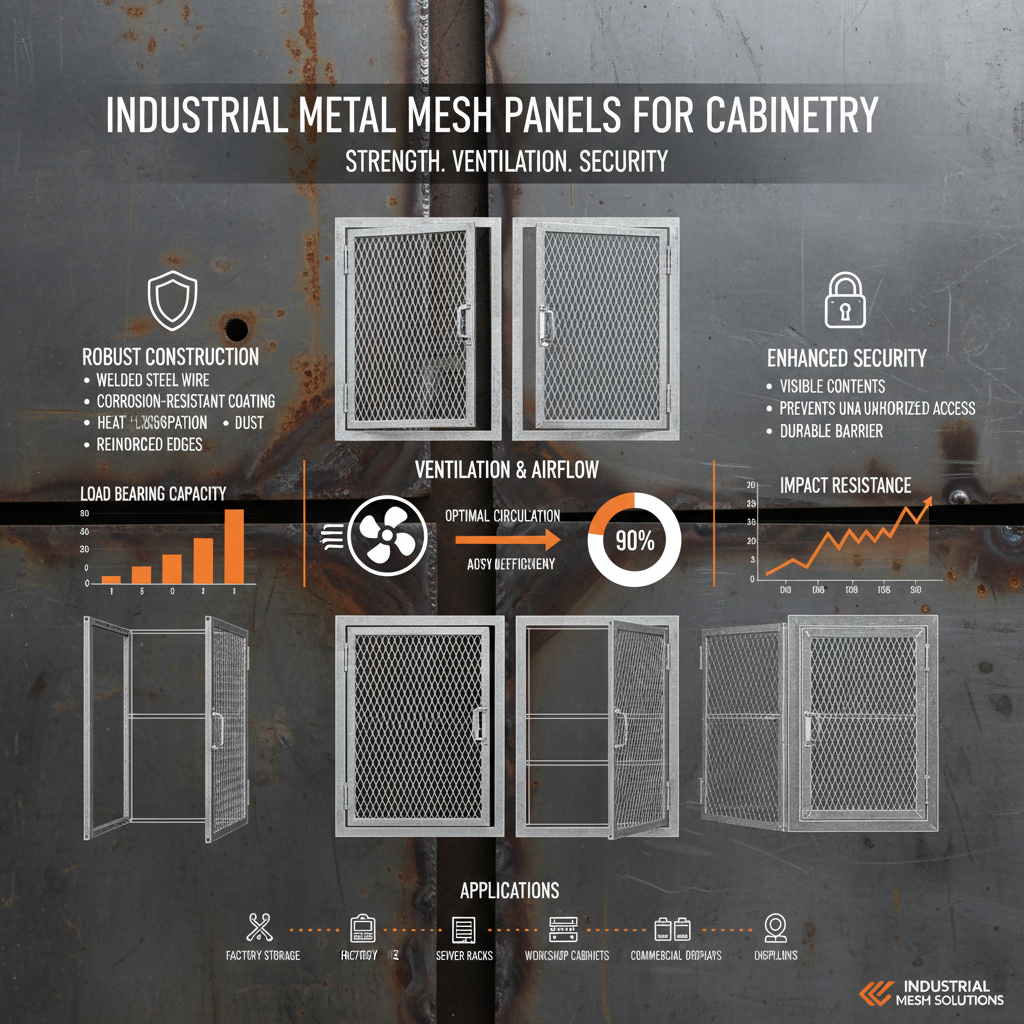
At their most fundamental, metal mesh panels for cabinets function as structural components providing support, ventilation, and aesthetic appeal. They offer a unique balance between open space and solid material, allowing for visibility and airflow while maintaining rigidity. This functionality is crucial in applications ranging from kitchen cabinet inserts to industrial storage racks.
The core benefit stems from the mesh's inherent ability to distribute weight evenly, enhancing the cabinet's overall strength and preventing sagging or deformation. Different mesh densities and wire diameters cater to specific load-bearing requirements, making these panels adaptable to a wide spectrum of applications.
Understanding Material Composition and Weave Types
Metal mesh panels for cabinets are typically constructed from stainless steel, aluminum, or galvanized steel, each offering distinct advantages. Stainless steel provides superior corrosion resistance, making it ideal for humid environments like kitchens or outdoor applications. Aluminum is lightweight and offers excellent formability, while galvanized steel provides a cost-effective solution with reasonable durability.
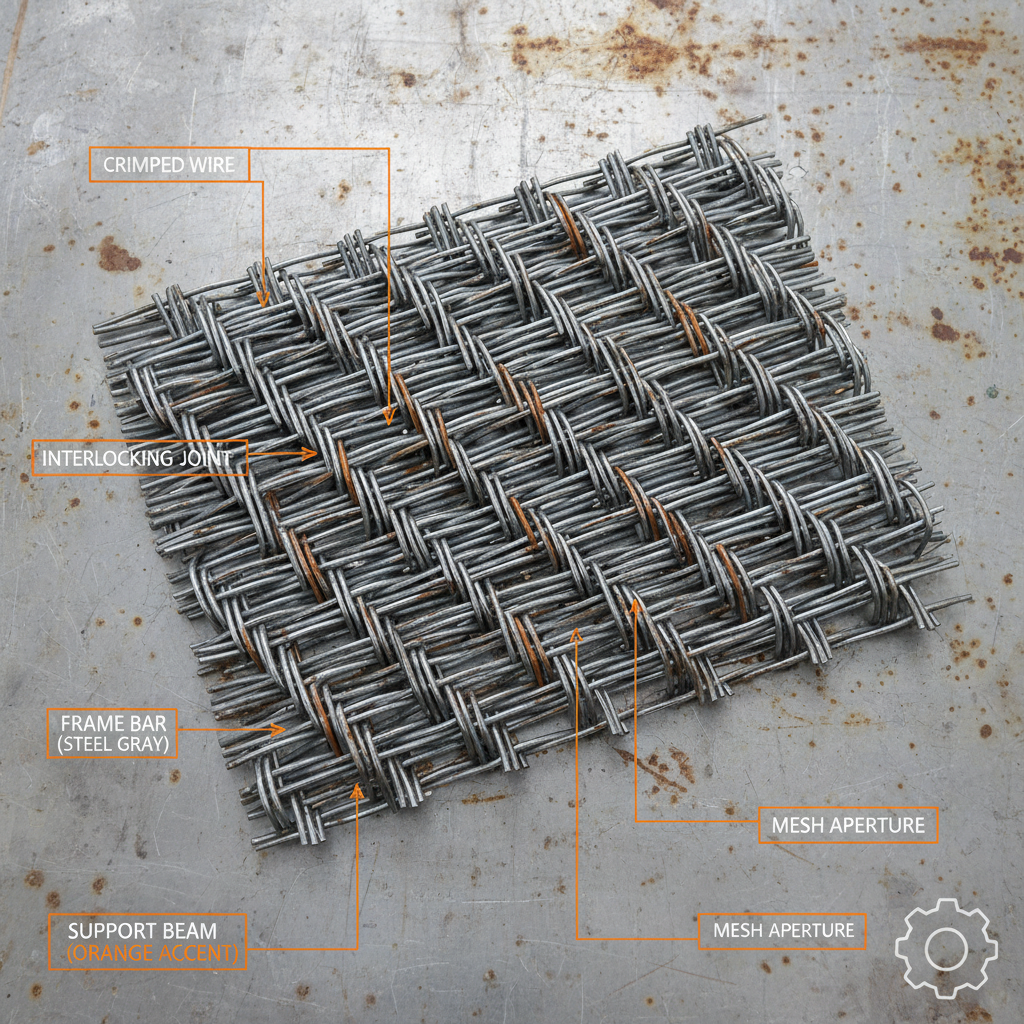
The weave type significantly impacts the panel's characteristics. Common weaves include plain weave, twill weave, and Dutch weave. Plain weave offers a balanced structure, twill weave provides increased density and strength, and Dutch weave excels in filtration and airflow applications. Selecting the appropriate weave is crucial for optimizing performance based on the intended use.
Beyond these primary materials, specialized alloys and coatings can further enhance properties such as aesthetic appeal, electrical conductivity, or resistance to specific chemicals, broadening the scope of applications for metal mesh panels for cabinets.
Durability and Corrosion Resistance in metal mesh panels for cabinets
The durability of metal mesh panels for cabinets is a primary concern for designers and manufacturers. Factors influencing durability include the material grade, weave type, wire diameter, and any applied coatings. High-quality stainless steel, particularly 304 and 316 grades, offers exceptional resistance to corrosion, making it suitable for harsh environments.
Corrosion resistance is particularly critical in applications involving moisture, chemicals, or salt spray. Galvanized steel offers a cost-effective alternative with reasonable corrosion protection, while aluminum forms a protective oxide layer that inhibits further corrosion. Regular maintenance and appropriate coatings can further extend the lifespan of metal mesh panels for cabinets.
Proper fabrication techniques, such as precise welding and finishing, also contribute to the overall structural integrity and longevity of the panels. A well-constructed panel will resist deformation, fatigue, and premature failure, ensuring long-term performance and reliability.
Cost Analysis: metal mesh panels for cabinets vs. Traditional Materials
Comparing the cost of metal mesh panels for cabinets with traditional materials like wood, plastic, or solid metal sheets requires a holistic approach. While the initial material cost of metal mesh may be comparable or slightly higher, the overall lifecycle cost can often be lower due to its durability and reduced maintenance requirements.
Factors influencing cost include material type (stainless steel being the most expensive), mesh density, weave complexity, and fabrication processes. However, the reduced weight of metal mesh can lower transportation costs and simplify installation, leading to further savings.
Cost Comparison of metal mesh panels for cabinets Materials
Global Applications of metal mesh panels for cabinets
Metal mesh panels for cabinets are finding diverse applications across numerous industries globally. In the kitchen and bathroom sector, they are used for cabinet inserts, pantry organizers, and decorative panels, offering a modern aesthetic and improved ventilation.
In retail environments, metal mesh panels are employed in display cases, shelving systems, and security enclosures, providing both visual appeal and enhanced security. Industrial applications include storage racks, machine guards, and ventilation systems, capitalizing on the mesh's strength and airflow properties. Furthermore, the construction sector uses them in facade cladding and security screens.
Advantages and Long-Term Value Proposition
The advantages of utilizing metal mesh panels for cabinets extend beyond initial cost savings. The exceptional durability and corrosion resistance translate to a longer lifespan and reduced replacement costs. The lightweight nature simplifies installation and reduces structural load.
The aesthetic appeal of metal mesh offers a modern and sophisticated look, enhancing the overall value of the finished product. The inherent airflow properties contribute to improved ventilation, preventing moisture buildup and extending the lifespan of stored items. Ultimately, metal mesh panels represent a sustainable and cost-effective solution for a wide range of cabinet applications.
From a brand perspective, incorporating metal mesh demonstrates a commitment to quality, innovation, and design, fostering trust and loyalty among consumers.
Future Trends and Innovations in metal mesh panels for cabinets
The future of metal mesh panels for cabinets is poised for innovation, driven by advancements in materials science and manufacturing techniques. Research into lightweight alloys and high-performance coatings will further enhance durability and corrosion resistance.
The integration of smart technologies, such as embedded sensors and RFID tags, is expected to create intelligent cabinets with enhanced monitoring and security features. Furthermore, the development of 3D-printed metal mesh structures will enable customized designs and complex geometries, pushing the boundaries of what's possible.
Sustainable manufacturing practices and the use of recycled materials are also gaining prominence, aligning with the growing demand for environmentally responsible products.
Summary of Factors Influencing Metal Mesh Panel Performance
| Material Composition |
Weave Density (PPI) |
Coating Type |
Load Capacity (kg/m²) |
| Stainless Steel 304 |
80 PPI |
Powder Coated |
150 |
| Aluminum 5052 |
60 PPI |
Anodized |
100 |
| Galvanized Steel |
40 PPI |
Zinc Plated |
120 |
| Stainless Steel 316 |
100 PPI |
Electropolished |
180 |
| Aluminum 6061 |
50 PPI |
Clear Coat |
90 |
| Galvanized Steel (Heavy Duty) |
30 PPI |
Epoxy Coated |
160 |
FAQS
Metal mesh panels offer several key advantages over traditional materials. They are significantly more durable, resistant to corrosion, and provide superior ventilation. Their lightweight nature also simplifies installation and reduces structural load. While the initial cost might be comparable, the long-term cost savings from reduced maintenance and replacement make metal mesh a valuable investment.
For outdoor applications, stainless steel (grades 304 and 316) is highly recommended due to its inherent corrosion resistance. Galvanized steel with a protective coating, such as powder coating or epoxy coating, also provides good protection. Aluminum, naturally forming a protective oxide layer, is another viable option. Proper sealing and maintenance are crucial for maximizing the lifespan of the panels in harsh environments.
Metal mesh panels are remarkably easy to clean and maintain. A simple wipe-down with a damp cloth and mild detergent is usually sufficient for routine cleaning. For stubborn stains or grime, specialized metal cleaners can be used. Regular inspection and occasional application of protective coatings can further extend their lifespan and maintain their aesthetic appearance.
Yes, metal mesh panels can be readily customized to meet specific requirements. They can be cut to size, bent to shape, and welded into various configurations. Fabricators offer a range of customization options, including different mesh densities, weave types, and surface finishes. This flexibility allows for seamless integration into diverse cabinet designs.
Lead times for custom metal mesh panels vary depending on the complexity of the order, the material type, and the fabricator's current workload. Generally, standard orders can be fulfilled within 2-4 weeks, while more complex or large-volume orders may require 6-8 weeks. It’s advisable to contact suppliers directly for accurate lead time estimates.
Yes, stainless steel metal mesh panels are ideally suited for food storage cabinets due to their hygienic properties, corrosion resistance, and ease of cleaning. They do not harbor bacteria and are safe for contact with food. However, it's essential to ensure that the panels are properly finished and free of any sharp edges or potential contaminants.
Conclusion
Metal mesh panels for cabinets represent a versatile and increasingly popular solution for a wide array of applications. Their combination of durability, aesthetic appeal, and functional benefits makes them a compelling alternative to traditional materials. From kitchen organization to industrial storage, these panels offer a sustainable and cost-effective way to enhance both form and function.
Looking ahead, ongoing innovation in materials and fabrication techniques will further expand the possibilities for metal mesh panels, driving their adoption across even more industries. We encourage you to explore the potential of these innovative solutions for your next project. Learn more about metal mesh panels for cabinets and request a quote today!