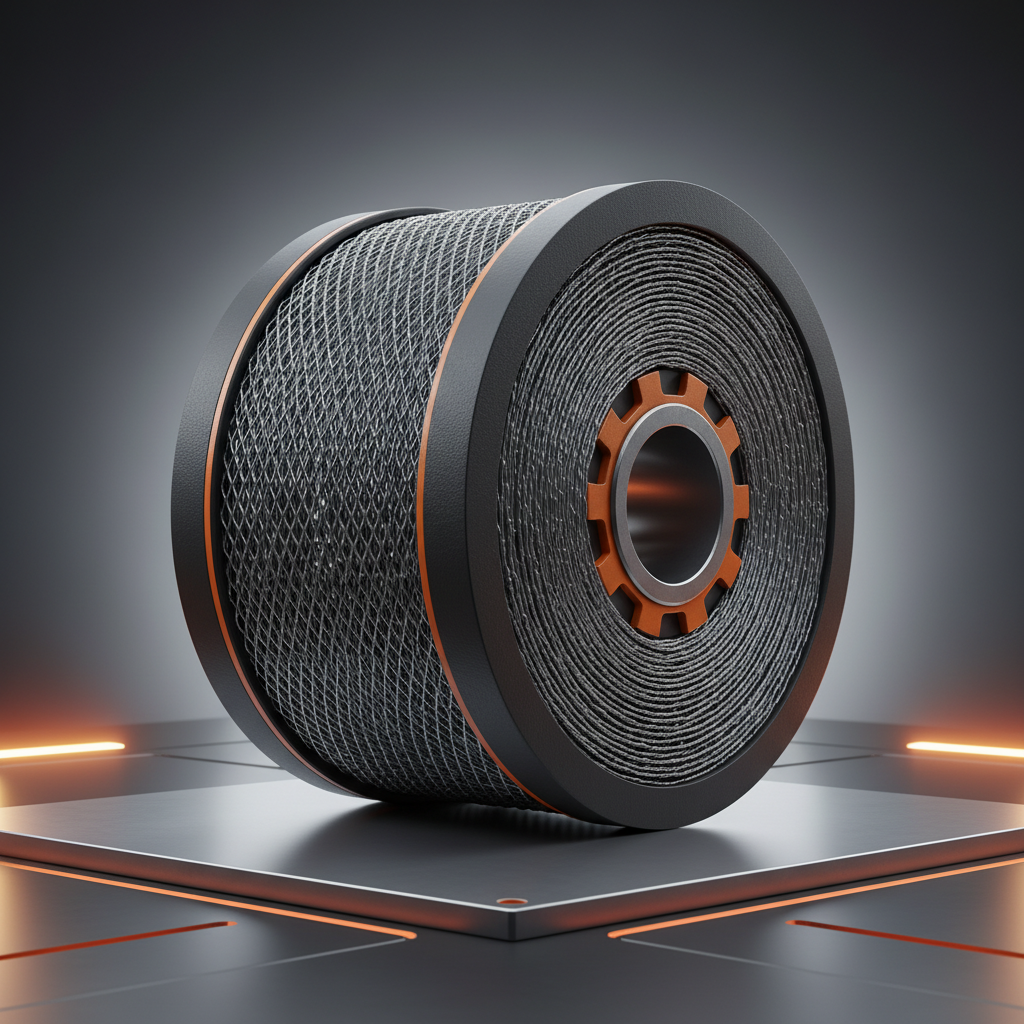
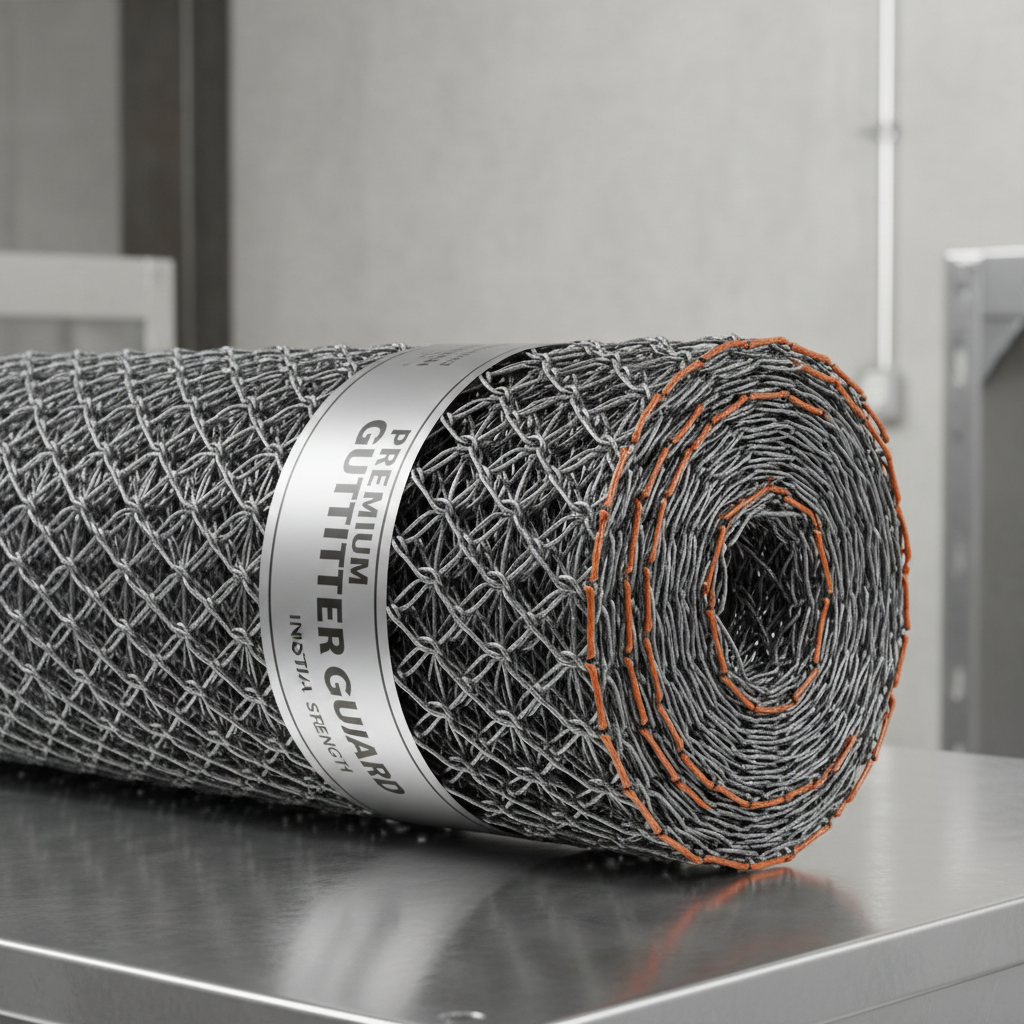
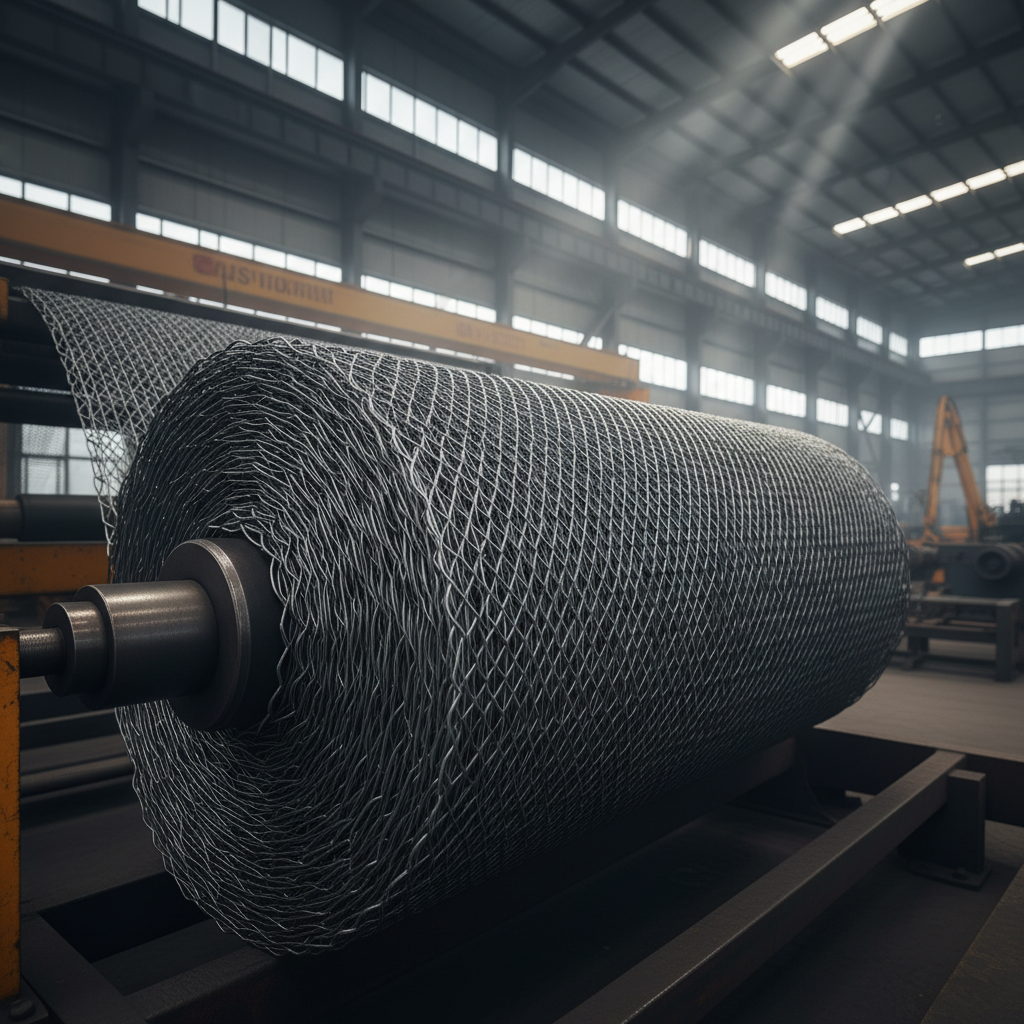
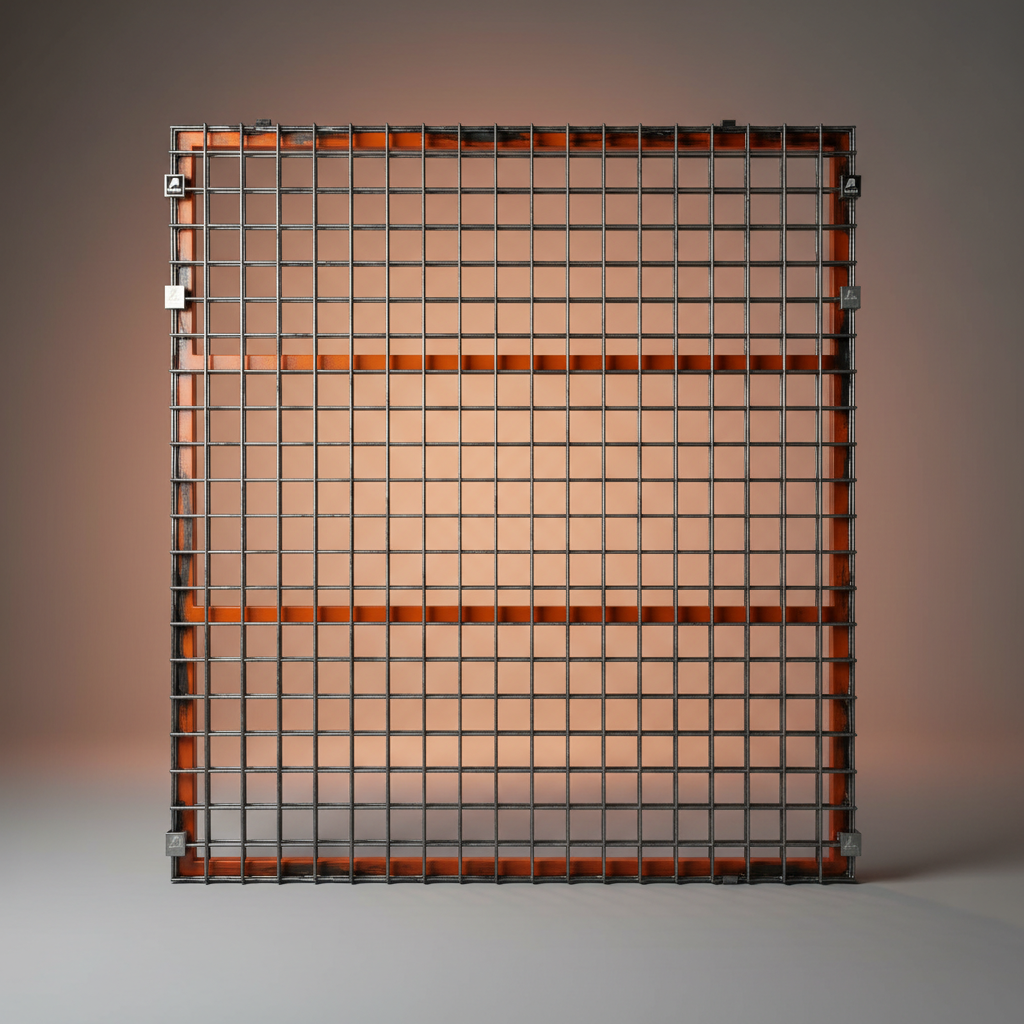
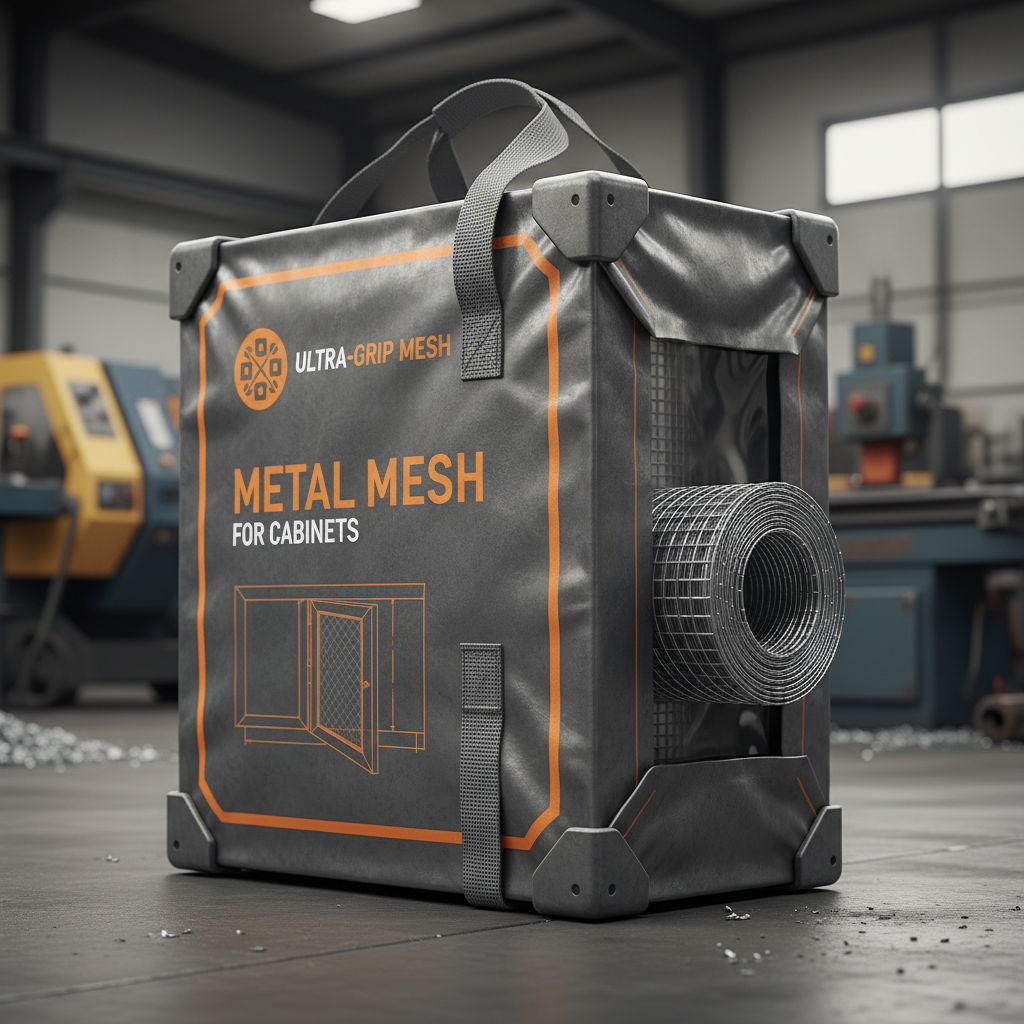
Look, I've spent years on construction sites – literally getting my hands dirty alongside the crews. And one thing I've learned is that reliable, quick fixes are everything. That's where wire mesh tape comes in. It’s not some fancy new tech; it’s a practical solution to a common problem: securing materials, reinforcing joints, and speeding up jobs without sacrificing quality. We’re talking about real-world impact here, saving time and money, and ultimately, getting projects done right.
The industry’s been relying on outdated methods for too long – things that are slow, messy, and honestly, not always effective. I’ve seen too many projects delayed because of inadequate material fastening. wire mesh tape offers a consistent, dependable alternative, especially when you’re dealing with challenging environments or tight deadlines. It's about smart building, not just harder building.
It's not just about convenience; it's about safety and structural integrity. When you’re dealing with large-scale projects, even a small compromise in material security can have serious consequences. This tape provides that extra layer of protection, ensuring everything stays put, even under stress. I've seen firsthand how it makes a difference on the job.
The Practical Applications of wire mesh tape
I’ve seen wire mesh tape used in everything from securing insulation to reinforcing concrete patches. It’s a lifesaver for quick repairs on-site, avoiding the hassle of mixing mortar or waiting for adhesives to dry. It’s particularly useful in areas where traditional fasteners just won’t hold, like irregular surfaces or tight corners.
And it’s not limited to just building construction. I’ve watched engineers use it for temporary supports during demolition, securing formwork for concrete pouring, and even patching up damaged metal structures. Its versatility is what sets it apart. It’s a tool that solves a multitude of problems.
Understanding the Core Properties of wire mesh tape
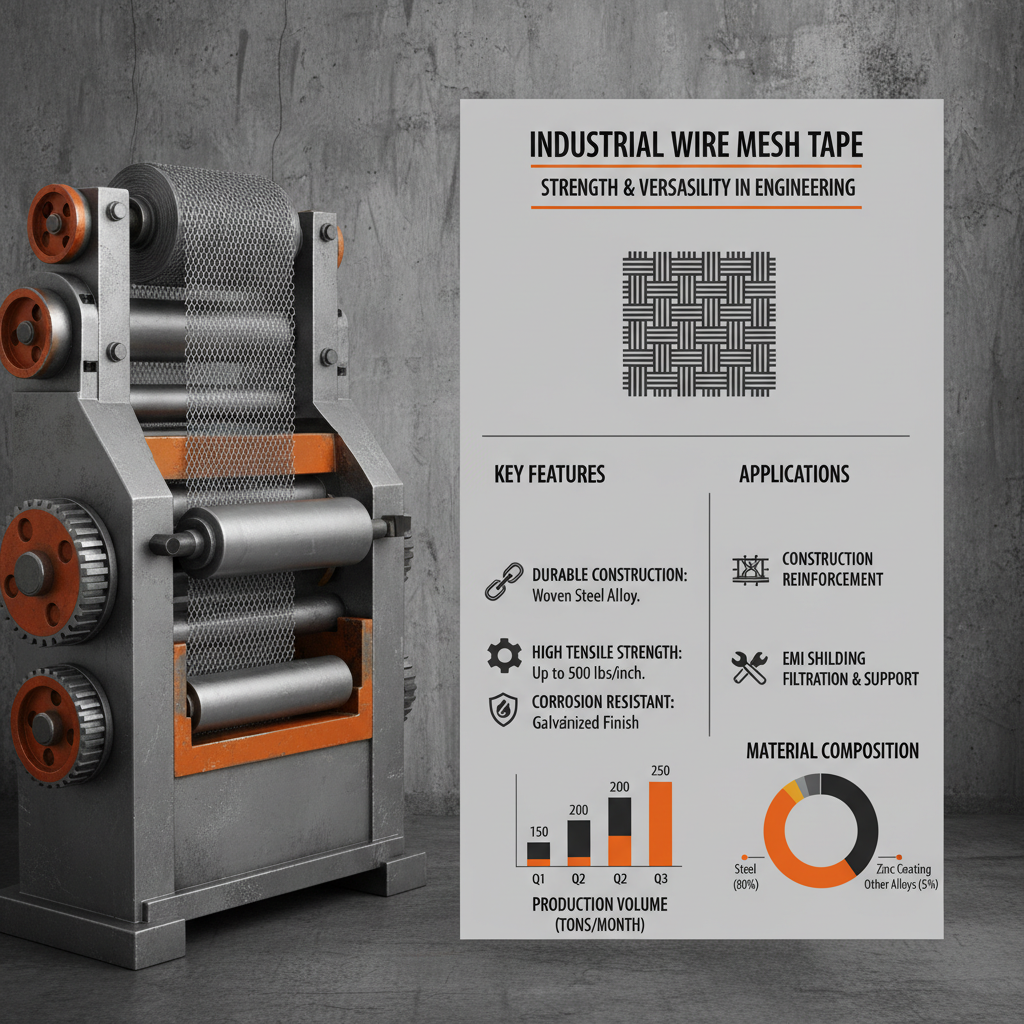
The strength of wire mesh tape comes down to the quality of the mesh and the adhesive. You need a tape that can handle the stress and strain of a construction site – temperature changes, moisture, and constant movement. Look for tapes with high tensile strength and a durable adhesive that won’t break down over time.
The mesh itself needs to be corrosion-resistant, especially if you’re working outdoors or in humid environments. Galvanized steel is a good starting point, but stainless steel offers even better protection. And the adhesive? It needs to bond strongly to a variety of surfaces – concrete, wood, metal, plastic – without losing its grip.
Don’t underestimate the importance of the tape's flexibility. A tape that can conform to uneven surfaces will provide a much more secure bond than a rigid one. That’s what you want – something that moves with the structure, not against it.
The Durability and Longevity of wire mesh tape
I've seen tapes that claim to be durable, but fall apart after a few weeks exposed to the elements. That's a waste of time and money. Good wire mesh tape should be able to withstand years of exposure to sunlight, rain, and temperature fluctuations without losing its strength or adhesive properties.
The key is the quality of the materials. UV-resistant coatings on the mesh and a weather-resistant adhesive are essential for long-term performance. Proper application is also critical – a clean, dry surface and firm pressure will ensure a strong, lasting bond.
And it's not just about the tape itself. Consider the substrate it’s being applied to. If the surface is unstable or prone to cracking, the tape won’t last long, no matter how good it is. It's a system, not just a product.
Cost-Effectiveness of wire mesh tape Implementation
Let’s be real, every project has a budget. And wire mesh tape often comes out ahead when you factor in the total cost of ownership. It reduces labor time, minimizes material waste, and lowers the risk of costly rework.
Think about it: instead of spending hours mixing mortar or waiting for adhesive to cure, you can apply the tape and move on to the next task. That translates to significant savings on labor costs, especially on large-scale projects.
Cost Comparison of Material Fastening Methods
Global Applications of wire mesh tape in Construction
I’ve seen this stuff used all over the world, from high-rise buildings in Dubai to remote construction sites in Alaska. It’s particularly valuable in areas where access to traditional construction materials is limited or where speed is of the essence.
In post-disaster relief operations, it’s a game-changer for quickly securing temporary shelters and repairing damaged structures. And in remote industrial zones, it’s used to reinforce pipelines, secure equipment, and create temporary work platforms. It's adaptable – that's the key.
The Advantages and Long-Term Value of wire mesh tape
Beyond the immediate cost savings, wire mesh tape offers long-term value by improving the durability and lifespan of structures. By providing extra reinforcement, it reduces the risk of cracks, failures, and costly repairs down the line.
It's also a safer option for workers. It eliminates the need for hot work, like welding, and reduces the risk of injuries associated with handling heavy materials. That’s a big win for everyone involved. It’s about building better, safer, and more sustainable structures.
And let’s not forget the peace of mind it provides. Knowing that your materials are securely fastened and your structure is well-supported is priceless. It allows you to focus on the job at hand without worrying about potential failures.
Future Trends and Innovations in wire mesh tape Technology
We’re already seeing advancements in adhesive technology that are making wire mesh tape even more durable and versatile. New bio-based adhesives are being developed that are more environmentally friendly and offer comparable performance to traditional adhesives.
I also anticipate seeing more integration of smart materials, like self-healing polymers, into the mesh itself. These materials could automatically repair minor damage, extending the lifespan of the tape and reducing the need for maintenance.
And as automation becomes more prevalent on construction sites, we’ll likely see the development of robotic application systems that can apply the tape quickly and accurately, further increasing efficiency and reducing labor costs.
Summary of Current Challenges and Future Opportunities in wire mesh tape Implementation
| Challenge Area |
Current Limitations |
Potential Solutions |
Impact on wire mesh tape Use |
| Adhesive Performance |
Limited adhesion to certain surfaces |
Development of universal adhesives |
Wider application range and improved reliability |
| Durability in Harsh Environments |
Degradation from UV exposure and moisture |
UV-resistant coatings and waterproof adhesives |
Longer lifespan and reduced maintenance |
| Application Efficiency |
Manual application can be time-consuming |
Automated application systems |
Faster installation and reduced labor costs |
| Material Sustainability |
Reliance on non-renewable resources |
Bio-based adhesives and recycled materials |
Reduced environmental impact and enhanced brand image |
| Cost Competitiveness |
Can be more expensive than traditional methods |
Economies of scale and efficient manufacturing |
Increased affordability and wider adoption |
| Standardization & Quality Control |
Lack of consistent quality standards |
Implementation of industry-wide quality control measures |
Improved reliability and customer trust |
FAQS
Wire mesh tape is remarkably versatile. It’s heavily used for reinforcing concrete, securing insulation, patching cracks, and even temporary structural support. On-site, it’s my go-to for quick repairs and strengthening joints where traditional methods are too slow or cumbersome. It really shines in applications where flexibility and a strong bond are crucial.
That's a critical question. High-quality wire mesh tape with UV-resistant coatings and waterproof adhesives holds up extremely well. I’ve seen it withstand years of harsh sunlight, heavy rain, and extreme temperatures without significant degradation. However, cheaper tapes will definitely fail quickly, so investing in a durable product is essential for long-term performance.
Absolutely. When you factor in labor costs, material waste, and the time saved, wire mesh tape almost always comes out ahead. It eliminates the need for mixing mortars or waiting for adhesives to cure, and it’s significantly faster to apply. Plus, it reduces the risk of rework, saving money in the long run.
Good wire mesh tape should adhere strongly to a wide range of surfaces, including concrete, wood, metal, plastic, and drywall. However, proper surface preparation is key. Make sure the surface is clean, dry, and free of dust or debris for optimal adhesion. A quick wipe-down can make all the difference.
That depends on the environment and the quality of the tape, but a properly installed application using high-quality materials should last for 10 years or more. Regular inspections can help identify any potential issues early on and ensure continued performance. It’s an investment in long-term structural integrity.
Always wear gloves and eye protection when handling wire mesh tape, as the mesh edges can be sharp. Work in a well-ventilated area, especially when applying adhesives. And follow the manufacturer's instructions carefully for proper application and safety guidelines.
Conclusion
In short, wire mesh tape isn’t just another building material; it’s a practical, cost-effective solution that’s transforming the way we approach construction and repair. From its versatility and durability to its ease of use and long-term value, it's a game-changer for contractors, engineers, and anyone involved in building projects.
As the industry continues to evolve, I expect to see even more innovation in this space – smarter materials, automated application systems, and a greater focus on sustainability. Don’t underestimate the power of a simple, reliable solution. For more information on how wire mesh tape can benefit your next project, visit our website: www.jinzehongmesh.com.