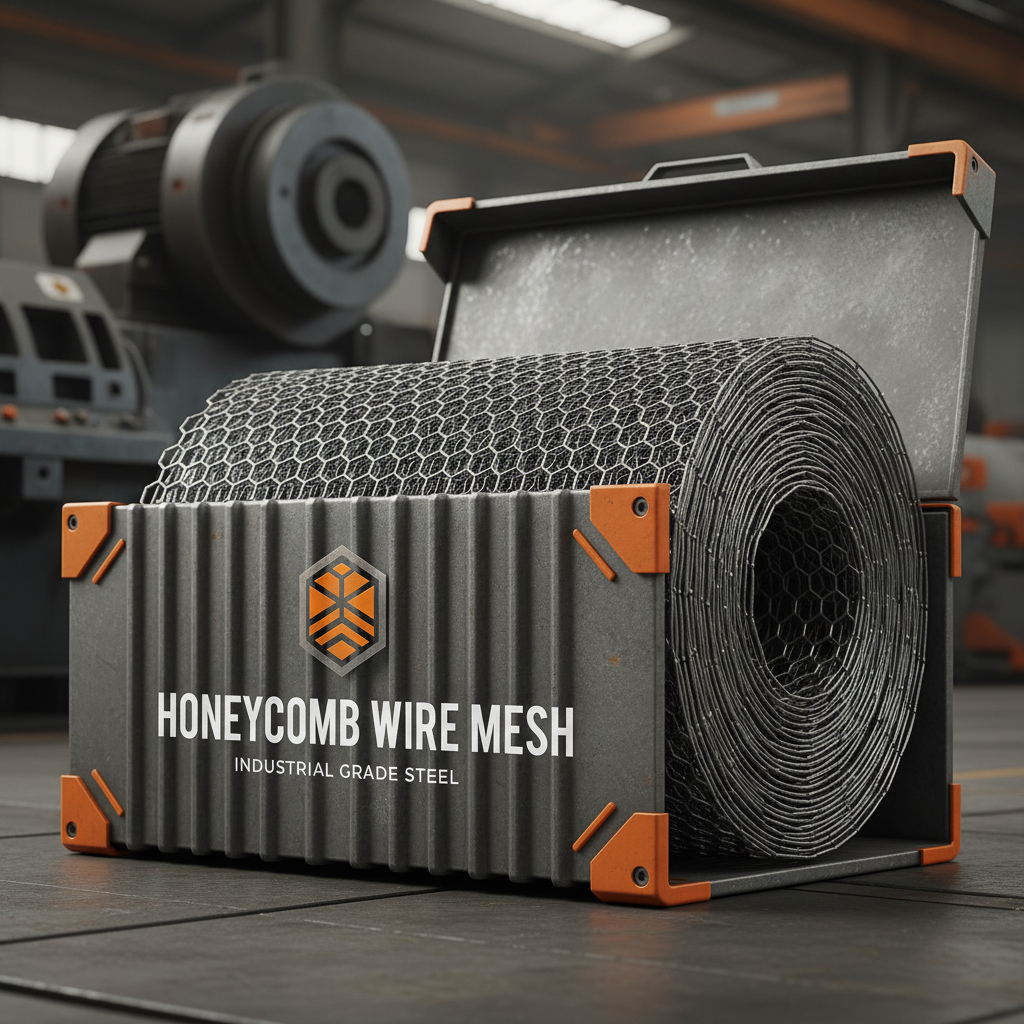
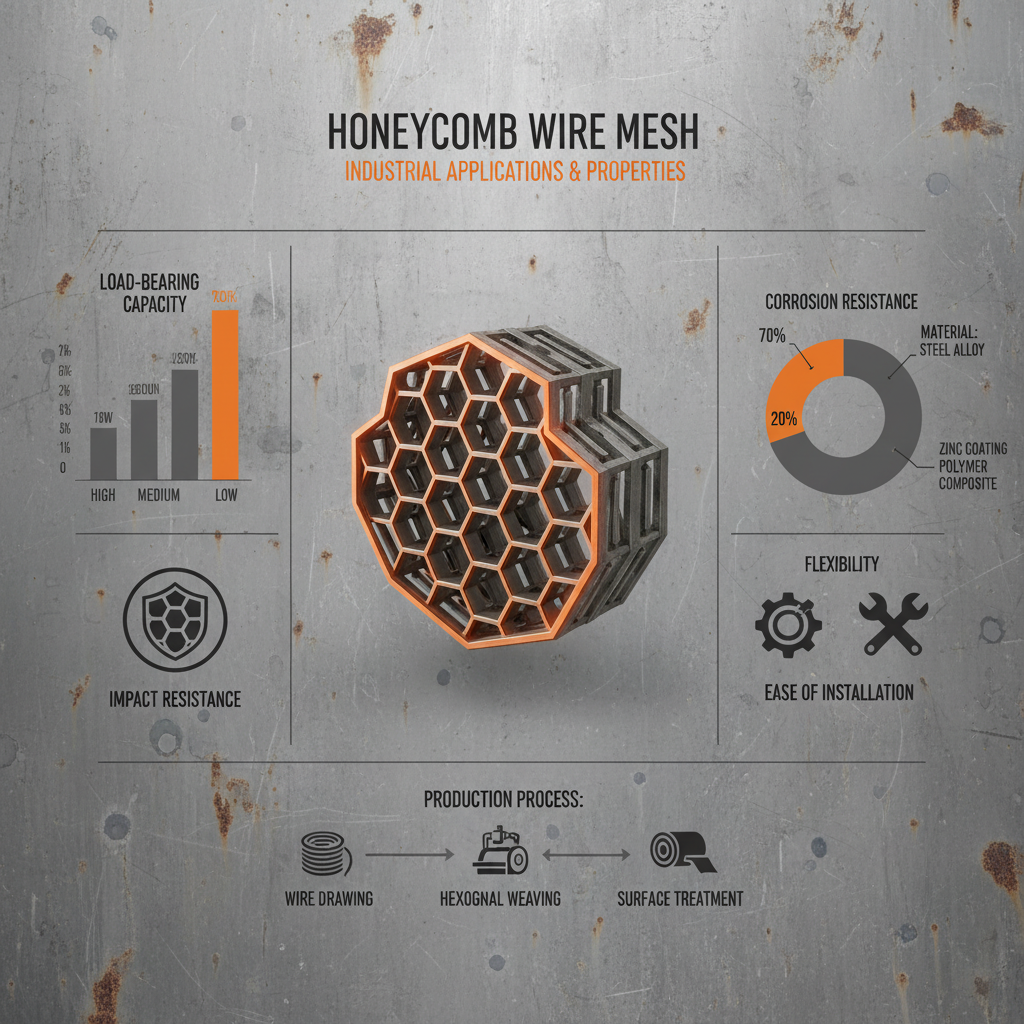
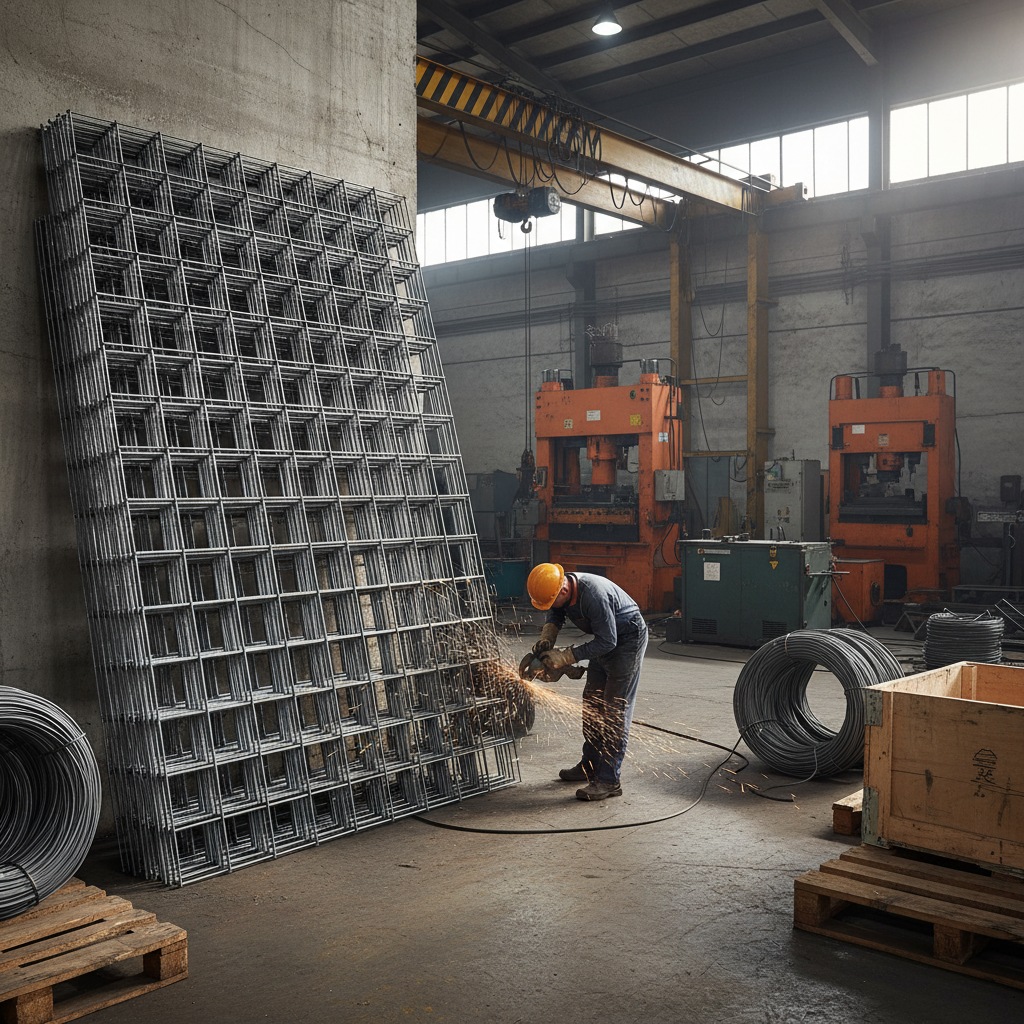
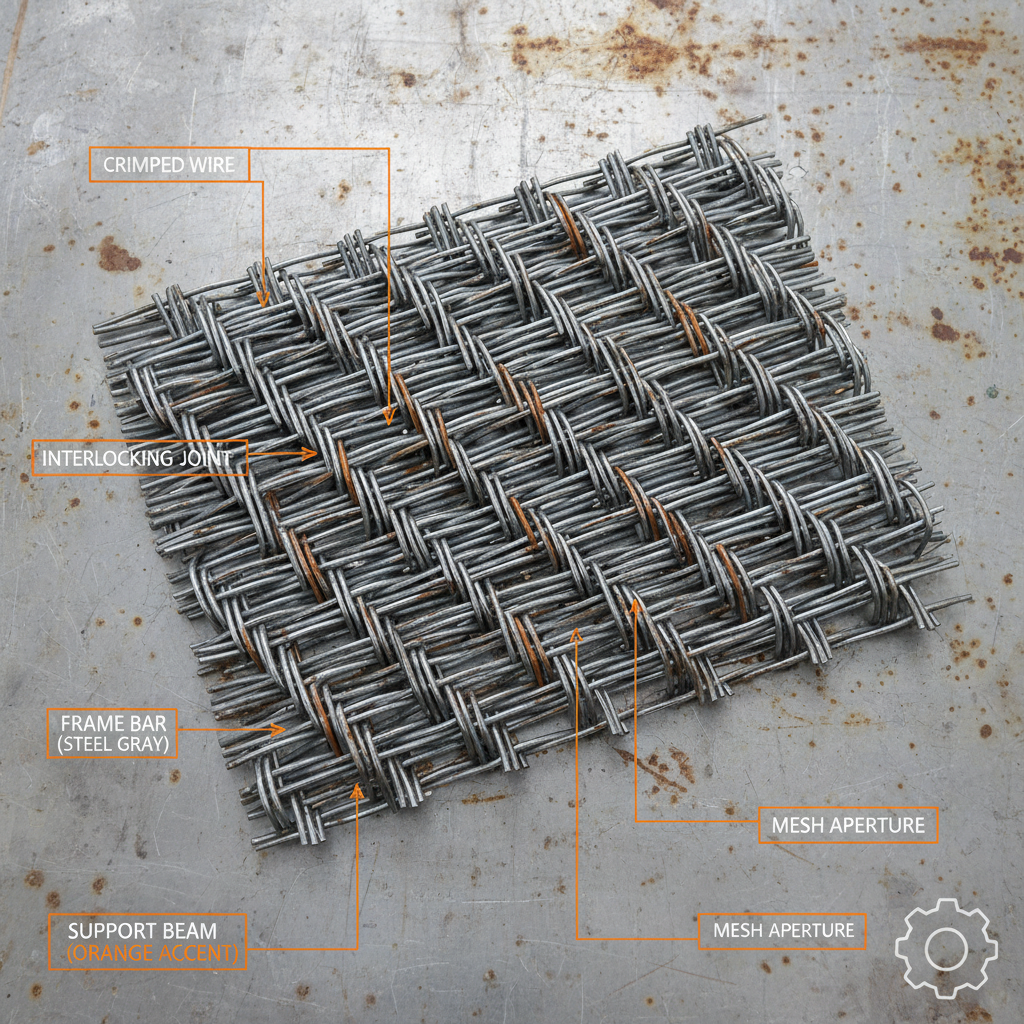
In the demanding landscape of modern industrial filtration and structural reinforcement, honeycomb wire mesh has emerged as a critical solution for engineers and architects alike. This specialized mesh, characterized by its unique hexagonal geometry, provides an unparalleled strength-to-weight ratio that allows for high structural integrity without adding unnecessary mass to a project. By mimicking the efficiency of natural honeycombs, this material addresses the dual need for durability and permeability in diverse environments.
Globally, the adoption of hexagonal structures in metalwork has accelerated as industries strive for higher efficiency and lower material waste. From aviation and aerospace to high-end architectural facades and industrial catalyst supports, the versatility of this geometry ensures that it can be tailored to specific pressure, heat, and airflow requirements. Understanding the nuances of this material is essential for any procurement professional looking to optimize their supply chain for long-term resilience.
Beyond its technical specifications, the implementation of high-quality wire mesh solutions reflects a broader industry shift toward sustainable engineering. By utilizing precision-woven or welded techniques, manufacturers can create products that last longer and require fewer replacements, directly contributing to a reduction in industrial scrap. This comprehensive guide explores the global context, technical advantages, and future innovations surrounding honeycomb wire mesh.
Global Relevance of Honeycomb Wire Mesh
On a global scale, the demand for precision-engineered metal components has seen a steady incline, with ISO standards increasingly emphasizing the balance between material weight and load-bearing capacity. The honeycomb wire mesh plays a pivotal role in this evolution, particularly in regions with booming infrastructure projects in Southeast Asia and the Middle East. By reducing the amount of raw steel required while maintaining structural rigidity, it helps companies meet stringent ESG (Environmental, Social, and Governance) targets.
The primary challenge addressed by this technology is the "efficiency gap" found in traditional square-weave meshes. Square grids often suffer from stress concentration at the joints, whereas the 120-degree angles of a hexagonal honeycomb distribute mechanical stress more evenly. This geometric advantage prevents premature fatigue and failure in high-pressure industrial environments, making it an indispensable asset for global manufacturing hubs seeking to enhance their operational uptime.
Defining the Honeycomb Structure and Meaning
In simple technical terms, honeycomb wire mesh is a metal fabric formed into a series of hexagonal cells. Unlike standard woven wire, the honeycomb pattern is designed to maximize the open area while providing multi-directional stability. This means that the mesh can resist compression and shear forces from multiple angles, which is why it is frequently compared to the biological structures found in beehives—nature's most efficient storage and support system.
From a modern industrial perspective, this mesh is more than just a fence or a filter; it is a functional engineering tool. Whether it is used in the form of stainless steel for corrosion resistance or galvanized steel for cost-effectiveness, the "meaning" of honeycomb mesh lies in its ability to provide a stable framework for other materials. It often serves as a substrate for catalysts, a core for composite panels, or a high-visibility security barrier that doesn't obstruct airflow or light.
In humanitarian and urban development contexts, the simplicity of deploying such mesh makes it ideal for rapid stabilization projects. For instance, in soil erosion control or temporary industrial partitioning, the interlocking nature of the hexagonal cells allows for a cohesive structure that is easier to transport and install than solid metal plates, bridging the gap between heavy-duty protection and lightweight agility.
Core Components and Technical Factors
When evaluating the quality of honeycomb wire mesh, the first critical factor is Material Composition. The choice between 304 or 316 stainless steel determines the mesh's resistance to oxidation and chemical attack. In harsh industrial environments, the purity of the alloy ensures that the hexagonal joints do not become points of corrosion, which would otherwise compromise the entire structural grid.
Another vital component is Cell Uniformity. The precision of the hexagonal aperture directly affects the filtration rate and the load distribution. Inconsistent cell sizes can lead to "hot spots" of stress or uneven airflow, reducing the overall efficiency of the system. High-end manufacturing processes now utilize automated welding and drawing to ensure that every single cell in the honeycomb wire mesh is identical within a micron-level tolerance.
Finally, Joint Integrity and Wire Gauge define the mesh's scalability. The thickness of the wire must be balanced against the cell size to avoid excessive weight while ensuring that the mesh can withstand the intended operational load. Whether it is a fine mesh for acoustic damping or a heavy-duty mesh for industrial flooring, the synergy between the wire diameter and the hexagonal geometry determines the product's final performance rating.
Global Applications and Use Cases
The application of honeycomb wire mesh spans across diverse sectors. In the aerospace industry, it is used as a core material for sandwich panels, providing extreme rigidity for aircraft flooring and fuselage sections without adding significant weight. In the energy sector, these meshes are often employed as supports for chemical catalysts in refineries, where they must withstand high temperatures and corrosive gases while allowing maximum fluid throughput.
In urban architecture, the mesh has found a second life as a decorative yet functional element. Modern skyscrapers in cities like Singapore and Dubai utilize hexagonal metal facades to provide shade and reduce solar heat gain while maintaining a futuristic aesthetic. Furthermore, in remote industrial zones, honeycomb wire mesh is used for heavy-duty animal enclosures and specialized warehouse partitions that require both visibility and high impact resistance.
Industrial Performance Comparison of Honeycomb Mesh Types
Advantages and Long-Term Industrial Value
The primary advantage of implementing honeycomb wire mesh is its exceptional cost-to-performance ratio. By optimizing the use of metal, companies can reduce their raw material procurement costs by up to 20% compared to solid plates, while achieving similar or superior structural results. This efficiency is not just financial; it is also operational, as the lighter weight of the mesh reduces transportation costs and speeds up installation times on-site.
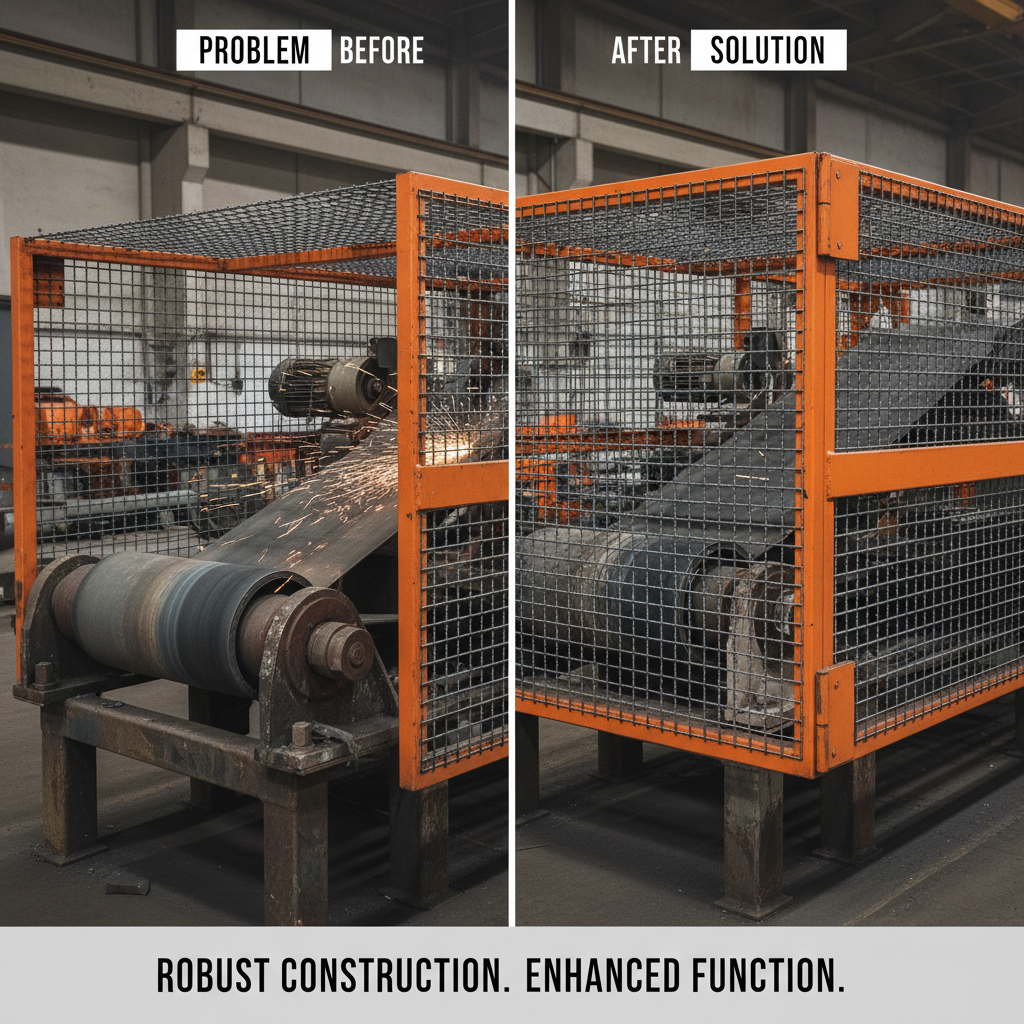
From a long-term value perspective, the reliability of the hexagonal structure reduces the frequency of maintenance cycles. In filtration applications, the mesh is less prone to "blinding" (clogging) than square meshes, ensuring a steady flow rate over longer periods. This reliability fosters a sense of trust and safety in critical infrastructure, such as sound barriers for highways or safety guards in factories, where failure is not an option.
Future Trends and Material Innovations
The future of honeycomb wire mesh is being shaped by the rise of "smart materials." Researchers are currently exploring the integration of shape-memory alloys (SMAs) into the hexagonal grid, which would allow the mesh to change its aperture size in response to temperature changes. This would revolutionize the filtration and ventilation industries, allowing systems to automatically adjust their flow rate without the need for mechanical valves.
Furthermore, the drive toward carbon neutrality is pushing the industry toward "green steel" and recycled alloys. The next generation of honeycomb mesh will likely utilize 100% recycled stainless steel, processed through hydrogen-based smelting to eliminate carbon emissions. This transition ensures that the structural benefits of the honeycomb design are matched by an eco-friendly lifecycle, appealing to the growing market of sustainable construction.
Automation and 3D metal printing are also set to disrupt traditional weaving and welding. While mass production still relies on mechanical drawing, additive manufacturing allows for the creation of "graded" honeycomb wire mesh, where the cell size varies across a single piece of material to optimize for different stress zones. This level of customization will allow for unprecedented precision in aerospace and medical implant applications.
Current Challenges and Expert Solutions
Despite its advantages, honeycomb wire mesh faces challenges regarding the complexity of its fabrication. Creating a perfectly uniform hexagonal grid requires high-precision machinery; any deviation in the angle of the wire can lead to warping during the welding process. To overcome this, expert manufacturers are implementing real-time laser monitoring systems that adjust the tension of the wire in milliseconds, ensuring total geometric accuracy.
Another common limitation is the difficulty of joining honeycomb mesh to other dissimilar materials, such as polymers or carbon fiber. Traditional welding can distort the hexagonal shape. The solution lies in the adoption of advanced industrial adhesives and ultrasonic bonding techniques, which secure the mesh without applying excessive heat, thereby preserving the integrity of the hexagonal cells.
Finally, the cost of high-grade stainless steel can be a barrier for some applications. Expert consultants recommend a "hybrid approach," where honeycomb wire mesh is used only in critical stress zones, combined with more economical materials in low-impact areas. This strategic placement maximizes the technical benefits of the honeycomb structure while keeping the total project budget under control.
Comparison of Honeycomb Mesh Specifications and Performance Metrics
| Material Grade |
Structural Rigidity |
Corrosion Resistance |
Optimal Application |
| SS304 Stainless |
High (8/10) |
Medium (7/10) |
Food Processing |
| SS316 Stainless |
Very High (9/10) |
Excellent (10/10) |
Marine Environments |
| Galvanized Steel |
Medium (6/10) |
Low (5/10) |
Agriculture/Fencing |
| Alloy 625 |
Extreme (10/10) |
Extreme (10/10) |
Chemical Reactors |
| Aluminum Alloy |
Medium (5/10) |
Medium (6/10) |
Aviation Panels |
| Coated Carbon Steel |
High (7/10) |
Medium (7/10) |
Industrial Guards |
FAQS
The strength of honeycomb wire mesh comes from its hexagonal geometry, which distributes mechanical stress more evenly across the structure. While square meshes concentrate stress at 90-degree intersections, the 120-degree angles of the honeycomb pattern prevent localized deformation and increase the overall load-bearing capacity relative to the amount of material used.
Yes, it can be highly customized. Depending on the application—whether it's for fine filtration or heavy-duty structural support—manufacturers can adjust the wire gauge and the cell diameter. Customization options typically include different alloy grades (like SS304 or SS316) and various coating finishes to meet specific environmental requirements.
Absolutely, provided the correct material is selected. For high-temperature industrial use, alloy steels or specialized nickel-based alloys are used to ensure the honeycomb wire mesh maintains its structural integrity and does not oxidize or warp under extreme thermal stress.
The open-area ratio of a hexagonal grid is typically higher than that of a woven square grid of similar strength. This allows for a more direct path for air or fluids to pass through, reducing pressure drop across the filter and increasing the overall efficiency of the ventilation or filtration system.
While galvanization provides a strong initial layer of protection, for extremely corrosive environments, we recommend applying an additional powder coating or choosing stainless steel. Regular inspection of the joints is also key, as these are the areas most susceptible to environmental wear.
In most cases, yes. By reducing the total weight of the material, you lower procurement, shipping, and installation costs. Furthermore, the increased durability and reduced maintenance needs of honeycomb wire mesh provide significant long-term savings in operational expenditure.
Conclusion
The integration of honeycomb wire mesh into industrial design represents a perfect marriage of biological efficiency and metallurgical precision. By offering a superior strength-to-weight ratio, exceptional durability, and versatile application across aerospace, architecture, and filtration, this material solves the critical challenge of maximizing performance while minimizing resource consumption. Whether through the use of high-grade stainless steel or innovative new alloys, the hexagonal structure continues to be the gold standard for structural resilience.
Looking forward, the shift toward smart materials and sustainable manufacturing will only increase the relevance of this technology. We encourage engineers and procurement officers to evaluate their current mesh solutions and consider the long-term operational advantages of upgrading to a honeycomb geometry. For high-precision, industrial-grade solutions tailored to your specific needs, visit our website: www.jinzehongmesh.com.