Look, I've spent years crawling around construction sites, getting my hands dirty with the materials that build our world. And let me tell you, when it comes to securing a site, controlling dust, or even just keeping folks safe, heavy duty wire mesh screen is absolutely critical. It’s not glamorous, but it’s the backbone of so many projects. You can't cut corners on this stuff – it impacts everything from worker safety to the final quality of the job.
We're seeing increasing demands for durability and reliability, especially with more complex construction projects and harsher environmental conditions. The days of flimsy, easily-damaged screens are gone. Everyone is looking for solutions that last, reduce maintenance, and don't need constant replacing. It directly affects project timelines and budgets, and frankly, the reputation of the whole team.
The right heavy duty wire mesh screen isn’t just about keeping things out; it’s about protecting what’s inside – the workers, the equipment, and ultimately, the integrity of the structure. It’s the unsung hero on countless sites, and getting it right is non-negotiable.
The Importance of heavy duty wire mesh screen in Modern Construction
I’ve seen projects delayed, budgets blown, and safety compromised because of subpar heavy duty wire mesh screen. It’s a foundational element of site security, dust control, and containment. We’re talking about protecting workers from falling debris, preventing materials from escaping, and ensuring the air quality is safe. Ignoring this is just bad business.
What’s changed in recent years is the scale of projects and the complexity of the environments we’re building in. We're dealing with taller structures, tighter deadlines, and increasingly stringent regulations. This demands a level of performance from wire mesh that simply wasn't necessary even a decade ago.
Defining Heavy Duty Wire Mesh Screen: Materials and Construction
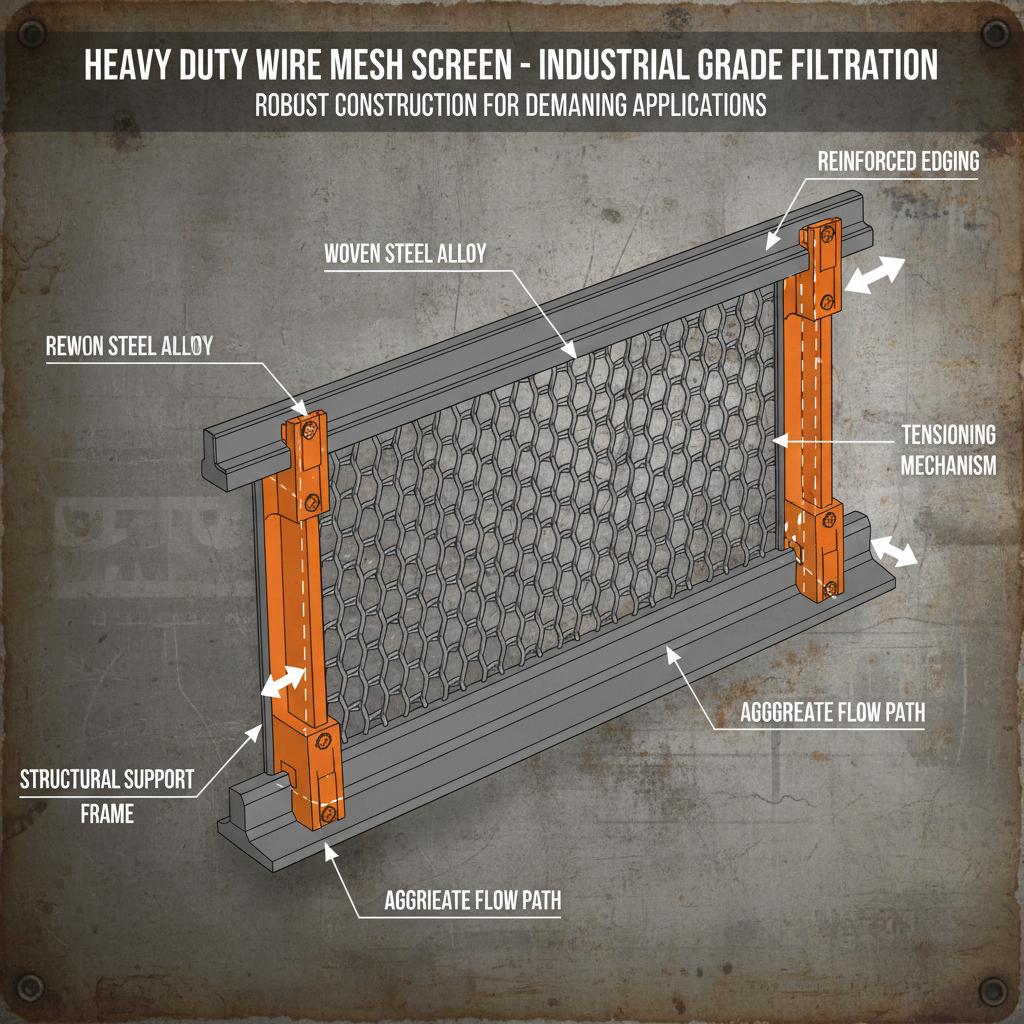
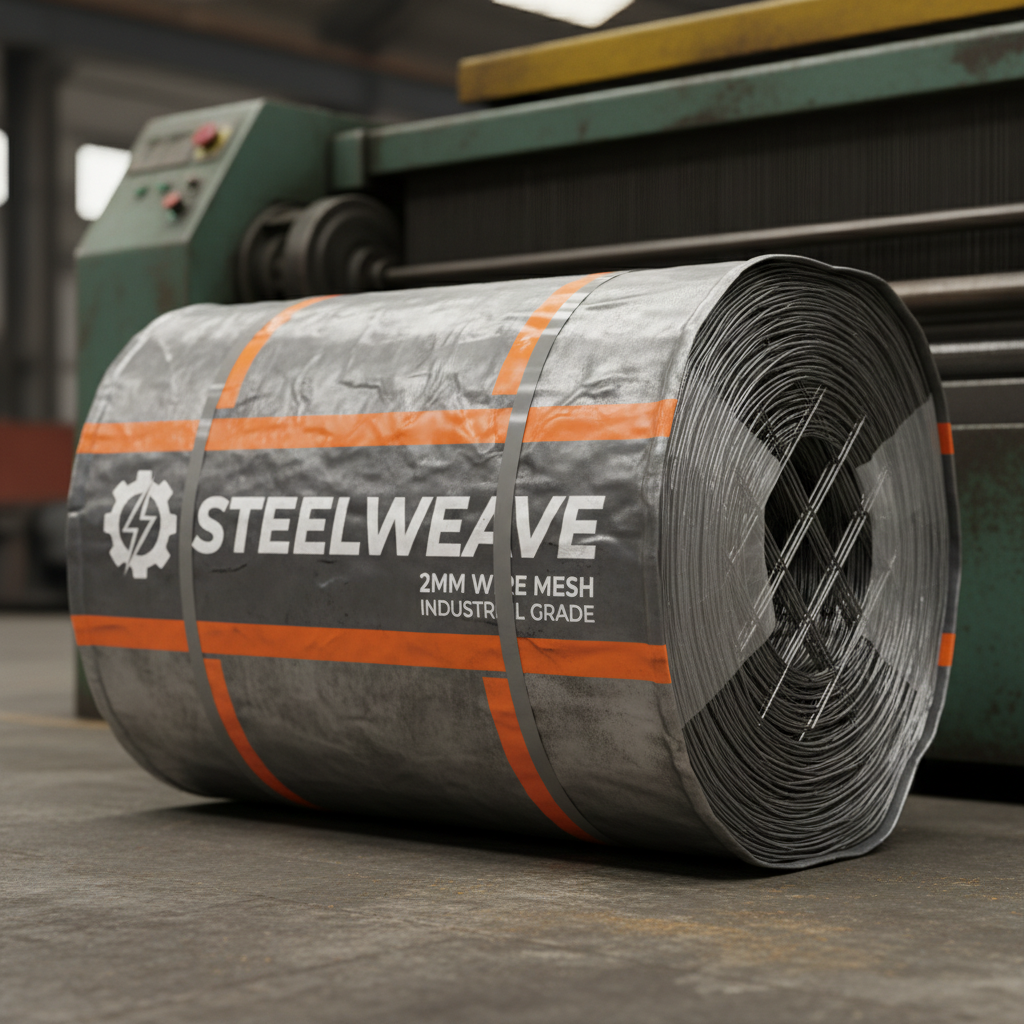
Let’s get down to brass tacks. "Heavy duty" isn't just a marketing term. It refers to specific materials and construction techniques. We're primarily talking about galvanized steel – hot-dipped galvanized is key, as it offers superior corrosion resistance – and increasingly, stainless steel for particularly harsh environments. The gauge of the wire, the aperture size, and the weaving pattern all play a role in its strength and durability.
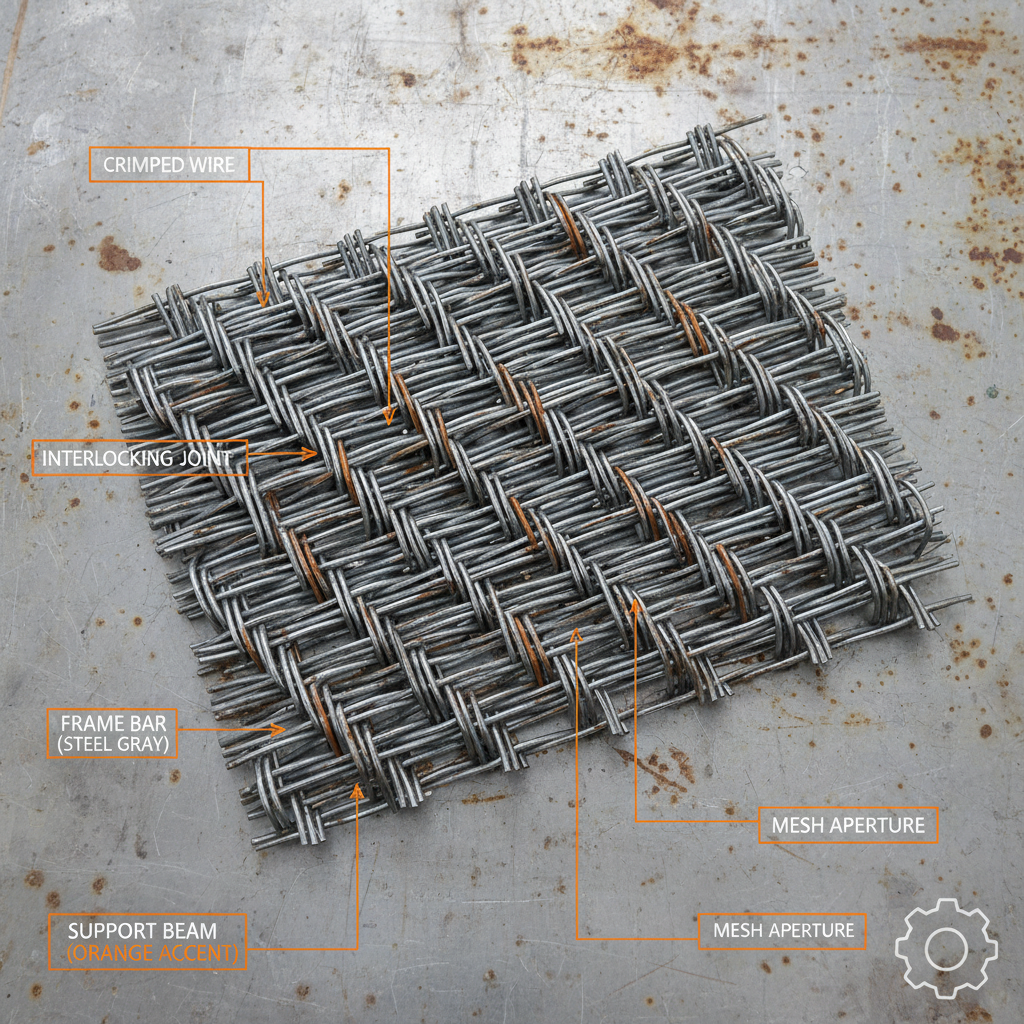
The weave itself is critical. Plain weave is common for general applications, but for higher stress situations, you’ll want to look at twilled weaves or even interlocking weaves. These offer better dimensional stability and resistance to stretching or tearing. It's all about understanding the specific forces the screen will be subjected to.
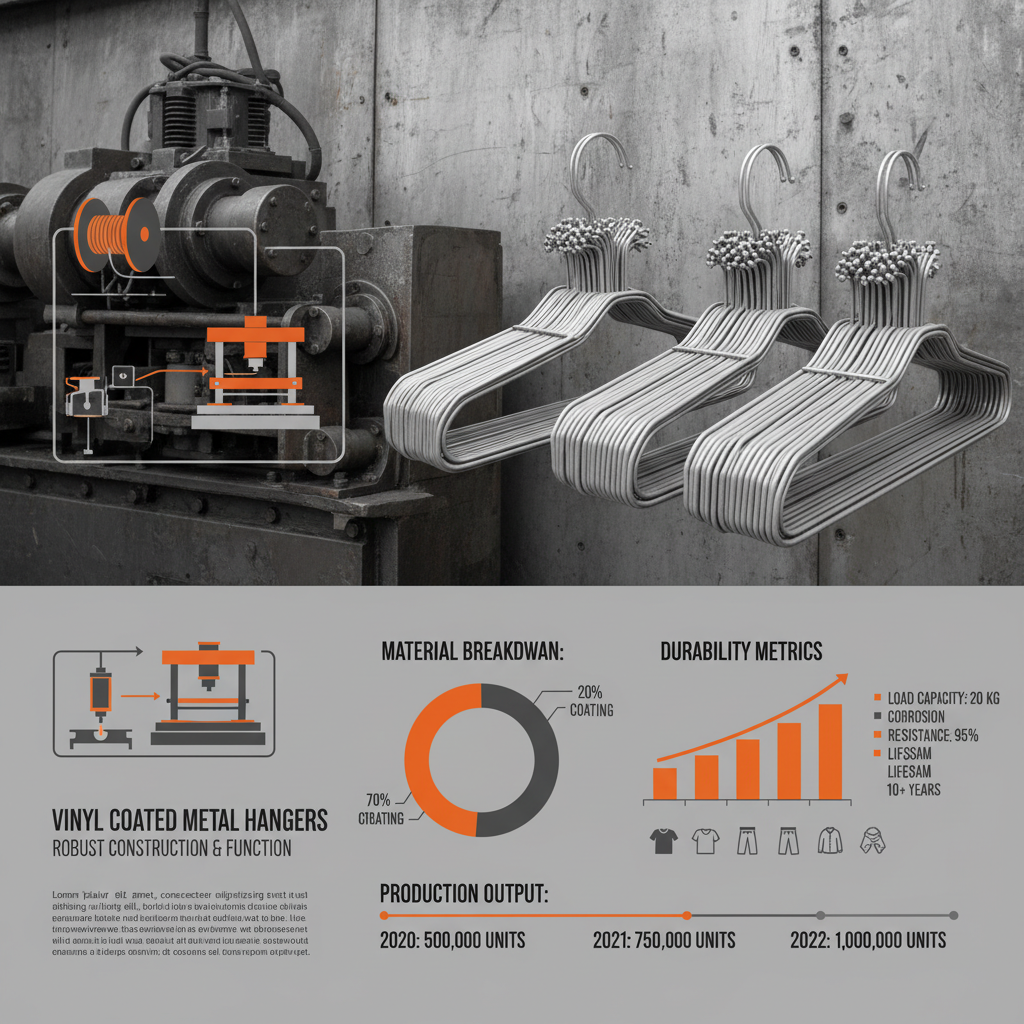
We’ve also seen advancements in coating technologies, like PVC coating, which adds an extra layer of protection against corrosion and abrasion. The right combination of material and construction method is what determines whether a screen is truly “heavy duty” and can withstand the demands of a real-world jobsite.
Key Characteristics of Robust Wire Mesh
When I'm assessing heavy duty wire mesh screen, I'm looking at a few key things. First, tensile strength – how much force can it withstand before breaking? Second, corrosion resistance – can it hold up to the elements? Third, abrasion resistance – will it survive constant rubbing and contact with materials?
Dimensional stability is another big one. You don’t want a screen that stretches or warps over time, creating gaps or compromising its integrity. And finally, ease of installation is crucial. If it’s a pain to put up, it's going to cost you time and money, and potentially create safety hazards.
These characteristics aren't just theoretical; they directly impact the lifespan of the screen and its overall cost-effectiveness. Investing in a high-quality screen upfront can save you a lot of headaches – and money – down the road.
Real-World Applications Across Industries
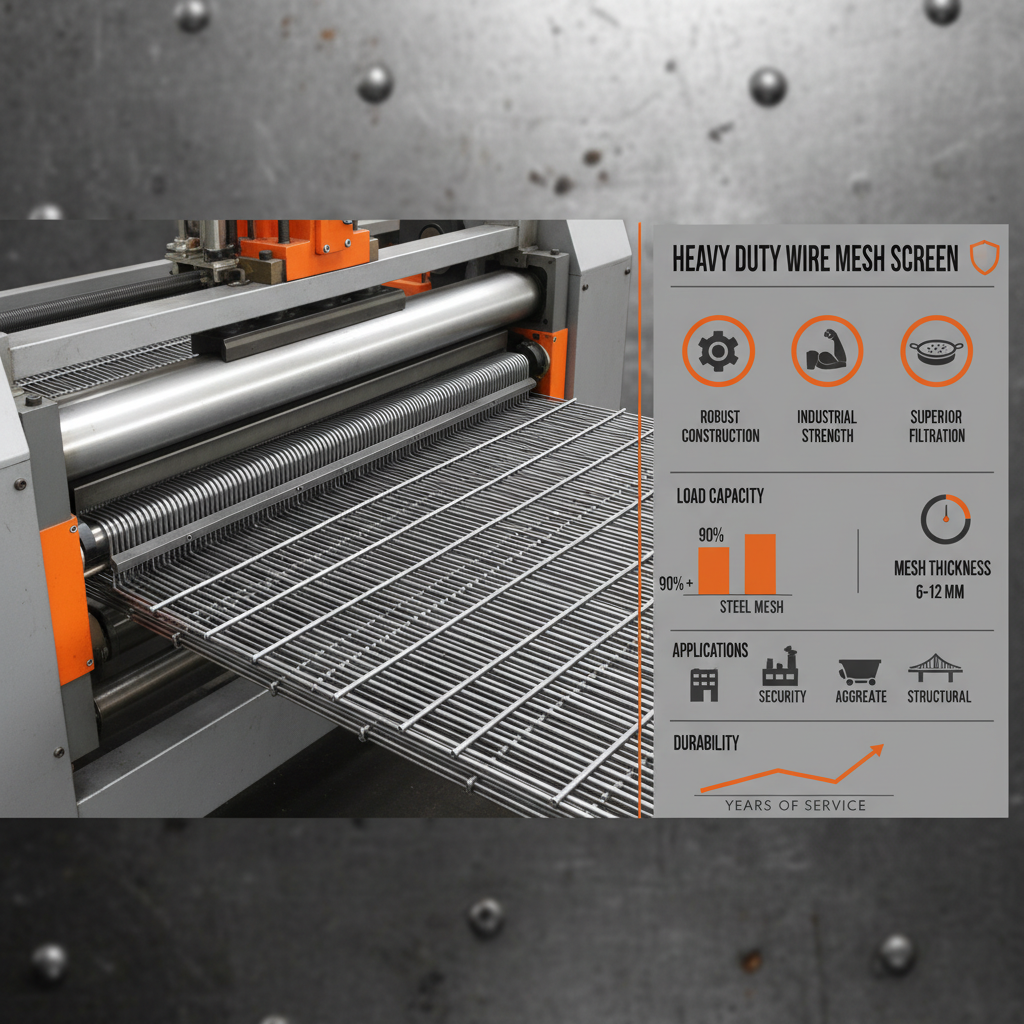
You see heavy duty wire mesh screen everywhere. Construction is the obvious one, for site perimeter fencing, debris netting, and worker protection. But it's also huge in mining, where it’s used for screening materials and preventing rockfalls. In agriculture, it protects crops from pests and weather damage.
We're seeing increased use in infrastructure projects too – things like bridge repairs and tunnel construction. And even in specialized applications like sound barriers along highways, heavy duty wire mesh plays a critical role. It's a remarkably versatile product.
heavy duty wire mesh screen Application Breakdown
The Long-Term Value Proposition: Cost, Safety & Sustainability
Sure, a cheaper screen might seem appealing upfront, but trust me, it's a false economy. You'll end up replacing it more often, increasing labor costs, and potentially exposing your team to safety risks. A properly specified heavy duty wire mesh screen is a long-term investment.
Beyond cost, there's the safety aspect. A failure in the screen can lead to serious injuries. And increasingly, we're seeing a focus on sustainability. Choosing durable, long-lasting materials reduces waste and minimizes the environmental impact of the project.
Emerging Trends and Technological Advancements
We’re starting to see more innovation in wire mesh coatings, specifically those that offer improved UV resistance and self-cleaning properties. This reduces maintenance and extends the lifespan of the screen. There's also research into new alloys that offer even greater strength and corrosion resistance.
Digital integration is another trend. Some manufacturers are now incorporating RFID tags into the mesh, allowing for easier tracking and inventory management. This is particularly useful on large-scale projects where managing materials can be a logistical nightmare.
Challenges and Solutions in Wire Mesh Implementation
One of the biggest challenges is proper installation. Even the best screen will fail if it's not installed correctly. This requires trained personnel and attention to detail. Another issue is dealing with uneven terrain or complex structures, which can make installation difficult.
The solution? Detailed site assessments, proper planning, and the use of appropriate installation techniques. Working closely with the manufacturer to get their recommendations is also crucial. And don't skimp on training – ensure your team understands the best practices for installation and maintenance.
Finally, corrosion in harsh environments is always a concern. Regular inspection and maintenance, along with the use of corrosion-resistant materials, are essential for maximizing the lifespan of the screen.
Summary of Key Challenges and Solutions for Implementing Heavy Duty Wire Mesh Screen
| Challenge |
Impact on Project |
Recommended Solution |
Cost Estimate (Implementation) |
| Improper Installation |
Reduced lifespan, safety hazards |
Certified installer training, detailed instructions |
$500 - $1,500 |
| Corrosion in Harsh Environments |
Weakened mesh, frequent replacement |
Stainless steel or PVC-coated mesh, regular inspections |
$1,000 - $3,000 (material upgrade) |
| Uneven Terrain/Complex Structures |
Difficult installation, compromised structural integrity |
Custom fabrication, reinforced support structures |
$2,000 - $5,000 |
| Material Degradation (UV Exposure) |
Brittle mesh, reduced effectiveness |
UV-resistant coatings, regular maintenance |
$300 - $800 (coating application) |
| Inadequate Mesh Strength |
Screen failure, safety risks |
Increase wire gauge, choose a higher tensile strength mesh |
$500 - $2,000 (material upgrade) |
| Poor Material Selection |
Short lifespan, high replacement costs |
Consult with experts, consider environmental factors |
$0 - $1,000 (expert consultation) |
FAQS
Galvanized steel offers good corrosion resistance for general applications, thanks to its zinc coating. However, stainless steel provides superior protection in harsh environments, like coastal areas or chemical processing plants. Stainless steel is more expensive upfront, but its longer lifespan and reduced maintenance often make it more cost-effective in the long run. I always recommend stainless steel when dealing with chlorides or other corrosive agents.
Aperture size (the size of the openings in the mesh) is critical. Larger apertures allow for greater airflow or visibility, but offer less containment. Smaller apertures provide better containment but can restrict airflow. You need to consider what you’re trying to contain or exclude. For dust control, a smaller aperture is generally better. For debris netting, a larger aperture might be sufficient. Always consult with a materials engineer for critical applications.
Uneven ground requires careful planning. You'll likely need to use a combination of support posts, tension wires, and potentially, ground anchors. The goal is to create a smooth, taut surface that can withstand wind loads and prevent sagging. Consider using a flexible mesh that can conform to the contours of the ground, and ensure adequate overlap at seams. Proper bracing is key.
Regular inspections are essential. Look for signs of corrosion, tears, or loose connections. Clean the mesh periodically to remove dirt and debris, especially in dusty environments. For galvanized steel, you can apply a protective coating to extend its lifespan. And if you find any damage, repair it promptly to prevent it from worsening.
Absolutely. Choosing recycled materials is a good start. Also, selecting a durable, long-lasting mesh reduces the need for frequent replacements, minimizing waste. Look for manufacturers who prioritize sustainable production practices. There's a growing demand for environmentally friendly materials, and the industry is responding.
Accurate calculations are critical to avoid overspending or running short. Measure the area you need to cover, accounting for any overlaps or necessary anchoring. Consider the height and length of the fence or barrier, and add extra material for adjustments. It's always better to overestimate slightly than to underestimate. Consult with a supplier to get help with calculating quantities.
Conclusion
From the ground up, heavy duty wire mesh screen is a vital component of countless projects. It’s not just about keeping things in or out; it’s about safety, durability, cost-effectiveness, and increasingly, sustainability. Understanding the materials, construction techniques, and proper installation methods is crucial for ensuring a successful outcome.
Don’t underestimate the importance of this often-overlooked material. Investing in quality wire mesh upfront will save you time, money, and potential headaches down the road. And if you’re looking for reliable, high-performance solutions, visit our website at www.jinzehongmesh.com. We've got the experience and the products to meet your needs.