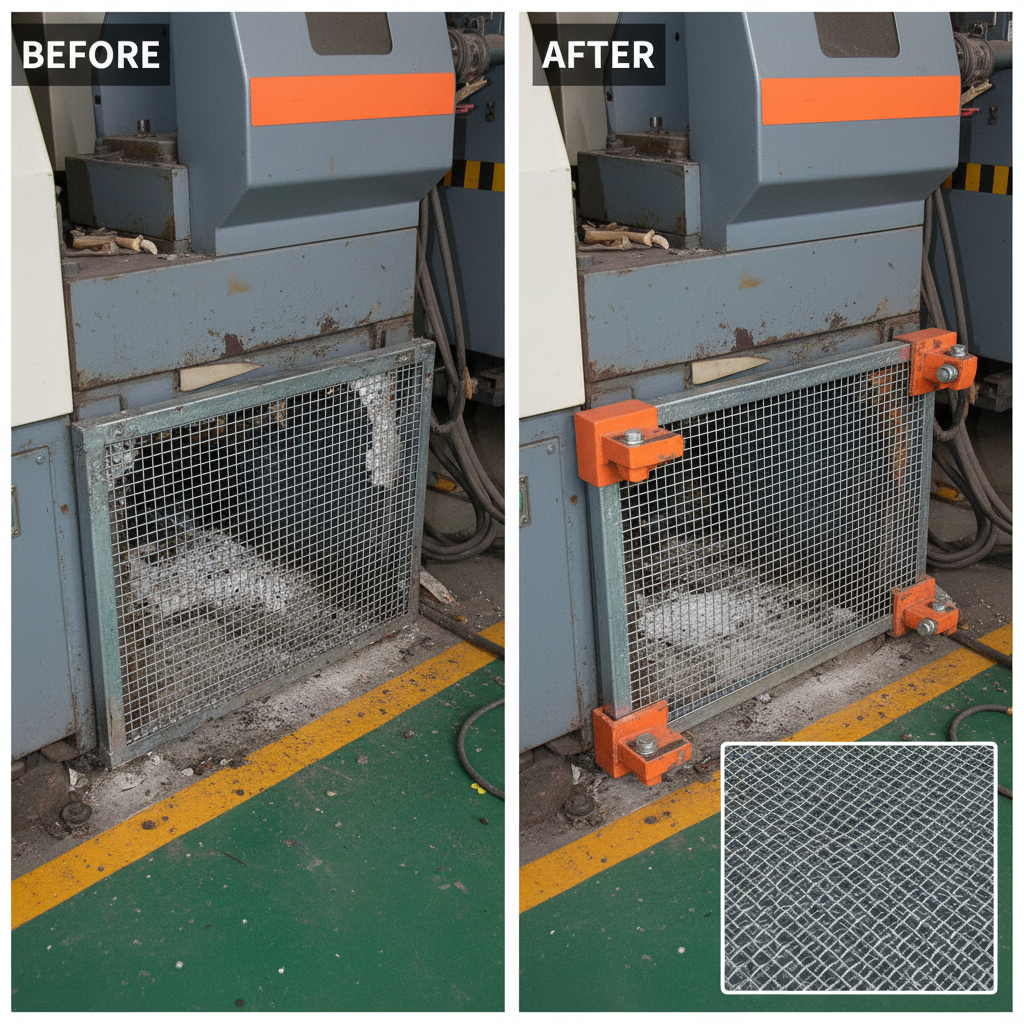
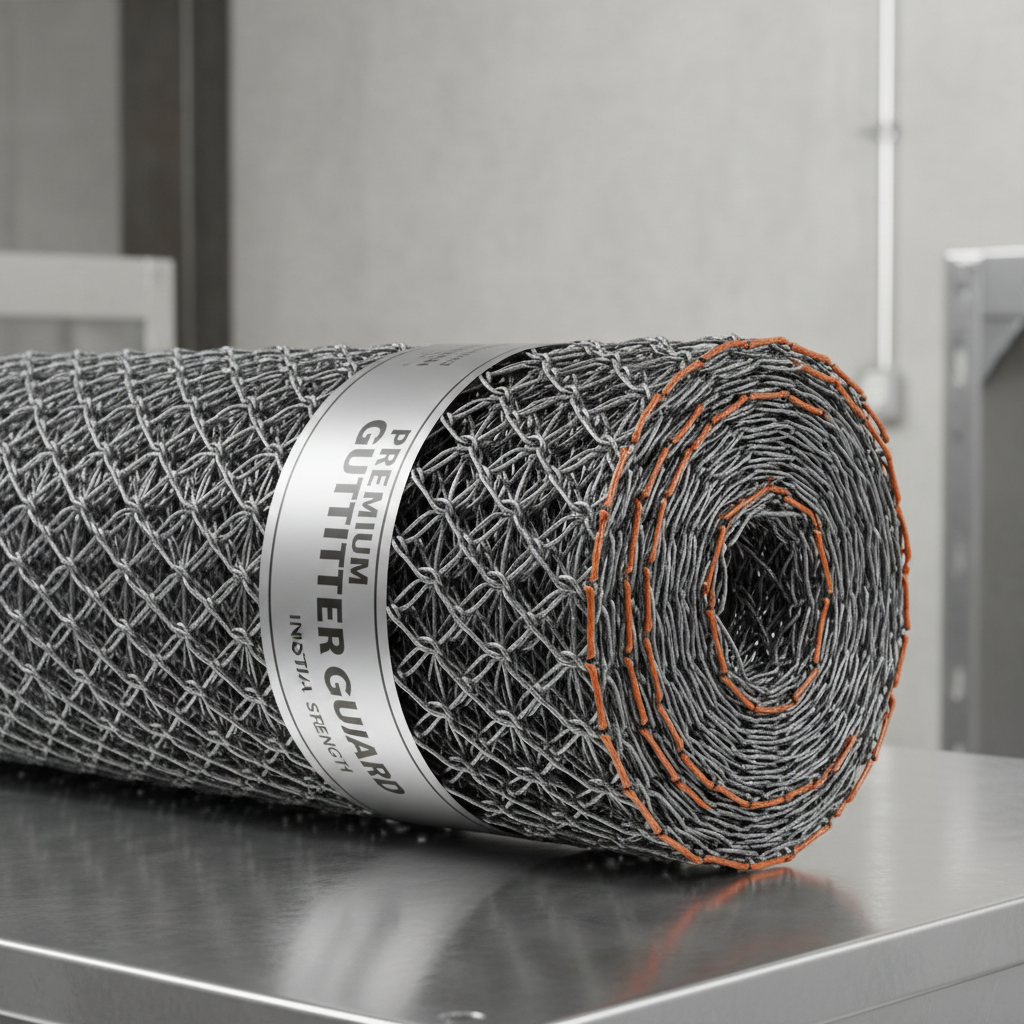
Banker metal mesh, a versatile and robust material, plays a critical role in a multitude of industries, from filtration and security to architectural design and industrial processing. This specialized woven wire mesh offers a unique combination of strength, permeability, and durability, making it an ideal solution for applications requiring precise opening sizes and consistent performance. Understanding the properties and applications of banker metal mesh is essential for engineers, architects, and procurement professionals seeking high-quality materials for demanding projects.
The global demand for advanced filtration and separation technologies is driving significant growth in the banker metal mesh market. Increasingly stringent environmental regulations and the need for improved process efficiency are key factors fueling this demand. Moreover, the architectural sector is recognizing the aesthetic appeal and functional benefits of banker metal mesh in creating innovative building facades and interior designs. This material isn't merely a component; it's an enabler of safer, more efficient, and more aesthetically pleasing solutions.
At Jinzehong Mesh, we specialize in the production of high-quality banker metal mesh, tailored to meet the specific needs of our clients. Our commitment to precision manufacturing, coupled with our extensive materials expertise, ensures that our customers receive products that deliver exceptional performance and long-term value.
Understanding the Fundamentals of Banker Metal Mesh
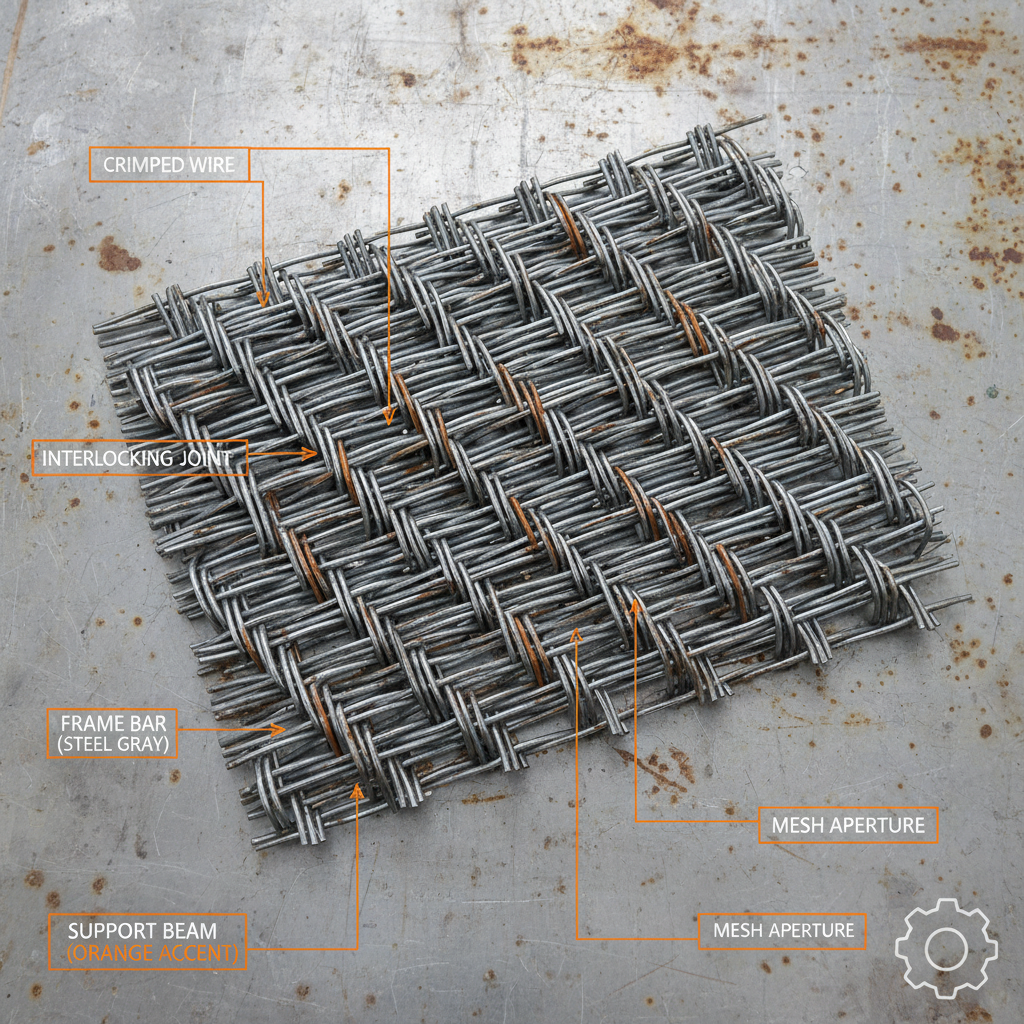
Banker metal mesh, often referred to as woven wire mesh or filtration fabric, is created through a precise weaving process using metallic wires. The core principle lies in interlacing warp and weft wires to create a stable and permeable structure. The resulting mesh exhibits consistent aperture sizes, making it ideal for applications where precise separation or filtration is critical. Banker metal mesh isn’t a single, monolithic product; its properties are defined by the wire material, weave pattern, and wire diameter.
The significance of this technology extends beyond simple filtration. It's a crucial component in numerous industrial processes, contributing to efficiency, product quality, and safety. From purifying water and air to separating solids from liquids, banker metal mesh offers a versatile solution across a wide spectrum of applications.
The Manufacturing Process and Material Options
The production of banker metal mesh begins with the selection of appropriate wire materials. Common choices include stainless steel (304, 316, 316L), nickel alloys, titanium, and monel, each offering unique characteristics in terms of corrosion resistance, temperature tolerance, and tensile strength. The weaving process typically involves automated looms that interlace the wires with meticulous precision. Different weave patterns, such as plain weave, twill weave, and Dutch weave, are employed to achieve specific mesh characteristics.
The choice of material directly impacts the performance and longevity of the mesh. Stainless steel is widely used due to its excellent corrosion resistance and affordability. Nickel alloys are preferred for high-temperature applications, while titanium offers superior strength-to-weight ratio and biocompatibility. Selecting the right material is crucial for ensuring the banker metal mesh can withstand the demands of its intended application.
Post-weaving processes may include cleaning, annealing (to relieve stress), and finishing treatments to enhance the mesh's surface properties and dimensional stability. Jinzehong Mesh utilizes state-of-the-art manufacturing techniques to guarantee consistent quality and adherence to stringent industry standards.
Key Characteristics: Permeability and Strength
Permeability and strength are two paramount characteristics of banker metal mesh. Permeability refers to the mesh’s ability to allow fluids or gases to pass through, while strength denotes its resistance to deformation or breakage under load. These properties are intrinsically linked to the weave pattern, wire diameter, and material composition. A finer mesh with smaller aperture sizes typically exhibits lower permeability but higher filtration efficiency. Conversely, a coarser mesh offers higher permeability but reduced filtration capabilities.
The tensile strength of banker metal mesh is crucial for applications involving high pressures or mechanical stress. Stainless steel meshes are renowned for their exceptional tensile strength and resistance to fatigue. However, the strength can be further enhanced through heat treatment or alloy selection. Jinzehong Mesh offers a wide range of banker metal mesh options with varying permeability and strength characteristics to cater to diverse customer requirements.
Understanding the interplay between permeability and strength is vital for optimizing the performance of banker metal mesh in specific applications. Engineers carefully consider these parameters when designing filtration systems, separation processes, or structural components.
Diverse Applications of Banker Metal Mesh
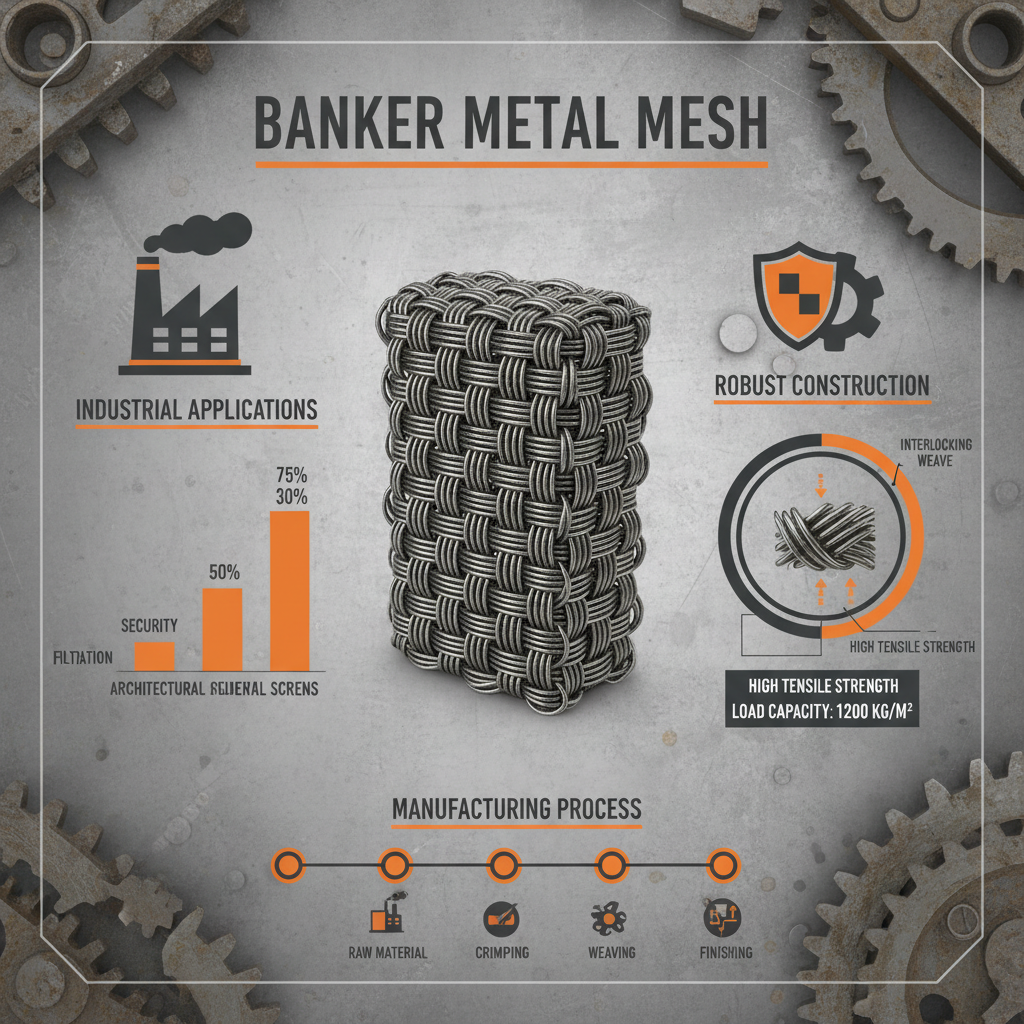
The versatility of banker metal mesh allows it to be employed across a broad spectrum of industries. In the chemical processing industry, it’s used for filtration, separation, and catalyst support. Within the pharmaceutical sector, it plays a critical role in sterilizing and purifying liquids and gases. In the food and beverage industry, it’s utilized in filtering and screening processes.
Architectural applications of banker metal mesh are gaining prominence, with its use in building facades, sunshades, and interior design elements. The material’s aesthetic appeal, combined with its functional benefits (such as solar control and ventilation), makes it an attractive choice for modern building designs. In the automotive industry, banker metal mesh is used in air filters, fuel filters, and exhaust systems.
Furthermore, banker metal mesh finds applications in security fencing, electromagnetic shielding, and specialized industrial filters. Its adaptability makes it a valuable material for solving complex engineering challenges across diverse fields.
Banker Metal Mesh Application Breakdown
Advantages and Cost Considerations
Banker metal mesh offers a compelling combination of advantages, including durability, longevity, high permeability, and precise filtration capabilities. Its resistance to corrosion and extreme temperatures ensures long-term performance in harsh environments. The ability to customize mesh specifications to meet specific application requirements provides added flexibility.
While the initial cost of banker metal mesh may be higher compared to some alternative materials, its long lifespan, reduced maintenance requirements, and enhanced performance often result in lower total cost of ownership. Jinzehong Mesh is committed to providing competitive pricing without compromising on quality.
Global Trends and Innovations in Banker Metal Mesh
The banker metal mesh industry is witnessing several key trends, including the development of new alloys with enhanced properties, the adoption of advanced weaving technologies, and the integration of smart sensors for real-time monitoring of mesh performance. Researchers are exploring the use of nanotechnology to create self-cleaning and anti-fouling mesh coatings.
Furthermore, there’s growing emphasis on sustainable manufacturing practices and the use of recycled materials in the production of banker metal mesh. The demand for lightweight and high-strength meshes is driving innovation in material science and engineering.
These advancements are paving the way for even more sophisticated and efficient applications of banker metal mesh in the years to come.
Quality Control and Performance Metrics
Maintaining stringent quality control is paramount in the production of banker metal mesh. Jinzehong Mesh employs a comprehensive quality management system that encompasses every stage of the manufacturing process, from raw material sourcing to final product inspection. Key performance metrics include aperture size, wire diameter, tensile strength, permeability, and corrosion resistance.
Non-destructive testing methods, such as visual inspection, dimensional analysis, and microscopic examination, are used to ensure that the mesh meets the required specifications. Furthermore, we conduct rigorous performance testing to validate the mesh’s ability to withstand the demands of its intended application.
Our commitment to quality ensures that our customers receive banker metal mesh products that deliver consistent performance and long-term reliability.
Key Performance Indicators for Banker Metal Mesh Quality
| Mesh Type |
Aperture Size (μm) |
Tensile Strength (MPa) |
Permeability (m³/s/m²) |
| Stainless Steel 304 |
25 |
550 |
0.0015 |
| Stainless Steel 316L |
10 |
600 |
0.0008 |
| Nickel Alloy 200 |
50 |
400 |
0.0020 |
| Titanium Grade 2 |
15 |
700 |
0.0012 |
| Monel 400 |
30 |
500 |
0.0018 |
| Stainless Steel 316 |
75 |
580 |
0.0025 |
FAQS
The cost of banker metal mesh is influenced by several factors, including the material type (stainless steel, nickel alloy, titanium, etc.), wire diameter, mesh count (aperture size), weave pattern, and order quantity. More specialized materials and tighter tolerances typically increase the price. Jinzehong Mesh strives to offer competitive pricing while maintaining high quality.
Selecting the right mesh count depends on the size of the particles or materials you need to filter or separate. A higher mesh count indicates smaller openings, providing finer filtration. Consider the required level of precision and the potential for clogging when choosing a mesh count. We can assist you in selecting the optimal mesh count based on your specific application.
Banker metal mesh can offer excellent corrosion resistance depending on the material used. Stainless steel (especially 316 and 316L) is highly resistant to corrosion in many environments. Nickel alloys and titanium provide even greater resistance to aggressive chemicals and extreme temperatures. The choice of material should be based on the specific corrosive environment.
Yes, Jinzehong Mesh offers custom fabrication services to meet your specific dimensional and shape requirements. We can cut, form, weld, and finish banker metal mesh to your exact specifications. This allows for seamless integration into your application without the need for further processing.
The lead time for custom banker metal mesh orders varies depending on the complexity of the fabrication, the quantity required, and our current production schedule. We typically provide a detailed lead time estimate with each quote. We strive to fulfill orders as quickly and efficiently as possible without compromising quality.
To ensure the longevity and performance of banker metal mesh, store it in a clean, dry environment away from direct sunlight and corrosive materials. Protect it from physical damage and contamination. If the mesh is to be stored for an extended period, consider wrapping it in protective packaging to prevent dust accumulation and corrosion.
Conclusion
In conclusion, banker metal mesh stands as a critical material in numerous industries, offering a unique blend of strength, permeability, and durability. Its adaptability allows for diverse applications, ranging from filtration and separation to architectural design and security. Understanding the nuances of material selection, weave patterns, and quality control is essential for maximizing the performance and longevity of banker metal mesh.
Looking ahead, continued innovation in material science and manufacturing technologies will undoubtedly unlock even more potential applications for banker metal mesh. As industries seek sustainable and efficient solutions, the demand for high-quality, customized wire mesh products will continue to grow. We at Jinzehong Mesh are committed to remaining at the forefront of this industry, providing our customers with the expertise and products they need to succeed. Visit our website at www.jinzehongmesh.com to learn more about our capabilities and discuss your specific requirements.