In the diverse landscape of industrial filtration and security, the wire mesh grille stands as a fundamental component that bridges the gap between structural integrity and functional openness. Whether used for ventilation, protection, or aesthetic architectural elements, these grilles provide a critical balance of airflow and physical security, making them indispensable across various manufacturing sectors globally.
Understanding the nuances of wire mesh grille selection is not merely a technical requirement but a strategic advantage for businesses aiming to optimize safety and efficiency. From the precision of stainless steel woven structures to the ruggedness of welded wire mesh, the right choice of material and weave can significantly extend the lifespan of industrial equipment and improve the safety standards of a facility.
As global industrial standards evolve toward higher sustainability and durability, the role of the wire mesh grille has expanded. Today, it is not just a barrier but a sophisticated engineering solution integrated into sound barriers, custom trays, and decorative facades, ensuring that modern infrastructure remains breathable, secure, and visually appealing.
Global Relevance of Wire Mesh Grille
On a global scale, the demand for high-quality wire mesh grille systems is driven by the rapid expansion of urban infrastructure and industrialization in emerging economies. According to ISO standards for metal products, the precision of mesh apertures and the corrosion resistance of materials are paramount to ensuring the safety of public and private installations, ranging from HVAC ventilation to high-security perimeter fencing.
The challenge often lies in the tension between openness and protection. Many industries struggle with "air-starvation" in machinery or "security breaches" in architectural openings. By implementing a scientifically designed wire mesh grille, engineers can maintain critical airflow and visibility while preventing the ingress of debris or unauthorized personnel, thus reducing maintenance costs and operational downtime.
Defining the Wire Mesh Grille in Modern Industry
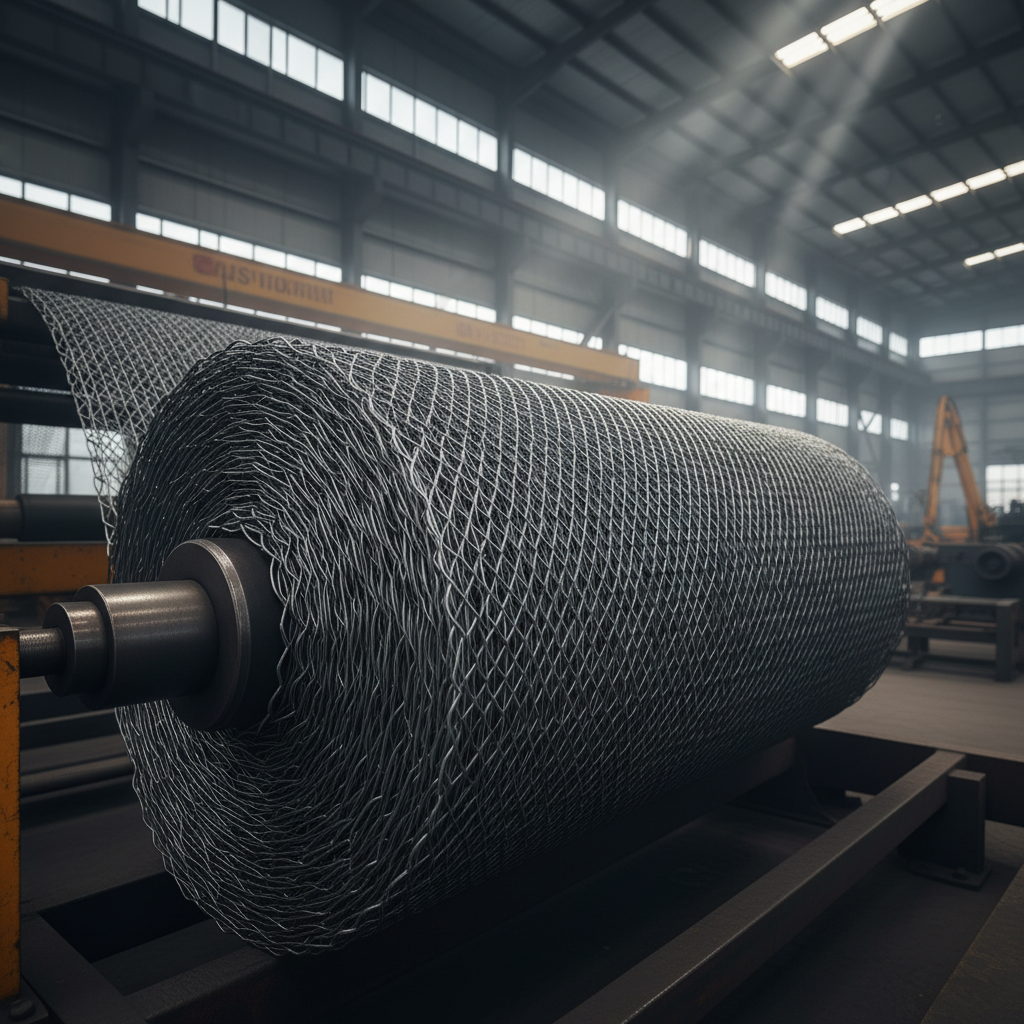
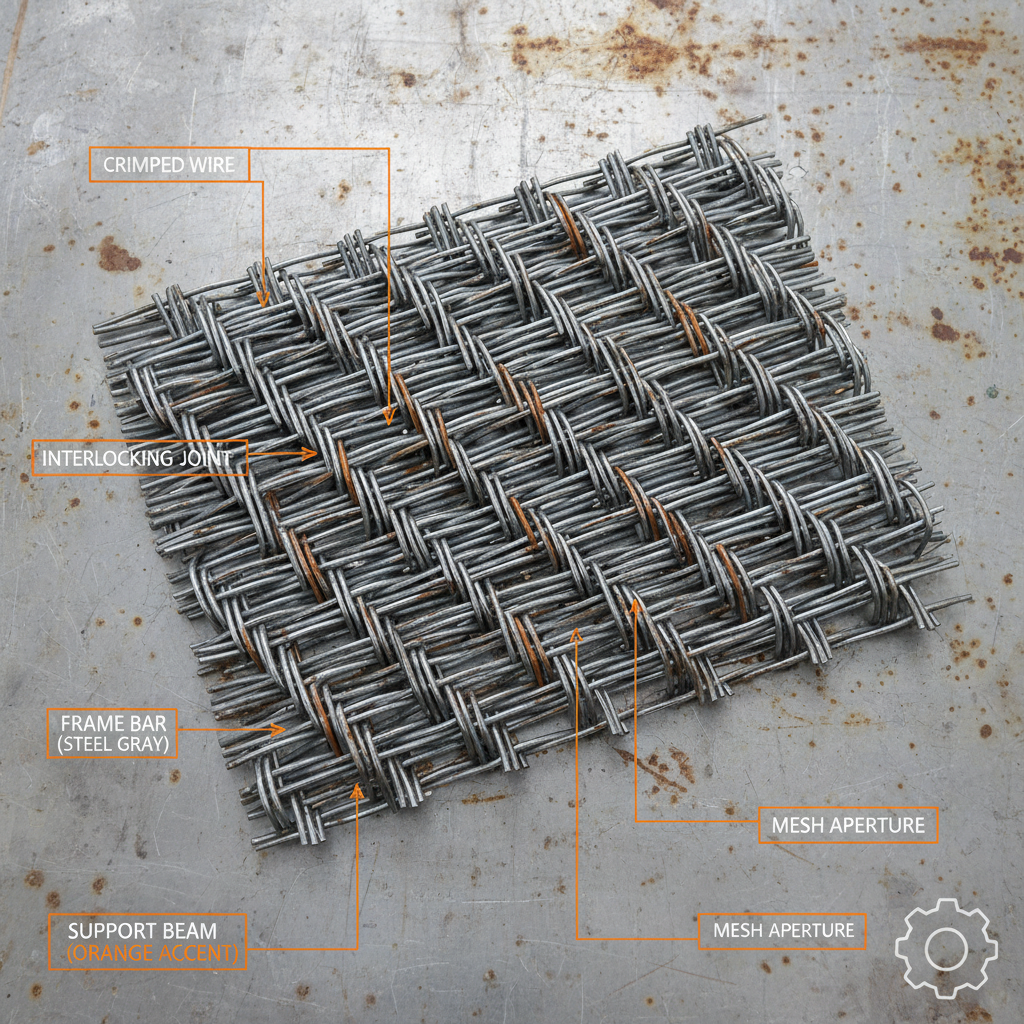
At its most basic level, a wire mesh grille is a structured network of intersecting metal wires, typically welded or woven, designed to act as a semi-permeable barrier. Unlike solid plates, these grilles allow for the passage of air, light, and liquids while blocking larger objects. In the context of the metal products industry, this includes a vast array of specifications, from fine stainless steel woven mesh to heavy-duty galvanized welded grids.
In modern industry, this component has evolved from a simple "screen" into a precision-engineered tool. For instance, in the automotive and aerospace sectors, these grilles are utilized for heat dissipation and engine protection, where the mesh size is calculated to a fraction of a millimeter to balance aerodynamic efficiency with particulate filtration.
Beyond technical specs, the wire mesh grille serves a humanitarian and safety purpose. In residential and commercial architecture, they provide a non-intrusive way to secure windows and vents, ensuring that occupants have access to natural ventilation without compromising the security of the building, effectively blending safety with livability.
Core Components of High-Performance Grilles
The durability of a wire mesh grille is primarily determined by its material composition. Stainless steel (such as 304 or 316 grades) is the gold standard for environments prone to corrosion, while galvanized steel offers a cost-effective solution for general industrial use. The choice of material directly impacts the product's ability to withstand oxidation and chemical exposure.
Scalability and customization are the next critical factors. A high-quality wire mesh grille can be tailored in terms of aperture size, wire diameter, and frame thickness. This flexibility allows the same core technology to be applied to a small custom wire mesh tray for laboratory use or a massive sound barrier for a highway project, ensuring the product meets the specific load-bearing and filtration requirements of the project.
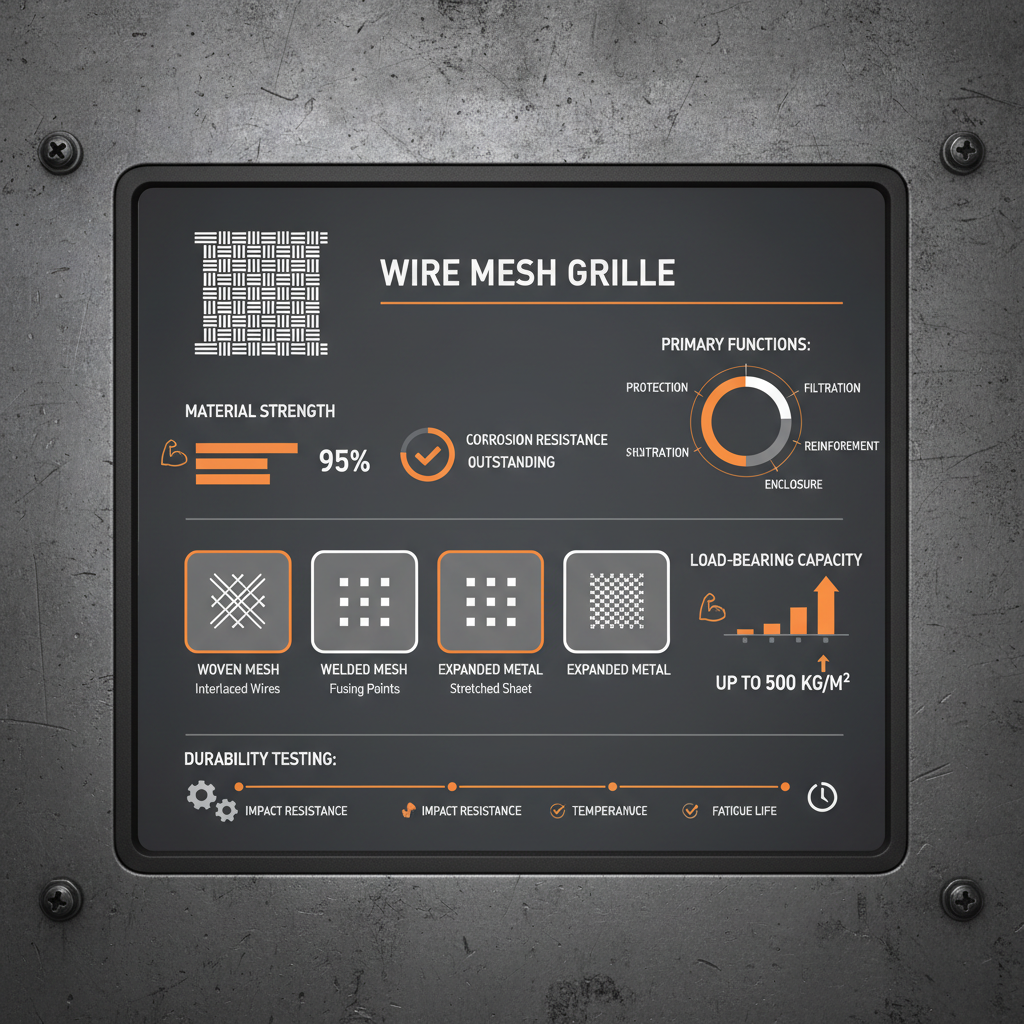
Finally, the method of joining—whether through resistance welding or precision weaving—determines the structural rigidity. Welded grilles provide superior stability and are ideal for load-bearing applications, whereas woven structures offer greater flexibility and are often used for fine filtration or decorative purposes, providing long-term value through their adaptability.
Practical Applications and Global Use Cases
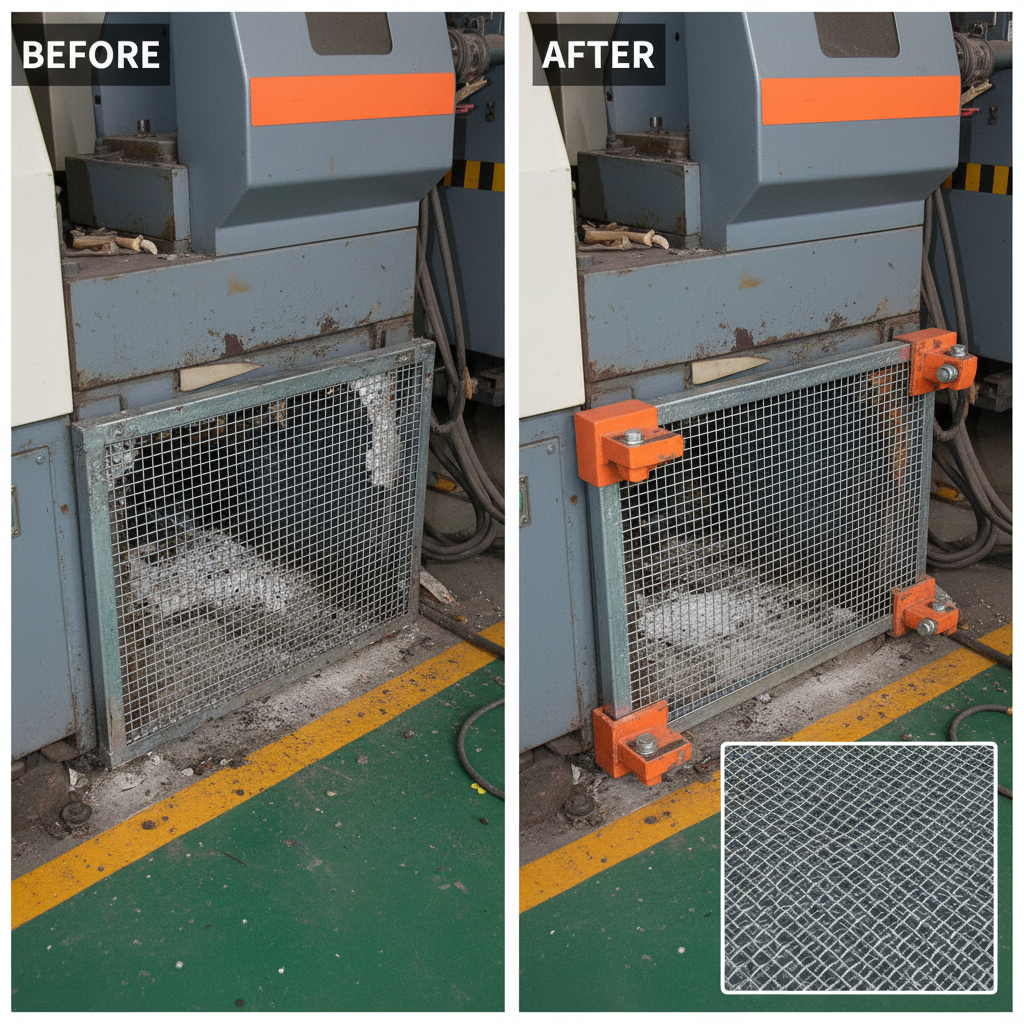
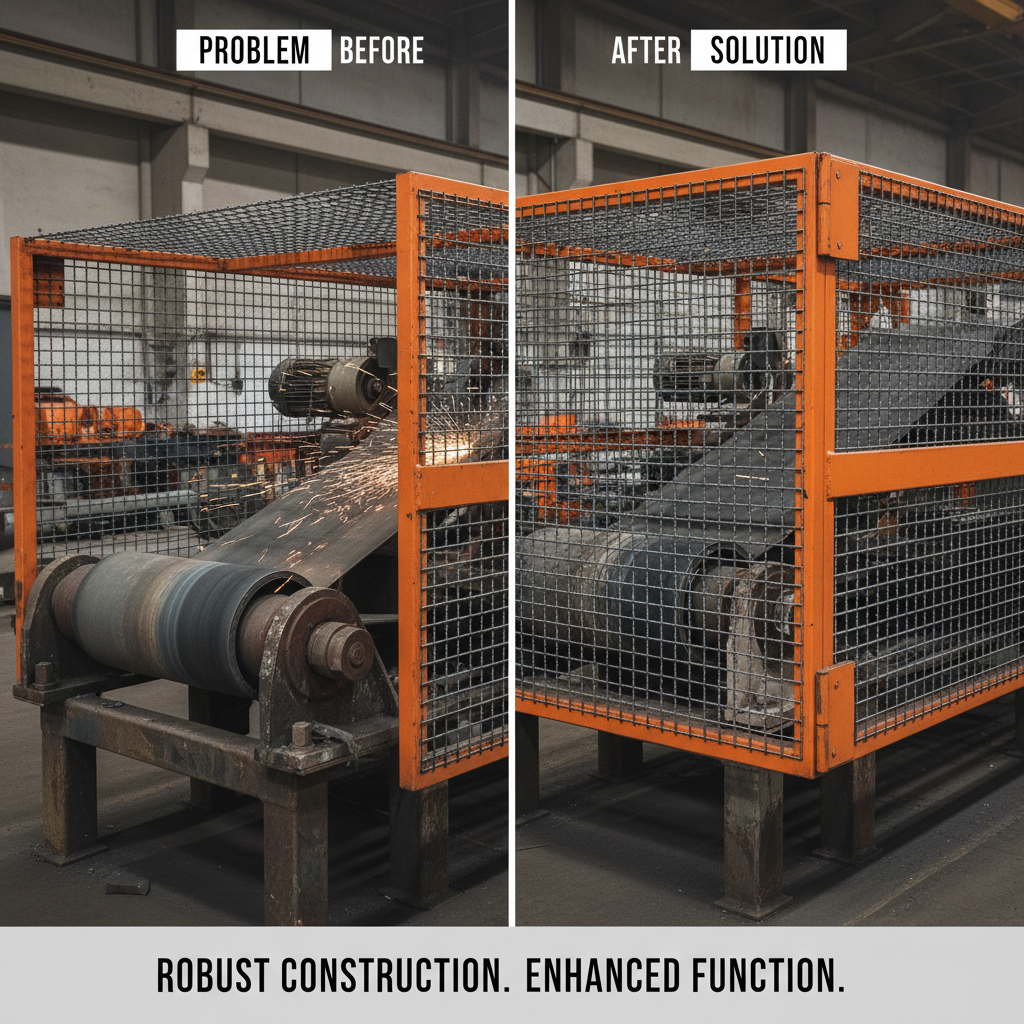
The versatility of the wire mesh grille allows it to be deployed in diverse environments worldwide. In heavy industrial zones, such as the mining sectors of Australia or the manufacturing hubs of Germany, these grilles are used as safety guards for rotating machinery, preventing accidental contact while allowing motors to cool efficiently.
In urban settings, the application shifts toward architectural integration. Decorative mesh grilles are increasingly used in the facades of modern skyscrapers to provide solar shading and privacy without blocking the breeze. Additionally, in logistics and warehousing, customized wire mesh trays and grilles are used for secure inventory storage, ensuring that items are visible and ventilated.
Performance Analysis of Wire Mesh Grille Types
Long-Term Value and Strategic Advantages
Investing in a premium wire mesh grille offers tangible long-term benefits, primarily in the form of reduced lifecycle costs. Because high-grade stainless steel and galvanized options resist rust and wear, the frequency of replacement is drastically lowered. This reliability translates to higher safety for workers and lower operational expenditure for facility managers.
From a sustainability perspective, the recyclability of metal mesh makes it an eco-friendly choice compared to plastic alternatives. Furthermore, the psychological impact of a well-installed grille—providing a sense of security and order—enhances the professional image of an industrial site, fostering trust among clients and stakeholders who visit the premises.
Future Trends in Mesh Technology
The evolution of the wire mesh grille is now being shaped by the digital transformation of manufacturing. Automation and CNC laser cutting are allowing for "intelligent" mesh designs, where the aperture size varies across a single panel to optimize airflow based on the heat map of the machinery it protects.
We are also seeing a shift toward "smart materials." Future grilles may incorporate shape-memory alloys or nano-coatings that can repel dust and pollutants automatically, reducing the need for manual cleaning in sterile environments like pharmaceutical labs or food processing plants.
Sustainability is driving the adoption of green energy-compatible materials. The integration of wire mesh into sound barrier systems for electric vehicle (EV) charging hubs and high-speed rail networks demonstrates how the product is adapting to the needs of a low-carbon economy.
Overcoming Technical Challenges in Implementation
One of the most common challenges in deploying a wire mesh grille is the risk of "sagging" in large-span installations. To overcome this, expert engineers suggest the use of reinforced perimeter frames and strategic support bracing, ensuring that the grille maintains its geometry under its own weight and external pressure.
Another frequent issue is the selection of the wrong mesh density, which can lead to excessive air restriction or insufficient protection. The solution lies in performing a "flux analysis" to determine the optimal open-area percentage, ensuring that the grille meets both the ventilation requirements and the safety standards of the specific application.
Finally, corrosion in coastal or high-humidity regions remains a hurdle. By utilizing a combination of electro-polishing and specialized powder coatings, the lifespan of the mesh can be extended by decades, providing a robust solution that resists salt-spray and chemical erosion.
Technical Comparison of Wire Mesh Grille Specifications
|
Material Type
|
Corrosion Resistance
|
Load Bearing Capacity
|
Typical Application
|
| SS 304 Stainless |
High |
Medium |
Food Processing |
| SS 316 Stainless |
Very High |
Medium |
Marine Environments |
| Galvanized Steel |
Medium |
High |
Industrial Fencing |
| Carbon Steel |
Low |
Very High |
Heavy Machinery Guard |
| Aluminum Alloy |
High |
Low |
Decorative Facades |
| Nickel Plated |
Medium-High |
Low |
Precision Filters |
FAQS
Choosing the right aperture size depends on the balance between filtration and airflow. For security purposes, smaller apertures are preferred to prevent penetration. For ventilation or cooling, larger apertures are necessary to minimize air resistance. We recommend calculating the required "open area percentage" based on the CFM (Cubic Feet per Minute) of your ventilation system to ensure the grille doesn't cause system backpressure.
Not necessarily. While stainless steel offers superior corrosion resistance and hygiene (making it ideal for food and pharma), galvanized steel is significantly more cost-effective and often provides higher structural strength for heavy-duty industrial fences or machine guards where aesthetic polish is less critical than raw durability and budget.
Sagging is typically caused by a lack of structural support in the center of the mesh. To prevent this, implement a rigid outer frame (usually L-shaped or U-shaped steel) and add cross-bracing or support bars at intervals of 60-100cm depending on the mesh weight. Choosing a welded mesh over a woven mesh also increases the inherent rigidity of the panel.
Yes, when integrated into a sound barrier system. While the mesh itself doesn't block sound, it acts as a protective layer for acoustic foam or mineral wool. This allows the sound-absorbing material to be exposed to the air (for maximum effectiveness) while remaining protected from physical damage, weather, and vandalism.
Lifespan varies wildly by material. A carbon steel grille in a humid environment may last only 2-5 years before significant rust occurs. In contrast, a high-grade SS 316 wire mesh grille in a similar environment can easily last 20-30 years with minimal maintenance, making it a much better long-term investment for critical infrastructure.
Yes, many manufacturers are moving away from traditional solvent-based paints toward powder coatings. Powder coating is more environmentally friendly as it releases few to no VOCs (Volatile Organic Compounds) and provides a thicker, more durable finish that reduces the need for frequent repainting and chemical treatments.
Conclusion
The wire mesh grille is far more than a simple metal screen; it is a critical intersection of safety, efficiency, and architectural design. By carefully selecting materials such as stainless steel or galvanized alloys and optimizing the aperture and structure, businesses can ensure their operations remain secure while maximizing airflow and durability. From industrial guards to decorative facades, the strategic application of mesh technology provides an enduring solution to complex engineering challenges.
Looking ahead, the integration of smart materials and automated manufacturing will continue to push the boundaries of what a wire mesh grille can achieve. We encourage facility managers and architects to look beyond standard specifications and explore customized mesh solutions that can enhance both the functionality and the sustainability of their projects. For high-quality, precision-engineered mesh products, visit our website: www.jinzehongmesh.com.